Small Homes Get Dirty Quickly and Clean Quickly
A tiny home does not create more dust than a larger home, but it makes dust more visible. The floor area is small, the furniture is close, and the same path may serve as entry, kitchen, hallway, office, and dressing room. One muddy pair of shoes can affect the whole house. One shedding pet can make the sofa, bed, and work chair feel connected. The advantage is that a tiny home can also reset quickly when cleaning is designed into the space.
Cleaning planning is not about keeping the home perfect. It is about making normal mess easy to catch before it spreads. Entry mats, shoe storage, smooth floor transitions, reachable shelves, washable finishes, and a place for compact tools can do more than a heroic weekly cleaning session. This guide connects with Tiny Home Entry Mudroom and Drop Zone Design , Tiny Home Pet-Friendly Design , Tiny Home Interior Finish Materials , and Tiny Home Maintenance .
Stop Dirt at the Door
The entry is the most important cleaning system in a tiny home. If dirt crosses the threshold, it will reach the kitchen, bed, desk, and bathroom quickly. A washable exterior mat, an interior mat, a shoe tray, and a place to hang wet outerwear are not decorative extras. They are the first filter.
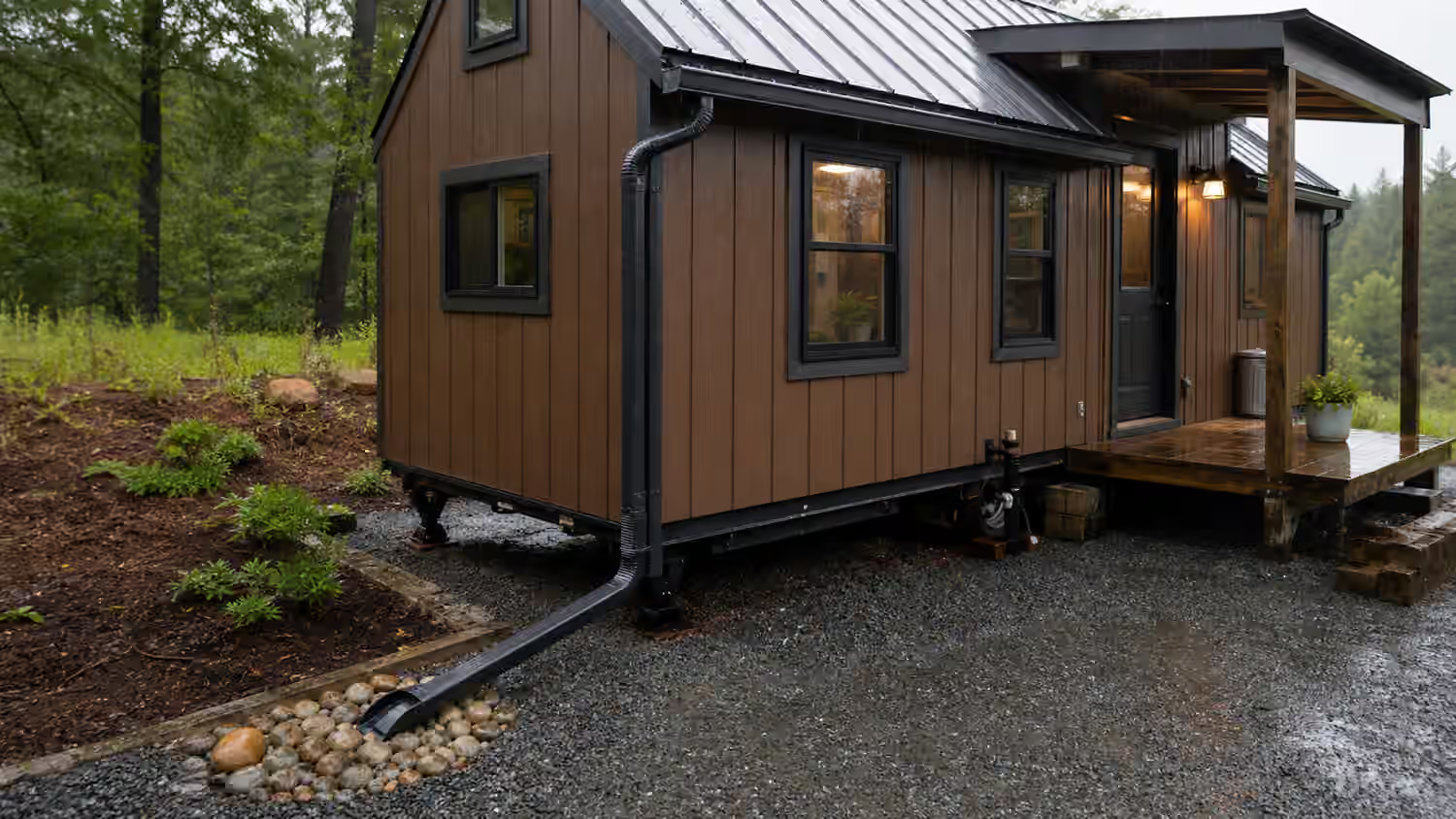
The entry should match the site. Gravel pads bring grit. Clay soil brings sticky mud. Snow brings meltwater. Beach locations bring sand. Wooded sites bring leaves and pollen. A porch or step can give the resident a place to pause before entering, but only if it is stable and comfortable enough to use. Tiny Home Outdoor Living and Site Prep and Setup both affect cleaning because the ground outside decides what comes inside.
Shoes need a realistic home. A narrow tray under a bench may be enough for one person in dry weather. A household with boots, pets, or children may need deeper storage, washable mats, and a drying zone. If the shoe area is too small, shoes spill into the path and dirt spreads with them. A good entry makes the clean habit the easy habit.
Choose Finishes That Forgive Real Life
Tiny home finishes are touched constantly. Floors take tracked grit. Cabinet fronts receive wet hands. Wall corners meet shoulders, bags, and laundry baskets. Countertops may serve cooking, work, folding, and repair tasks in the same day. Cleaning gets easier when finishes are chosen for repeated contact rather than showroom stillness.
Smooth, durable floors with minimal deep grooves usually clean faster than highly textured surfaces. They should also be safe when wet near the entry, bathroom, and kitchen. Wall finishes near cooking and washing should tolerate wiping. Trim profiles should avoid dust-catching complexity where possible. Open shelves can look warm, but they ask for regular dusting, especially near a cooktop or entry. Closed storage calms the room and protects contents, but doors and pulls still need to be easy to wipe.
Tiny Home Interior Finish Materials goes deeper on walls, floors, counters, and trim. The cleaning lens is simple: any surface that is hard to reach, hard to wipe, or fragile under ordinary use will either demand more care or look worn sooner.
Give Cleaning Tools a Visible, Compact Home
Cleaning tools often fail tiny homes because they have no place to live. A full-size vacuum may be too large. A mop bucket may block the bathroom. Spray bottles may collect under the sink until they crowd plumbing access. When tools are hidden too deeply, quick resets do not happen.
A compact cleaning kit should be stored near the mess it handles. A small vacuum or broom near the entry catches grit before it travels. A cloth and mild cleaner near the kitchen catch spills before they dry. Bathroom cleaning supplies should not require unloading towels. Pet cleanup tools should be close to the pet zone. The tool home does not need to be large. It needs to be obvious and reachable.
Water access matters too. If cleaning a floor requires filling a bucket in a tiny sink that barely fits it, the routine becomes awkward. A smaller mop system, washable pads, or a hand sprayer may fit the home better. The best tool is not the most powerful one. It is the one the resident will use on a normal Tuesday.
Dust Hides in Airflow and Fabric
Dust control is partly cleaning and partly design. Air moves through windows, fans, vents, doors, and mechanical systems. It carries pollen, lint, cooking residue, pet hair, and outdoor particles. A tiny home with good ventilation still needs filters, screens, and surfaces that can be cleaned. A home with poor ventilation may feel stale, trap odors, and let dust settle in damp corners.
The moisture guide matters here because damp dust becomes harder to clean and can contribute to musty storage. Ventilation and Moisture Control should be read with cleaning in mind. Bathroom fans, range ventilation, window habits, and dehumidification all affect how surfaces feel. A dusty dry home and a dusty damp home are different problems, but both are easier to manage when air paths are intentional.
Fabric is the other dust reservoir. Rugs, curtains, cushions, bedding, upholstered benches, and pet beds soften a tiny home, but they also hold lint and hair. That does not mean the home should become bare. It means soft goods should be washable, shakeable, and not too numerous for the owner’s cleaning rhythm. A beautiful layered bed in a loft may be pleasant until changing and washing it becomes a climb-heavy chore.
Pets and Hobbies Need Their Own Reset
Pets make tiny homes warmer and messier. Hair, paw prints, food crumbs, litter, leashes, toys, bedding, and outdoor dirt all need places. The Tiny Home Pet-Friendly Design guide covers floors, routines, and calm shared space. From a cleaning standpoint, the key is to create a contained pet reset: wipe paws near the door, keep food on a washable surface, choose bedding that can be laundered, and store supplies where they do not block human routines.
Hobbies do similar work. Gardening, cycling, hiking, sewing, painting, woodworking, fishing, and fitness gear all bring residues. A tiny home does not need to reject messy hobbies, but it needs a boundary. A covered porch, exterior bin, entry cabinet, washable mat, or dedicated gear bay can keep the main room from becoming a workshop by accident. If the hobby is central to life, design for it directly instead of hoping general storage will absorb it.
The question is not whether mess occurs. It will. The question is whether the first place that mess lands is designed to handle it.
Keep Surfaces Reachable
Cleaning becomes harder when surfaces are too high, too deep, too narrow, or too cluttered to reach. Upper shelves, loft corners, ceiling fans, high windows, behind-stove gaps, under-bed storage, and stair cubbies all need a plan. A tiny home may be small, but it can still contain unreachable dust traps.
Reachability should shape built-ins. Leave toe-kicks and under-bench areas either sealed cleanly or accessible enough to vacuum. Avoid narrow gaps beside appliances that catch crumbs but do not accept a cleaning tool. Make window tracks reachable. Keep the top of tall cabinets either intentionally closed to the ceiling or easy to wipe. If a loft has a low ceiling, keep the bedding and storage simple enough that cleaning does not require acrobatics.
This is where Tiny Home Convertible Furniture and Built-Ins connects to cleaning. A storage bench that opens easily gets vacuumed. A built-in that traps dust behind a fixed panel does not.
Build a Short Reset, Not a Perfect Routine
The cleaning routine that works in a tiny home is usually short and frequent. A quick entry sweep, a daily counter reset, a weekly fabric shakeout, and a seasonal deep clean may serve better than rare marathon cleaning. The exact rhythm depends on climate, pets, cooking, work, and how much time the resident spends indoors.
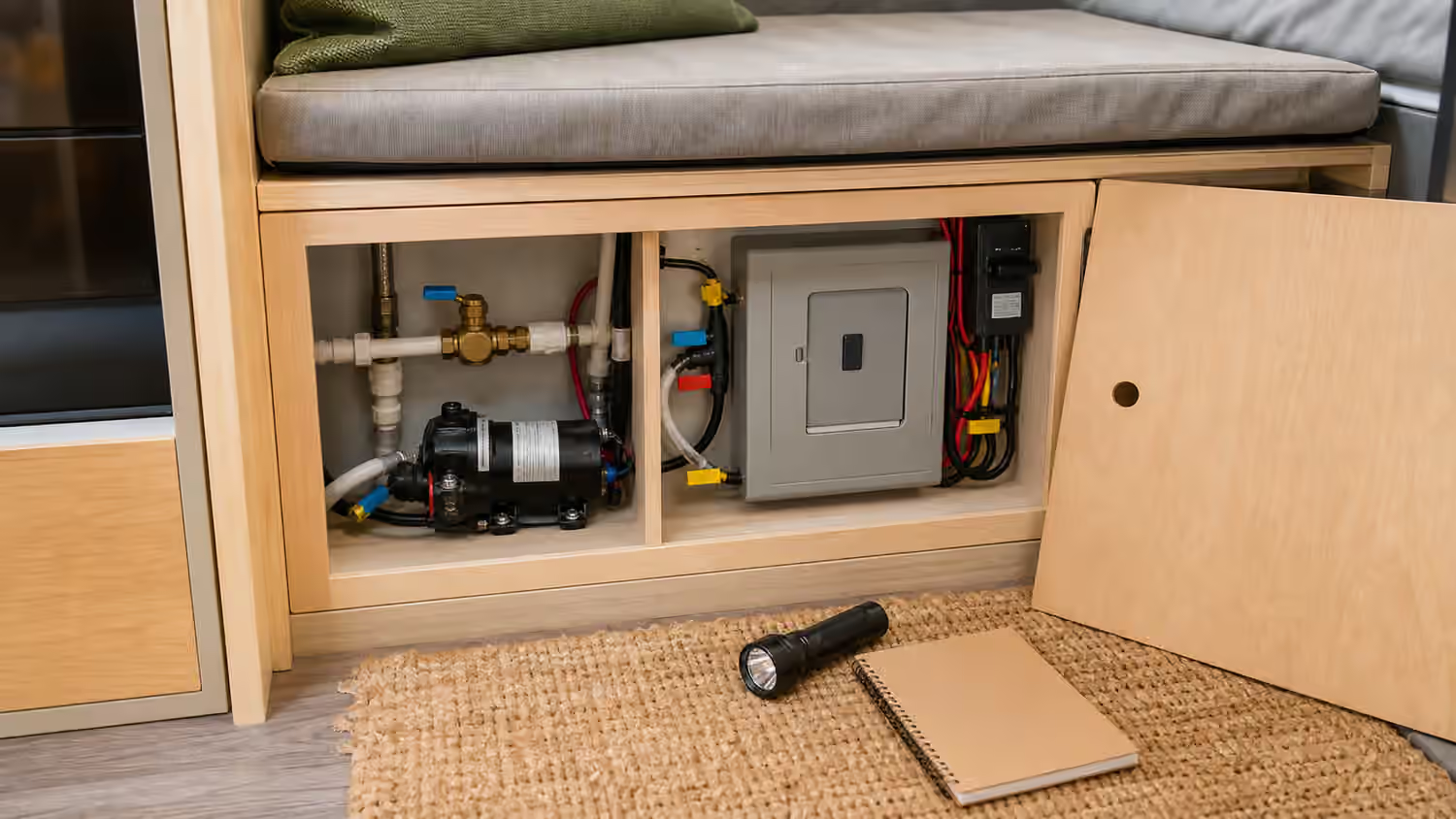
The house should support the reset without drama. Tools have homes. Mats are washable. Shoes stop at the door. Laundry has a route. Surfaces are not overloaded. Dusty fabric can be removed. Service panels are not blocked by cleaning supplies. When those basics are in place, cleaning becomes less moral and more mechanical.
A tiny home will never stay clean because it is tiny. It stays manageable because the first path of dirt is interrupted, the common tools are close, and the materials tolerate ordinary life. That is enough. A home that can be reset in a few calm minutes will feel larger, steadier, and more livable than one that relies on constant vigilance.