The Real Cost Question
“How much does a tiny home cost?” is the first question most people ask—and the hardest to answer simply. Depending on size, materials, whether you DIY or hire a builder, and where you place it, a tiny home can cost anywhere from $15,000 to $150,000 or more.
That range is huge, which is why budgeting matters. This guide breaks down every major cost category, helps you build a realistic budget, and identifies the hidden expenses that catch most first-time tiny home builders off guard.
The Three Budget Tiers
Tier 1: Budget Build ($15,000–$40,000)
This is the DIY path. You’re doing most or all of the work yourself, sourcing affordable or reclaimed materials, and making pragmatic design choices.
What this gets you:
- A functional tiny home on a trailer (THOW) in the 120–200 sq ft range
- Basic but solid construction
- Simple electrical and plumbing
- Minimal custom finishes
Who this suits: Builders with construction experience (or willingness to learn), time to invest, and a clear-eyed view of what “budget” means. Expect 6–18 months of part-time work.
Tier 2: Mid-Range ($40,000–$80,000)
The most common range. This is where DIY meets professional help—you might frame it yourself but hire an electrician and plumber, or buy a shell and finish the interior.
What this gets you:
- A well-built THOW or small foundation home (150–300 sq ft)
- Quality materials and appliances
- Professional electrical, plumbing, and insulation
- Moderate customization
Who this suits: Most first-time tiny home builders who want a livable, attractive home without a decade of construction experience.
Tier 3: Premium / Turnkey ($80,000–$150,000+)
A professionally built tiny home, purchased from a builder or company, delivered ready to live in.
What this gets you:
- Architect-designed layout
- High-quality materials and finishes
- Full systems (off-grid solar, composting toilet, water filtration)
- Warranty and builder support
Who this suits: People who want the tiny home lifestyle without the construction project. You’re paying for expertise, design, and time savings.
Detailed Cost Breakdown
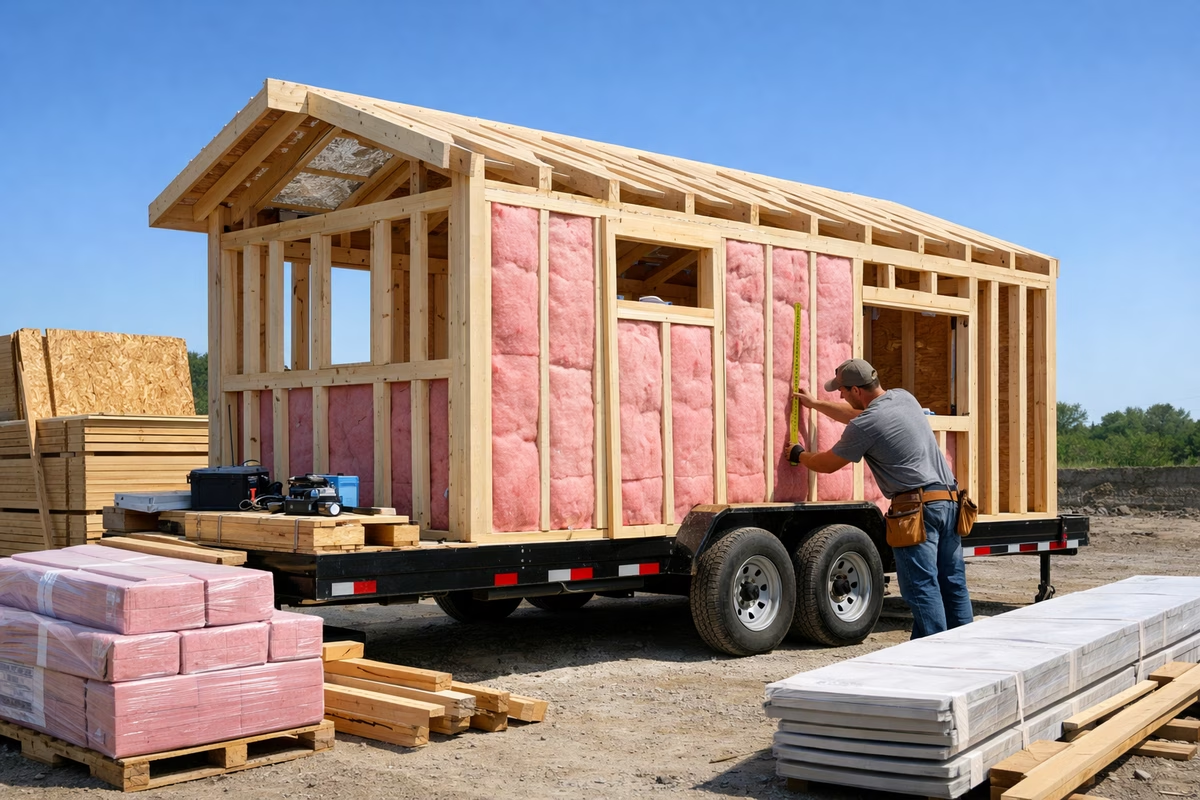
Here’s where the money actually goes in a typical mid-range (Tier 2) tiny home build:
Trailer and Foundation
If building a tiny home on wheels (THOW), the trailer is your foundation. A quality custom trailer costs $4,000–$8,000 depending on length and load rating.
- 20-foot trailer: $4,000–$5,500
- 24-foot trailer: $5,500–$7,000
- 28-foot trailer (max common): $6,500–$8,000
Don’t skimp on the trailer. It carries your entire home. Buy from a manufacturer experienced with tiny homes—standard utility trailers may not have the right weight distribution or floor height.
Framing and Sheathing
Lumber for framing, exterior sheathing, and roofing structure: $3,000–$6,000
Prices fluctuate with the lumber market. Consider steel framing if you’re in a high-humidity or termite-prone area—it costs more upfront but lasts longer.
Exterior
Siding, roofing, windows, and exterior door: $3,000–$8,000
- Siding options: Cedar ($$$), metal panels ($$), LP SmartSide ($$), reclaimed wood ($)
- Windows: Standard sizes save money. Custom windows add up fast.
- Roofing: Metal roofing is the most common choice for tiny homes—durable, lightweight, and good for water collection.
Insulation
Crucial for comfort and energy efficiency: $1,500–$4,000
- Spray foam — Best thermal performance, best air sealing, most expensive
- Rigid foam board — Good performance, DIY-friendly, moderate cost
- Rockwool / mineral wool — Fire-resistant, sound-dampening, good value
- Fiberglass batts — Cheapest, but less effective in thin tiny home walls
Electrical
Wiring, panel, outlets, lighting, and hookup: $1,500–$4,000 (DIY to professional)
If going off-grid with solar:
- Basic solar system (400W panels + batteries + inverter): $3,000–$6,000
- Robust off-grid system (1,000W+ panels + lithium batteries): $8,000–$15,000
Plumbing
Pipes, fixtures, water heater, and hookup: $1,500–$4,000
- On-demand tankless water heater: $200–$600
- Composting toilet: $900–$2,000 (saves on plumbing complexity)
- Standard RV-style hookup: cheapest for THOW
- Full residential plumbing: needed for foundation builds
Interior Finishes
Flooring, walls, ceiling, cabinetry, countertops: $3,000–$10,000
This is where budgets tend to creep. Custom built-ins, hardwood floors, and stone countertops can double interior costs. Plywood, laminate, and butcher block are popular budget-friendly alternatives.
Appliances
Refrigerator, stove/cooktop, washer (optional): $1,500–$4,000
- Apartment-sized refrigerator: $400–$800
- Two-burner cooktop or compact range: $200–$600
- Compact washer/dryer combo: $600–$1,200
Hidden Costs Most People Miss
These are the budget-breakers that don’t appear in any builder’s brochure:
Permits and Inspections
Depending on your location: $500–$5,000
Some jurisdictions require building permits even for THOWs; others require inspections from certified professionals. Research local requirements before you start building.
Insurance
Tiny home insurance is a niche market: $500–$1,500/year
THOWs are often insured as RVs. Foundation tiny homes may qualify for homeowner’s insurance. Get quotes early—it’s harder to insure than most people expect.
Land Costs and Site Prep
Even if you own land or have a lease, site prep adds up: $2,000–$10,000+
- Grading and leveling
- Utility hookups (water, sewer, electric)
- Driveway or access road
- Septic system (if needed): $3,000–$10,000
Towing and Transport
Moving a THOW to its final location: $1,000–$5,000 depending on distance
You’ll need a capable truck or a professional hauler. Factor in towing insurance as well.
Tools
If you’re building DIY, tool costs add up fast if you don’t already own them: $500–$3,000
Key tools: circular saw, drill/impact driver, miter saw, jigsaw, air compressor, nail gun, clamps, levels, and safety equipment.
Financing Options
Cash / Savings
The simplest path. No interest, no monthly payments. Many tiny home builders save for 1–2 years before starting construction.
Personal Loan
Unsecured personal loans from banks or credit unions: $10,000–$50,000 at 6–12% APR typically. No collateral required, but rates are higher than secured loans.
RV Loan
If your THOW is RVIA-certified (built to RV standards), you may qualify for an RV loan: lower rates (4–8% APR) and longer terms (up to 15–20 years).
Construction Loan
For foundation builds, a construction loan converts to a mortgage upon completion. Requires detailed plans and builder qualifications.
Builder Financing
Some professional tiny home builders offer in-house financing. Read the terms carefully—rates and conditions vary widely.
Long-Term Savings
The financial case for tiny homes is strongest over time:
Monthly Expenses
| Expense | Traditional Home | Tiny Home |
|---|---|---|
| Mortgage/Rent | $1,500–$3,000 | $0–$800 |
| Utilities | $200–$400 | $30–$100 |
| Insurance | $100–$300 | $40–$125 |
| Maintenance | $200–$500 | $50–$150 |
| Total | $2,000–$4,200 | $120–$1,175 |
These are rough ranges—your actual costs depend on location, lifestyle, and whether you own or rent your land. But the gap is real: tiny home living can reduce monthly housing costs by 50–80%.
The Freedom Math
If tiny living saves you $1,500/month compared to conventional housing, that’s $18,000/year. Over five years, that’s $90,000—enough to pay off student loans, build an investment portfolio, or fund extended travel.
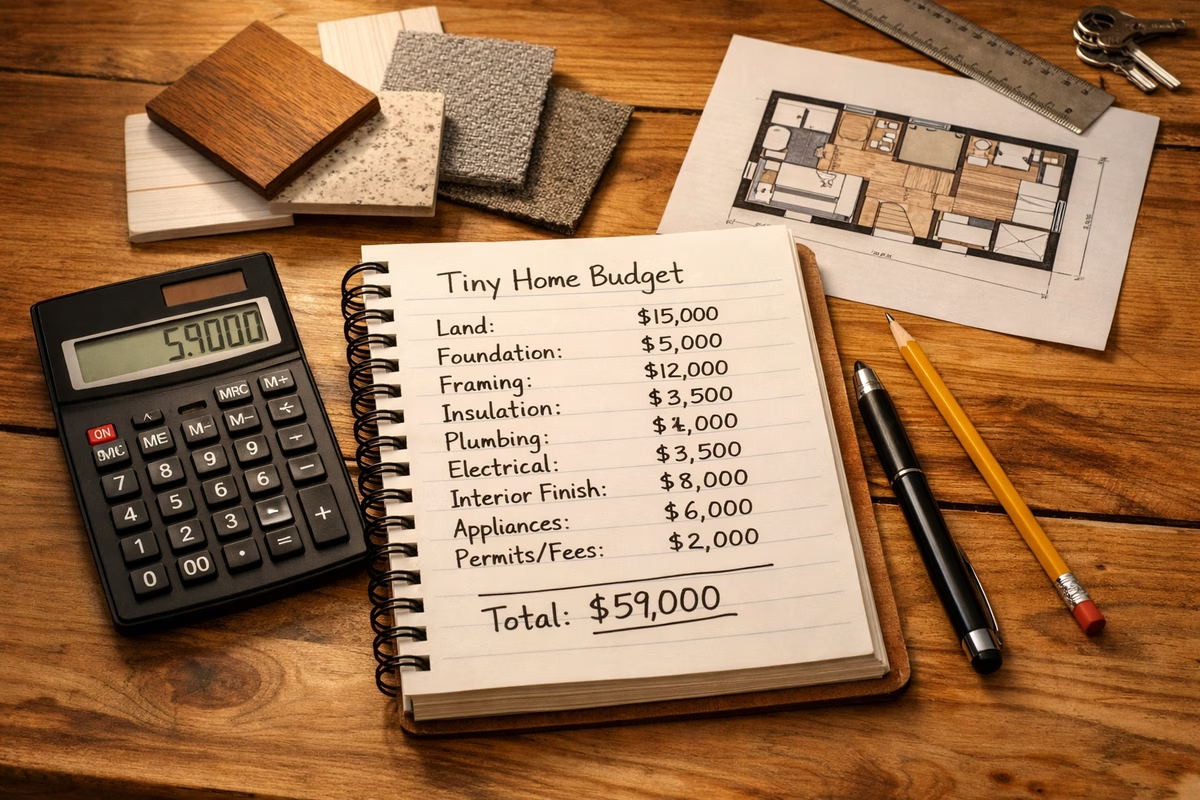
Budget Planning Template
Use this structure to plan your build:
- Set your total budget (including 20% contingency)
- Allocate by category using the percentages above as a guide
- Research local costs — material prices vary by region
- Get three quotes for any professional work (electrical, plumbing)
- Track every expense — use a spreadsheet, not your memory
- Review monthly — adjust categories as the build progresses
The key principle: spend on structure and systems, save on finishes. A solid trailer, good insulation, and proper electrical are non-negotiable. Fancy countertops and custom hardware can always be upgraded later.
Next Steps
- Read the Building Guide for the step-by-step construction process
- Explore Legal Requirements to understand zoning and permits in your area
- Check out Design Principles to plan a layout that maximizes your budget
- See Sustainable Systems for off-grid options and their costs