The Smallest Room Carries the Most Consequences
The bathroom is where a tiny home stops being a charming floor plan and starts acting like a building. It concentrates water, steam, privacy, odor control, electrical protection, storage, plumbing access, and daily cleanup into one of the tightest rooms in the house. A bathroom that looks clever in a drawing can become exhausting if the towel never dries, the shower curtain sticks to your shoulder, the toilet blocks the sink cabinet, or every repair requires removing a wall panel.
Tiny home bathrooms are also easy to under-design because they are usually treated as leftover space. The kitchen gets the window. The living area gets the best view. The loft gets careful measurements. The bathroom gets whatever rectangle remains after the bed, stairs, and refrigerator have claimed their territory. That approach may save a few inches on paper, but it often creates a room that is unpleasant every single day.
Good bathroom design starts with respect for the job this room has to do. It should let someone shower without soaking the entire house, use the toilet without awkward gymnastics, wash hands without splashing the floor, store damp and dry items separately, and reach the plumbing when something needs service. Those goals sound ordinary. In a tiny home, ordinary is the achievement.
This guide sits beside Design Principles , Ventilation and Moisture Control , and Sustainable Systems . Design decides whether the room is usable. Ventilation decides whether it stays dry. Systems decide how water and waste move through the home. The bathroom is where those decisions meet.
Choose the Bathroom Type Before You Pick Fixtures
Most tiny home bathrooms fall into three broad patterns: a conventional compact bath, a wet bath, or a split arrangement where one function is separated from the others. The right choice depends less on style than on habits, mobility, climate, and how much patience you have for drying surfaces after each shower.
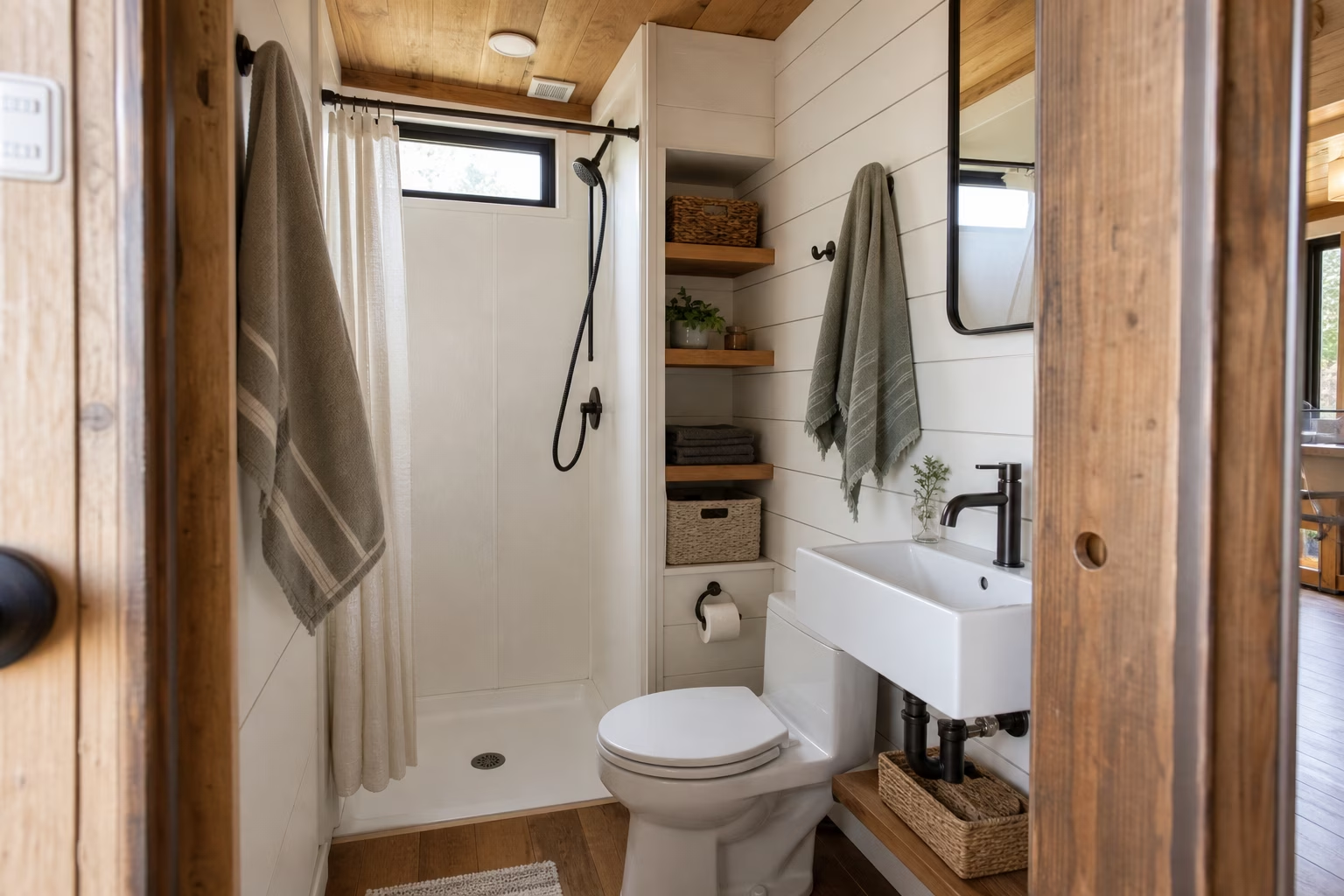
A compact conventional bathroom keeps the shower, toilet, and sink in separate zones, even if those zones are small. It feels familiar and is usually easier to live with because the toilet paper, towel, and vanity storage do not share shower spray. The tradeoff is floor area. A separate shower needs its own footprint, door or curtain clearance, waterproofing, and drain slope. If your tiny home is long enough to spare a few more feet, this is often the calmest everyday arrangement.
A wet bath treats the room as a waterproof compartment. The shower shares space with the toilet, and often the sink as well. This can save meaningful room in a very short build or a design where the main living area matters more than bathroom comfort. It also asks more from the owner. Surfaces need to tolerate regular wetting, toilet paper must be protected, towels need a dry home outside the spray zone, and the room must dry quickly enough that it does not become a damp closet.
A split bathroom solves a different problem. The toilet may sit in a small enclosed room while the shower is tucked elsewhere, or the sink may be placed just outside the bathroom so two people can use different functions at the same time. This can work well for couples, guests, or homes with a narrow central walkway. It also spreads plumbing and waterproofing decisions across more of the floor plan, so it should be planned early rather than improvised late.
Start with the Shower Because It Drives Everything Else
The shower is the largest moisture event in most tiny homes. It also dictates floor slope, wall finish, fan placement, towel storage, drain routing, water heater behavior, and how the room feels when a real person stands inside it. If the shower is wrong, the bathroom will feel wrong no matter how attractive the sink is.
Prefab shower pans and surrounds are popular because they simplify waterproofing. They are not automatically beautiful, but they are predictable, and predictability matters in a small structure that may move, flex, or experience sharp temperature swings. A standard pan with a well-installed surround can be easier to maintain than a custom tiled shower built by someone who has not done waterproofing before.
Tile can be excellent when it is installed over the right substrate with the right waterproofing system, but it is not just a finish. It is an assembly. A tiny house on wheels adds vibration and movement that make sloppy tile work less forgiving. If you choose tile, think about weight, substrate, movement joints, and access to the plumbing wall. The prettiest shower in the home is not a success if a hidden leak reaches the subfloor.
Curtains, doors, and partial glass panels all change the room. A curtain is light, cheap, and forgiving, but it can cling in a narrow stall and hold moisture if bunched up after a shower. A hinged door needs swing clearance. A sliding or folding door can save space, but tracks collect grime and need cleaning. A fixed partial panel can look open and modern, but it must actually contain spray in a room where the floor may be only a few steps from the bed.
The shower should also have a place for soap and bottles that does not turn the floor into storage. A recessed niche is useful only if it is properly waterproofed. A surface-mounted shelf can be simpler and easier to replace. The goal is not to showcase products. It is to keep daily items off the floor, away from the drain, and out of the path where elbows and knees already have little room.
Toilets Are a Systems Choice, Not Just a Fixture Choice
The toilet affects plumbing, ventilation, odor, water use, legal placement, maintenance routines, and the future service life of the bathroom. A standard flush toilet is familiar and comfortable when the site supports sewer or septic connections. It also needs water supply, a correctly sized drain, venting, and a waste path that is allowed for the site. For a foundation tiny home, that may align naturally with normal residential expectations. For a tiny house on wheels, it may complicate mobility and parking options.
A composting toilet can reduce water use and simplify blackwater plumbing, but it should not be romanticized. It is an appliance that needs ventilation, correct use, dry carbon material, emptying, and enough clearance to remove containers without wrestling the whole room. The story page on the composting toilet conversation captures the social and practical side of that choice; the design lesson is simple. Do not tuck the unit into a corner so tightly that the maintenance routine becomes a weekly punishment.
Cassette and portable toilet systems can make sense in some mobile or seasonal setups, but they shift the burden from plumbing to carrying and dumping. That burden needs an honest place in the design. Where does the cassette come out? Can it be removed without crossing clean towels and food storage? Is there an exterior hatch, or does every service trip pass through the living room? A plan that ignores the service route is not finished.
No toilet choice removes the need for air movement. Odor control in a tiny home is partly about separation, partly about ventilation, and partly about making maintenance easy enough that it actually happens. The bathroom fan, toilet vent, window, and door undercut all belong in the same conversation.
Give the Sink a Real Job
Tiny home sinks often get reduced to symbolic fixtures. A tiny corner basin looks efficient until you try to wash your face, rinse a razor, fill a small cleaning bucket, or set down a toothbrush. The sink does not need to be large, but it should be deep enough and positioned well enough that water stays in the bowl.
Wall-mounted sinks can make a bathroom feel more open because the floor remains visible beneath them. They work best when the wall structure is planned for the load and the plumbing below is neat, protected, and easy to clean around. A small vanity gives up some floor openness but creates closed storage for toilet paper, cleaners, grooming items, and backup supplies that should not sit in shower humidity. In many tiny homes, a narrow vanity with drawers beats a beautiful pedestal sink because it keeps the room from borrowing storage from the kitchen or entry.
Faucet placement matters more than people expect. A faucet that is too short causes handwashing splash. A faucet that is too tall can send water out of a shallow basin. The mirror needs lighting that lets the sink area function in the morning without turning the whole home bright. If the bathroom is near the sleeping area, quiet switches and soft, directional light are not luxuries. They are signs that the room was designed for actual routines.
Moisture Control Starts in the Layout
Ventilation equipment matters, but the layout either helps it or fights it. A fan placed far from the shower has to work harder. A towel hook mounted in the coldest, least ventilated corner will keep towels damp. A closed vanity with no airflow can hold moisture around plumbing. A wet bath with no dry landing outside the door will spread water into the main room through bare feet and dripping curtains.
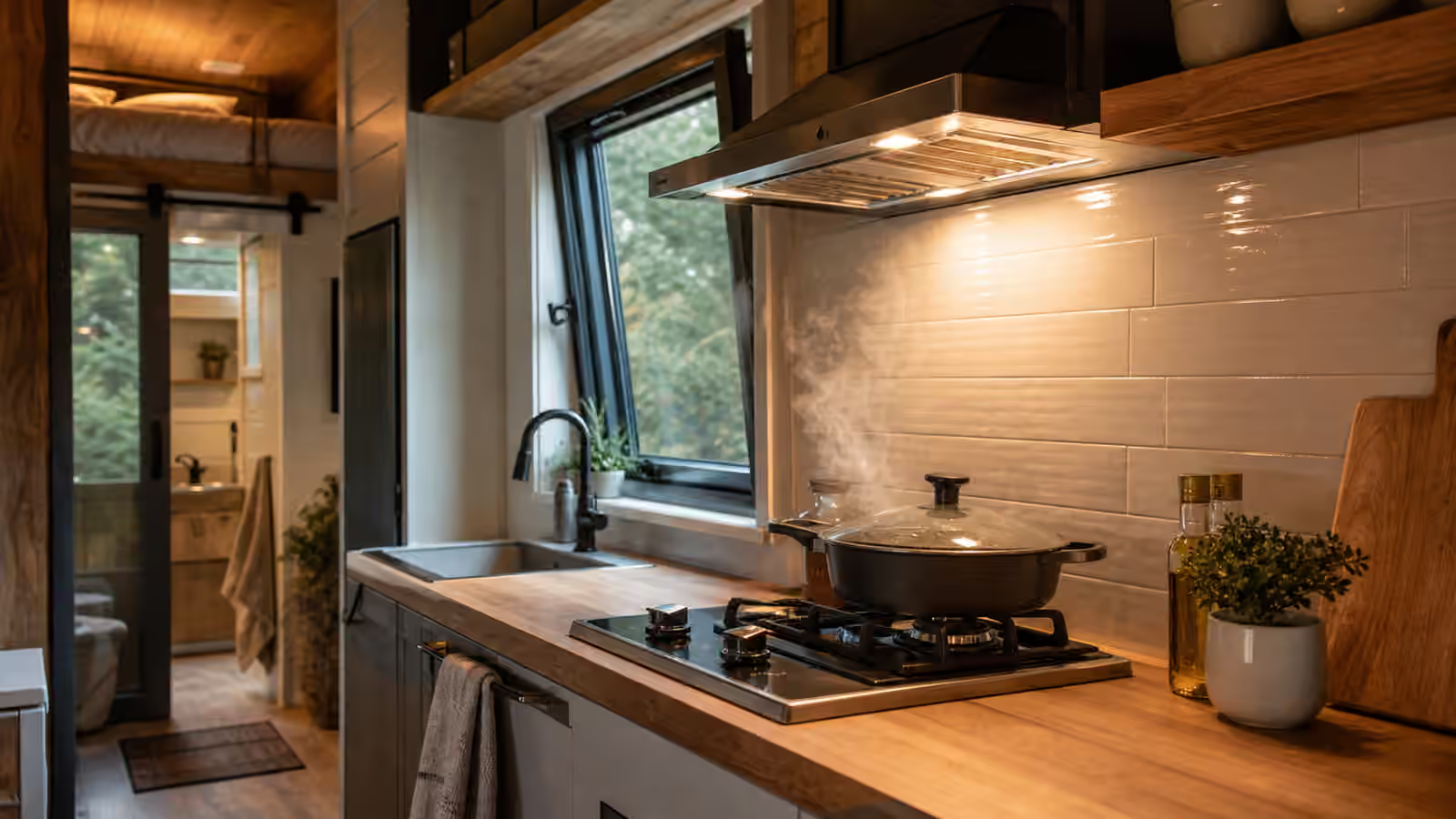
The Ventilation and Moisture Control guide covers the larger strategy, but the bathroom deserves a few design commitments from the start. Exhaust should move humid air outdoors, not into a cavity. The duct path should be as short and direct as the structure allows. The fan should be easy enough to use that it becomes part of the shower routine. A timer or humidity-sensing control can help, but the best hardware still needs a room that lets air reach the wet surfaces.
Materials should be chosen for repeated humidity, not occasional exposure. Standard drywall beside a shower is a weak compromise. Waterproof panels, fiberglass surrounds, tile assemblies, sealed trim, and bath-rated paint all have their place when used correctly. The floor needs attention at edges, corners, and penetrations. In a tiny home, a little water does not travel far before it finds cabinetry, wall framing, or the main living area.
The door deserves thought too. A full swinging door may steal space from the hallway or the bathroom. A pocket door saves swing clearance but places a hidden cavity near a wet room, so detailing matters. A sliding barn-style door can be simple, but it may not offer the privacy or sound control people expect from a bathroom. The right door is the one that matches the room’s humidity, privacy needs, and adjacent traffic.
Storage Should Separate Wet, Dry, and Service Items
Bathroom storage in a tiny home is not about cramming more objects into the smallest cavity. It is about keeping categories from damaging each other. Towels need air. Toilet paper and backup toiletries need dry protection. Cleaners need a stable place where they will not tip into plumbing. Daily items need to be reachable without cluttering the sink. Service items, such as a composting toilet medium, spare seals, filters, or a small plunger, need a home that does not make guests stare at them.
Open shelves can work for folded towels in a dry zone, but they are poor storage for paper goods in a wet bath. A shallow medicine cabinet can outperform a deep cabinet because the contents remain visible. Hooks beat towel bars in some narrow rooms because they use vertical space and avoid long projections, but towels dry better when they can spread out. If hooks are the only realistic option, place them where moving air reaches them.
The bathroom should not absorb every awkward household item. If the mop, laundry basket, tool kit, and extra shoes all end up in the bathroom, the design problem belongs to the whole home. This is where the storage logic from Interior Design helps. The bathroom should store bathroom things well, not become the final hiding place for everything the rest of the plan forgot.
Make Repairs Possible Before Something Leaks
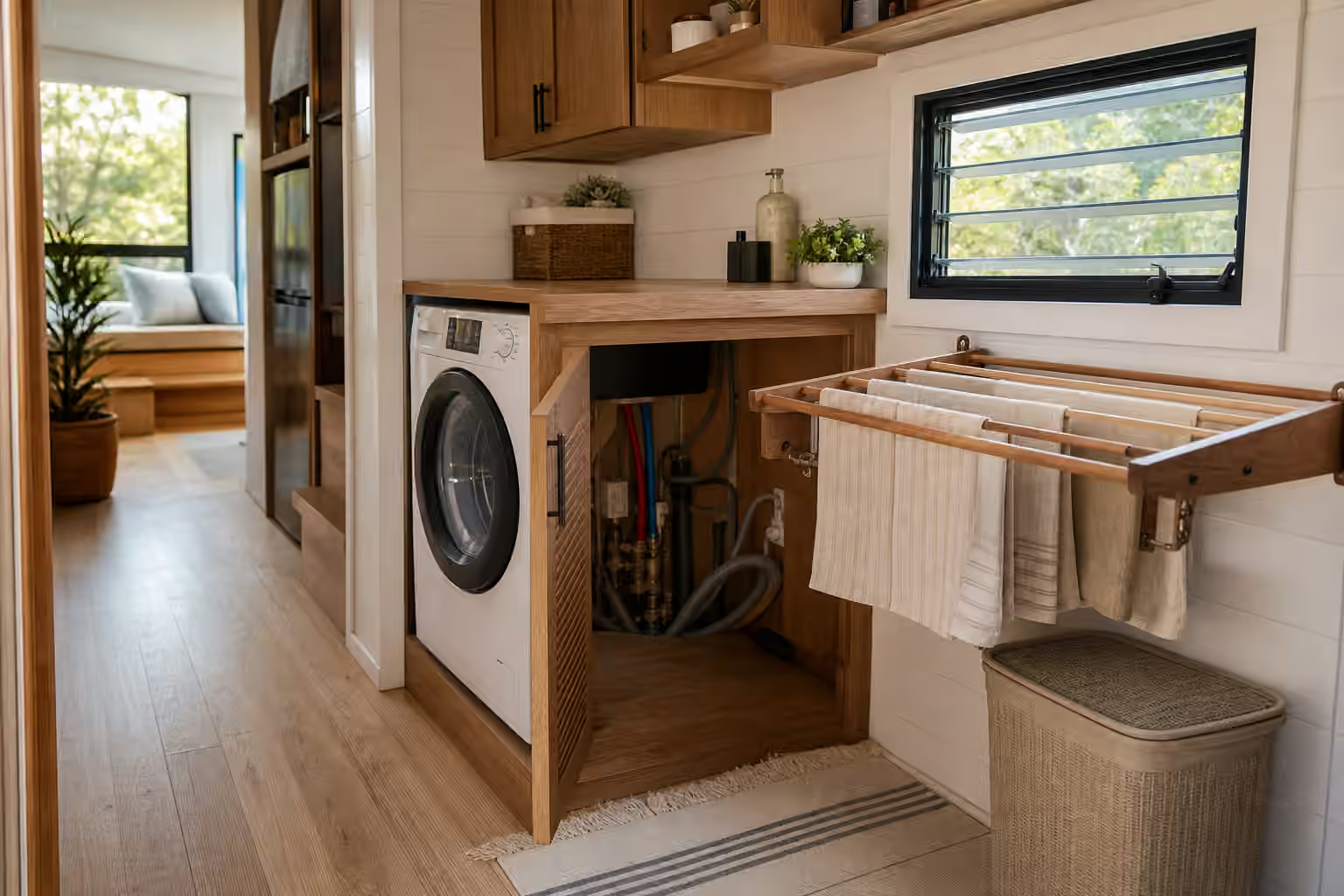
Tiny bathrooms can be beautifully compact and still be hostile to maintenance. A shutoff valve behind a screwed-down panel, a water heater that cannot be removed without cutting trim, or a shower valve buried behind finished wood turns an ordinary repair into demolition. Access panels are not visual failures. They are part of the room’s long-term design.
Place shutoffs where a tired person can find them quickly. Leave a path to the drain trap if the assembly requires service. Think about how the water heater, pump, filters, toilet vent, fan, and electrical protection will be inspected. In a very tight plan, a removable shelf, magnetic panel, or cabinet back can make the difference between a ten-minute check and a weekend repair.
This practical thinking belongs with the Building Guide and Tiny Home Maintenance . The bathroom is not finished when the finishes are installed. It is finished when the wet systems can be used, cleaned, ventilated, and repaired without drama.
Design for the First Shower and the Hundredth
The best test of a tiny home bathroom is not a tour. It is an ordinary evening. Someone comes in cold, takes a shower, hangs a towel, brushes teeth, uses the toilet, turns on the fan, and closes the door. The next morning, the room should not smell damp. The towel should be on its way to dry. The floor should not be slick. The toilet paper should not be curled from humidity. The sink should not be surrounded by bottles with nowhere else to go.
That ordinary test is more useful than chasing the smallest possible footprint. A bathroom can be tiny and generous if it protects dry storage, gives the shower enough room to work, moves humid air out, and respects the maintenance routines its systems require. It can also be spacious on paper and miserable in use if every decision assumes perfect behavior from the person living there.
Design the bathroom early, while the floor plan can still change. Give it a real wall for plumbing, a real path for ventilation, a real place for towels, and a real way to reach the parts that will eventually need attention. Then the smallest room in the home can do its job quietly, which is exactly what a good tiny home bathroom should do.