Appliances Are Systems, Not Shopping Decisions
Tiny home appliances look like product choices, but they behave like systems. A refrigerator is also a pantry decision, an electrical load, a heat source, a sound source, and a daily shopping rhythm. A cooktop is also ventilation, counter landing space, fuel storage, and fire safety. A washer is also water supply, drainage, drying space, humidity, vibration, and cabinet access. In a small home, none of those effects stay in their own room.
The best appliance plan begins before the catalog opens. It starts with the way the home will actually be used. A weekend cabin, a full-time tiny house on wheels, a backyard studio, and an off-grid primary home can all fit under the same visual idea of tiny living, but their appliance needs are different. The right plan is not the smallest possible set of machines. It is the set that supports real routines without overwhelming the shell, the electrical system, the water system, or the storage plan.
This guide sits between Tiny Home Kitchen Design , Tiny Home Electrical Planning , Solar Power Sizing , Tiny Home Laundry Planning , and Ventilation and Moisture Control . Those pages cover rooms and systems from their own angles. The appliance version asks how individual machines change the daily feel of the whole home.
Start With Routines Before Dimensions
Measuring the cabinet opening is necessary, but it is not the first move. The first move is to describe the routine the appliance is supposed to support. A person who cooks most meals from fresh ingredients needs different refrigeration, prep space, and dish handling from someone who eats simply and shops often. A couple working remotely may care more about a quiet refrigerator and a dependable kettle circuit than a large oven. A builder planning for a muddy site may discover that laundry and entry drying matter more than a second cooking device.
This routine-first approach keeps the plan honest. Tiny homes often become uncomfortable when the owner buys miniature versions of ordinary appliances without asking whether the routine changed. A very small fridge can look perfect in the drawing, then force constant grocery trips. A tiny sink paired with a compact dishwasher may work beautifully for one person and frustrate a family. A combination washer-dryer can save floor area but add long cycles that change when laundry can happen. The question is not whether an appliance is tiny. The question is whether it fits the rhythm of the home.
It helps to imagine a normal day rather than a perfect one. Someone comes in with groceries while the sink has breakfast dishes in it. A wet towel needs a place to dry. The heat is running. A laptop is charging. The fridge cycles at night. A guest makes coffee while the cook uses the cooktop. These ordinary overlaps reveal more than a showroom measurement does.
The Hidden Load Behind Every Machine
Every appliance brings a visible footprint and a hidden load. The visible footprint is the cabinet, counter, or wall space it occupies. The hidden load is power draw, water use, waste heat, moisture, sound, vibration, weight, and service clearance. In a conventional house, those hidden effects can spread out. In a tiny home, they stack.
Electrical load is the easiest hidden load to underestimate. A kettle, toaster oven, induction hob, space heater, water heater, washer, dryer, fridge, air conditioner, and dehumidifier may not run at once, but their likely overlaps should be understood before circuits are finalized. The Tiny Home Electrical Planning guide covers the broader panel and circuit conversation. Appliance planning adds a practical layer: locate high-draw machines where wiring, ventilation, and user behavior make sense together.
Heat is another hidden load. A refrigerator rejects heat into the room. A cooktop adds heat and moisture. A dryer or dehumidifier changes the air. A small home can feel different after one appliance cycle. That does not mean these machines are wrong. It means they should be part of the Heating and Cooling and ventilation plan, not treated as loose objects that happen to plug in.
Sound matters because there is less distance between the machine and the bed. A quiet dishwasher, a well-mounted water pump, a fridge placed away from the pillow wall, or vibration isolation under a washer can matter more than a decorative upgrade. The smallest appliance is not always the calmest one.
Refrigeration Shapes Food Storage
The refrigerator is one of the most consequential appliances because it controls grocery behavior. A tiny fridge can support a simple routine when shops are close and the owner cooks lightly. It can become a daily annoyance when the home is remote, the household cooks often, or fresh food needs to last through a workweek. A larger compact refrigerator may use more wall space, but it can reduce counter clutter, pantry overflow, and frequent trips.
The fridge also needs breathing room. Many compact models require clearances that are easy to forget when a cabinetmaker is trying to make every inch look built in. Poor airflow can make the appliance work harder and warm the surrounding cabinet. The door swing matters too. A fridge that opens into the main walkway may be tolerable during a quiet meal and irritating when two people are moving through the kitchen.
Think of refrigeration with the pantry, not apart from it. The Tiny Home Pantry and Grocery Planning guide is useful here because cold storage and dry storage trade pressure back and forth. If the fridge is small, dry goods may grow. If the pantry is shallow, the fridge may carry more prepared food. A good appliance plan keeps those habits visible instead of assuming the kitchen will somehow absorb them later.
Cooking Appliances Need Landing Space and Air
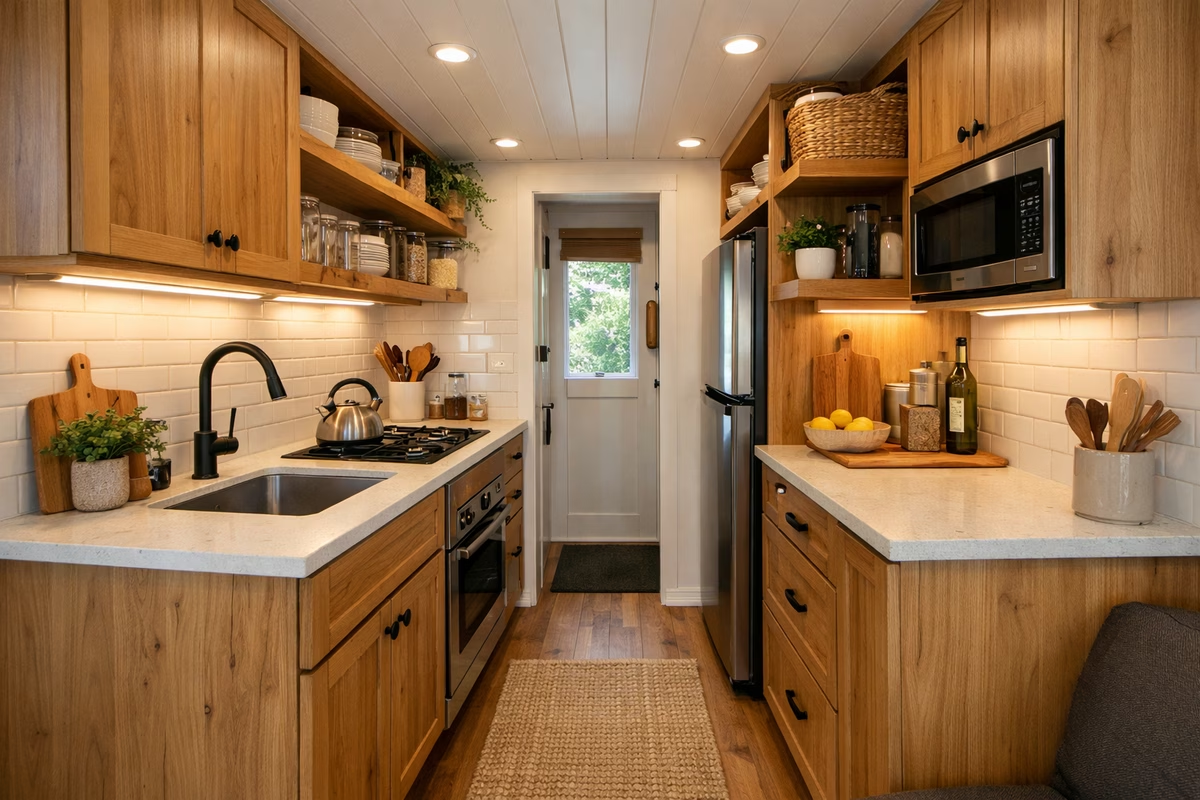
Cooking appliances are often chosen by size, but their success depends on what happens around them. A two-burner cooktop can be plenty when there is a clear landing zone for hot pans and a sink close enough to support cleanup. The same cooktop can feel cramped if every nearby surface is a storage overflow. A compact oven can be useful when baking is part of real life. It can become heavy dead space when it duplicates a toaster oven that does the daily work.
Ventilation belongs in the cooking decision from the start. Boiling water, frying, roasting, and dish washing add moisture and odors to a small air volume. A hood that exhausts outside is often the strongest solution when the build supports it. If the plan uses a recirculating hood, operable windows, fan placement, and ordinary cooking habits need to compensate. This is not only about comfort. It helps protect cabinets, bedding, and finishes from grease and humidity.
Fuel choice also changes the room. Electric cooking ties the kitchen to the electrical and possibly solar plan. Gas or propane cooking brings combustion, fuel storage, clearances, detection, and ventilation questions. The right answer depends on the whole home rather than a single preference. A tiny kitchen works best when cooking equipment, counter flow, and air movement were designed together.
Laundry Is a Time and Moisture Problem
Laundry appliances are tempting because they make the home feel complete. They also introduce water, drain capacity, vibration, lint, drying time, and service access. A compact washer can be a good fit for a full-time tiny home, especially when trips to laundromats would be difficult. It can be unnecessary complexity in a seasonal cabin or a home parked near shared laundry. A combination washer-dryer can solve a space problem while creating a time problem because cycles can be long and loads are small.
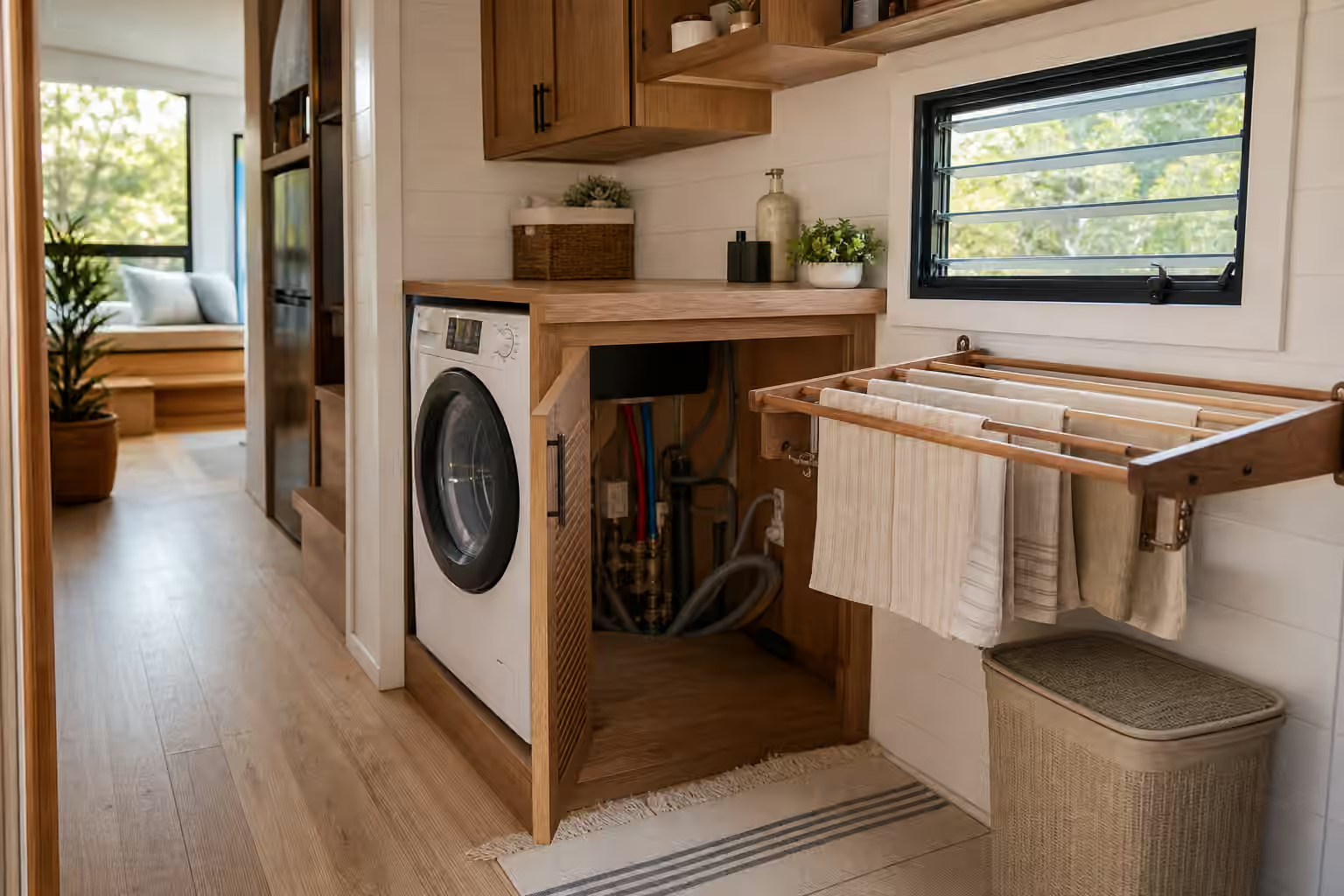
Drying deserves as much attention as washing. Even when a machine handles the spin cycle well, some items need air drying. That means rods, racks, hooks, exterior drying options, or a ventilated bathroom strategy. Wet fabric in a small room affects humidity quickly. The Tiny Home Laundry Planning guide covers this routine in more depth, but appliance planning should decide early whether laundry is a built-in system, a shared-site routine, or an occasional portable setup.
A washer also needs a place to move without damaging the cabinet around it. Vibration, leveling, shutoffs, drain access, and leak visibility matter. A machine hidden behind a beautiful panel is still a machine that will need hoses checked and filters cleaned. Leave enough space to work.
HVAC and Small Comfort Appliances Count Too
Appliance planning should include the comfort machines that often get treated separately: mini-splits, fans, dehumidifiers, air purifiers, portable heaters, water heaters, and pumps. These devices shape daily life as much as the fridge does. A mini-split head needs a clear throw path, a condensate route, service access, and a location that does not blow directly onto the bed all night. A dehumidifier needs a drain plan or a reachable tank. A water heater needs power or fuel capacity and room for maintenance.
Small plug-in devices can quietly multiply. Coffee grinders, induction burners, pressure cookers, fans, chargers, vacuum docks, and heated blankets all ask for outlets and storage. None of them is a problem by itself. The problem appears when the floor plan leaves only one good counter outlet or when devices live permanently on the prep surface because no cabinet can receive them.
Good appliance planning leaves a few practical landing places. A shelf with power for charging. A safe outlet near the coffee routine. A cabinet that can hold the device used twice a week. A wall that can accept a fan without blocking a window. These small choices make the home feel designed instead of improvised.
Weight, Replacement, and Service Access
Appliances are dense. In a tiny house on wheels, heavy machines should be considered alongside Tiny Home Weight, Balance, and Towing Readiness . A washer, fridge, battery bank, water heater, tile shower, and full pantry can concentrate load in ways the floor plan does not show. Even a stationary tiny home benefits from keeping heavy equipment low, supported, and reachable.
Replacement path is easy to overlook. If an appliance fails, can it leave the home without removing a wall, railing, stair, or countertop? Can a future owner buy a reasonably available size, or did the build depend on one unusual machine? Is the service panel accessible after trim is installed? Are shutoffs reachable without moving stored food or bedding? These questions sound unromantic, but they protect the home from becoming brittle.
The best appliance installations are quiet about their competence. Doors open fully. Filters can be removed. Panels can be reached. Vents are not blocked by baskets. Hoses can be inspected. The electrical panel remains available. The appliance has enough air to operate. The home does not need a perfect owner to keep functioning.
Make the Appliance Plan Legible
A simple owner record is part of the appliance plan. Keep model numbers, manuals, filter sizes, breaker locations, shutoff locations, clearances, warranty details, and photos from installation where they can be found later. This overlaps with Tiny Home Insurance and Documentation Readiness , but it is useful even without a claim. It helps with maintenance, repair calls, replacements, and future resale.
Before the plan hardens, walk through a day with appliances running in your mind. The fridge cycles while someone sleeps. The cooktop steams. The washer drains. The mini-split blows. The water heater recovers. Someone opens the fridge while another person stands at the sink. A filter needs changing. A breaker needs to be identified. If the design still feels calm under those ordinary conditions, the appliance plan is doing its work.
Tiny home appliances should make the home easier to live in, not merely more complete on paper. Right-sized machines, clear power assumptions, reachable service points, and honest routines will do more for daily comfort than one impressive feature squeezed into the last open cabinet.