Quiet Is a Design Choice
Tiny homes make sound honest. A kettle clicks, a water pump starts, rain hits the roof, a bathroom fan hums, a partner takes a call, and suddenly the whole house knows what is happening. That intimacy can be part of the appeal. It can also become the thing that makes a well-built tiny home feel tiring after the first few weeks.
Acoustic privacy is not only about blocking noise from outside. It is about giving daily life enough separation that people can sleep, work, cook, bathe, read, and recover without every routine becoming a shared broadcast. In a small home, the goal is not silence. The goal is control: some sounds should be softened, some should be kept away from sleep, some should be allowed to mask awkward moments, and some should be moved outside the main living volume entirely.
This belongs near the beginning of design, not at the end with pillows and curtains. The same discipline behind Design Principles applies here. A tiny home feels larger when routines have edges. Sound is one of those edges, even when the floor plan has very few walls.
Start With the Sounds You Already Make
The best acoustic plan starts with ordinary routines, not specialty materials. Think through a weekday from waking to sleep. Someone grinds coffee or boils water. A bathroom door closes. A laptop meeting begins. A mini-split fan changes speed. Dishes clatter in a shallow sink. A dog barks at the window. Laundry spins, rain drums overhead, and the refrigerator cycles on during the quietest part of the evening. None of these sounds is dramatic by itself. In a small volume, their timing matters.
Write the sound map as if it were a floor plan. The bathroom produces privacy-sensitive sound. The kitchen produces impact sound, fan noise, and short bursts of activity. The desk produces speech. The bed needs the longest quiet period. The utility cabinet may produce pump, inverter, or ventilation noise. The entry brings in outside voices, gravel crunch, and door hardware. Once those patterns are visible, the layout can respond before walls, plumbing, and wiring make the answers expensive.
This is especially important for shared tiny homes. One person may be awake before sunrise while another sleeps in a loft. One person may work remotely while another cooks lunch. A guest may use the bathroom within a few feet of the main seating area. A baby, pet, or night-shift schedule changes the sound priorities again. Tiny living rewards honesty about these differences. A home designed only for a quiet solo occupant can feel very different when two people are living real lives inside it.
Separate Noisy Routines Before Buying Materials
Acoustic products cannot rescue a layout that places every noisy routine beside the bed. The first tool is distance, even when the distances are small. A bathroom at the far end of a short home can still feel more private than one opening directly beside the dinette. A desk tucked behind a partial partition may work better than a desk in the center aisle. A water pump mounted below the sleeping platform may save cabinet space but punish the person trying to rest.
The strongest tiny home plans use layers rather than pretending one wall will do everything. A bathroom might sit behind a door, a short hall, and a storage wall. A sleeping nook might use a curtain, a bookshelf, and a change in ceiling height to feel separate. A desk might be placed away from the kitchen sink so dishes are not the soundtrack for every call. These moves are not glamorous, but they change the home more than a decorative acoustic panel applied after move-in.
Privacy also has a visual side. The Tiny Home Window and Daylight Planning guide talks about sight lines after dark, and the same thinking supports acoustic comfort. If a window faces a shared driveway or neighbor’s porch, the home may need shades closed more often. Closed shades change the sound of the room, reduce outdoor connection, and can make the interior feel smaller. Placing openings toward calmer sides of the site can reduce both noise and exposure.
Doors and Dividers Need More Than Symbolic Separation
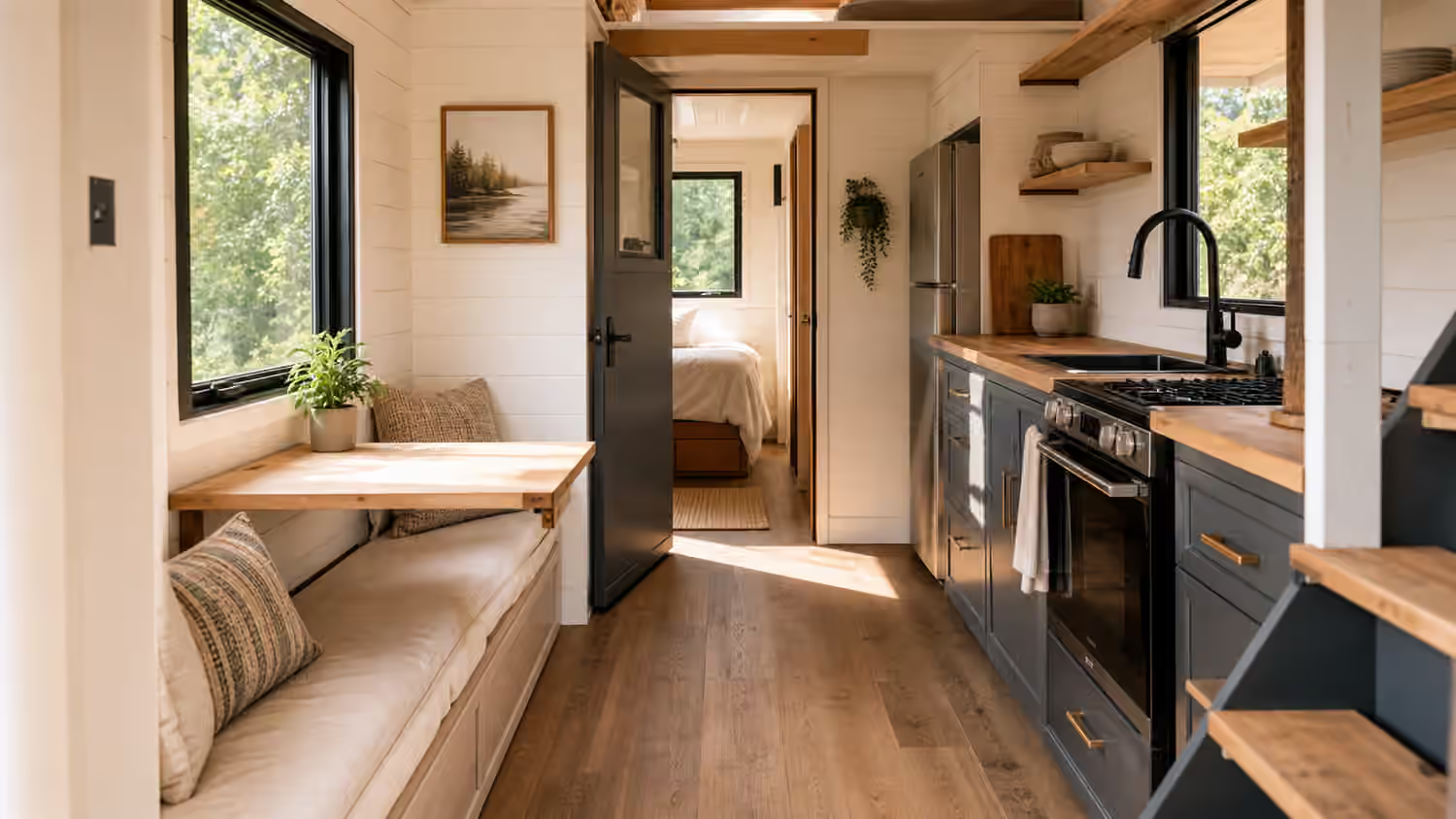
Tiny homes often use barn doors, pocket doors, curtains, or partial screens because full swing doors consume precious clearance. These can be good choices, but they should be chosen with acoustic expectations in mind. A barn door with large gaps at the sides may look finished while offering little bathroom privacy. A thin curtain can create visual softness but will not block a phone call. A pocket door may save space, but if the wall cavity is hollow and unsealed, sound can slip around it easily.
Sound isolation likes mass, seals, and interrupted paths. A heavier solid-core door usually performs better than a hollow lightweight panel. Weatherstripping or soft gasketing can reduce the crack around a door without making the room feel sealed shut. A door sweep can help at the bottom if it does not scrape, trap moisture, or create an accessibility problem. Where a real door is impossible, a thick textile divider with generous overlap can soften speech and make the boundary feel more intentional.
Still, every divider has to cooperate with air. Bathrooms need exhaust. Sleeping areas need ventilation. Utility cabinets need cooling or service access. A perfectly sealed tiny room can become stale, damp, or uncomfortable, especially near showers and beds. The trick is to separate sound without defeating the moisture and air strategy described in Ventilation and Moisture Control . Quiet should not come at the cost of hidden humidity.
Soft Surfaces Absorb, They Do Not Magically Soundproof
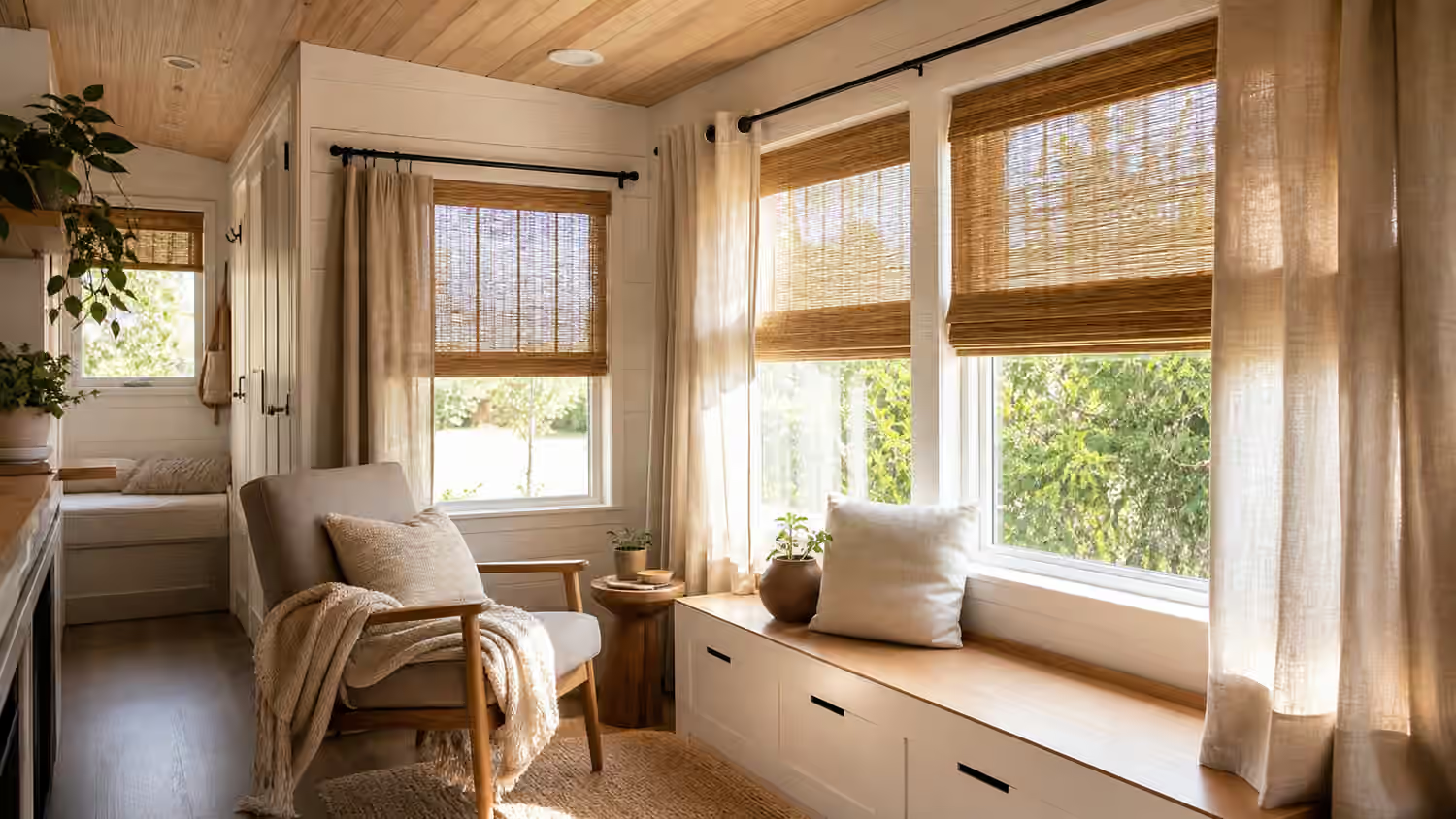
Rugs, curtains, cushions, fabric shades, upholstered benches, cork panels, wood slats with backing, books, and textile wall hangings can make a tiny home sound calmer. They reduce echo and shorten the bright, hard reflections that make every spoon and sentence feel louder. This is absorption. It improves the quality of sound inside the room.
Absorption is different from isolation. A rug can make footsteps less sharp, but it will not stop a generator outside the window. A curtain can soften a sleeping nook, but it will not provide the privacy of a well-fitted door. A cork board can reduce glare in the sound, but a thin decorative panel does not turn a bathroom wall into a studio wall. Understanding the difference prevents disappointment and helps each material do the job it is actually good at.
Tiny homes need soft surfaces for more than acoustics. They also make the room feel less brittle and more human. The challenge is choosing softness that still works with storage, cleaning, and moisture. A thick rug near the entry may catch dirt. Heavy curtains near a damp window may trap condensation. Upholstered bench storage can become stale if the cavity below never breathes. Tiny Home Storage Planning is useful here because acoustic comfort often relies on the same built-ins that hold daily life.
The best softening is distributed. One rug, one textile divider, a few fabric-backed seats, and a wall of books can do more than one expensive panel in the wrong place. Aim to soften the surfaces near the noisy activity and the surfaces opposite it. If the kitchen sink faces a hard wall, that wall will throw dish noise back into the room. If the desk sits between glass and a blank plywood surface, speech will feel more exposed. Small changes in finish can make a small room stop shouting.
Mechanical Noise Deserves Its Own Plan
Some of the most persistent sounds in a tiny home come from systems that are easy to hide in drawings. Water pumps vibrate. Fans hum. Refrigerators cycle. Inverters and charge controllers may buzz faintly. Mini-splits move air. Composting toilet fans, range hoods, dehumidifiers, and tankless water heaters each add their own pattern. If those sounds are planned only after the layout is fixed, the solution is often a compromise.
Start by keeping mechanical equipment away from the bed when possible. If it must be near the sleeping area, isolate vibration with appropriate mounts, flexible connections, and solid blocking that does not turn the whole cabinet into a drum. A pump fastened tightly to a thin plywood panel can sound much louder than the pump itself. Pipes can transmit vibration through cabinets and walls, especially when they are clipped without any thought to noise. The plumbing ideas in Tiny Home Water Systems and Plumbing become acoustic ideas as soon as the pump turns on at night.
Fan selection should include sound, not only airflow. A loud bathroom fan may move air well, but people avoid using equipment that makes the home unpleasant. A quieter fan that runs consistently can perform better in real life than a powerful fan that gets switched off too soon. The same is true of range hoods and ventilation equipment. Sound ratings, duct routing, bends, exterior terminations, and mounting details all affect whether the equipment becomes part of the home or an irritation people work around.
Electrical planning matters too. If internet gear, battery equipment, or a work setup lives in the main room, the outlets and cabinets should allow chargers, routers, and backup power gear to sit where their small noises and indicator lights do not disturb sleep. Tiny Home Electrical Planning covers the service side. The acoustic version is to avoid creating one humming wall beside the pillow.
Protect Sleep, Work, and Bathroom Privacy First
Every tiny home has a few zones where privacy matters more. Sleep is one. Work is another. The bathroom is usually the most sensitive. If those three zones are handled well, the rest of the home can be more relaxed.
Sleeping areas need quiet, but they also need air and temperature control. A loft may be visually separate while still hearing everything from below. A main-floor bed may be easier on the body but harder to separate from the kitchen and entry. The Tiny Home Sleeping Layouts guide is a natural companion because sleep comfort is never only about mattress size. A sleeping nook with a curtain, a soft wall surface, a low-noise fan path, and a little distance from the bathroom can feel much calmer than an exposed bed surrounded by hard finishes.
Work zones need speech control. Remote calls expose how little privacy a tiny home has. A desk near the center of the plan may be convenient until every dish, door, and footstep enters the microphone. A desk with a fabric panel behind it, a rug below it, and a bookcase or partial wall nearby can sound better and feel less exposed. Good lighting also helps because people speak more comfortably when they are not fighting glare, squinting into a window, or moving around to find a usable background.
Bathrooms need the most realistic expectations. A tiny home bathroom will not feel like a room across a long hallway unless the plan gives it real separation. Door fit, fan sound, wall construction, sink placement, and the direction the door opens all matter. Sometimes the kindest move is to let a small fan provide steady sound masking while the bathroom is in use. That masking should not be a substitute for ventilation, but it can make the room feel less exposed.
Use the Site as Part of the Acoustic Plan
The site can either help the home feel quiet or make every interior fix work harder. A tiny home beside a gravel drive, shared workshop, road, livestock area, heat pump, generator pad, or neighbor’s deck will have different needs than one tucked behind trees. Before choosing the final orientation, stand where the home will sit and listen at the times people will actually be home. Morning traffic, evening gatherings, weekend tools, wind direction, and rain on nearby metal roofs can all shape the experience.
Orientation can do useful work. Put fewer or smaller windows toward the noisy side when the view is not worth the tradeoff. Place the entry where arrivals do not cut directly past the sleeping wall. Keep outdoor mechanical equipment away from bedroom windows when possible. Use porches, sheds, fences, planting, and grade changes as acoustic buffers when they fit the site and local rules. Site Prep and Setup already treats the pad as part of the home. Sound is one more reason that placement matters before the delivery truck arrives.
Rain and wind deserve attention too. Metal roofs, light siding, exposed undersides, loose exterior trim, and flapping shade hardware can make weather louder than expected. Some people love rain noise. Others sleep poorly under it. Roof assembly, insulation, ceiling finish, and fastener details can all change how weather sounds indoors. If quiet sleep is a priority, do not treat the exterior shell as only a thermal or waterproofing decision.
Make Quiet Maintainable
Acoustic details should survive use. A thick curtain that drags on the floor will collect dust and stop being used. A door seal that makes the bathroom door hard to close will be removed. A pump box that reduces noise but blocks service access will cause trouble later. A rug that cannot be cleaned in a muddy climate will disappear after the first hard season. Quiet has to be convenient enough to remain part of daily life.
Maintenance also includes noticing when the home’s sound changes. A fan that grows louder may have a dirty grille, worn bearing, or blocked duct. A pump that rattles more than usual may have a loose mount or a pressure issue. A door that starts slamming may need hardware adjustment before it damages trim. The Tiny Home Maintenance habit applies to acoustics because sound is often the first sign that something has shifted.
The final test is simple: walk through the plan as a normal day, then as a hard day. Someone is sleeping. Someone is sick. Someone has a work call. Rain is falling. The bathroom is in use. Dinner is being cleaned up. The pump runs. The fridge starts. If every sound arrives everywhere at the same volume, the home needs more acoustic planning. If the important zones have just enough separation, the small space can feel close without feeling exposed.
Tiny homes do not need to be silent to be peaceful. They need rooms, routines, and materials that respect the way sound travels through a compact shell. When quiet is planned alongside storage, light, ventilation, and sleep, the home becomes easier to share with other people and easier to inhabit alone.