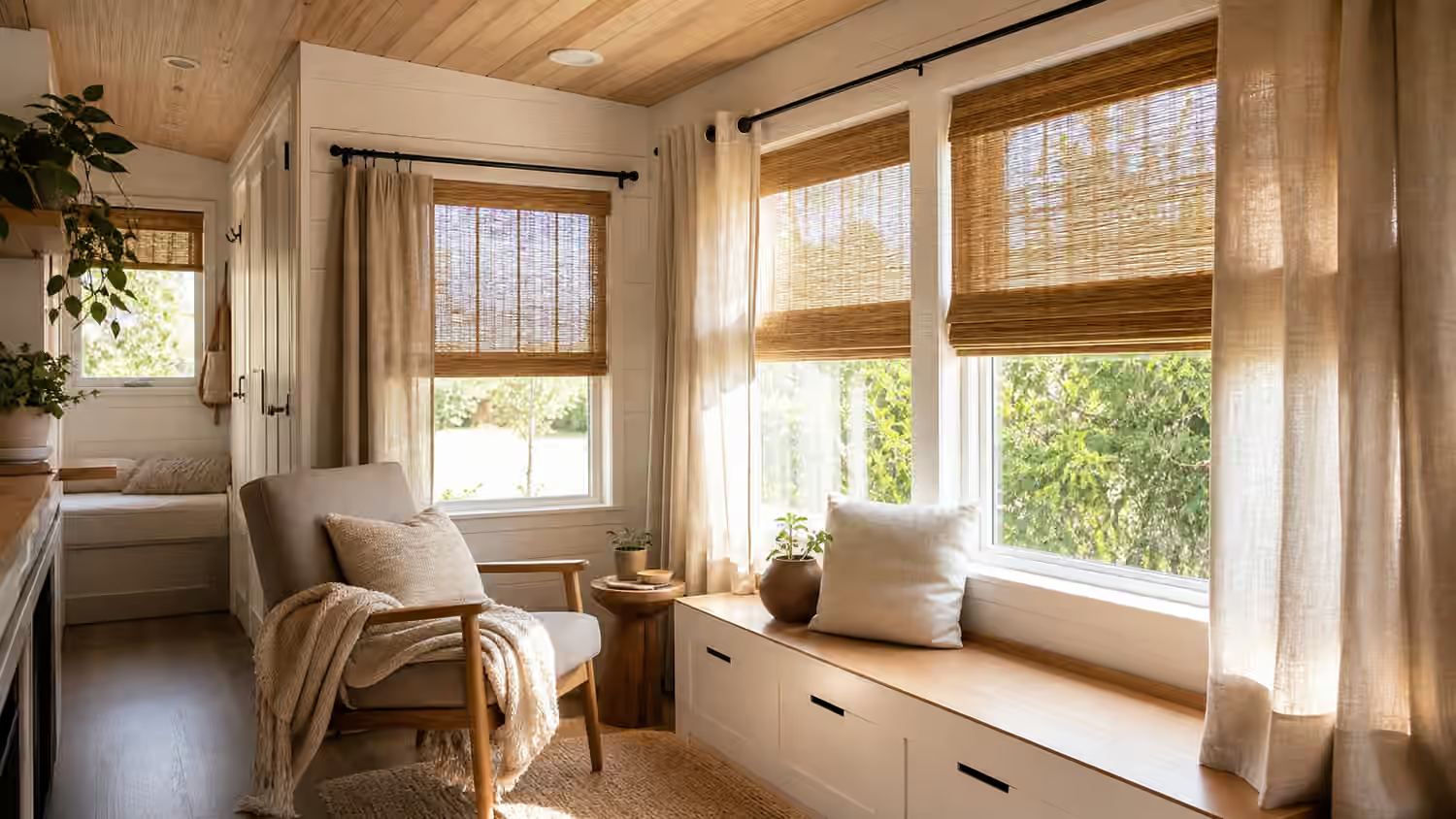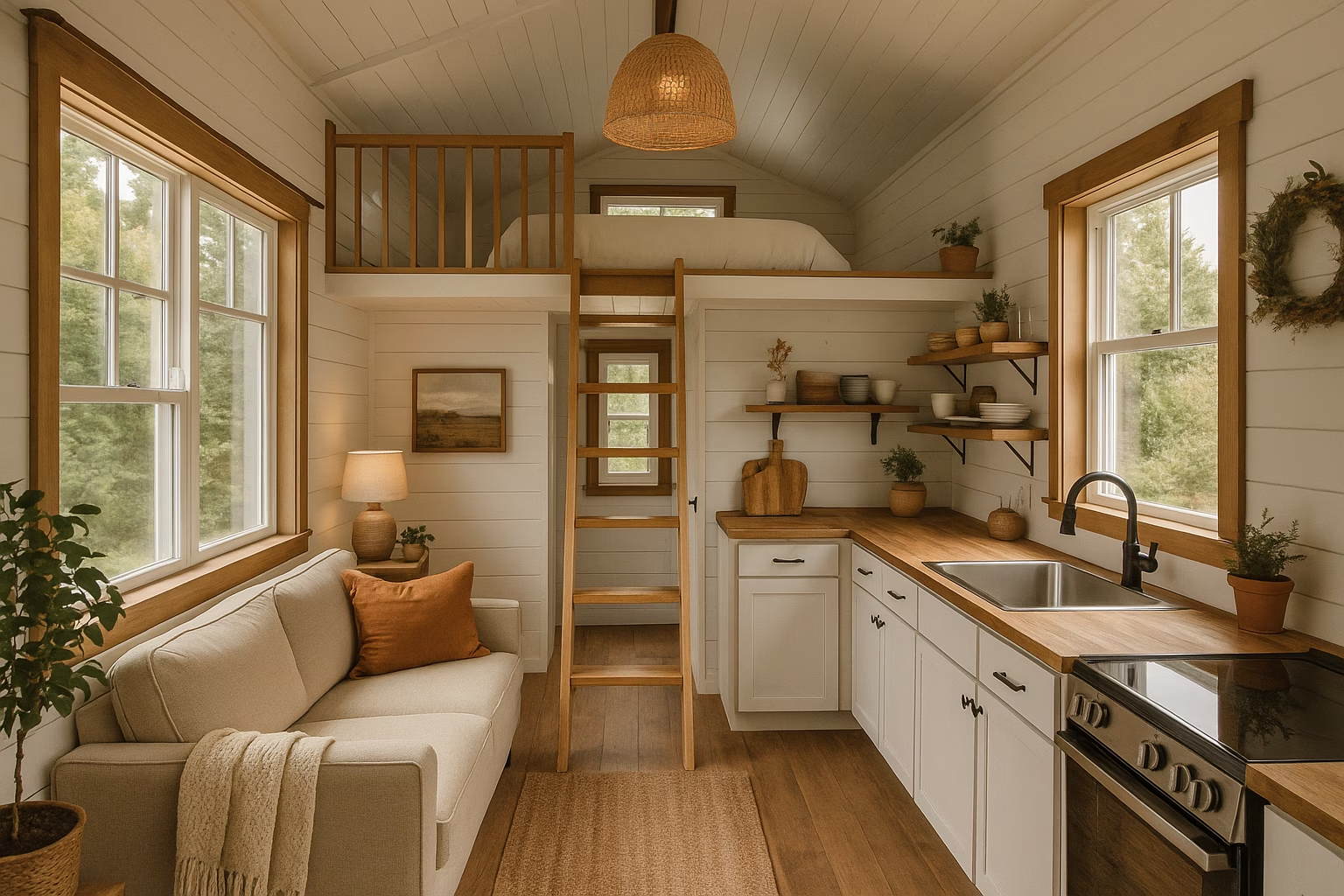
Designing the interior
Tiny home design is about making small spaces work without feeling cramped. Every part of the room needs a job.
When it works, you can move easily, put things away without a fight, and live in the space without thinking about the layout all day.
Start with layout and storage. Then add furniture, color, light, and finishes.
Layout Principles
Open Concept Maximizes Space
Open concept works because the eye and the light can move through the space. It also keeps you from losing space to extra walls.
But open does not mean unclear. Use rugs, lighting, shelves, and changes in height to mark the zones.
The Living Zones
Think in zones, not rooms. In a tiny home, the same space often does two jobs.
Sleeping zone (often 50–80 sq ft of “dedicated” area)
The biggest choice is loft or main floor. A loft saves floor space. A main-floor bed is easier to live with for some people.
Living zone (often 40–80 sq ft)
Your living zone should match how you actually spend evenings. If you host, use comfortable seating and a table that can grow. If you work from home, make room for a real desk.
Multifunction helps, but only if it is easy to use.
Kitchen zone (often 25–40 sq ft)
Tiny kitchens can feel fine if the workflow works. Give yourself enough counter space and storage for how you actually cook.
Bathroom zone (often 15–30 sq ft)
In bathrooms, clear layout matters. Keep the shower and toilet from crowding each other, and use wall storage where you can.
Storage “zone” (distributed rather than concentrated)
In a tiny home, storage is spread out. Use under-bed space, under-bench space, stair storage, and high shelves. Make putting things away easy.
Furniture Selection
Size Matters
Tiny spaces punish guessing. Measure the room and map the furniture on the floor before you buy anything.
Scale down both length and depth. A loveseat often works better than a full sofa, and slim furniture keeps walkways usable.
Furniture Dimensions Guide:
| Item | Standard | Tiny Home | Space Saved |
|---|---|---|---|
| Sofa | 84" x 36" | 60" x 30" | 22.5 sq ft |
| Dining table | 72" x 36" | 48" x 24" | 10 sq ft |
| Bed (Queen) | 60" x 80" | 54" x 75" | 6.5 sq ft |
| Refrigerator | 36" x 30" | 24" x 24" | 2 sq ft |
Multi-Functional Furniture
Multifunction furniture is most useful when it replaces a whole category of object. A lift-top table can replace a desk. A storage ottoman can replace a cabinet.
Murphy beds are useful on the main floor because they give the space back during the day.
Built-In vs. Freestanding
Built-ins fit the space exactly and can hide storage. Freestanding pieces keep you flexible.
A good mix is common: build in the structure, keep the furniture flexible.
Storage Solutions
The Golden Rule: 40% Storage
Storage is what keeps a tiny home calm. Plan for more of it than you think you need.
Some visible storage is fine, but most of it should stay hidden.
Clever Storage Ideas
The best tiny-home storage follows the task. Put things where your hands already go.
Vertical storage is the biggest help. Use wall shelves, tall cabinets, and dead space like stair compartments and above-door shelves.
In kitchens and bathrooms, keep the counters clear.
Color and Light
Color Psychology for Small Spaces
Color changes how big the room feels. Light colors usually make it feel larger. Dark colors can work too, but they are better as accents.
A neutral base is the easiest choice. Add personality with textiles, art, plants, and one accent color.
Lighting Strategy
Lighting matters more than decoration. Use a mix of general light, task light, and a little accent light.
Natural light helps the most, so keep windows where you will use them.
Materials and Finishes
Flooring
Tiny homes have two extra limits: weight and moisture. Flooring should be durable and easy to clean.
LVP is popular because it is light and water resistant. Tile is heavy. Hardwood can look nice, but it is more sensitive to moisture.
One floor throughout makes the space feel bigger.
Wall Treatments
Walls affect the feel of the whole home. Painted drywall is simple. Wood paneling adds warmth.
If you are unsure, keep the walls neutral and add personality elsewhere.
Countertops
Countertops are mostly about durability and upkeep. Butcher block is warm but needs sealing. Laminate is affordable. Quartz is durable but heavy.
Decorating Tips
Less is More
The best decoration strategy is to keep the room calm. Clear surfaces are restful.
Use the one-in-one-out rule so clutter does not creep back in.
Add Personality
Personality does not require clutter. A few deliberate choices matter more than a lot of small ones.
One rug, a few plants, and a small amount of art are enough.
Create Focal Points
Focal points help the room feel planned. One per zone is enough.
Texture Over Pattern
Patterns can overwhelm a small space. Texture is safer.
Common Mistakes to Avoid
Most tiny-home interiors fail for simple reasons. Too much furniture. Wrong scale. No vertical storage. Blocked light. No place for things to live.
Keep the walkways clear and leave some floor visible.
Style Inspiration
Modern Minimalist
Characteristics:
- White/gray palette
- Clean lines, no ornamentation
- Hidden storage
- Sleek appliances
- Minimal decor
Furniture:
- Low-profile sofa
- Simple shelving
- Integrated appliances
Rustic/Farmhouse
Characteristics:
- Natural wood (stained or painted white)
- Shiplap walls
- Vintage accents
- Warm, cozy
- Open shelving
Furniture:
- Reclaimed wood table
- Vintage finds
- Farmhouse sink
Scandinavian
Characteristics:
- Light wood (birch, ash)
- White walls
- Pops of color (muted)
- Functional, simple
- Lots of natural light
Furniture:
- Clean-lined wood pieces
- Minimal decor
- Woven baskets
Industrial
Characteristics:
- Exposed structure
- Metal accents
- Concrete or wood floors
- Edison bulbs
- Pipe shelving
Furniture:
- Metal-framed bed
- Industrial shelving
- Vintage metal lockers
Bohemian
Characteristics:
- Layered textiles
- Plants everywhere
- Global accents
- Warm colors
- Eclectic mix
Furniture:
- Low seating
- Moroccan rug
- Macrame, textiles
Next Steps
- Explore Design Principles for space planning
- Check Building Guide for built-in construction
- Browse Tiny Home Database for real interior inspiration
Your tiny home interior should work for your life first. Start with layout and storage, then add your own style.
Bring the idea back to the floor plan
After reading Tiny Home Interior Design, picture the idea inside a real tiny home. Where does a person stand, sit, sleep, cook, shower, work, store shoes, open a cabinet, or pass another person? Small spaces make abstract advice physical very quickly.
Use tape, measurements, and mockups before committing. A dimension that looks fine on paper may feel tight when a door swings, a drawer opens, or a guest needs to pass. The best tiny-home decisions are tested at human scale.
Also ask what the choice will require later. Cleaning, winterization, repairs, ventilation, moisture control, towing, code, insurance, and resale can all matter after the pretty design moment passes.
A good guide should make the home more livable, not just more clever. The smallest spaces need the most honest thinking.