The first winter in a tiny home teaches you a surprising truth: cold is rarely the problem.
The real problem is water—water vapor in the air, water in pipes, water condensing where you can’t see it. Winter is when a tiny home stops being an idea and becomes a system. The same smallness that makes it efficient also makes it sensitive. Every shower, every pot of soup, every wet jacket by the door changes the entire interior climate.
My first cold season in a tiny home began with confidence. The insulation looked solid. The heater was rated for more square footage than I had. The windows were new and tight.
Then the first truly cold night arrived, and by morning the windows were crying. Condensation pooled on the sills in a way that made the home feel… vulnerable. Cozy, yes. But also like it was quietly losing a fight.
This guide is the calm version of that winter: how to stay comfortable, protect your systems, and prevent the moisture problems that tiny homes can’t hide.
The winter triangle: comfort, moisture, and resilience
Tiny-home winter success is a balance of three needs:
- Comfort: warm air, warm surfaces, and no drafts.
- Moisture control: ventilation that keeps humidity from becoming condensation.
- Resilience: systems that don’t fail when temperatures drop.
If you over-focus on any one corner, the other corners push back.
A heater can make you comfortable while your windows sweat. Aggressive ventilation can keep things dry while making the home feel drafty and expensive to heat. Freeze protection can keep plumbing safe while encouraging you to ignore the humidity building in the air.
Winter is where you learn to tune the whole instrument.
The first surprise: a tiny home can be warm and still feel cold
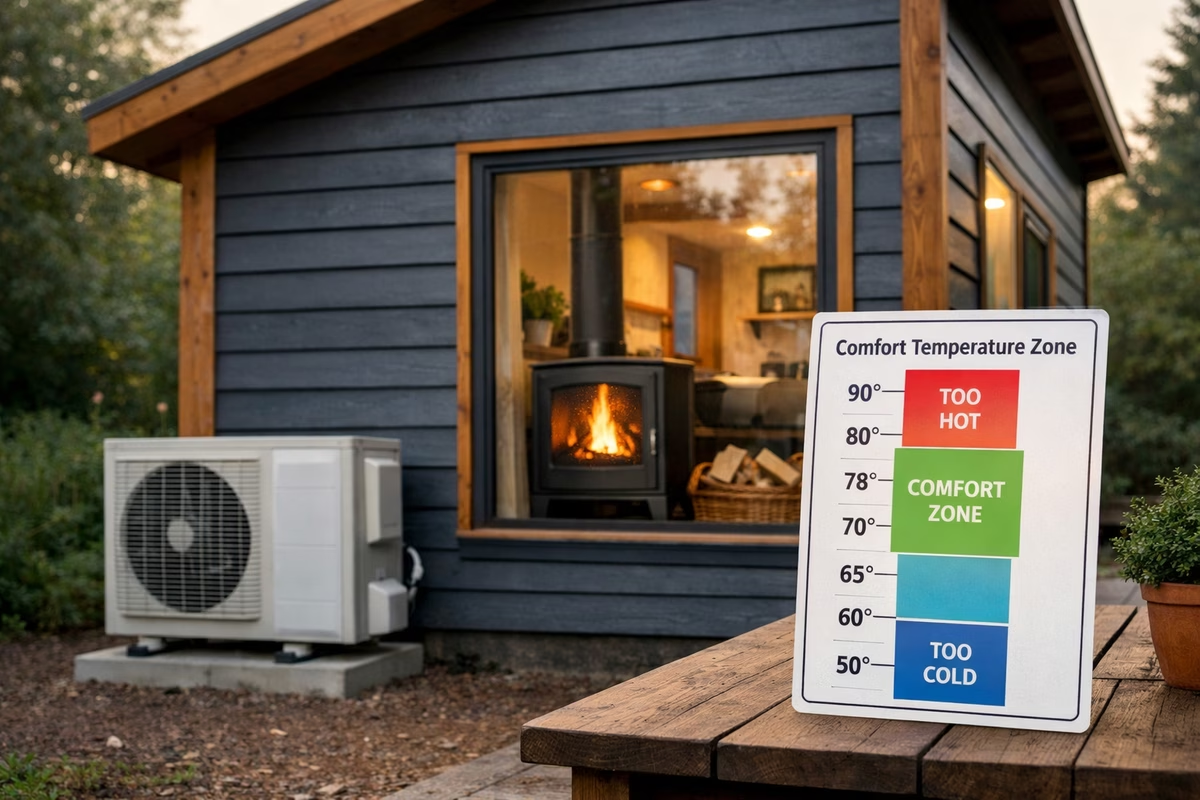
Warm air doesn’t automatically create comfort.
In winter, comfort is mostly about mean radiant temperature—the temperature of the surfaces around you. If your windows and walls are cold, your body loses heat to them even if the air reads “70°F.”
This is why people say things like, “The thermostat says it’s warm, but I’m freezing.”
Practical fixes that don’t require rebuilding:
- Seal obvious drafts (door sweeps, window latches, penetrations around plumbing/electrical).
- Use curtains intentionally: open them for daytime solar gain; close at night to reduce radiant loss.
- Put a rug underfoot if your floor is cold (it’s a comfort hack as much as décor).
If your home is on wheels, remember that trailers are excellent at conducting cold. The floor assembly matters more than most people expect.
The second surprise: you become a humidifier
In a small space, “normal life” is a significant moisture load.
Two people breathing, cooking, and showering can push interior humidity high enough to create condensation—especially on cold surfaces like glass, metal fasteners, and trailer members.
The winter goal is not desert-dry air. It’s air dry enough that your coldest surfaces stay above dew point.
Most tiny homes are happiest around 30–50% RH in winter, with the lower end often necessary in colder climates.
The calm fix: ventilation that doesn’t feel like punishment
A tiny home can be airtight and still have moisture problems. Airtightness is good; the missing piece is controlled ventilation.
If you have a bathroom fan and a range hood, winter is when you start treating them like primary systems, not occasional buttons.
A practical routine:
- Shower: run the bathroom fan during and for 20–30 minutes after.
- Cooking: use the range hood for boiling and simmering (especially pasta, soup, rice).
- Drying gear: avoid drying clothes indoors without ventilation; if you must, ventilate aggressively.
If your home has an ERV/HRV, winter is when it earns its keep. The comfort difference is real: you can exchange air without losing as much heat.
If you don’t have one, you can still be effective. “Ventilation” can be as simple as exhausting humid air and letting dry outside air replace it—then heating that air with a system you trust.
The plumbing chapter: protect water like it’s your phone
The first freeze event is the one that rewrites your habits. Not because it’s dramatic, but because it’s expensive.
Freeze protection is about three things:
- Where your pipes run (inside the thermal envelope is the goal).
- How exposed your undercarriage is (wind makes cold more aggressive).
- What you do on the coldest nights (habit matters).
If you’re on wheels, wind under the trailer can turn “32°F” into “why is the pump making that sound?”
Practical winter resilience moves:
- Know where your vulnerable lines are: exterior hose bibs, under-sink supply lines near outer walls, runs near doors.
- Insulate and air-seal the skirt/undercarriage where possible; stopping wind is as important as adding insulation.
- Use heat tape correctly (rated, installed per manufacturer, not overlapped).
- Disconnect and drain external hoses during freeze events unless they’re rated and protected.
And the simplest, most boring move that saves more plumbing than any gadget:
If you’re leaving for multiple days in freezing weather, consider winterizing or at least shutting off water and draining vulnerable lines.
The story moment: the night I learned to trust a hygrometer
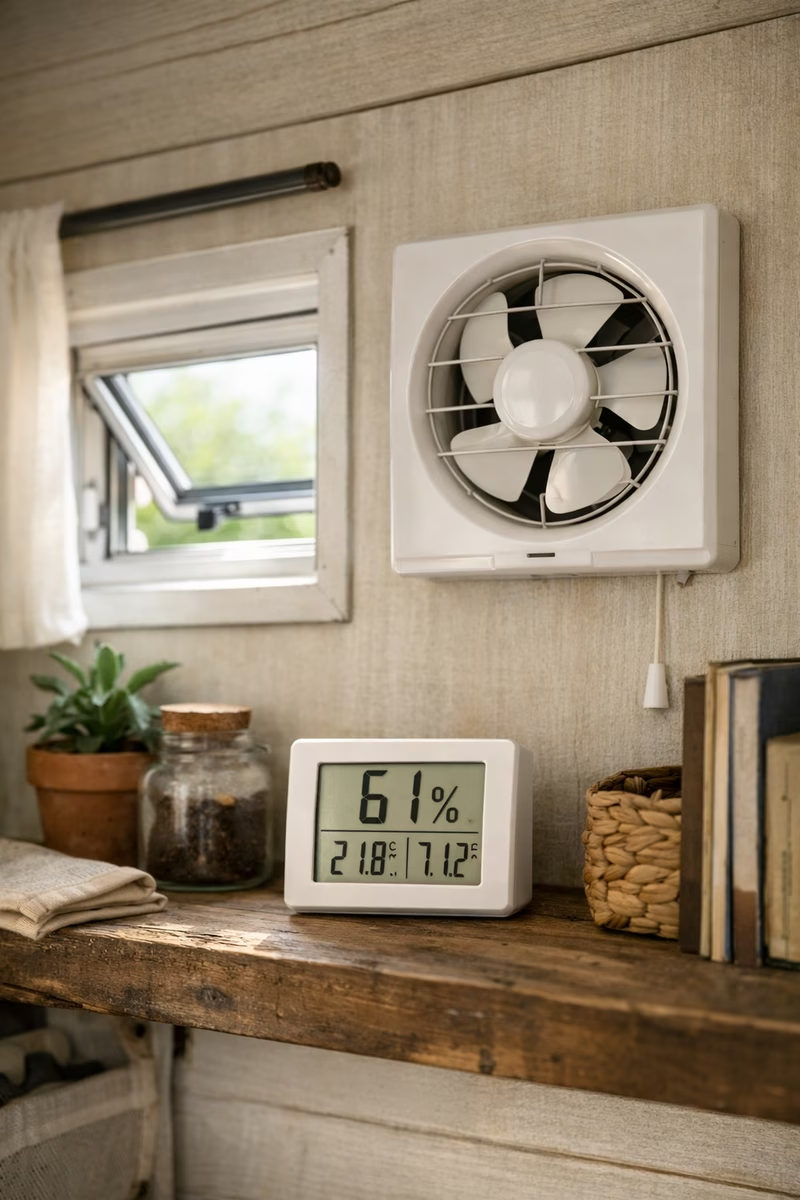
After the second morning of wet windows, I stopped guessing and bought a small hygrometer. It felt silly—another tiny gadget for a tiny house.
It was the opposite. It turned winter from vibes into data.
I learned that my “cozy” evening routine—simmering dinner, taking a hot shower, drying a towel near the heater—was pushing humidity into the 60s. That number felt harmless until I looked at the weather forecast and realized the glass was going to be cold enough to turn that humidity into liquid water.
Once I could see humidity climbing in real time, the fix became easy. I ran fans earlier. I cracked a window for five minutes while cooking. I stopped trying to win winter with heat alone.
That’s the tiny-home winter secret: the best move is often a small, early move.
What “good winter living” feels like
A tiny home that is winning winter feels boring in the best way.
The air is warm but not stuffy. The windows are clear most mornings. The bedding feels dry. The bathroom doesn’t smell damp. The heater cycles without desperation. The plumbing doesn’t make you nervous.
You get there by treating winter as a season of systems:
- Warm surfaces + sensible drafts control
- Predictable ventilation
- Freeze-aware plumbing habits
If you want the deeper technical model behind the condensation side of the story, read Ventilation & Moisture Control and keep it nearby for troubleshooting.