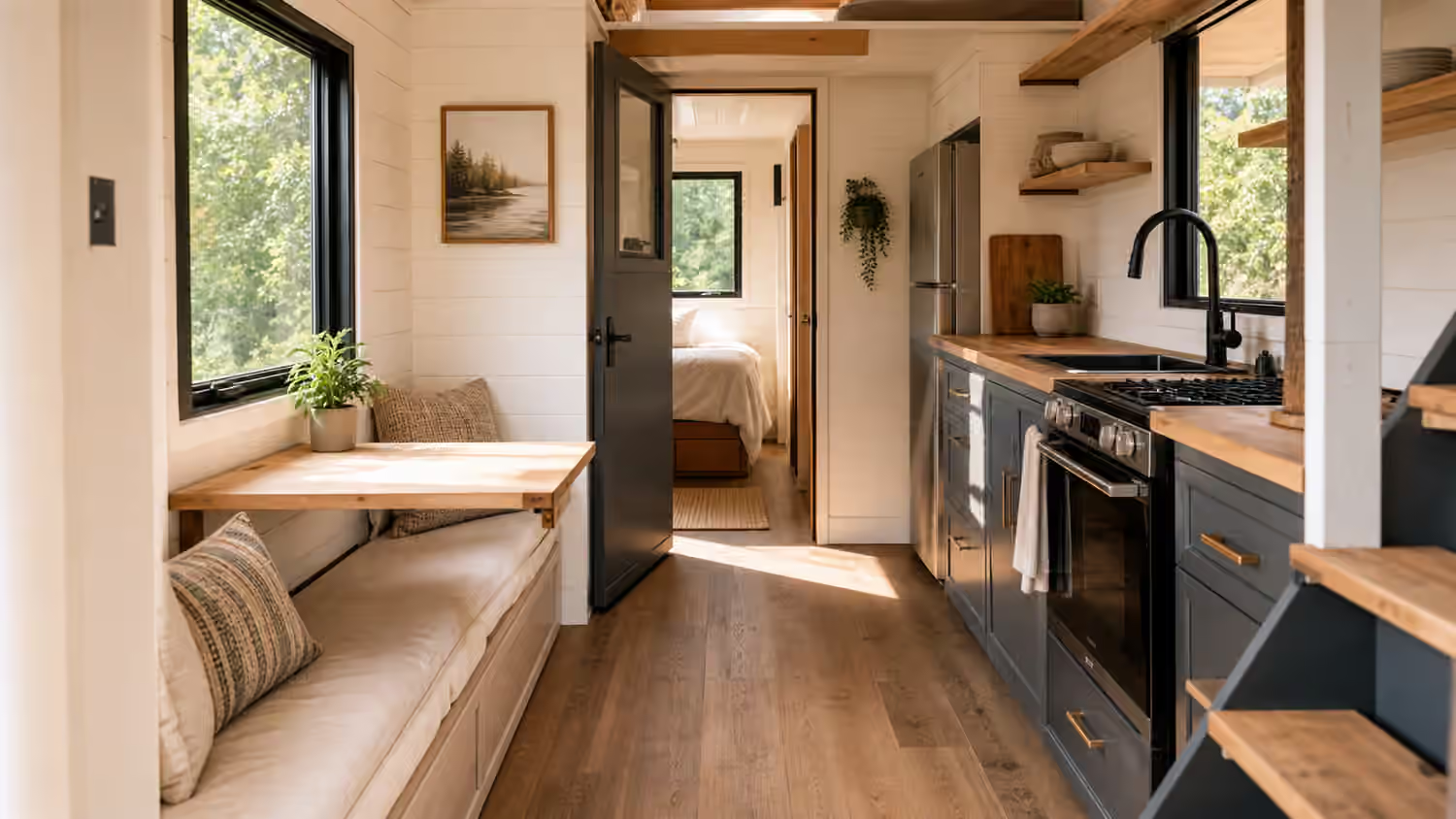
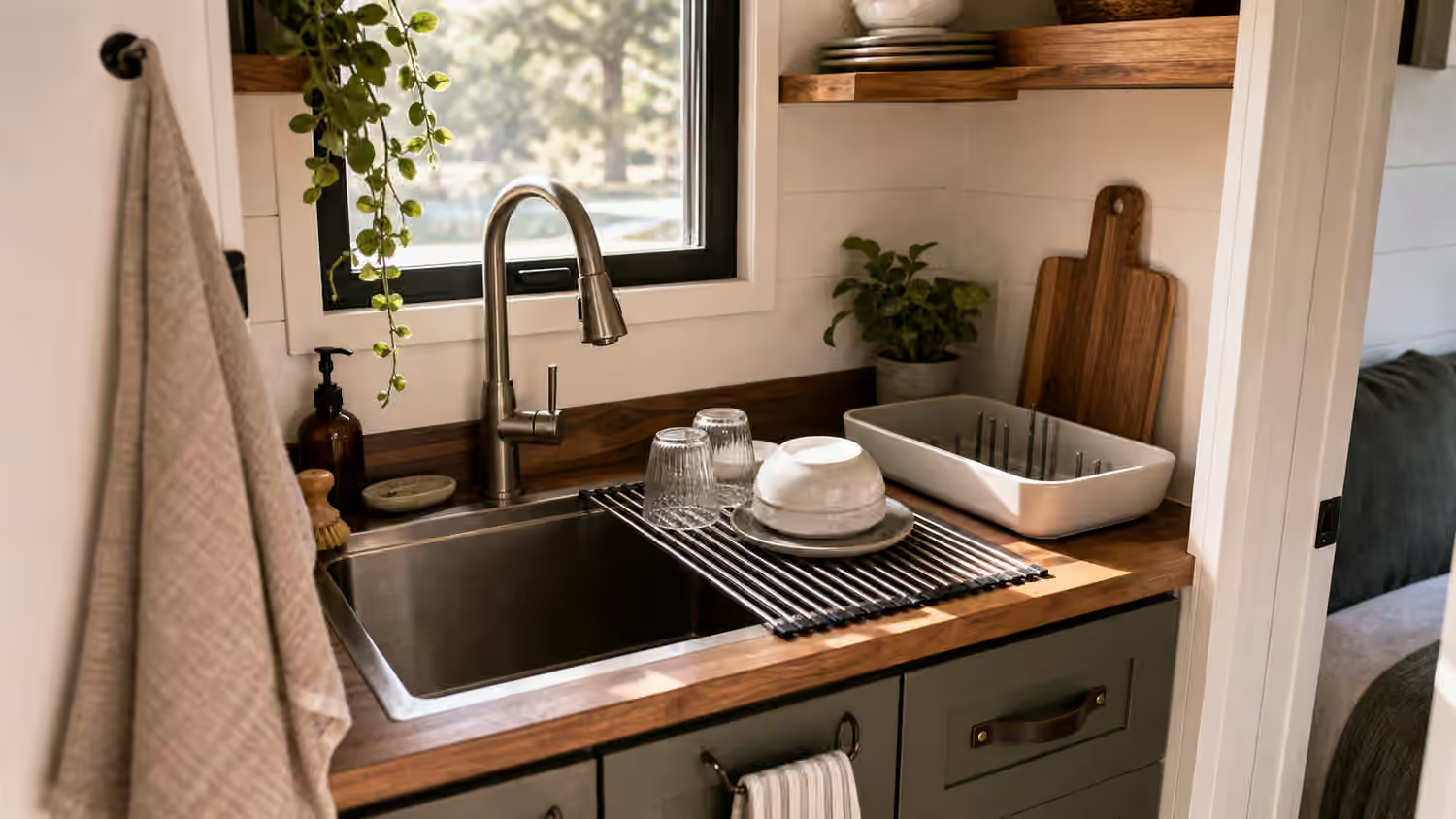
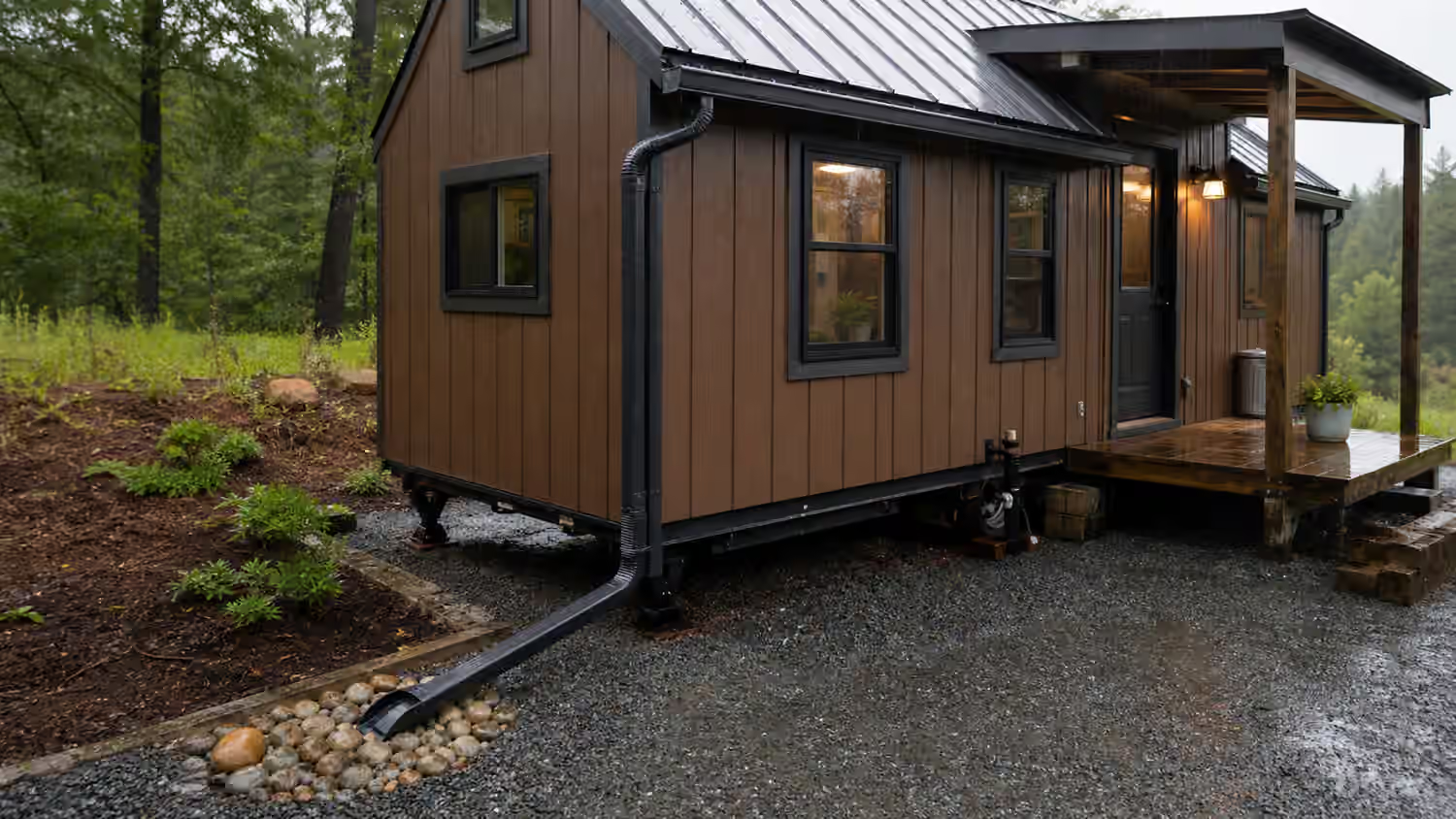
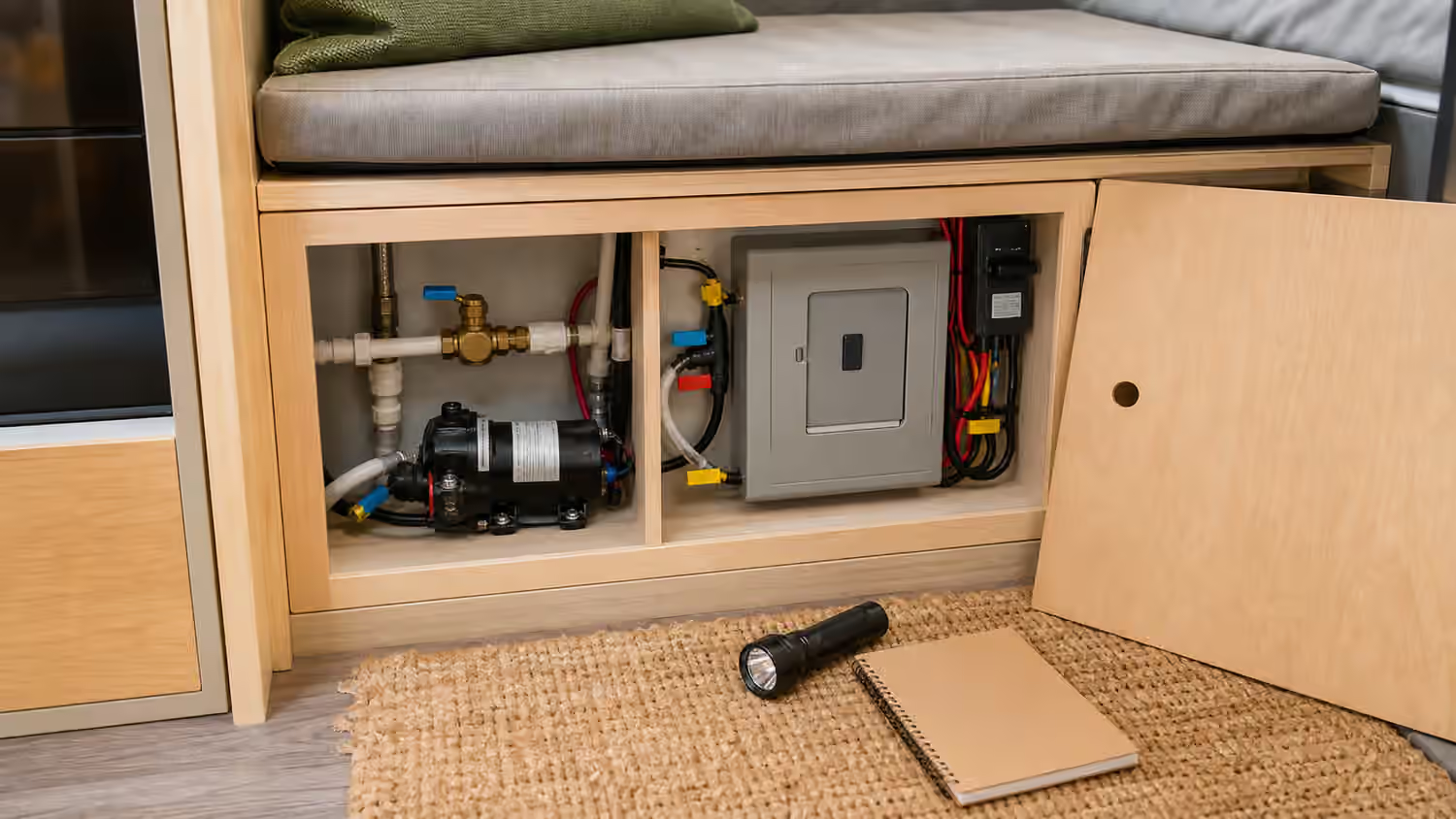
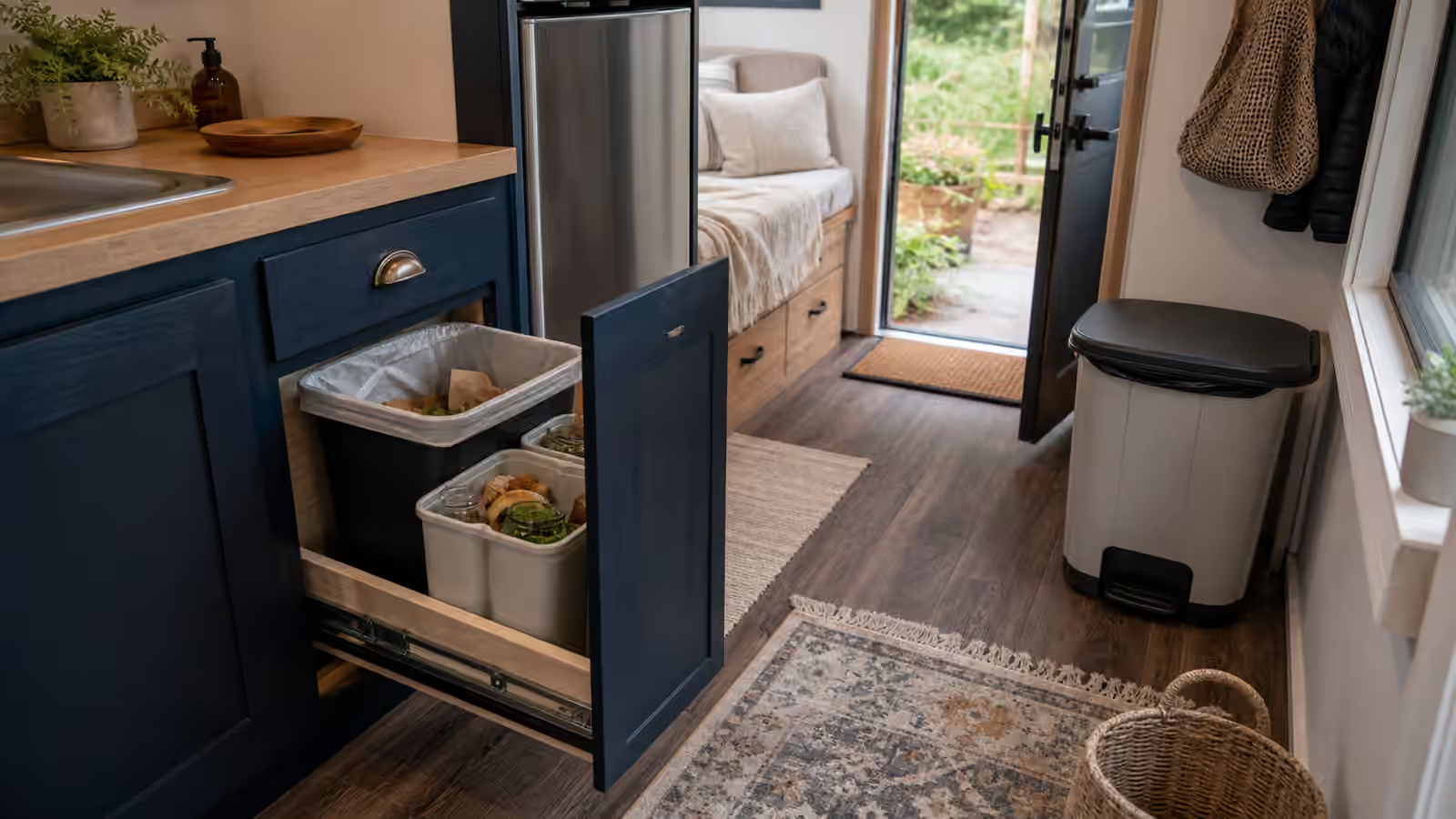
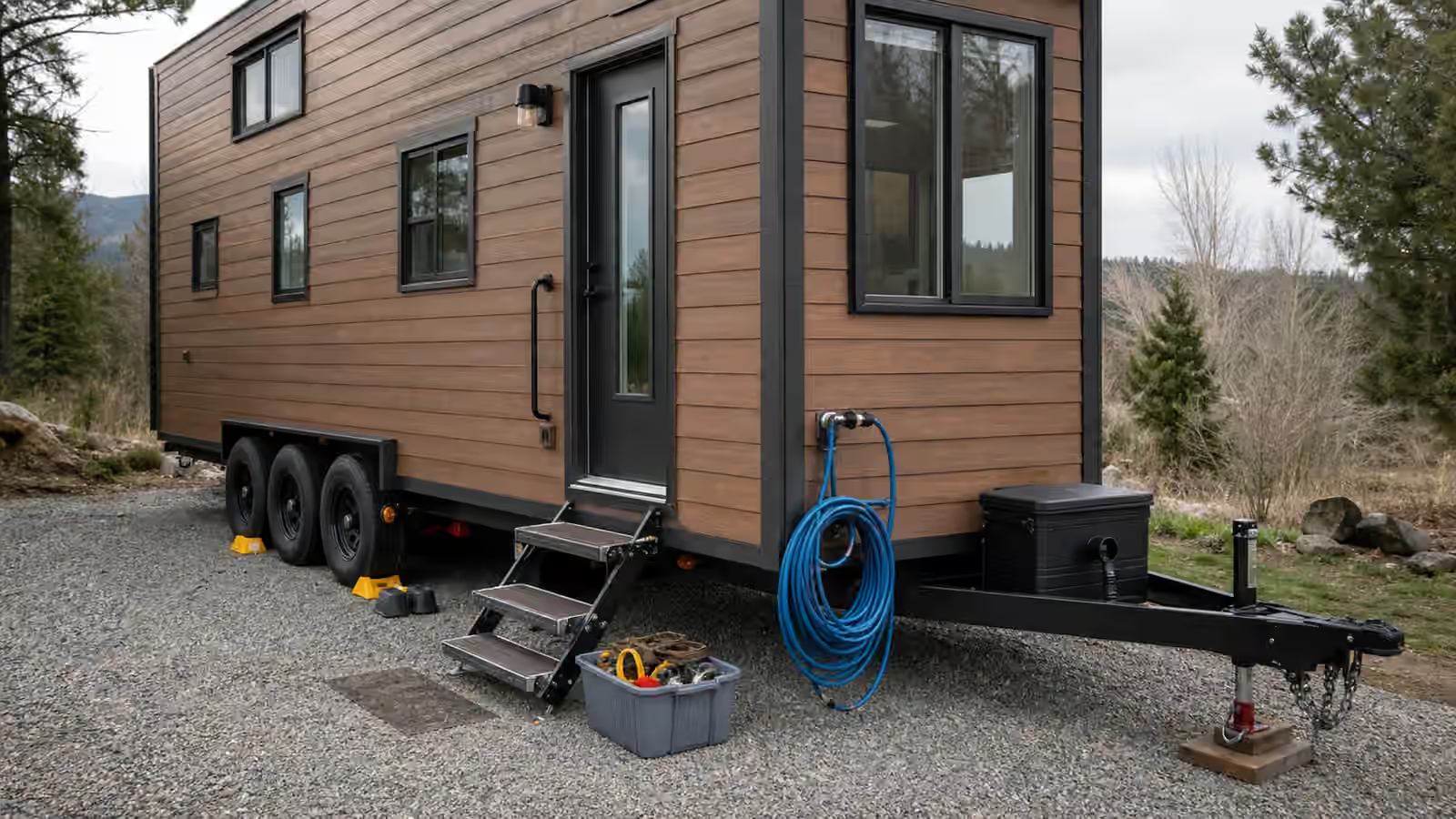
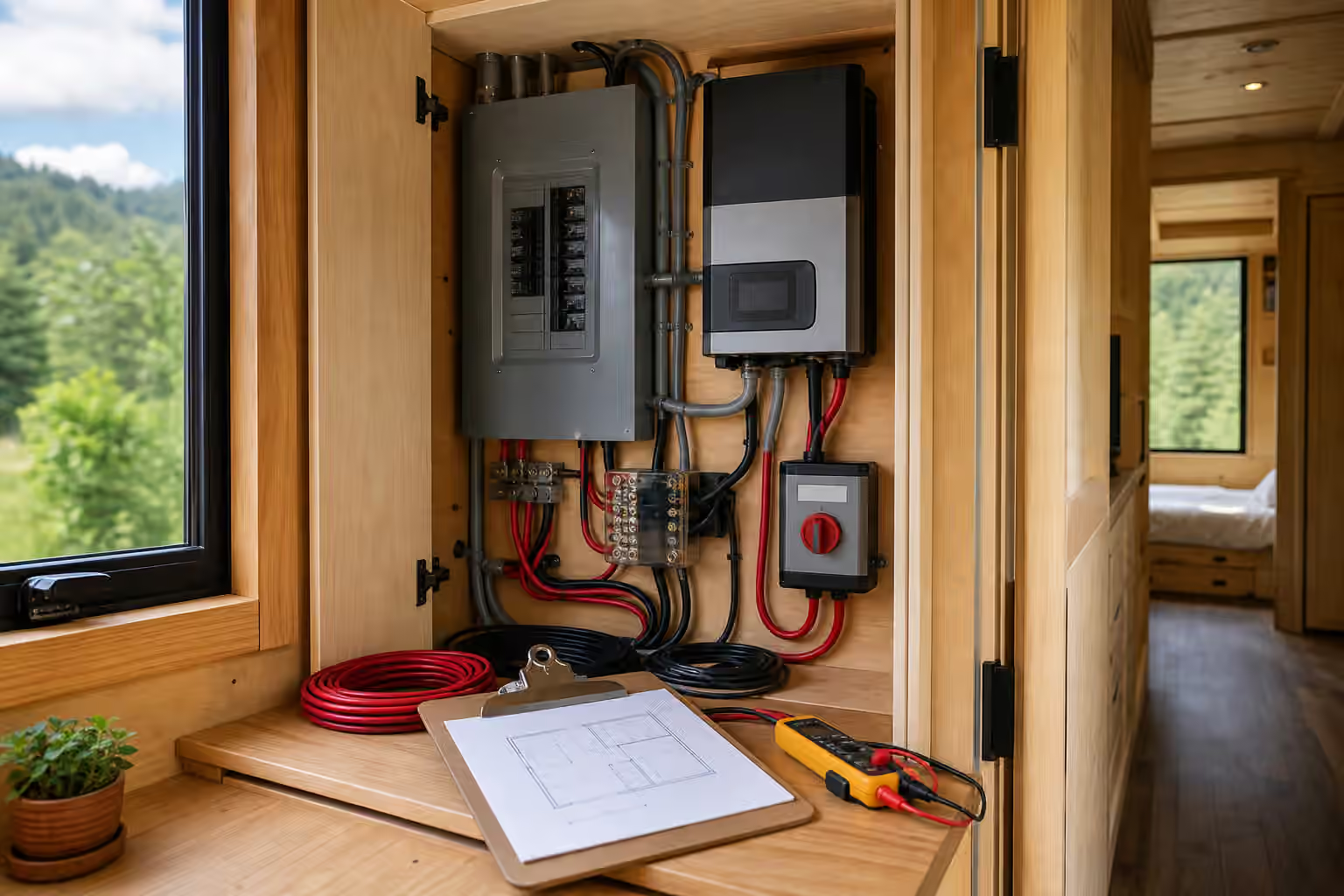
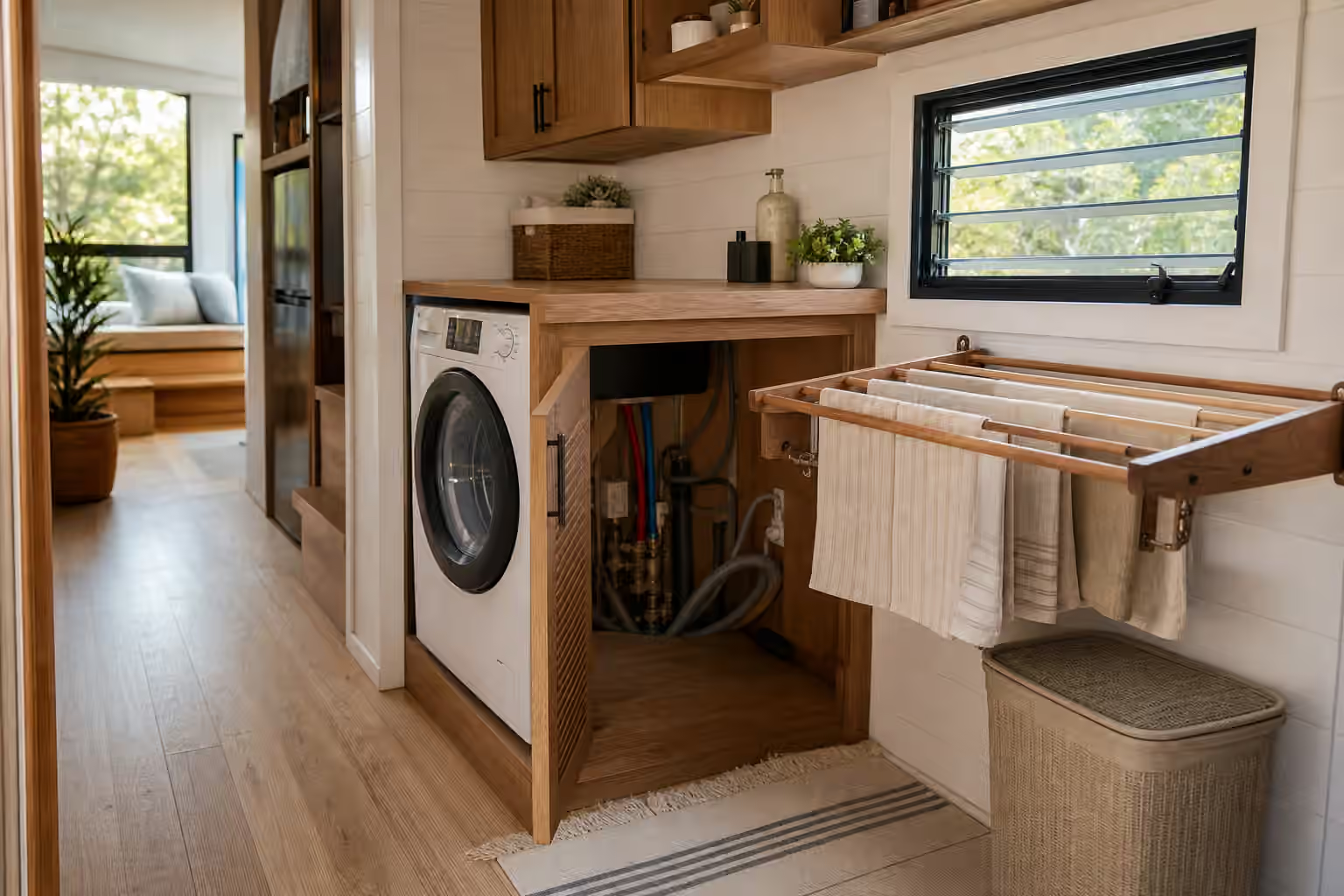
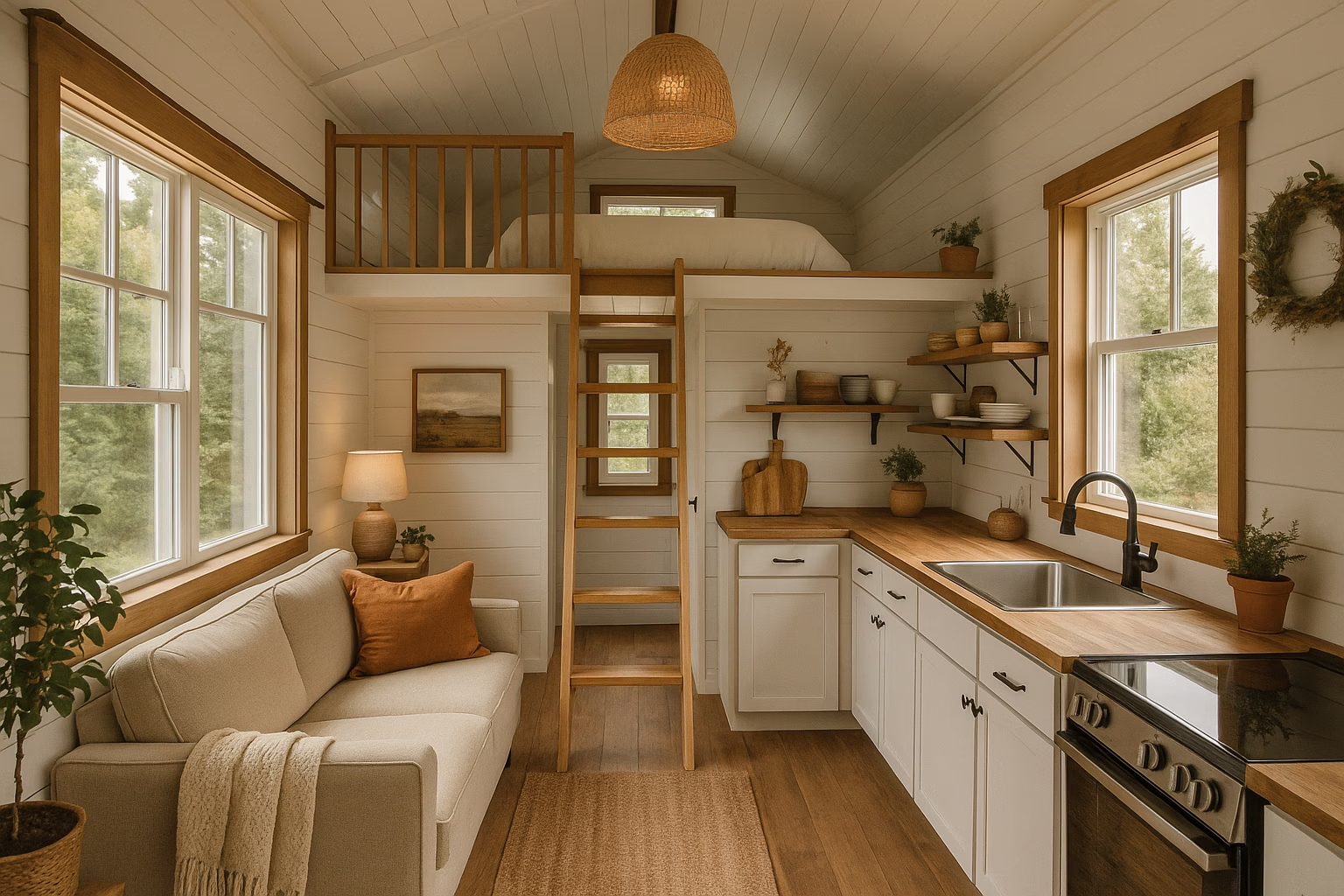
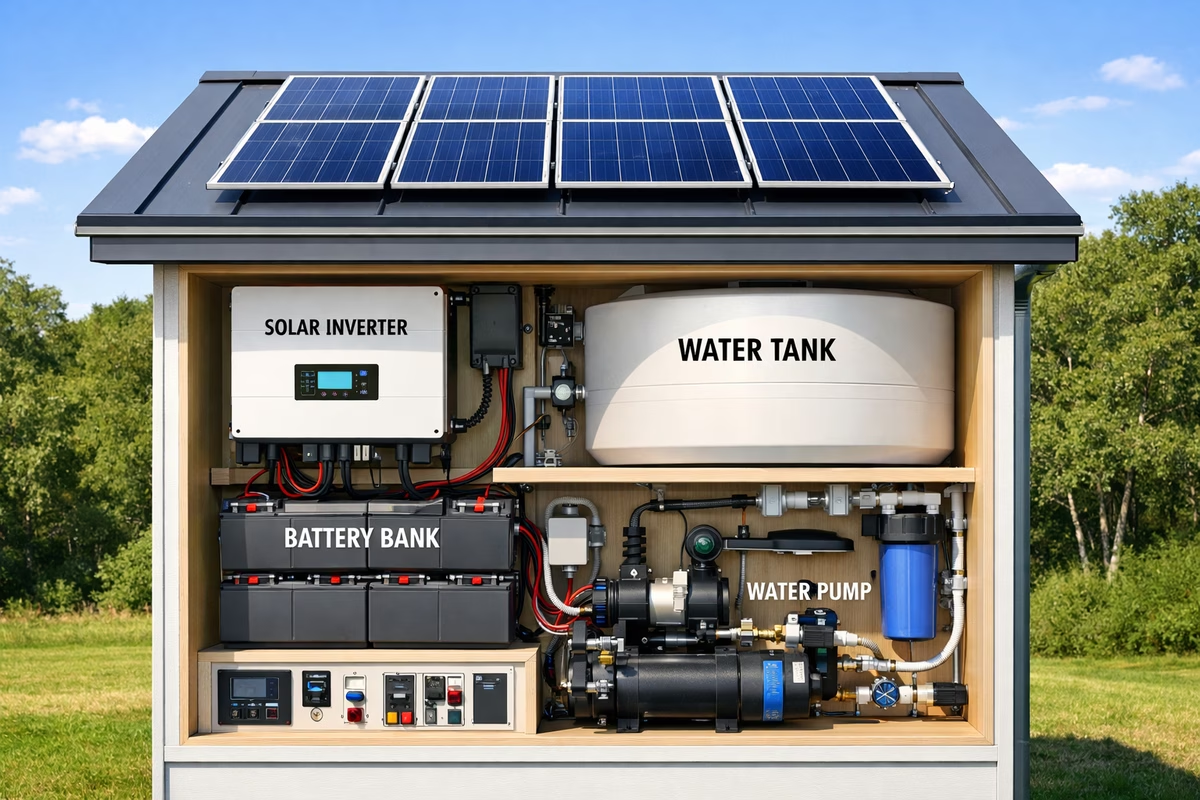
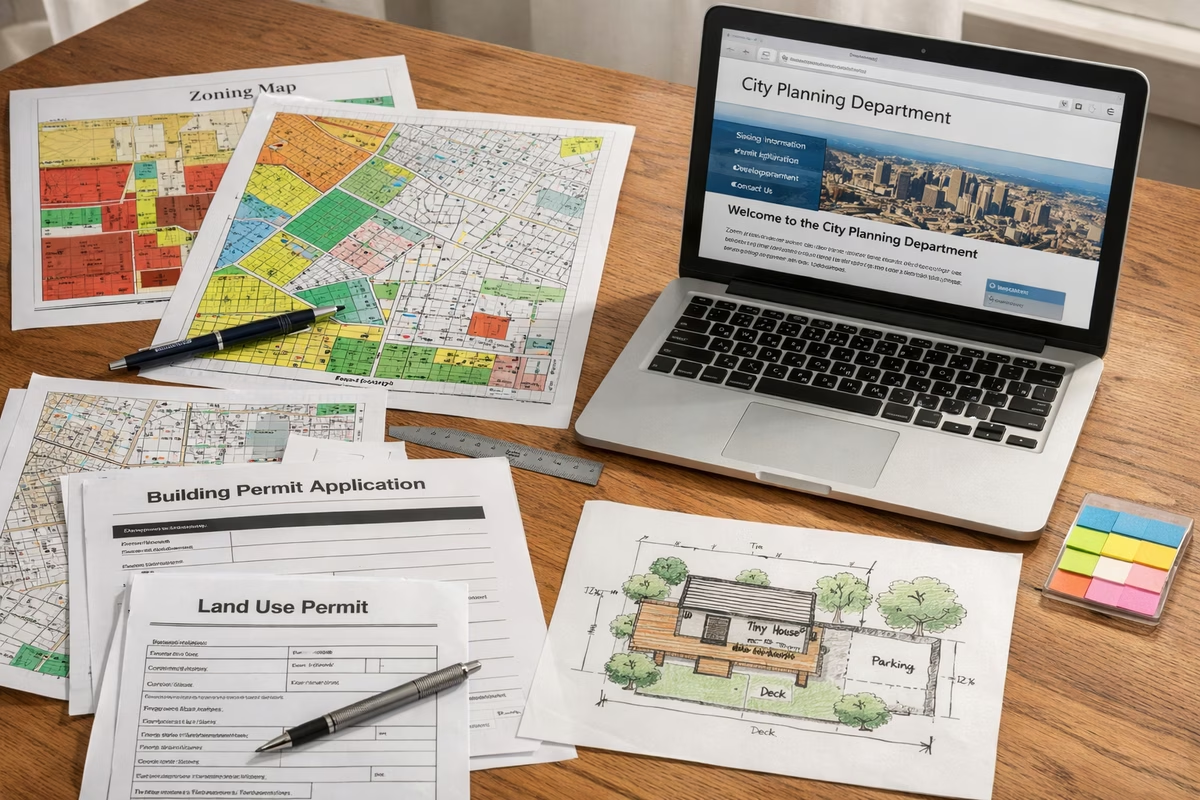
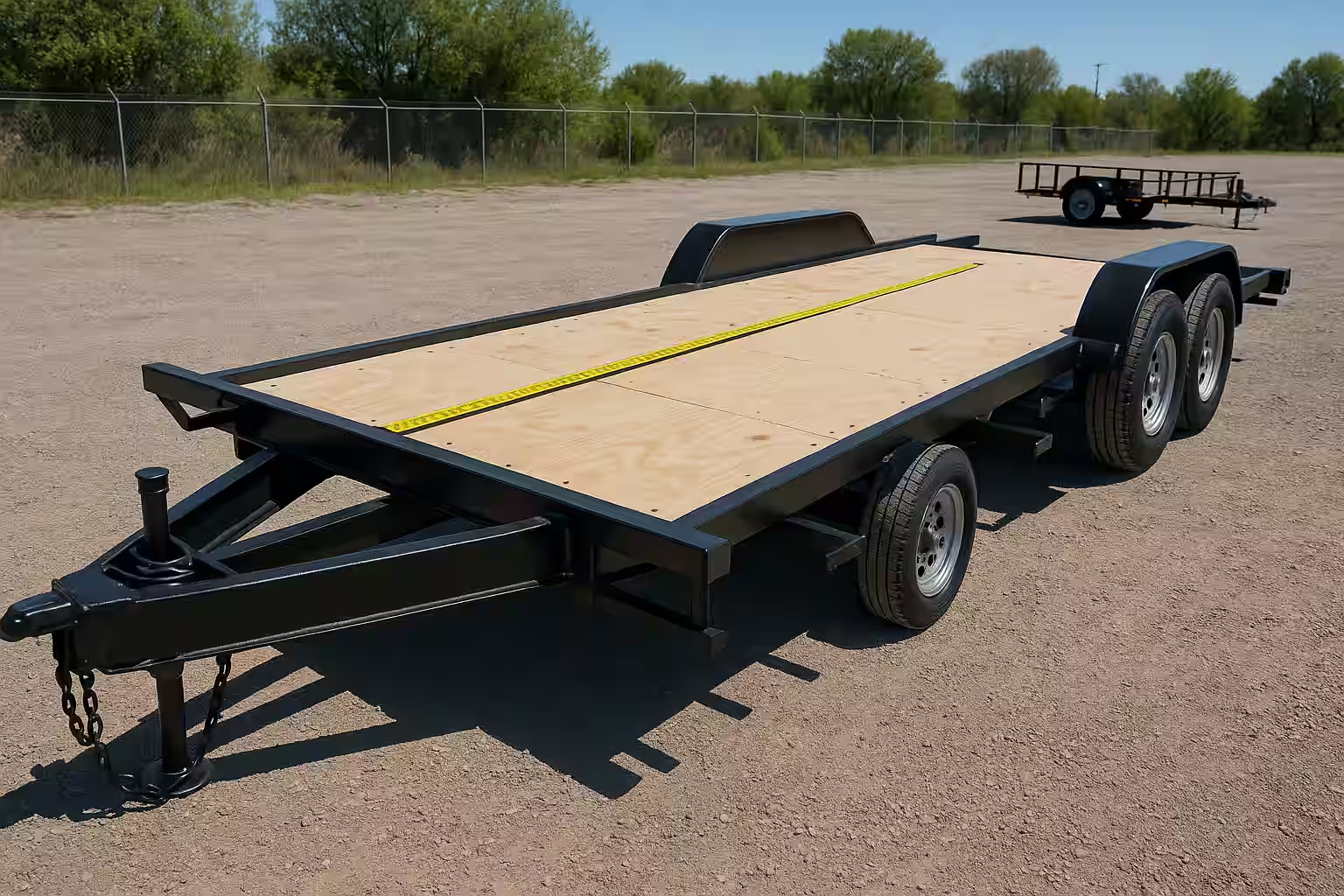
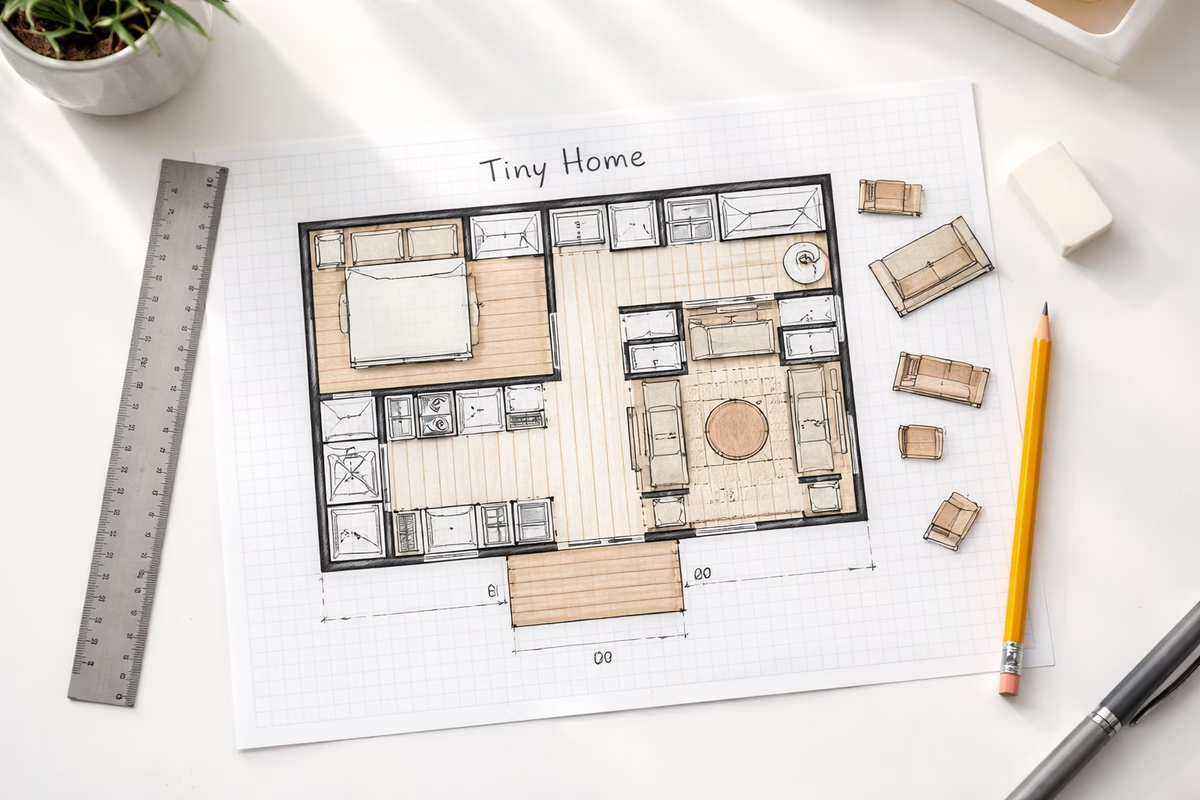
Tiny homes are small, but the decisions are not. Codes, weight, moisture, site access, and daily storage show up early. Use this guidebook library to make those choices once, then keep using the same checklist through design, build, and living.
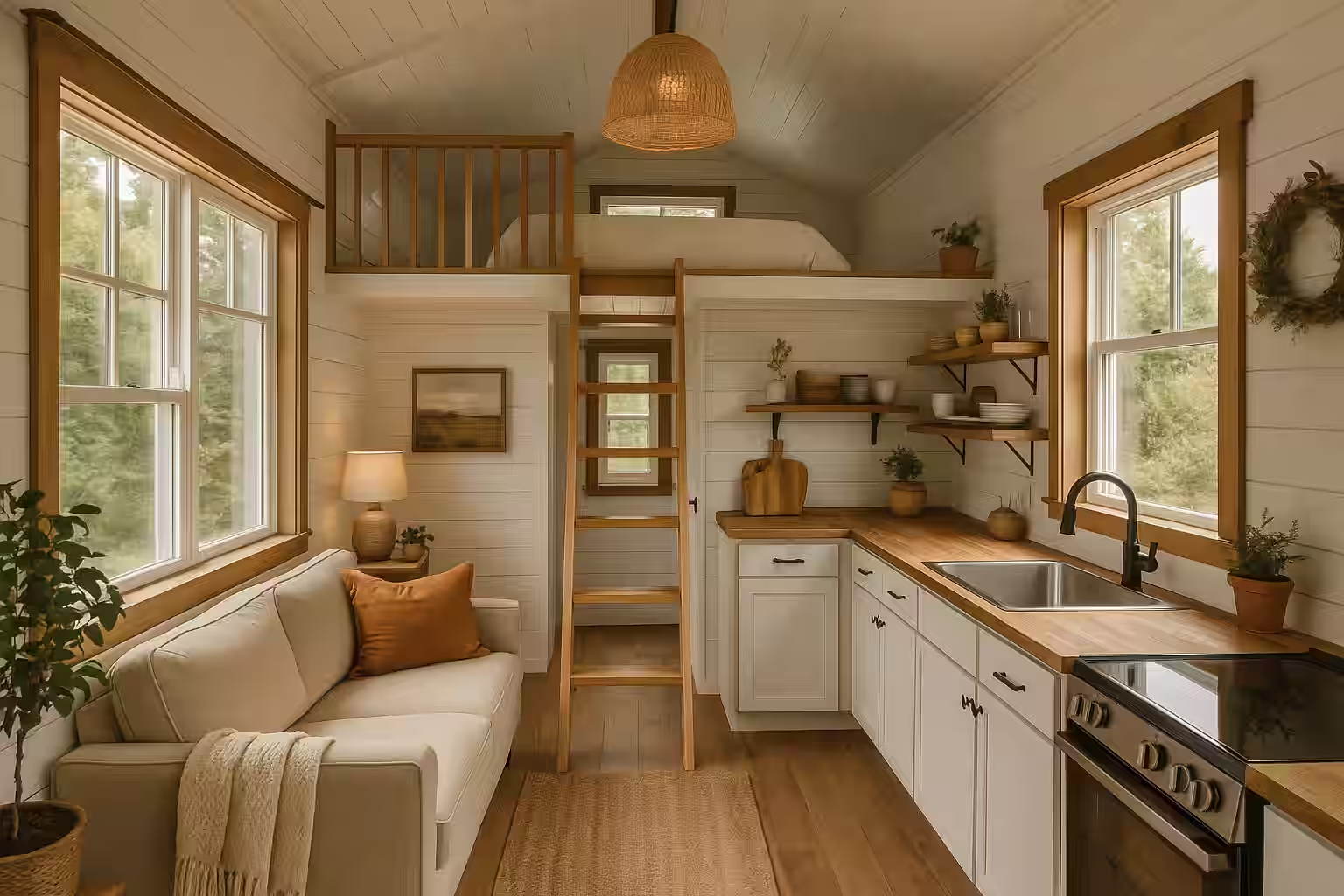
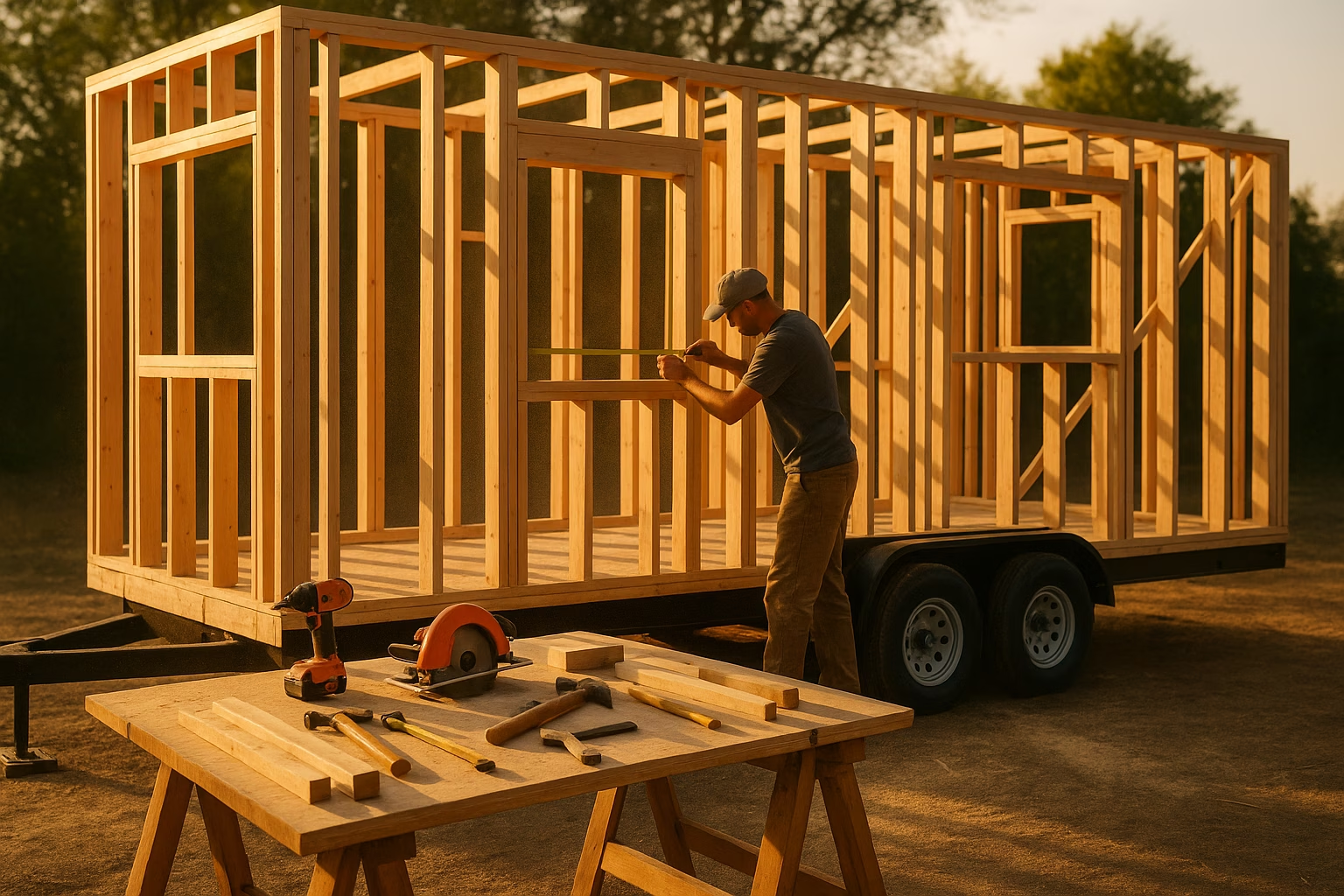
Start Here
If you only read three pages, start with the Quickstart , Legal requirements , and Design principles . Use the Glossary when a term is unclear.
Decide Your Type Early
Most later choices depend on whether your tiny home is on wheels or on a foundation.
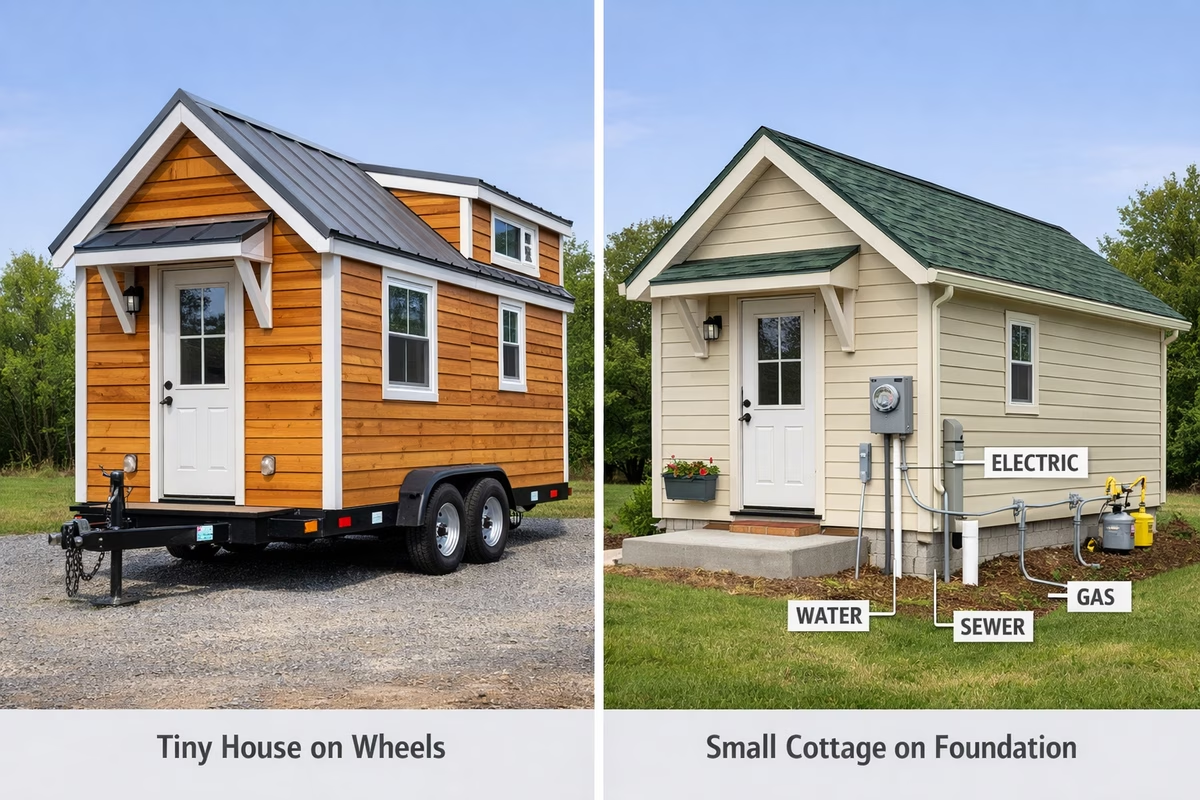
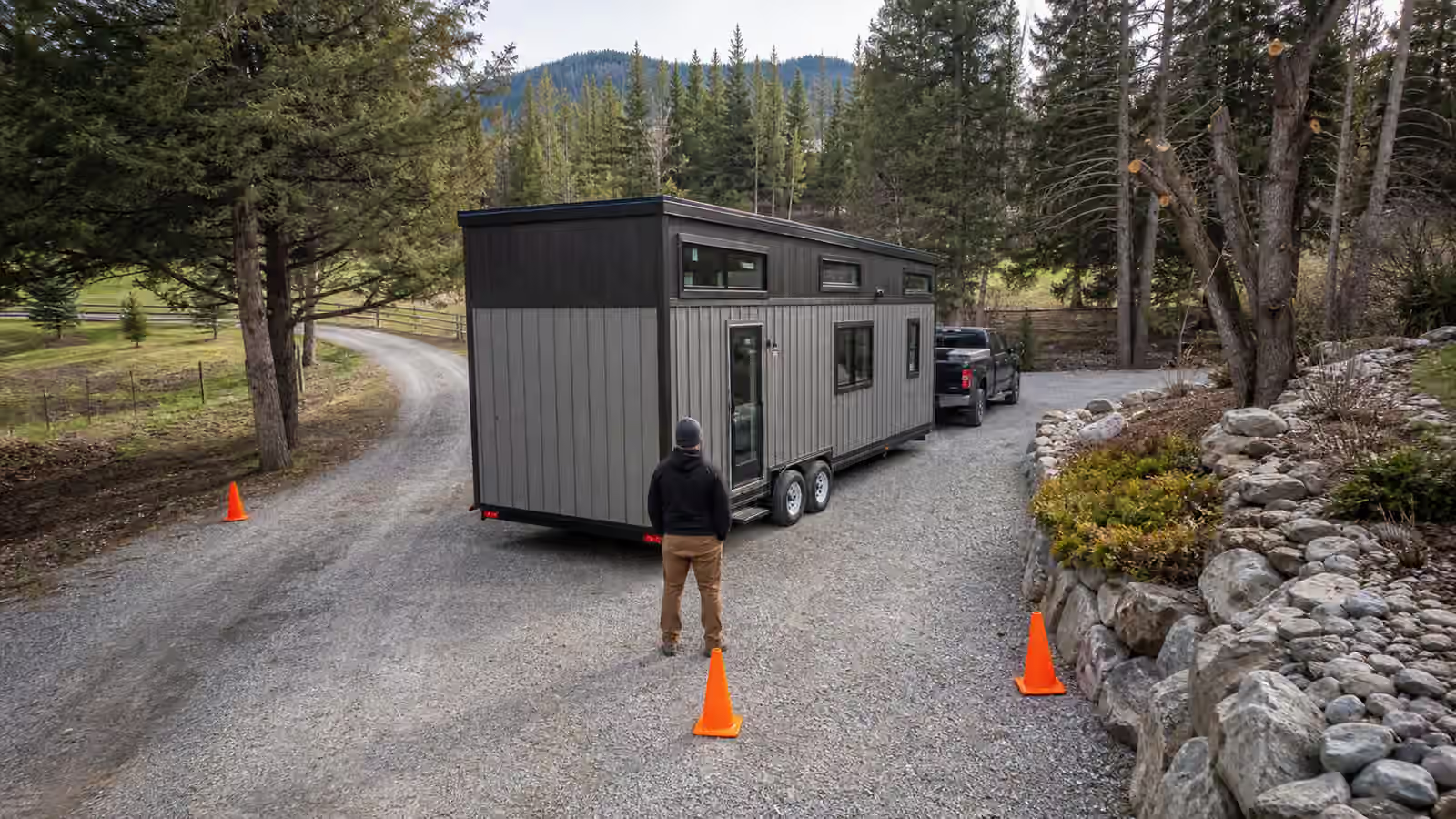
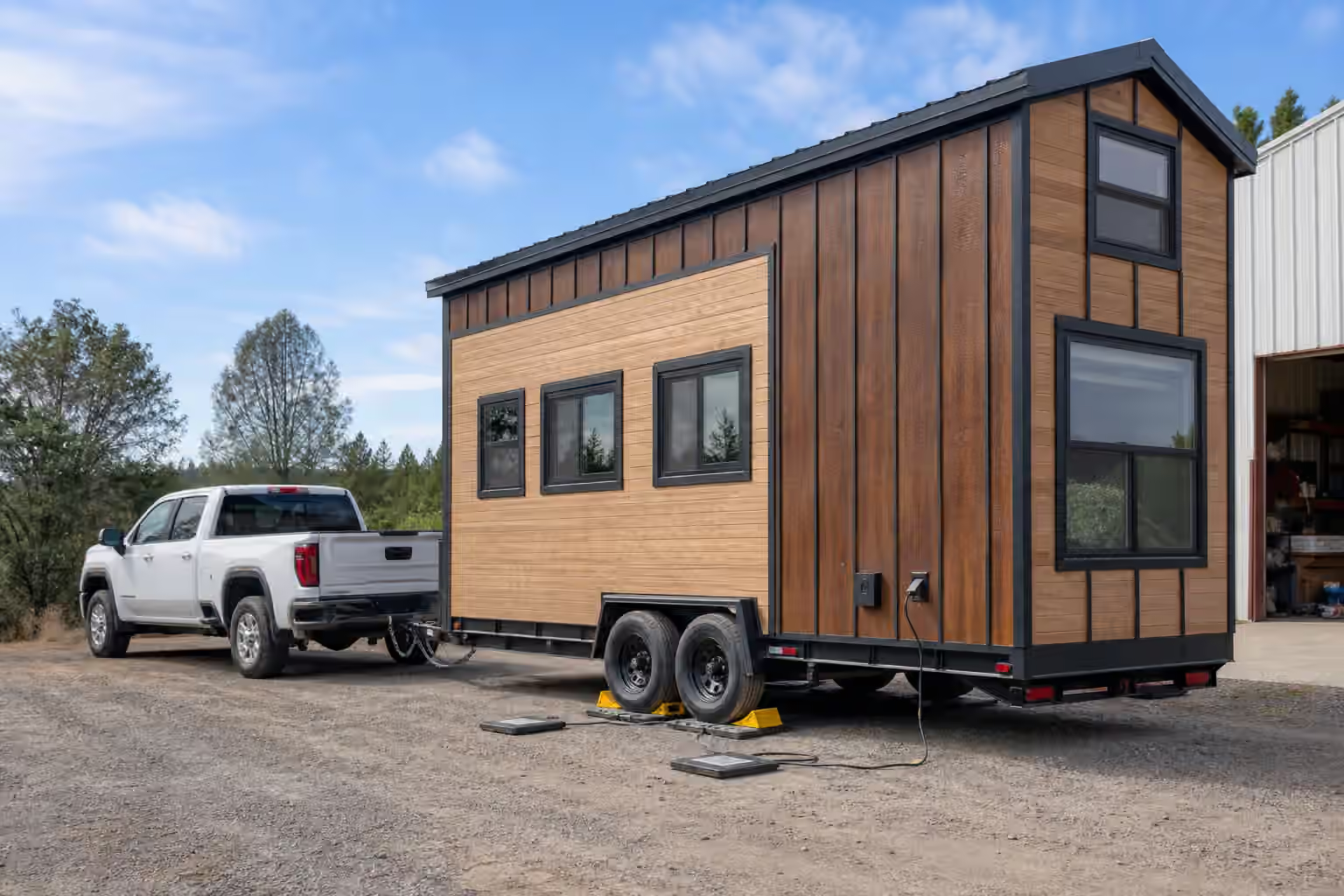
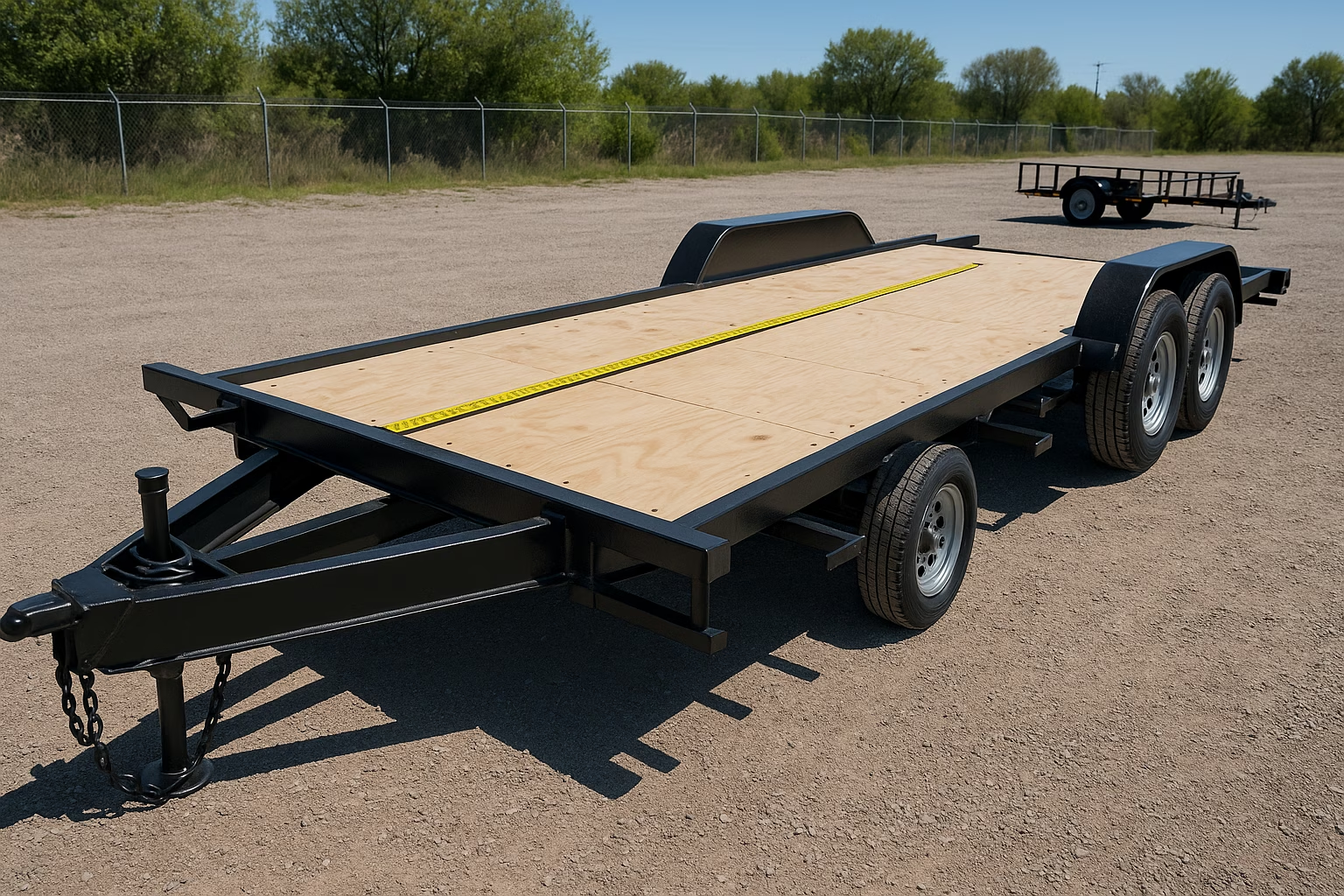
If you build on wheels, road rules matter more. Width, height, weight, balance, and towing access shape the build. Placement often means RV parks or private land with local rules.
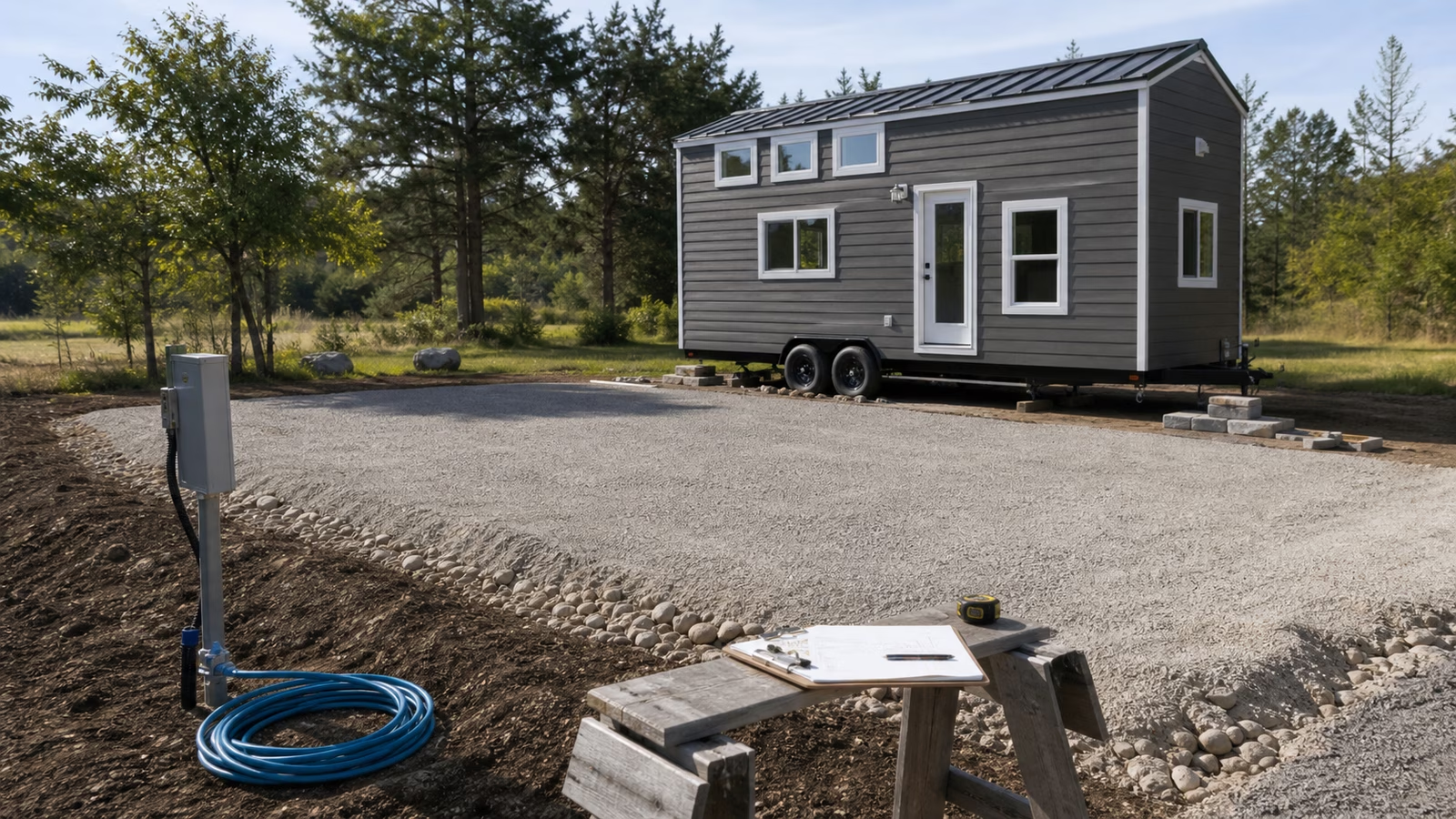
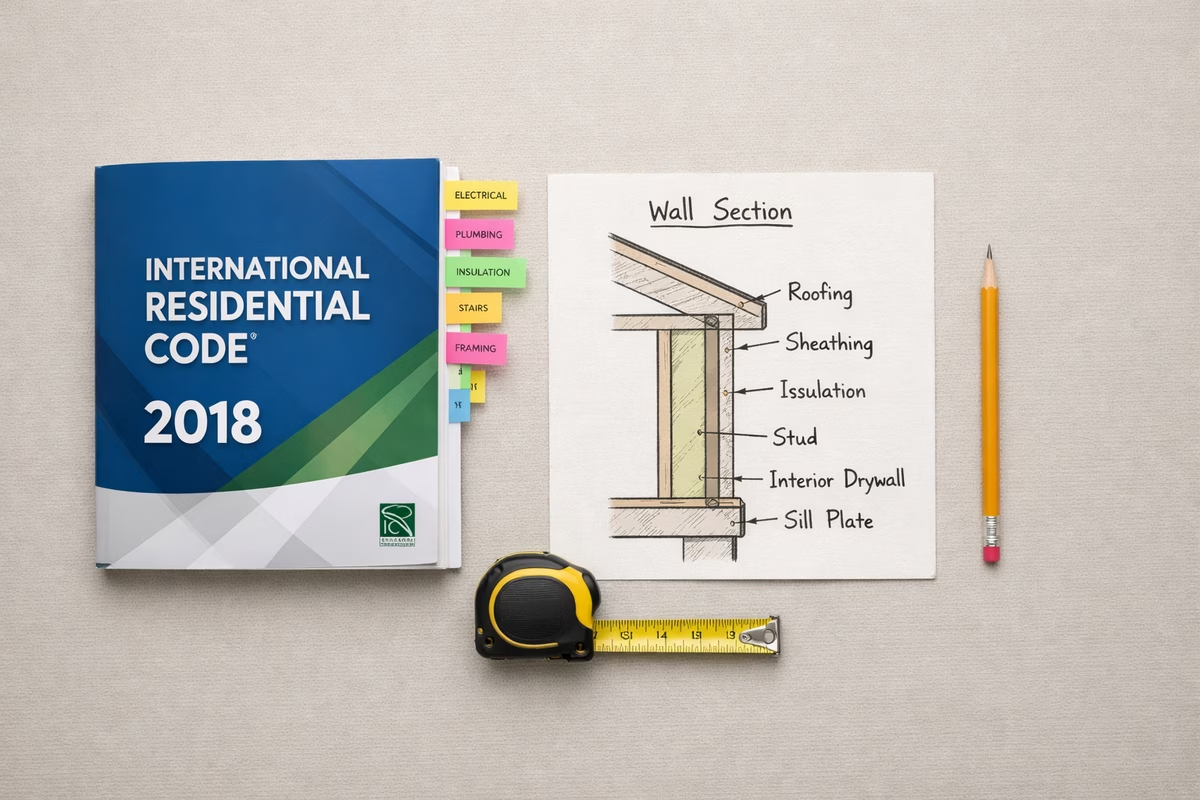
If you build on a foundation, local codes and permits matter more. Standard hookups are easier to plan for. The tradeoff is that you commit to a site.
Planning Checklist
Use this before you draw a floor plan.
- Where will it live
- What is it allowed to be
- How will it get there
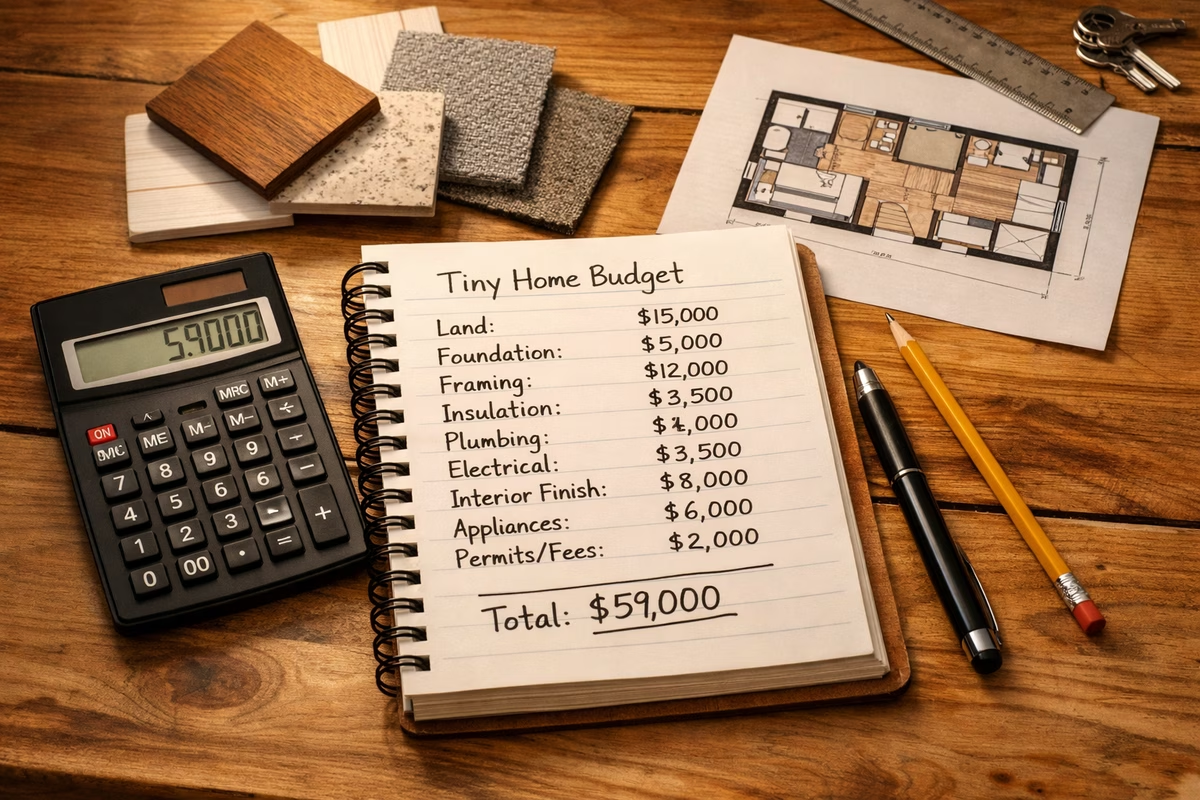
- What is the full budget
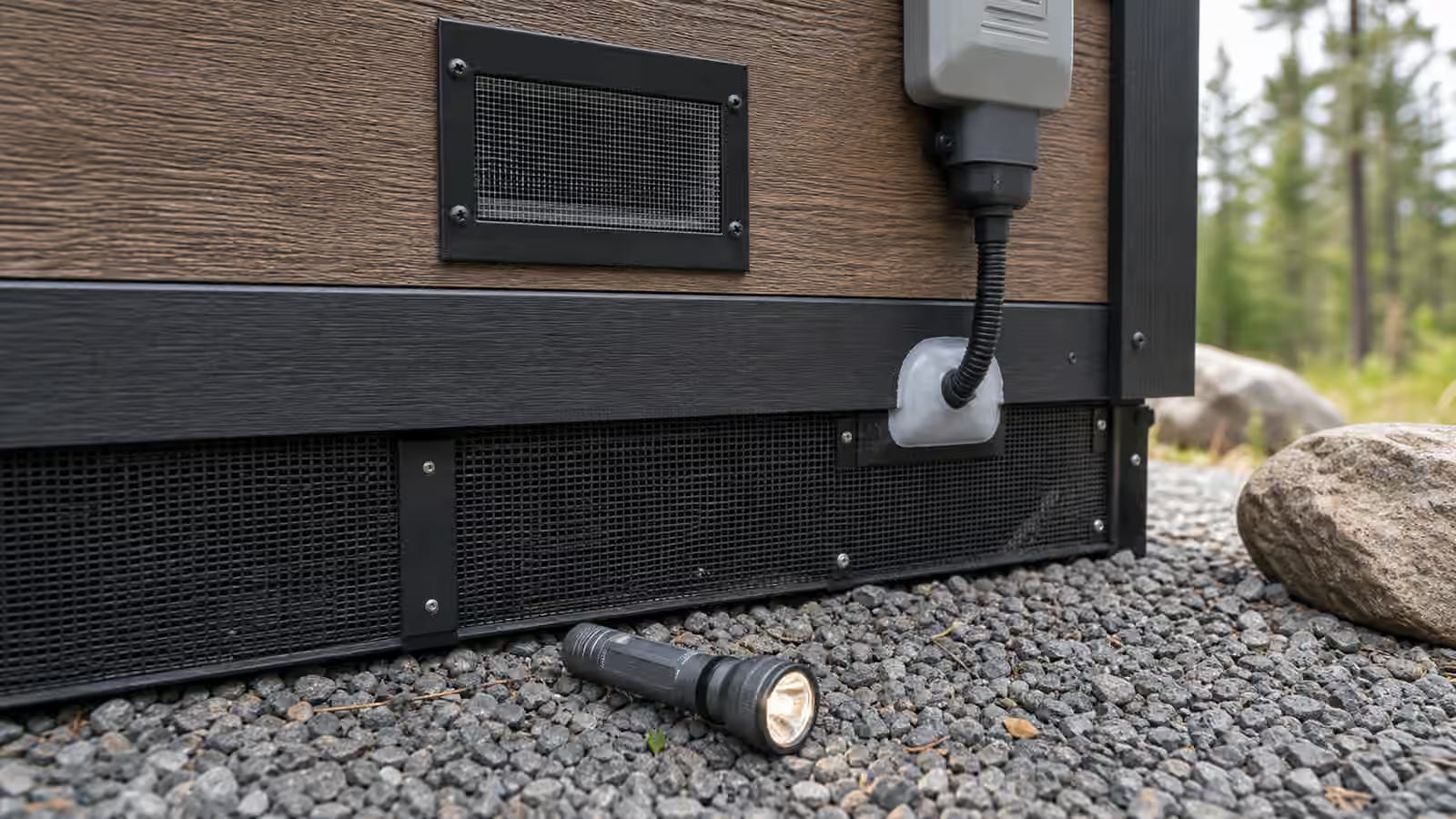
- What climate and moisture setup does it need
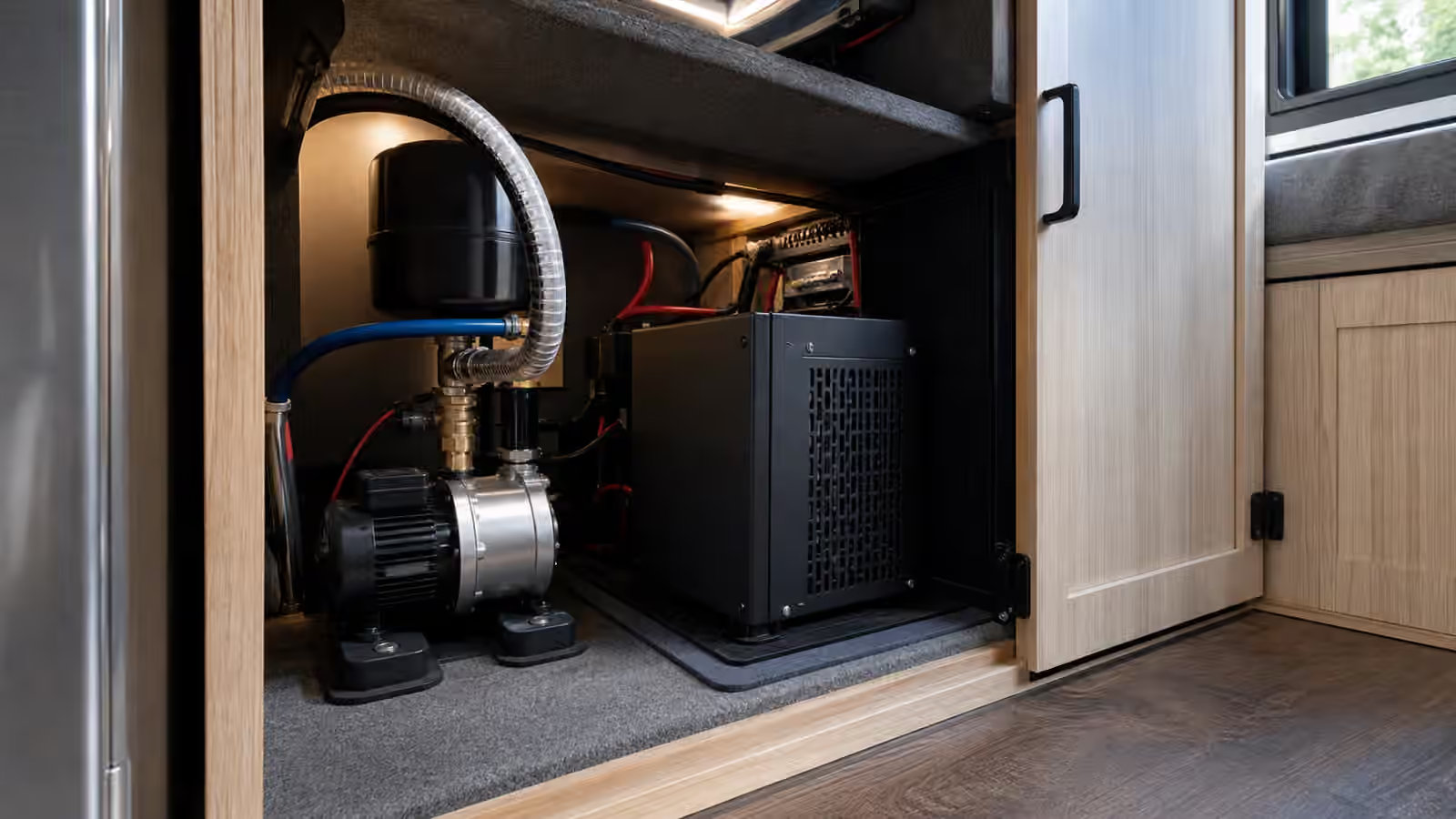
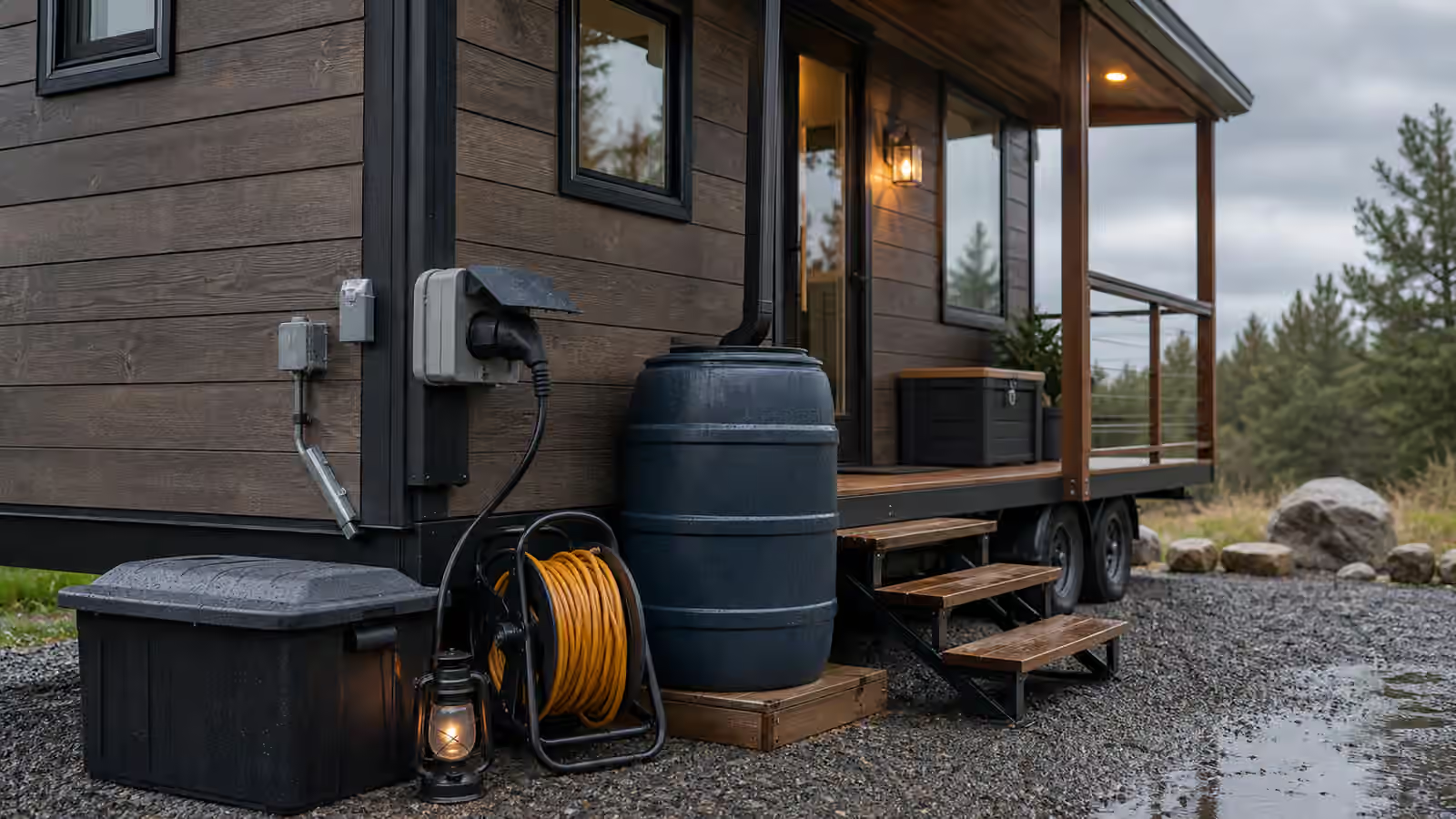
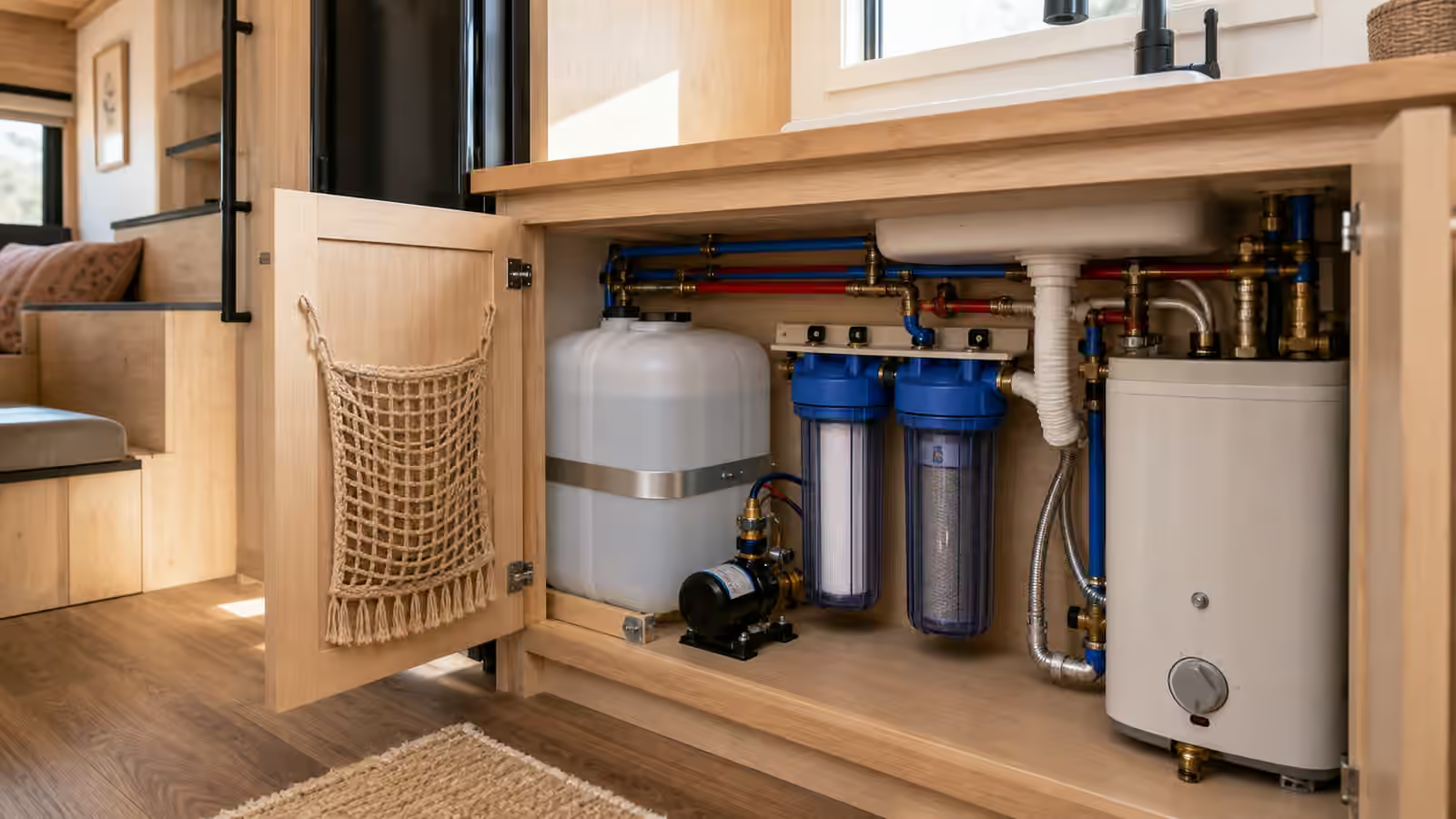
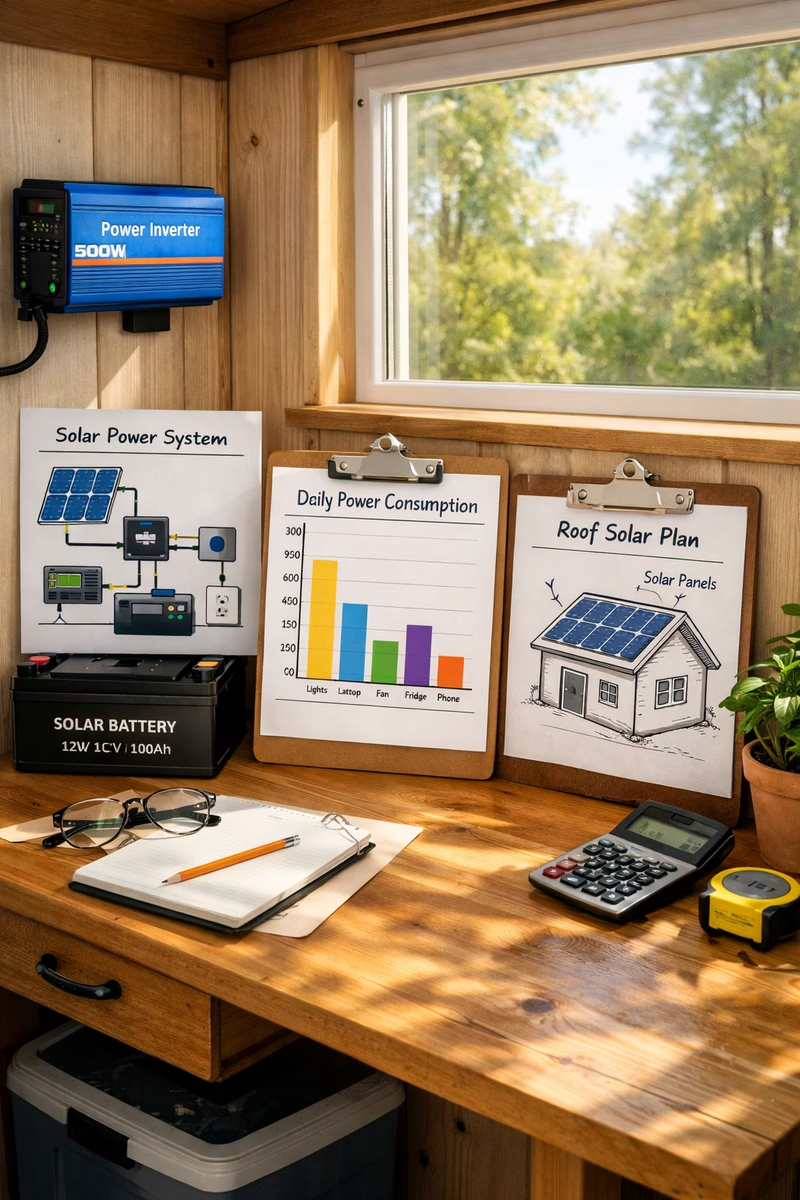
- How will it get power, water, and waste handling
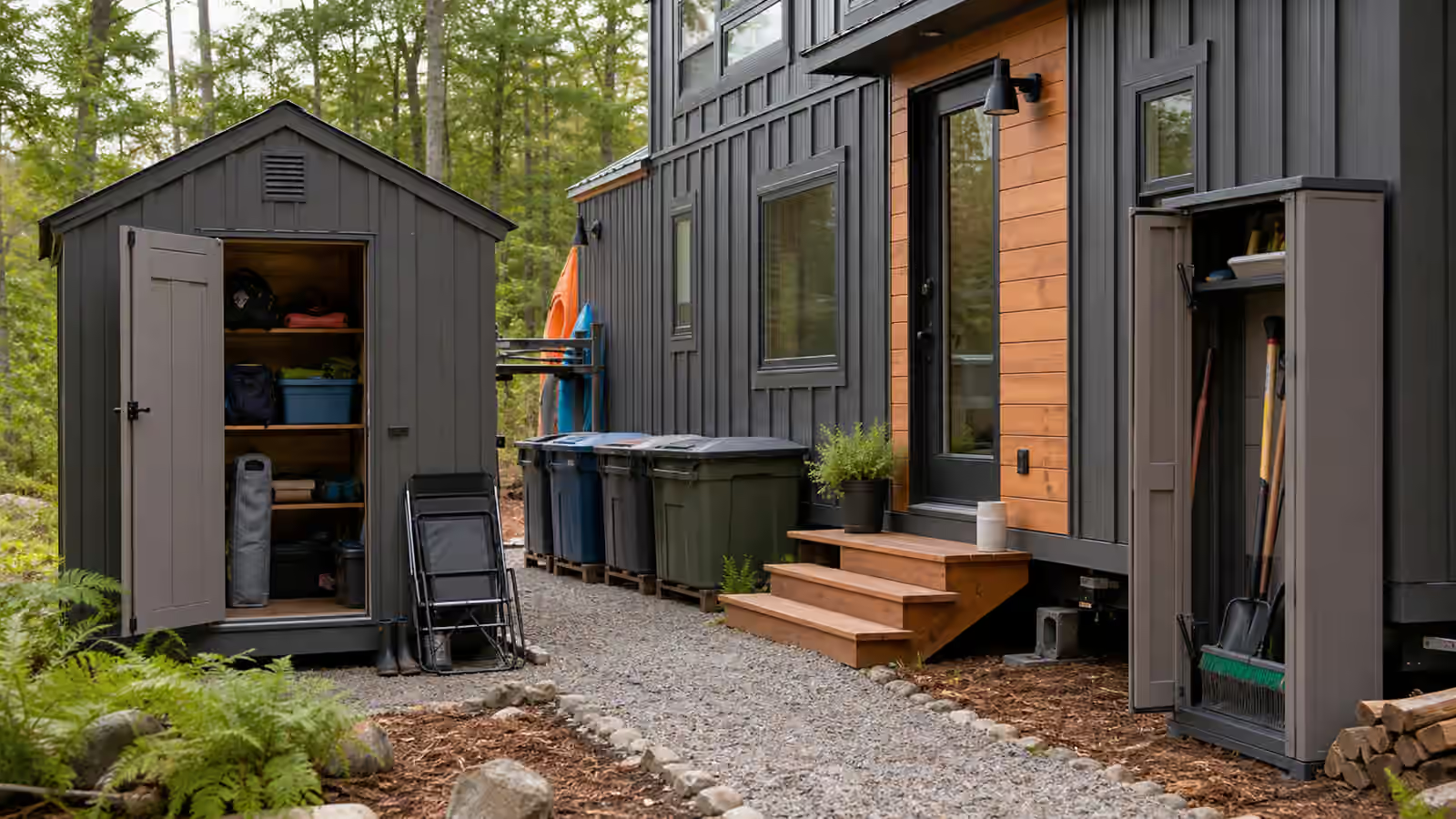
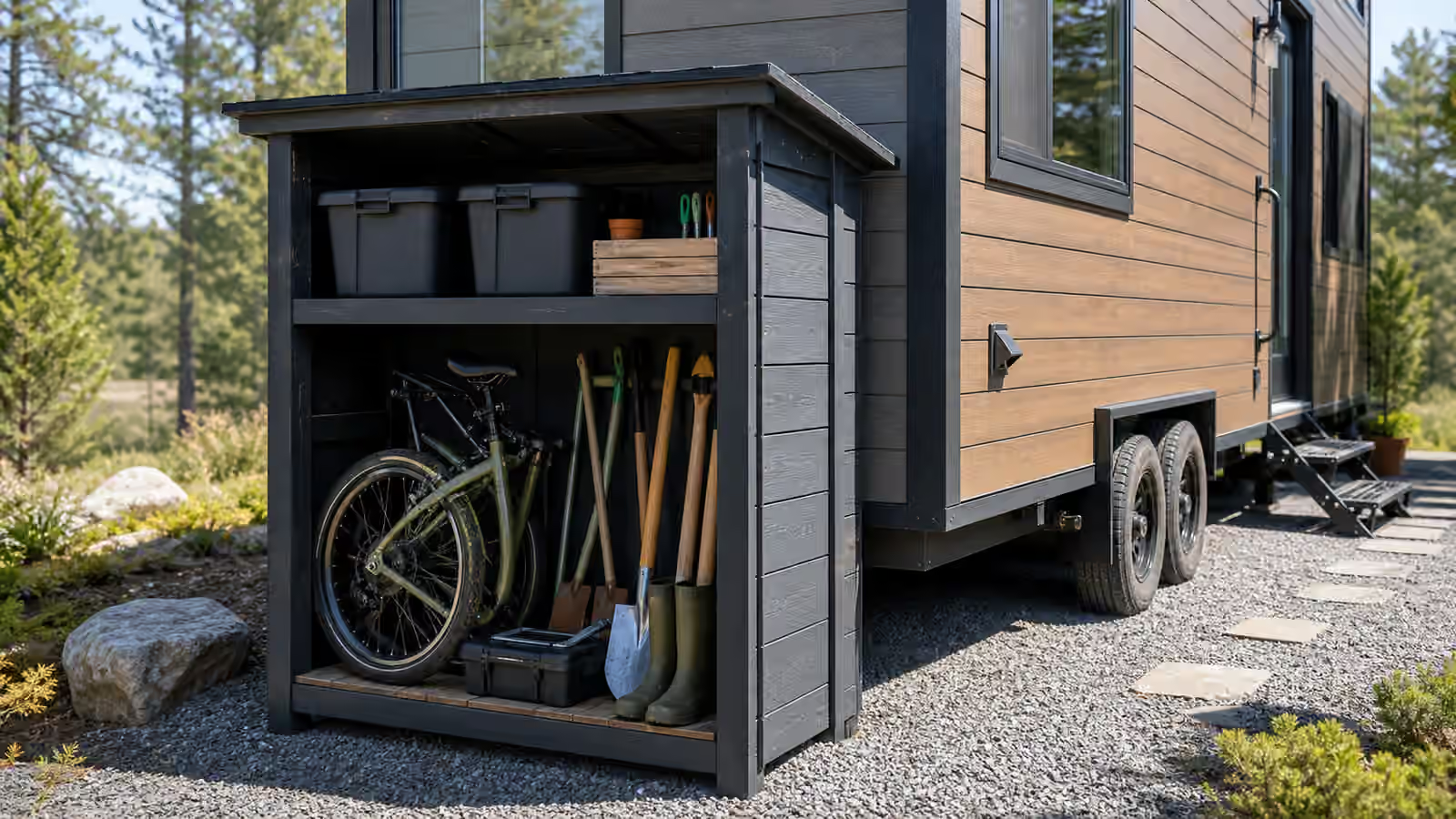
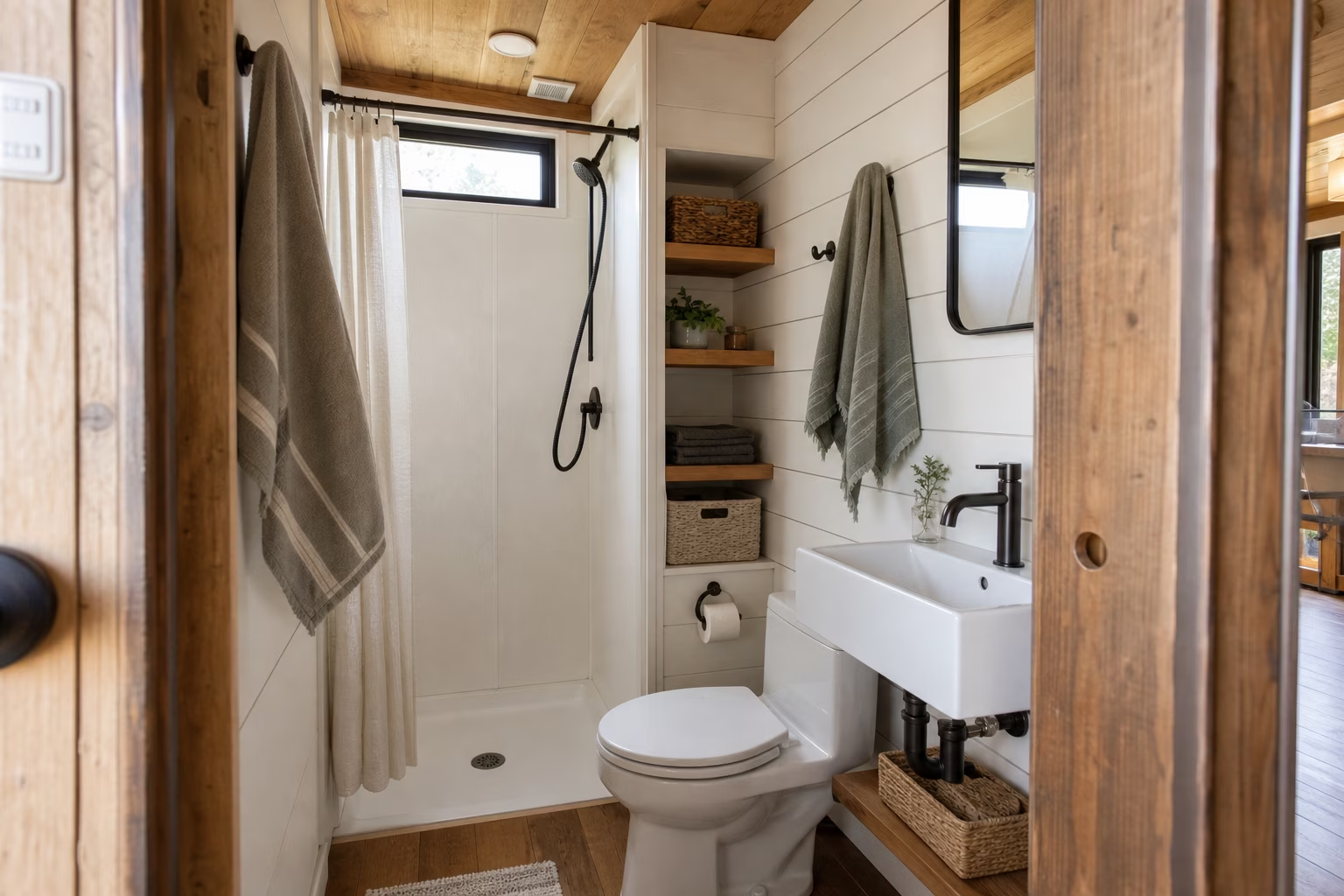
- Where will storage go
- How will you handle egress, alarms, and loft access
Featured Guides
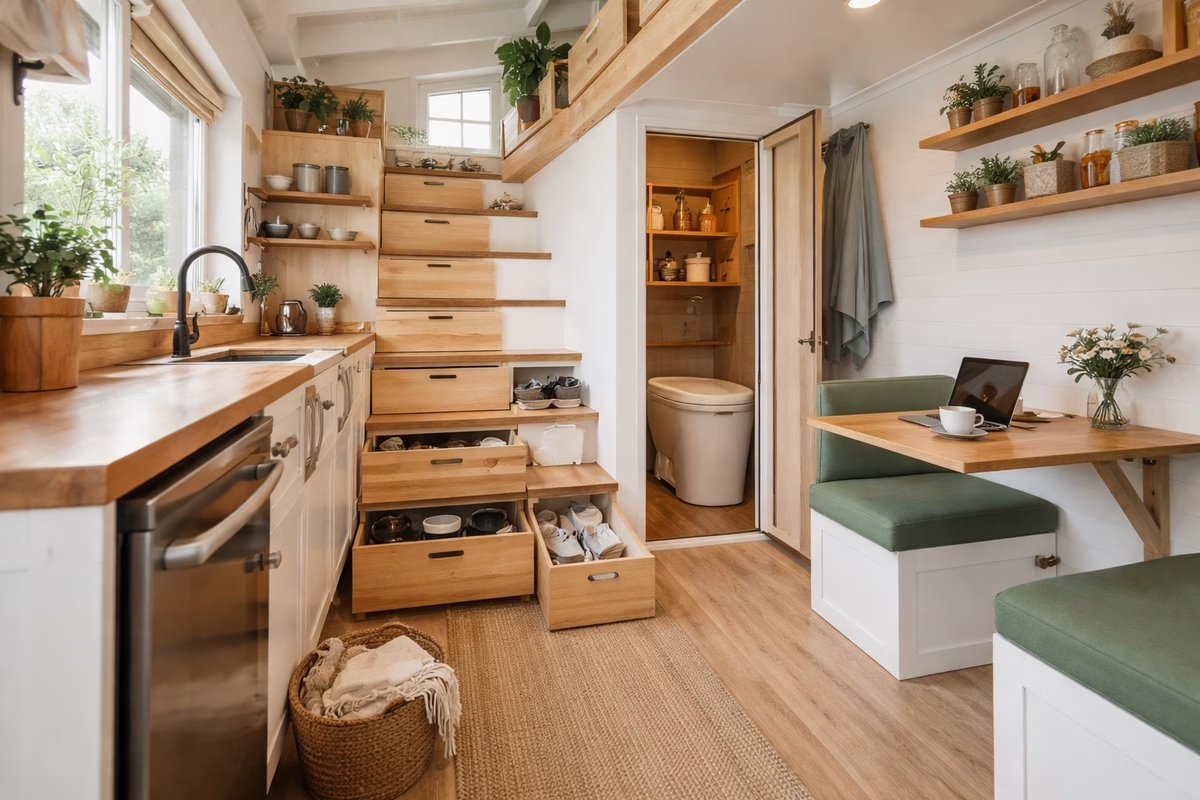
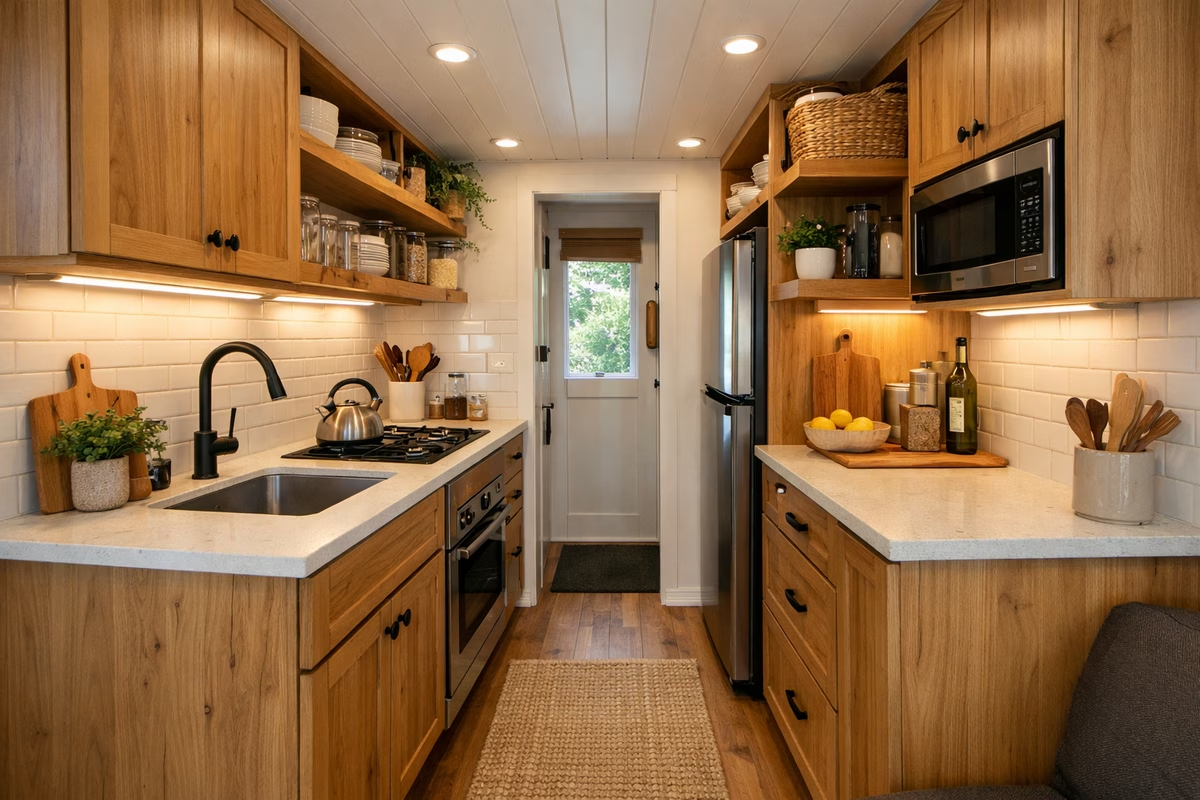
If you want a path, start with Tiny Home 30-Minute Quickstart and Design Principles . Add Legal Requirements when you have a site. Use Sustainable Systems for off-grid decisions. Read the Building Guide when you want to judge build quality. Use Interior Design for storage and light. Keep the Glossary open when terms get fuzzy.
Suggested Reading Paths
- Exploring tiny living, Quickstart, Design principles, Interior design, Glossary
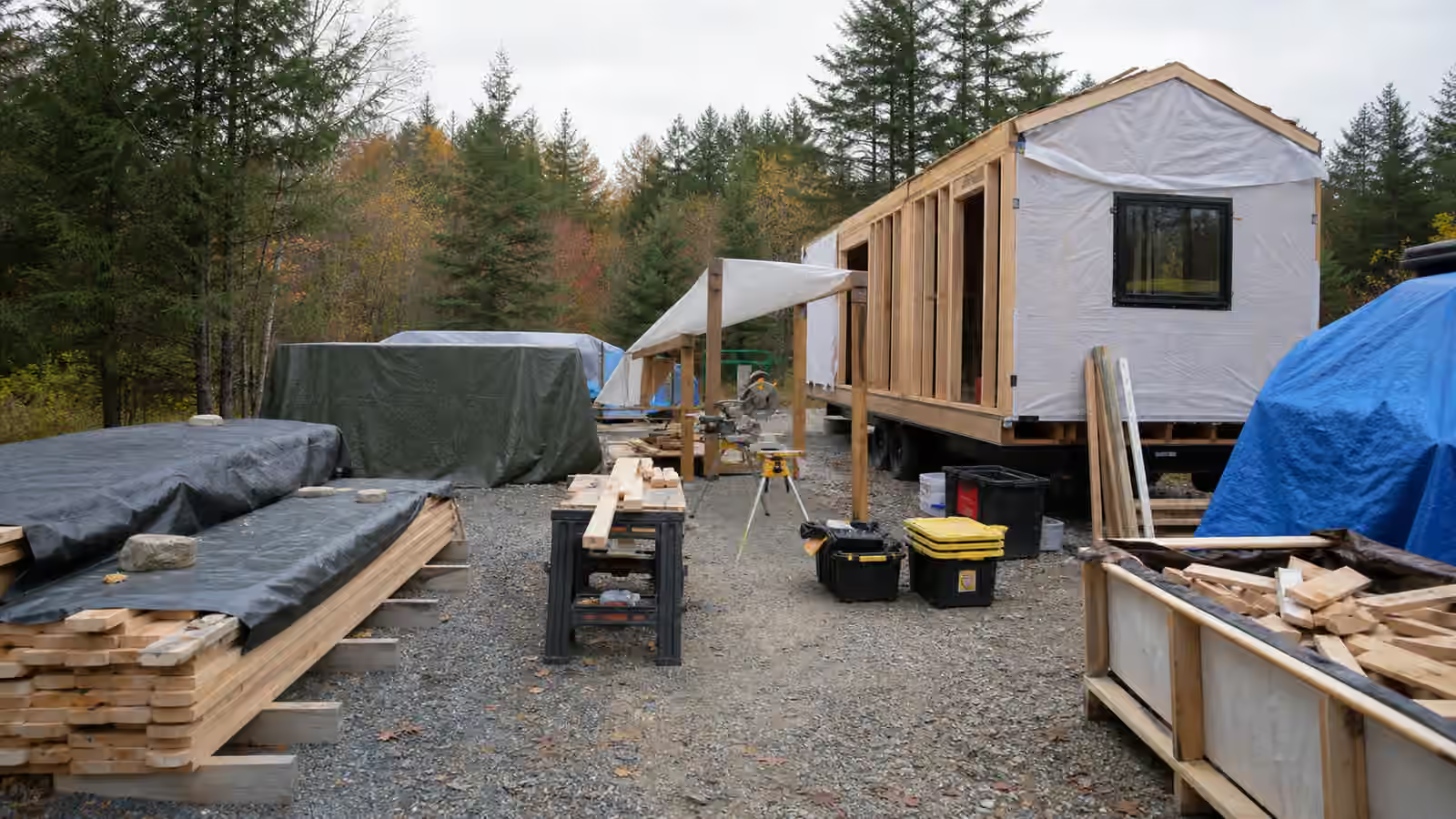
- Buying or commissioning a build, Quickstart, Legal requirements, Design principles, Building guide
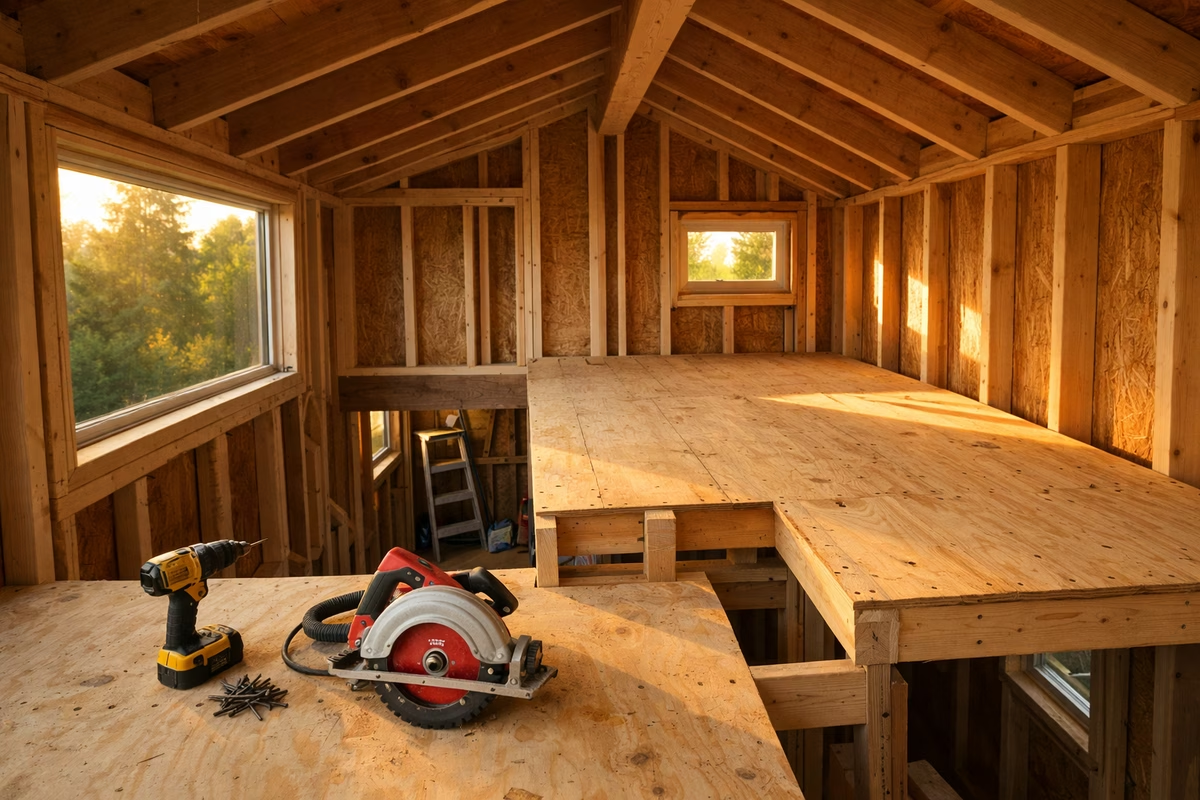
- DIY build, Legal requirements, Building guide, Sustainable systems, Interior design
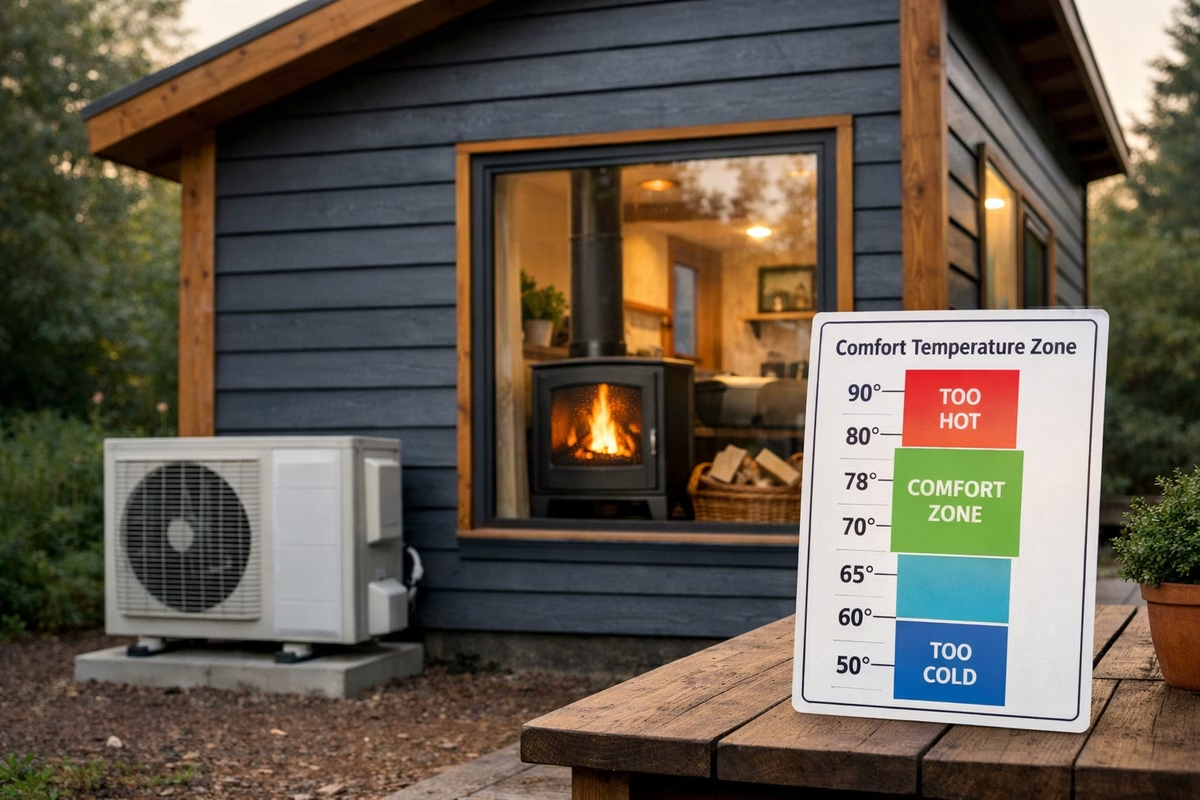
- Off-grid leaning, Sustainable systems, Legal requirements, Building guide, Design principles
Common Pitfalls
Tiny homes usually fail because a constraint shows up late. The common mistakes are picking a layout before you know the site rules, underestimating weight, treating moisture control as optional, leaving storage for later, and mixing incompatible systems without a plan.