Yellow tea is easy to miss because it sits close to green tea on the shelf but asks for a different kind of attention. It is usually light in body, gentle in aroma, and modest in color, yet it can carry a warm sweetness that makes a plain green tea seem sharper by comparison. The practical reason to learn it is not rarity. Yellow tea helps a drinker notice the difference between fresh greenness, soft heat, patient processing, and a cup that rewards restraint.
Why Yellow Tea Belongs Beside Green Tea
The broad Green Tea guide is the right reference point because yellow tea begins with many of the same expectations. The leaves are often handled with enough heat to keep oxidation limited, so the cup may still show fresh, vegetal, nutty, or grassy tones. The difference comes from the additional resting or smothering step often associated with yellow tea processing. That step can soften the fresh edge, round the aroma, and create a warmer impression without turning the tea into oolong or black tea.
For a beginner, the difference may feel subtle. One green tea may taste like cut grass, steamed greens, chestnut, sea air, or spring vegetables. A yellow tea may lean toward warm hay, sweet corn, soft nuts, light flowers, or a gently cooked sweetness. Those descriptions are not rules. They are cues. The important thing is the softened contour. Yellow tea often feels less pointed than a sharp green tea, but it can still become bitter if brewed carelessly.
This is why yellow tea is a useful lesson in category language. A tea family name is a starting clue, not a guarantee. Tea Processing: Withering, Fixing, Oxidation, Rolling, and Drying explains the larger map. Yellow tea occupies a small but interesting place on that map because it shows how one processing choice can change the cup without changing everything about the leaf.
Brewing For Warmth Instead Of Force
Yellow tea usually responds well to a calmer recipe than a strong black tea or a deeply roasted oolong. The goal is to coax fragrance and sweetness before the drying edge takes over. A roomy infuser, small teapot, or gaiwan can all work. The important habits are simple: use enough leaf that the cup has presence, give the leaves room to open, and keep the first steep gentle enough that the tea does not become rough before you have learned its shape.
The Tea Brewing Temperature and Time guide is helpful here because yellow tea punishes the same beginner habit that hurts green tea: using aggressive heat and then trying to rescue the cup with a shorter or sweeter finish. Water just off the boil may be too blunt for delicate examples. Cooler water may preserve softness, though water that is too cool can make the cup thin and vague. If the tea tastes hollow, add a little more leaf before extending time dramatically. If it tastes sharp, shorten the steep or cool the water slightly on the next attempt.
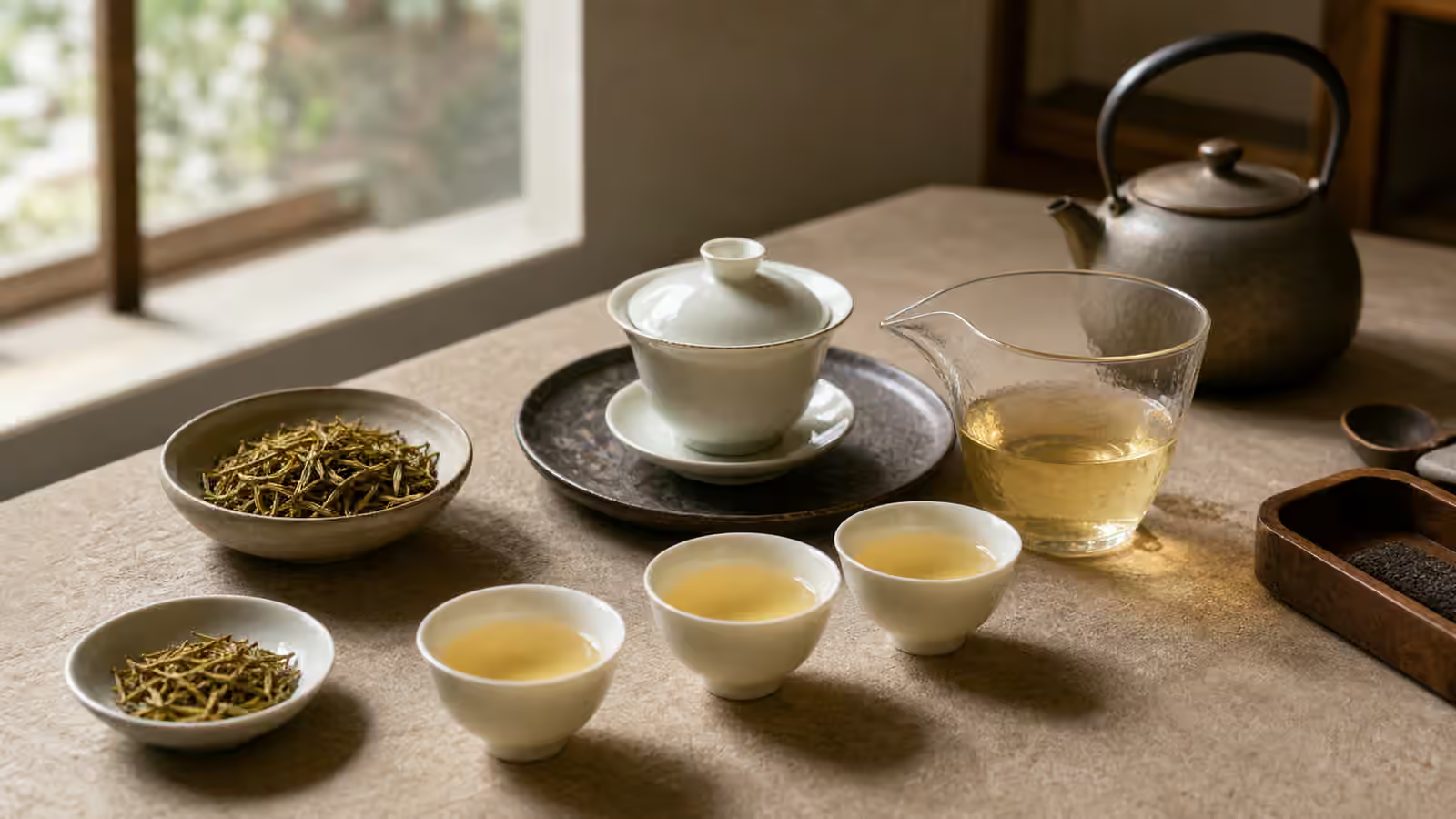
A gaiwan session can be especially instructive because the leaves can be smelled between infusions. Warm the vessel, add leaf, and notice the aroma before water touches it. After the first infusion, smell the lid or the wet leaves. Yellow tea often reveals itself in those quiet moments. The cup may not announce itself with heavy perfume, so a large mug brewed absentmindedly can make the tea seem less interesting than it is.
What To Taste Before Naming It
Taste yellow tea with the same plain language used in Tasting Tea Without Pretension . Notice aroma, body, sweetness, dryness, and finish before reaching for special vocabulary. If the aroma feels warm but the body feels thin, the tea may need more leaf. If the first sip is pleasant but the finish clamps down, the extraction may be too hard. If the dry leaf smells lively but the cup is dull, the water, storage, or vessel may be muting the tea.
Yellow tea is a good antidote to dramatic tasting habits. It often does not reward chasing the loudest note. A good cup may be quiet and complete. It may taste like soft grain, pale flowers, young nuts, steamed greens, or warm straw, but the real pleasure is the way those impressions sit together without strain. You do not have to decide whether the flavor is exactly chestnut or exactly hay. You only need to know whether the cup feels rounded, fresh, thin, harsh, stale, or sweet enough to keep drinking.
The wet leaves can add useful evidence. Reading Wet Tea Leaves After Brewing shows how leaf shape, breakage, and opening can explain the cup. Very broken leaves may extract quickly. Tender leaves may need gentleness. A tea that looks beautiful but tastes flat may be old, poorly stored, or simply not suited to the recipe you chose.
Buying Yellow Tea Without Romance Taking Over
Because yellow tea is less common in many shops, it is easy for the name to carry more weight than the cup. Buy small amounts first. Look for a vendor description that gives a real brewing clue rather than only a famous name. If the tea is described as delicate, sweet, nutty, or soft, start with a gentle recipe. If the leaves are very small or broken, watch extraction closely. If the tea is expensive enough that you feel afraid to brew it, buy a smaller sample or wait until curiosity feels relaxed again.
Tea Samples and Small Orders Without Shelf Clutter is especially relevant. Yellow tea is not a practical bulk purchase for most beginners. It is better as a small comparison beside green tea. Brew a yellow tea next to a Chinese green tea, a Japanese green tea, or a lightly oxidized oolong. Keep the water and vessel similar enough that the differences show. You may find that yellow tea becomes a bridge between fresh and warm flavors, or you may simply learn that you prefer greener brightness. Both outcomes are useful.
Storage matters because gentle teas can fade into quietness. Keep yellow tea away from air, heat, light, moisture, and kitchen smells. The advice in Tea Storage applies without drama. A tea that begins subtle has less room to lose aroma before it becomes forgettable.
Where It Fits In A Tea Shelf
Yellow tea does not need to become the center of a beginner shelf. It works best as a patient side path after you understand a few green teas and before you assume that every mild tea is weak. It can be a morning cup when black tea feels too heavy, an afternoon tasting when you want less roast, or a comparison tea for learning how processing changes texture.
The best way to keep it approachable is to brew it twice. Make the first cup with restraint, then change one variable. Use slightly more leaf, a slightly warmer vessel, or a shorter steep. Notice which change makes the tea sweeter and which makes it more drying. That small experiment teaches more than a perfect description. Yellow tea rewards the drinker who can listen before correcting the cup.