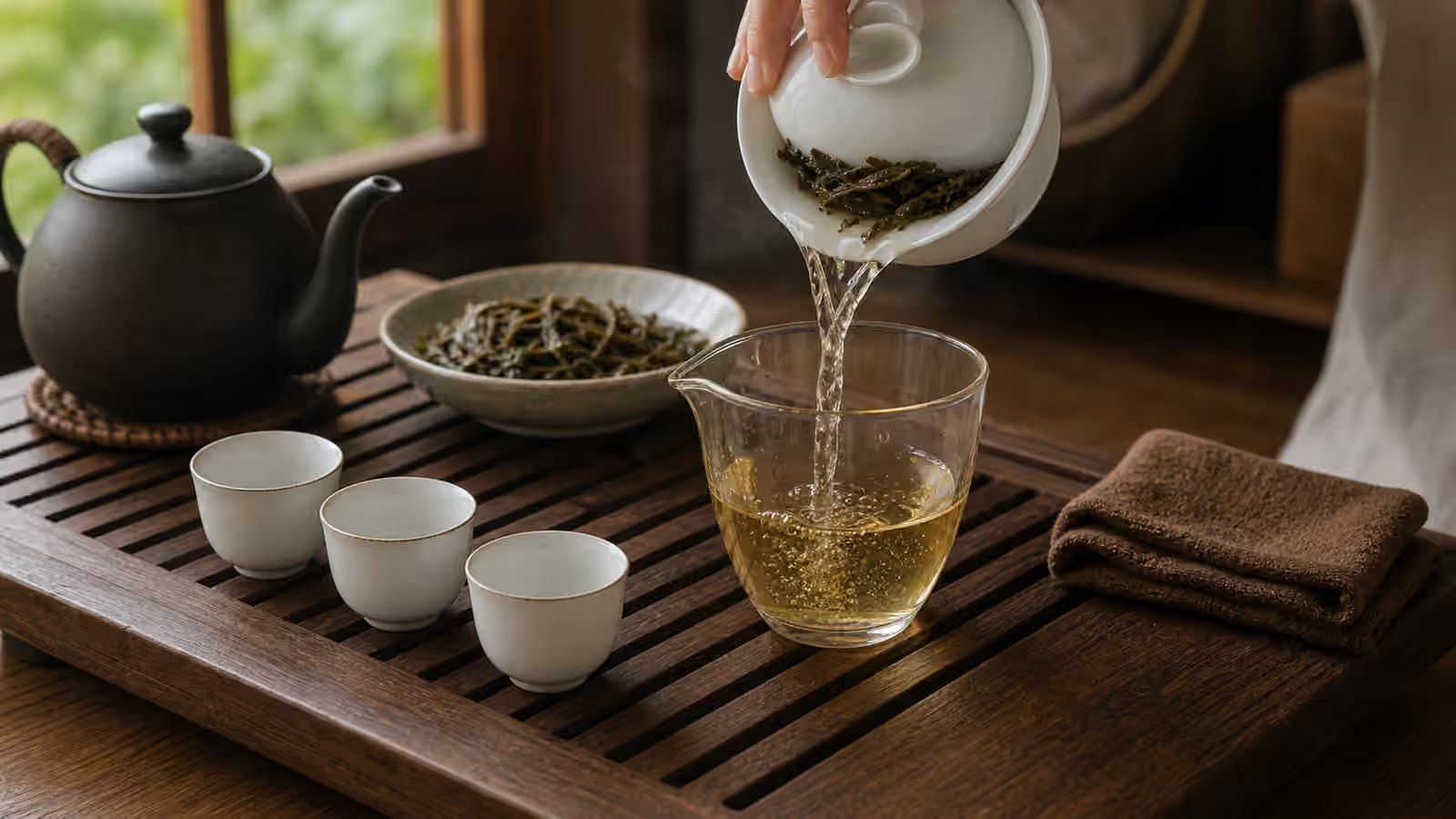
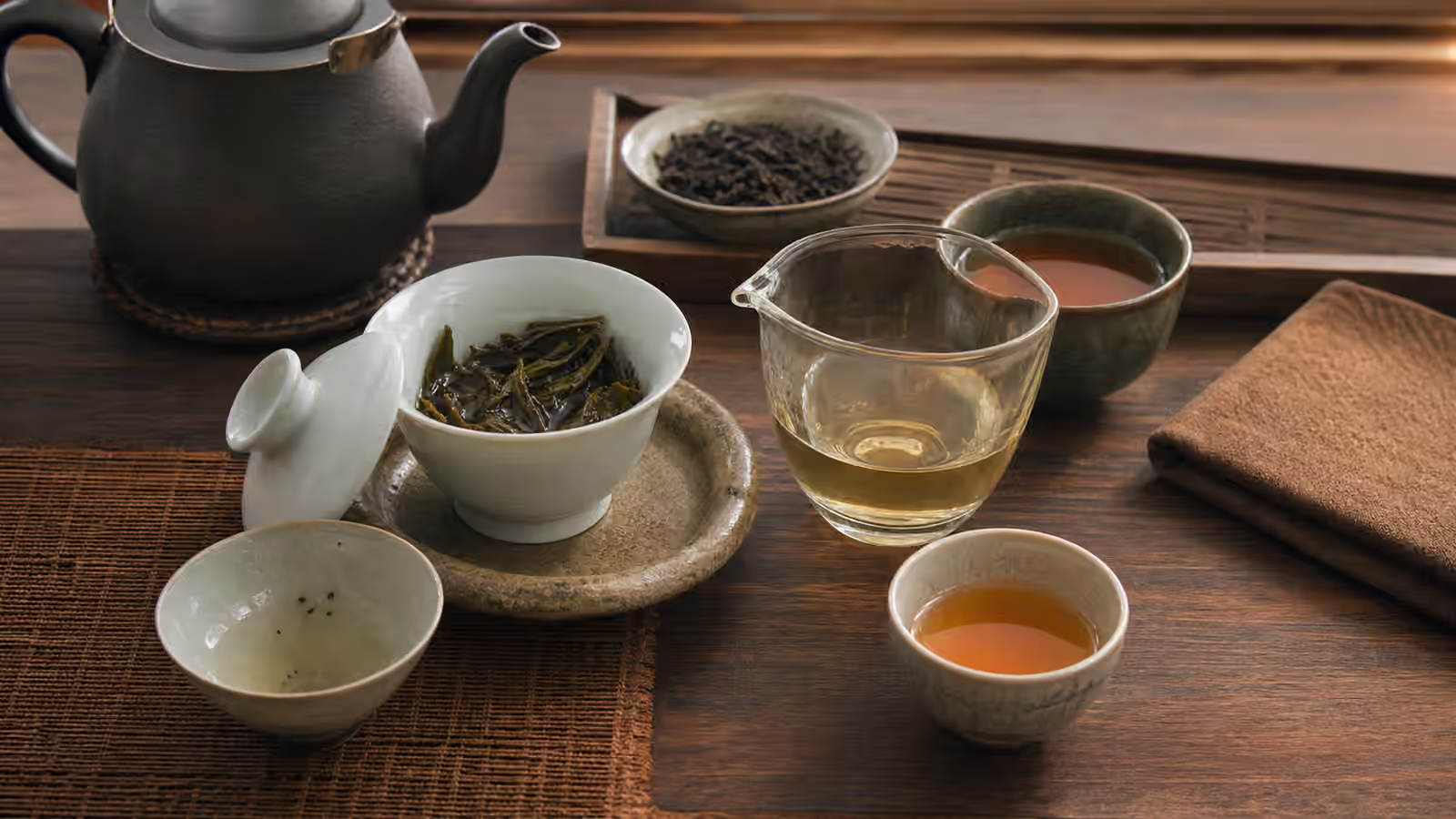
Unglazed clay teapots attract more romance than almost any other piece of tea gear. They are described as seasoning, breathing, softening, remembering, rounding, and improving tea. Some of those ideas point to real effects. Unglazed clay can hold heat differently from porcelain, interact subtly with aroma and texture, and retain traces of repeated use. The trouble begins when the pot is treated as magic. A clay teapot cannot rescue stale leaves, bad water, careless timing, or a tea you do not enjoy. It is a tool with character, not a shrine.
This guide is for the practical drinker who is curious about small clay teapots, especially for oolong, black tea, Pu-erh, and other teas often brewed in repeated infusions. If you are still choosing a first vessel, read Teapots, Gaiwans, Kyusu, and Infusers first. If you already use a gaiwan comfortably, clay becomes easier to judge because you have a neutral comparison.
What unglazed clay can change
Unglazed clay is porous compared with glazed ceramic or glass. The degree of porosity depends on the clay body, firing, construction, and finish. Some pots absorb aroma readily. Others are dense and relatively quiet. A clay pot may round rough edges in a tea, hold heat in a way that suits darker leaves, or soften the impression of sharpness. It may also mute high fragrance, make delicate teas feel dull, or carry old aromas into a new session.
Heat behavior matters as much as seasoning. A small thick-walled pot can keep heat steady for rolled oolongs, ripe Pu-erh, aged teas, or robust black teas. A thin porcelain gaiwan may give more aroma lift and faster cooling. Neither is superior in every case. If a green tea tastes trapped and heavy in clay, the pot is not failing. It may simply be the wrong vessel for that leaf. Oolong Tea: Light, Roasted, Rolled, and Complex is a good place to test this difference because oolongs vary widely in oxidation and roast.
The sensory effect is usually modest. Do not expect a dramatic transformation unless the comparison vessel was poorly matched. Clay is most useful when it nudges a tea you already like in a direction you enjoy: rounder, warmer, deeper, less piercing, or more integrated.
Dedication is useful, but not sacred
Tea people often recommend dedicating an unglazed pot to one tea family. The reason is simple: porous clay can retain aroma and oils. If you brew smoky tea, spiced tea, jasmine tea, and delicate green tea in the same unglazed pot, the results may become confused. Dedication reduces that problem. It also lets you learn how one group of teas behaves in one vessel over time.
Dedication does not need to become theatrical. You might keep one small clay pot for roasted oolongs, another for ripe Pu-erh, and use porcelain for everything else. Or you might own one unglazed pot and use it only for the tea you drink most often. If you brew many unrelated teas, glazed ceramic is easier. If you enjoy comparison, a gaiwan remains valuable because it shows the leaf with less vessel influence.
The first dedicated pot should match a real habit, not a fantasy shelf. If you drink roasted oolong twice a week, a clay pot for roasted oolong makes sense. If you have one sample of aged tea and an idea that you might become a collector someday, wait. The pot should follow the tea, not the other way around.
Seasoning is mostly repeated use
Seasoning a clay teapot means letting the pot gradually take on character from repeated brewing. It does not require elaborate ceremonies. Rinse the new pot with clean hot water, brew tea in it, empty it, rinse it, and let it dry thoroughly. Over time, the clay may darken, develop a soft sheen, and lose any raw mineral smell. The inside may become familiar with the teas you choose.
Avoid coating the pot with random oils, soaps, scented products, or strong flavored teas unless that flavor is what you want forever. Do not scrub the inside aggressively with abrasive cleaners as a routine. Do not store the pot closed while damp. Mold, stale smell, and trapped moisture are more serious than any failure to perform a perfect seasoning ritual.
If a new pot smells dusty or earthy, rinse it several times with hot water. Brew a simple tea in it and discard that first session if you want to be cautious. If the smell remains unpleasant, the problem may be the pot, storage, or material quality. A teapot should not demand blind loyalty.
Shape and size affect the brew
Small clay pots are often associated with gongfu brewing: more leaf, less water, shorter infusions, and repeated pours. The pot’s size should fit the cup count and your attention span. A very small pot can be lovely for one person but irritating for guests. A larger pot can be more relaxed but may lose some of the concentrated rhythm that makes gongfu brewing useful.
Shape matters too. A round pot gives rolled oolong room to open. A flatter pot may suit strip-style leaves. A tall narrow pot may hold heat differently and pour differently. The lid fit, pour speed, and filter design can matter more than the clay name. A beautiful pot that dribbles, clogs, burns your fingers, or pours slowly enough to oversteep the tea will not improve daily practice.
Before buying, imagine the actual movement. How will you add leaves? Can you pour fully without strain? Is the lid easy to hold? Will the opening fit the leaf style? Can you clean it? Tea gear should be judged by the session, not the product photo.
Cleaning and storage protect the pot
After brewing, empty the leaves and rinse the pot with hot water. Let it dry completely with the lid off or tilted. Wipe the outside with a clean cloth if tea has spilled, but do not polish the pot with anything scented. Avoid dish soap inside an unglazed pot because scent can linger. If soap accidentally touches the outside, rinse well and do not panic.
If a pot develops a stale smell, air it out first. Then rinse with hot water several times. Some people use a mild baking soda solution for problem odors, but that can also leave residue if not rinsed thoroughly. The better prevention is simple: never leave wet leaves in the pot, never close it damp, and never store it near spices, detergent, or cooking odors.
Cracks, chips, and loose lids are practical issues. Clay teapots can be sturdy, but small thin parts are still breakable. Store the lid with care. Do not crowd it in a cabinet where it will knock against mugs. A tool meant for calm tea should not live in a risky pile.
Use a neutral vessel as a reference
The best way to understand a clay pot is to brew the same tea in a neutral vessel and in the clay pot. Use similar leaf amount, water, and timing. Taste for aroma, body, dryness, aftertaste, and heat retention. Does the clay pot make the tea rounder, duller, deeper, smoother, or simply different? Would you want that change every time?
This comparison keeps the pot honest. It also keeps your buying habits sane. You may discover that porcelain gives better fragrance for light oolong, while clay makes a roasted oolong feel settled. You may prefer ripe Pu-erh in a small clay pot because the body feels warmer. You may decide that your favorite black tea tastes clearer in glazed ceramic. All of those results are useful.
Unglazed clay teapots reward repetition, but they do not need superstition. Choose one because it fits a tea you already drink, because the pour is good, because cleaning is manageable, and because the cup improves in a way you can taste. Let the pot be beautiful if it is beautiful. Then make it earn its place on the table.