Brewing tea for guests is not the same as making a private mug. The tea has to survive conversation, uneven timing, different preferences, and the simple fact that the first cup poured from a pot may not taste like the last. Good service is mostly quiet planning. Choose a tea that suits the moment, brew it in a way that keeps flavor even, and make the table easy enough that you can sit down instead of hovering over the kettle.
Choose the tea by the room
For a group, the best tea is not always the rarest tea. It is the tea that fits the food, the hour, the guests, and the amount of attention available. A delicate green tea can be lovely with quiet company, but it punishes distraction. A brisk black tea is forgiving, especially with breakfast, dessert, or milk nearby. A roasted oolong can sit comfortably after a meal. A caffeine-free herbal infusion may be the considerate choice late in the evening, especially when guests have different sensitivities.
The guide to Tea Pairing With Breakfast, Dessert, Cheese, and Snacks helps because food changes what guests notice. Sweet food can make a tea seem more bitter. Salty snacks can make roasted or malty teas feel rounder. Creamy desserts may need tannin or roast. Fresh fruit may suit green, white, floral, or lightly oxidized teas. If the table has strong flavors, do not choose a tea so subtle that it disappears before anyone can find it.
Avoid building the whole service around a tea that requires an explanation before it tastes good. A challenging young Pu-erh, a very smoky tea, or an expensive green tea with narrow timing can be interesting in a tasting, but ordinary hospitality has a different job. It should make people feel attended to without making the host perform. If you want the gathering to be about comparison and attention, Host a Tea Tasting at Home is the better model. If you want conversation with good cups alongside it, choose steadiness.
Make every cup taste like the same brew
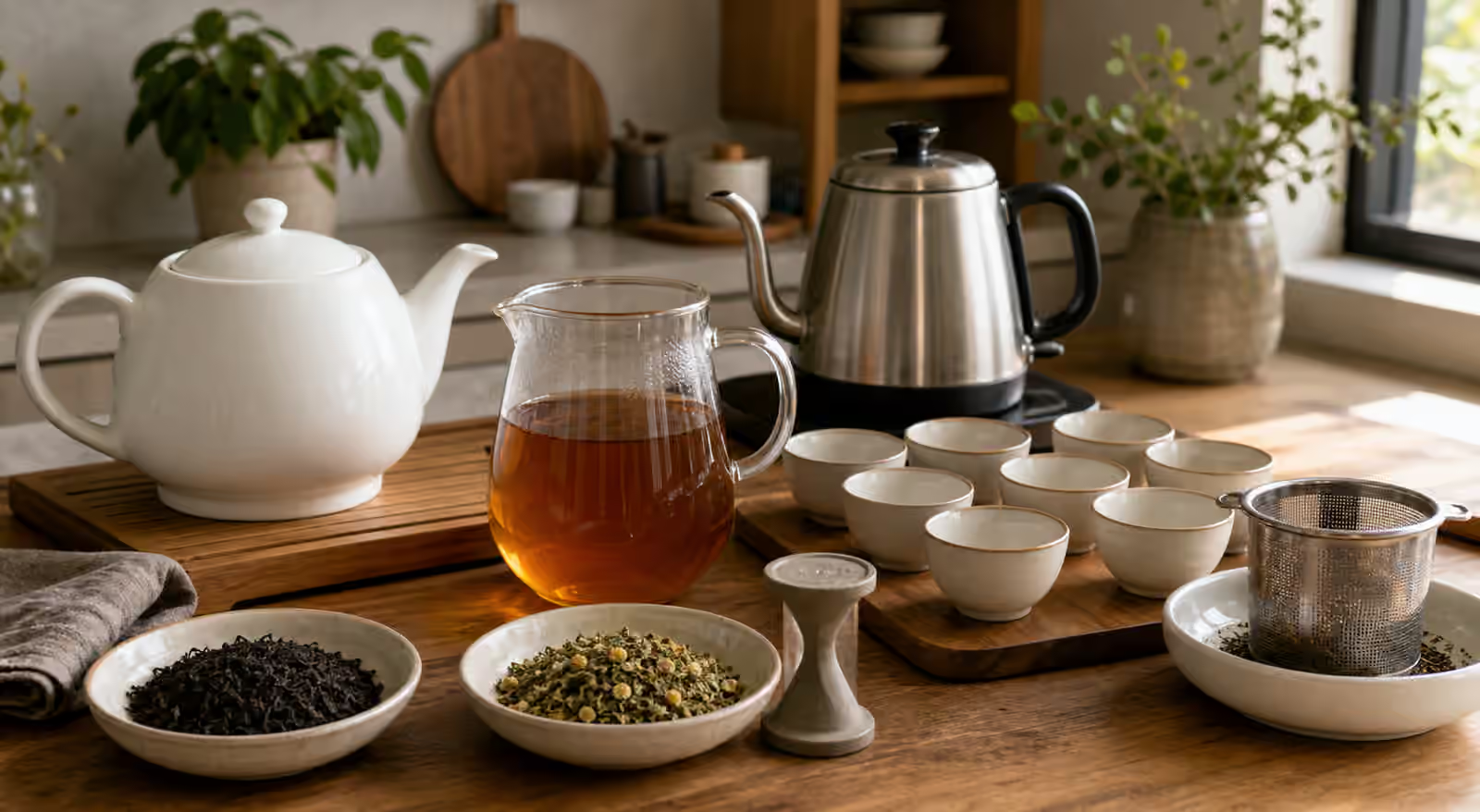
A teapot extracts while the leaves sit in water. If you pour one guest’s cup at the beginning and another at the end, the cups may differ sharply. The first may be pale and fragrant. The last may be dark and tannic. This is why a sharing pitcher, sometimes called a fairness pitcher, is useful even outside formal gongfu brewing. Decant the whole pot into the pitcher when the tea is ready, then pour from the pitcher into cups. The leaves stop brewing, and every guest receives the same infusion.
If you do not have a pitcher, pour in rounds. Move from cup to cup, giving each a little tea, then circle back until all are filled. This blends the lighter early pour with the stronger late pour. It takes a few extra seconds and prevents the common problem of one perfect cup and one punishing cup. A teapot with a removable infuser can also help, but only if the basket is large enough for leaves to expand. Cramped baskets create weak flavor in the center and over-extraction around the edges.
The vessel advice in Teapots, Gaiwans, Kyusu, and Infusers matters more when serving several people. A beautiful pot that dribbles, pours slowly, or traps leaves in the spout becomes annoying under pressure. A plain pot that pours cleanly and holds the right amount is often the better host. The goal is not ceremony for its own sake. It is an even brew with less fuss.
Scale leaf and water with care
Scaling tea is not as simple as multiplying everything perfectly. A large pot loses heat differently from a small mug. A crowded infuser extracts differently from loose leaves in a roomy pot. A table of guests may drink slowly, which means brewed tea can cool before the second pour. Still, a written baseline helps. Use the same leaf-to-water habit you trust for one cup, then adjust after tasting the first group brew.
Large pots often tempt hosts to use too little leaf. The result is a pot that looks generous but tastes hollow. Weak tea becomes especially disappointing with milk, dessert, or conversation because it vanishes. On the other side, overleafing a large pot can create a harsh brew that no amount of dilution fully repairs. Start with a dependable ratio, brew a small test cup if the tea is unfamiliar, and remember the advice from Brewing Temperature and Time Without Guesswork : change one variable at a time.
Preheating can help when the pot is large, heavy, or cold. A quick rinse with hot water warms the vessel so the brewing water does not lose heat immediately. This is most useful for black tea, roasted oolong, and other teas that depend on heat for body. For delicate green tea, the cooling effect may not be a problem and can even protect the leaves. The point is to notice the material in front of you, not to follow a ritual blindly.
Keep timing visible but relaxed
Hosts often lose track of steep time because they are answering the door, finding cups, or talking. Tea does not care that you got distracted. A quiet timer on a phone or kitchen clock is not unromantic; it is respectful. It lets you return to the table with tea that tastes intentional. If timers feel too stiff for the occasion, choose forgiving teas. Roasted oolong, many black teas, hojicha, rooibos, mint, and some darker oolongs tolerate conversation better than delicate spring greens.
Prepare the service area before water is hot. Cups should be out, the pitcher ready, the tea measured, and a place for spent leaves available. If milk, lemon, sugar, honey, or snacks are part of the table, put them where guests can reach them without interrupting the pour. This small staging keeps the tea from oversteeping while you search for a spoon. It also makes additions feel like choices rather than apologies for a brew that went wrong.
When serving a tea that can be re-steeped, say so plainly and keep the leaves drained between infusions. A second pot can be a pleasure after food, especially with oolong, white tea, or Pu-erh. But do not force repeated steeps on guests who have moved on. Hospitality includes stopping at the right time. If people are still holding half-full cups, wait. If cups are empty and conversation is still warm, brew again.
Handle different preferences without losing the tea
Guests may want milk, sweetener, lemon, stronger tea, weaker tea, or no caffeine. You do not need to satisfy every possible preference with one pot. It is often better to make one clear tea and offer additions nearby. Black tea, chai, roasted teas, and some herbal infusions handle additions well. Delicate green, white, and floral teas usually taste clearer without them. If you know preferences are divided, brew two teas rather than making one confused compromise.
Caffeine deserves a simple boundary. Tea caffeine varies by leaf, amount, brewing, and serving size, and people vary in sensitivity. For a mixed group, especially later in the day, it is thoughtful to have a caffeine-free infusion available without making a speech about it. Herbal Infusions and Tisanes and Rooibos, Mint, Chamomile, and Hibiscus give useful options, though anyone with medical concerns should rely on qualified personal advice rather than a host’s guess.
Temperature is another preference that affects comfort. Some guests want tea very hot. Others wait until it cools. Small cups solve part of the problem because they let people drink while the tea is lively and receive more later. A large mug poured to the brim can become a lukewarm commitment. Smaller pours also make stronger teas less overwhelming and leave room for food.
Leave room for the gathering
The best guest service feels considered but not fragile. A good pot, a clean pour, cups that match the number of people, and a tea chosen for the hour will carry most occasions. You do not need rare equipment or elaborate gestures. You need to keep the leaves from sitting too long, keep the cups even, and keep the setup simple enough that the host can join the table.
After guests leave, write down what worked. Note the tea, amount, pot size, steep time, and whether people wanted more. This is not bookkeeping for its own sake. It is how a household tea rhythm develops. The next time, you will know which black tea held milk, which oolong suited dessert, which herbal infusion disappeared first, and which pot was too small. Tea service becomes easier when it is remembered as practice rather than staged as performance.