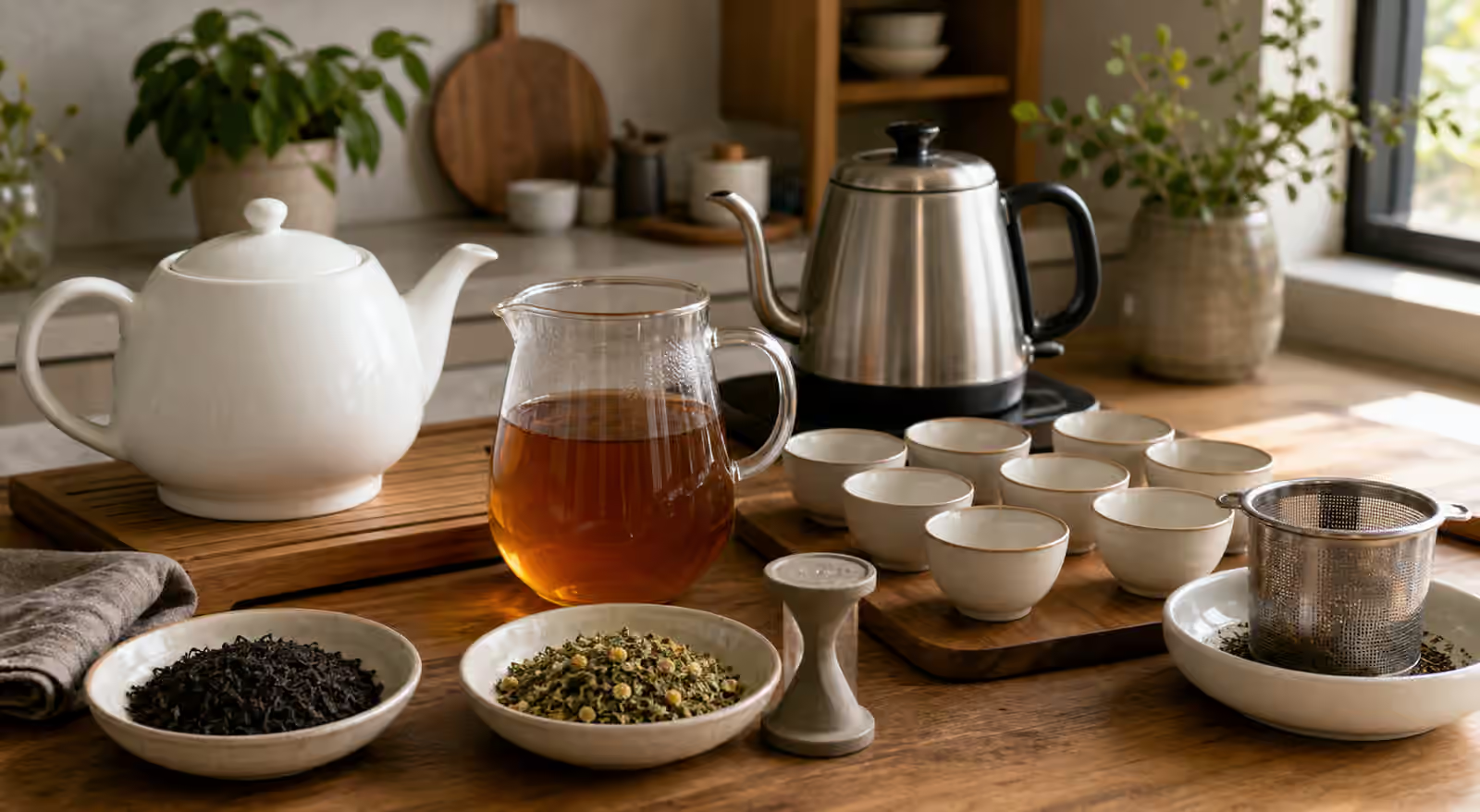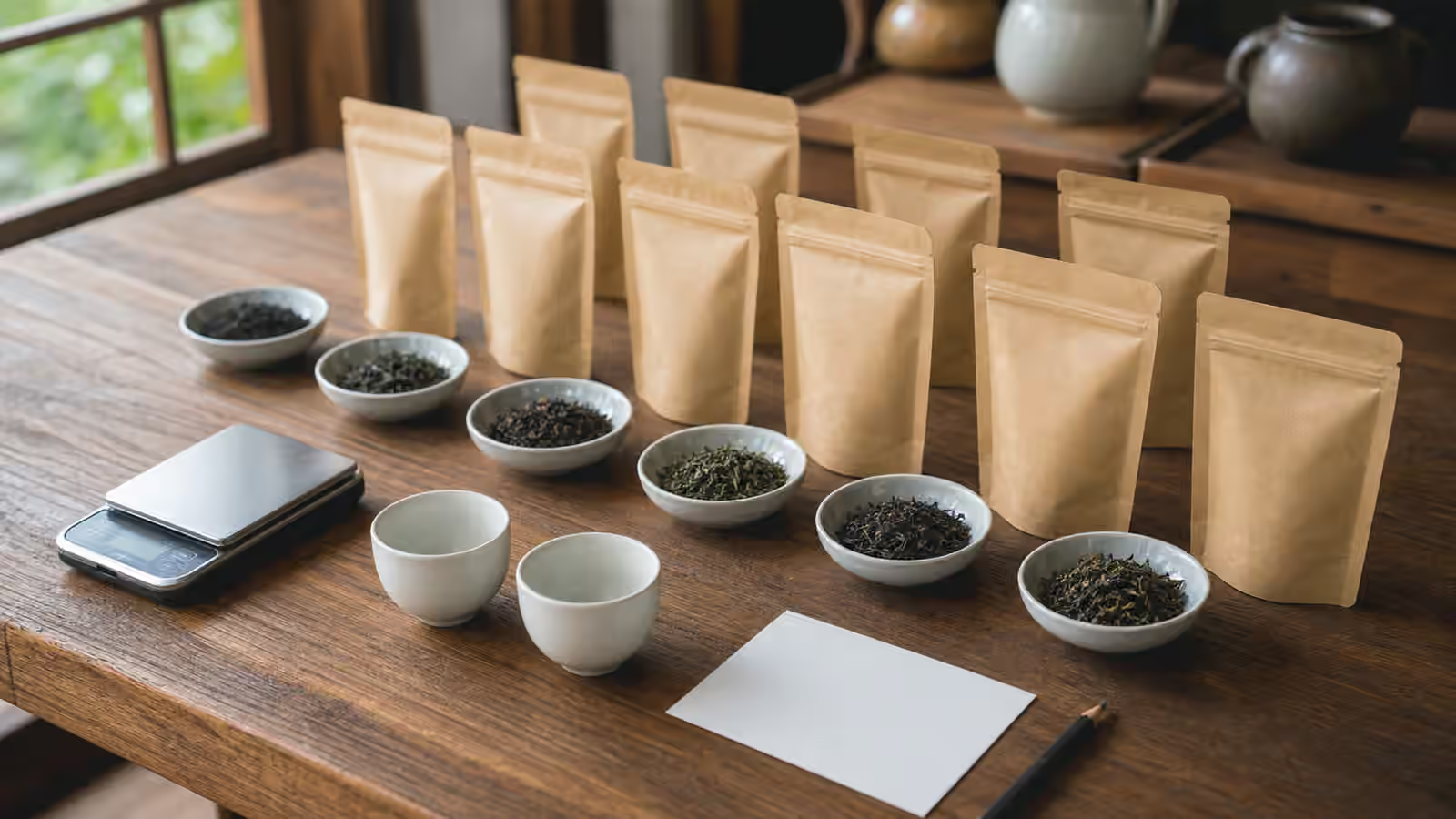
Tea samples are not tiny trophies. They are a way to answer a question before a full bag takes over the shelf. A small packet can tell you whether you actually like the aroma after brewing, whether your water suits the leaf, whether the tea stays interesting through a second infusion, and whether the style fits the time of day when you imagined drinking it. Used well, samples make buying calmer. Used badly, they become a drawer of unlabeled fragments that feel too precious to finish and too stale to enjoy.
The point is not to taste everything. The point is to reduce guesswork. The broader Tea Buying Without Getting Lost page starts with buying by job, and samples make that habit more honest. A tea that sounds perfect on a vendor page still has to work in your cup, with your kettle, in your daily rhythm.
Start With One Question
A useful sample order begins before the cart. Ask what you are trying to learn. Maybe you want a black tea that takes milk without turning rough. Maybe you want a green tea that tastes fresh but not sharp. Maybe you want to understand why one oolong is described as floral and another as roasted. Maybe you want a caffeine-free evening cup that tastes like a drink rather than a compromise.
That question shapes the order. Three related samples are usually more useful than ten unrelated curiosities. If you want to understand Indian black tea, compare Assam, Darjeeling, and Nilgiri instead of scattering the order across every tea family. If you want a better evening routine, compare rooibos, roasted barley, mint, and a decaf black tea rather than adding an expensive spring green because it caught your eye. Curiosity is good, but comparison teaches faster when the samples are near enough to speak to each other.
Small orders also protect freshness. Many teas fade after opening, especially green teas, delicate black teas, scented teas, and anything stored carelessly. A full bag bought too early can become an obligation. A sample lets you taste while the tea is still lively, decide quickly, and move on without turning the cupboard into a waiting room.
Brew Samples More Consistently Than Usual
When you are tasting a new tea, consistency matters more than ceremony. Use the same cup size, leaf amount, water source, and timing across related samples unless the vendor gives a specific warning that deserves attention. If one sample is brewed strong in a small gaiwan and another is brewed casually in a large mug, the comparison may be mostly about method. The habits in Leaf-to-Water Ratio for Tea Without Guesswork keep the sample from being blamed for a concentration problem.
That does not mean every sample needs laboratory treatment. A normal home baseline is better than a perfect method you will never repeat. If you usually drink tea from a mug with a basket infuser, test some samples that way. If a tea only tastes good under a special setup you rarely use, that is useful information. A beautiful tea can still be the wrong purchase for your life.
Give each sample enough room to show itself. Cramped infusers punish rolled oolongs, large white tea leaves, and whole-leaf black teas. Small broken teas may extract fast and need shorter timing. Compressed teas may need a little loosening before they speak clearly. The dry leaf gives clues, but the wet leaf confirms them. Reading Wet Tea Leaves After Brewing is especially helpful when a sample tastes weaker or harsher than expected.
Taste A Sample Twice Before Judging It
The first cup of a sample often says as much about your expectations as it does about the tea. If you expected sweetness and got briskness, you may call the tea harsh. If you expected power and got fragrance, you may call it thin. A second session lets you adjust without panic. Change one variable, not all of them. If the first cup was bitter, lower the heat or shorten the time. If it was hollow, use a little more leaf or a longer steep. If the aroma was clear but the body was quiet, try a smaller cup before deciding the tea is weak.
This is where plain notes beat elaborate scoring. Write the tea name, the amount, the water temperature if you know it, the time, and one honest sentence. “Good aroma, too dry at three minutes” will help more than a grand rating that hides the cause. The language from Tasting Tea Without Pretension fits sample work because it keeps attention on aroma, body, sweetness, dryness, and finish.
Some samples deserve repeated infusions. Rolled oolong, white tea, Pu-erh, and many whole-leaf teas may change more after the first pour than a quick mug suggests. Other samples give most of themselves at once. Neither behavior is automatically better. The question is whether the tea fits the way you will drink it. If you love long sessions, range across infusions matters. If you need an office mug, reliability in one steep may matter more.
Separate Curiosity From Stocking Up
A sample can be interesting without earning a full bag. This distinction keeps the shelf practical. Some teas are worth tasting once because they teach a style, region, process, or aroma. That does not mean they belong in regular rotation. A smoky tea may be fascinating and still too assertive for most evenings. A delicate green tea may be lovely and still too fragile for your storage habits. A compressed dark tea may be intriguing and still too involved for weekday mornings.
Before buying more, ask when you would drink it next. If the answer is vague, wait. If the answer is clear, buy a modest amount, not the largest discount bag. Tea freshness and personal attention both have limits. The storage advice in Tea Storage: Freshness, Light, Air, Heat, and Scent becomes easier when the shelf is not crowded with teas you bought for an imagined future self.
Samples also help you see vendor language more clearly. A label may name a region, harvest, cultivar, garden, roast, scenting, or grade. Those words matter only when they connect to the cup. Reading Tea Origin Names Without Getting Lost is a useful companion because it treats labels as clues, not promises. If a sample tastes good and the description helped you brew it, that vendor earned trust. If the description was romantic but unhelpful, the sample protected you from buying blind.
Keep The Sample Drawer Moving
Samples should be easy to reach and easy to finish. Put them in a small box, keep them away from heat and steam, and write the opening date on packets if they will not be used quickly. Do not save the last cup forever. The last cup is often the most useful one because it confirms whether you miss the tea when it is gone.
When a sample disappoints, give it a fair second try, then release it from duty. It may become iced tea, a blending experiment, a milk tea base, or simply a lesson. When a sample succeeds, note why. Was it the aroma, the body, the way it handled milk, the calm evening feel, the second infusion, or the food pairing? That reason is what guides the next order.
Small orders make a tea shelf more personal because they slow the leap from desire to inventory. You taste first, decide after, and buy only what has a real place at the table. The result is not a smaller tea life. It is a fresher one.