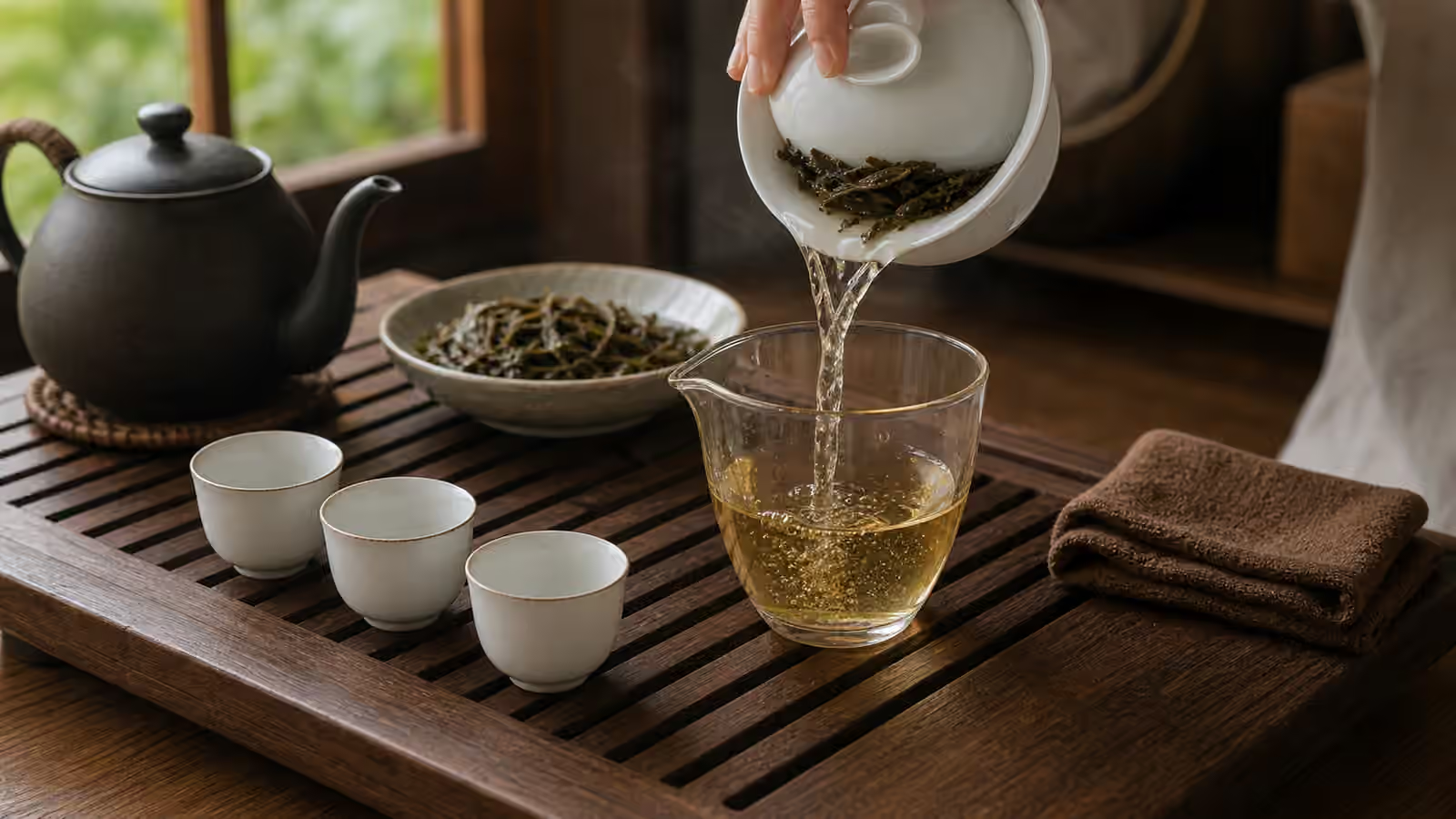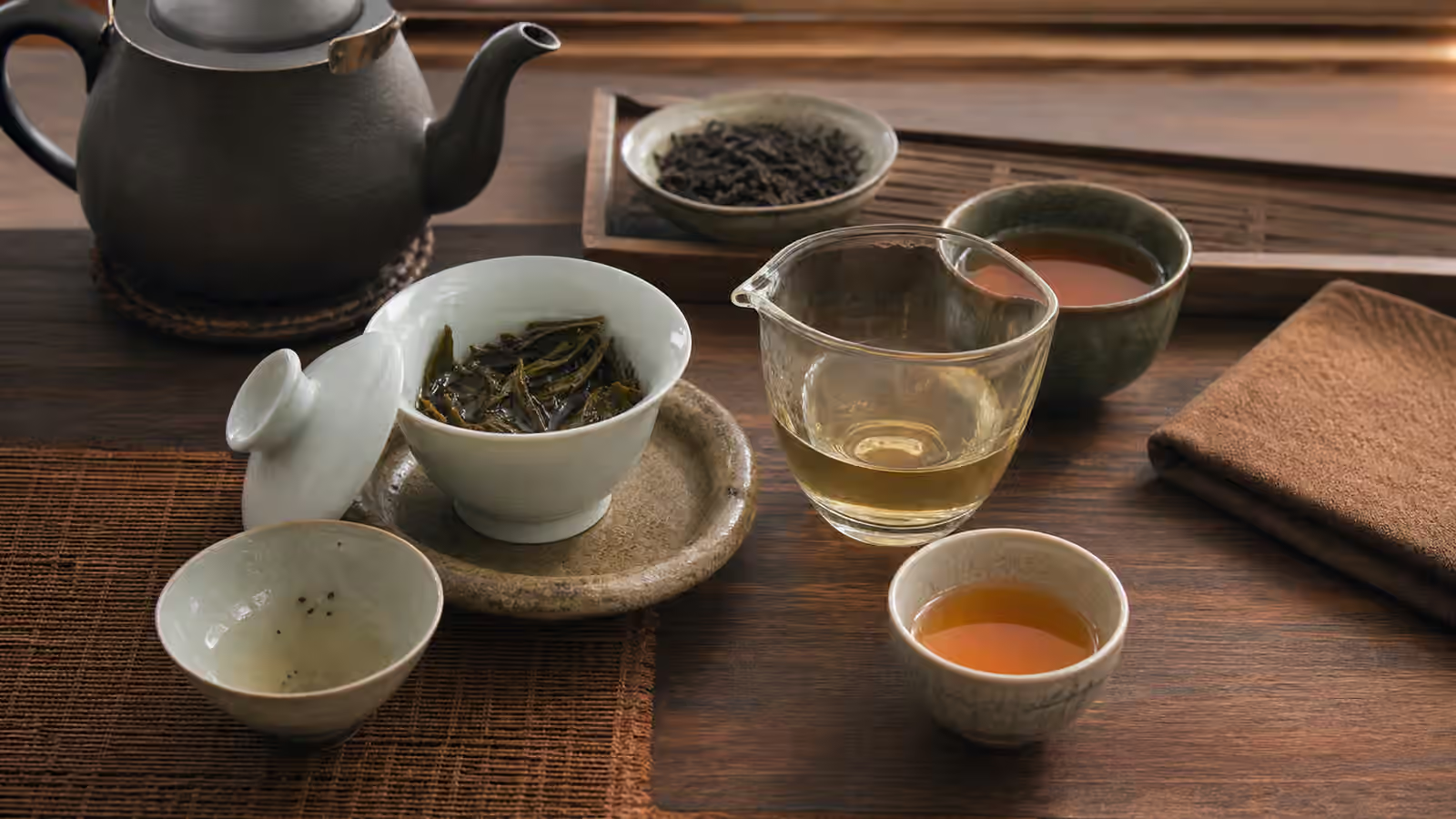
A tea rinse is a quick contact between hot water and leaf before the first drinking infusion. Sometimes it wakes a compressed tea, warms the vessel, rinses away loose dust, and helps tight leaves open. Sometimes it throws away the most fragrant cup. The difference depends on the tea, the method, and the reason for rinsing. A rinse should be a choice, not a reflex copied from a ceremonial script.
The question is simple: what problem is the rinse solving? If the answer is unclear, taste the first infusion before deciding it never belonged in the cup. The same practical spirit runs through Gongfu Tea for Beginners , where small tools matter because they help the tea, not because they prove seriousness.
What A Rinse Actually Does
A rinse hydrates the surface of the leaf and changes the temperature of the brewing vessel. With tightly rolled oolong, compressed dark tea, or dense chunks from a cake, that first splash can loosen the material enough for the next infusion to brew more evenly. With a cold gaiwan or pot, the rinse also warms the ceramic, so the first real infusion does not lose heat immediately.
It can also carry away small particles. Broken fragments, tea dust, crumbs from compressed tea, and stray surface material may make the first liquid cloudy or rough. A brief rinse can make the following cup clearer. That does not mean every tea needs cleaning. Many loose teas are ready to drink from the first infusion, and the first cup may hold delicate aroma that will not return.
Calling the rinse a wash can create the wrong impression. It is not a safety guarantee, and it is not a substitute for buying tea from sources you trust. It is a brewing move. Treat it as one variable among leaf amount, water temperature, vessel, and time.
Teas That Often Benefit
Compressed tea is the easiest case. A piece of Pu-erh, dark tea, brick tea, or tuocha may need help opening. The first contact with hot water can loosen edges and let the next infusion reach the interior more evenly. Compressed Tea Cakes, Bricks, and Tuocha covers the format, and a rinse often makes that format less awkward.
Tightly rolled oolongs may also benefit, especially when brewed in short infusions. The leaves begin as compact beads or nuggets and unfurl gradually. A very quick rinse can warm and wake them without asking the first drinking cup to do all the work. Some roasted oolongs release a first burst of roast in the rinse, leaving the next cup clearer. Other oolongs smell wonderful right away, and discarding the first liquid may be a loss. The only way to know is to compare.
Dark, aged, or heavily processed teas are common rinse candidates because they are often brewed with more leaf in smaller vessels. When leaf amount is high, the first seconds can be intense, dusty, or uneven. A rinse gives the session a cleaner start. Still, Pu-erh and Dark Teas for Beginners is careful about expectations: dark tea is a family of styles, not a single rule.
Teas Where A Rinse Can Waste The Best Moment
Fresh green tea often does not want a rinse. The opening aroma may be grassy, nutty, marine, floral, or sweet, and it can be fragile. A quick discard may take away the liveliest part of the session. Japanese greens, tender Chinese greens, and many spring teas usually deserve a first infusion that you actually taste. If the cup is too sharp, adjust heat or time rather than assuming the tea needed a rinse.
White tea is another case where rinsing can be questionable. Bud-heavy white teas may release fragrance gently, and the first infusion can be pale but meaningful. Some aged or compressed white teas may benefit from a wake-up splash, but loose delicate white tea often does not. White Tea: Gentle Leaves, Simple Brewing, and Subtle Flavor is a better foundation than a borrowed rinse habit.
Scented teas can also lose charm in a rinse. Jasmine tea, Earl Grey, and floral blends may give much of their top aroma immediately. If you discard that first liquid, the next cup may taste more like base tea with less lift. That can be useful if the scenting is too loud, but it should be intentional.
How To Test Without Making A Production Of It
Use one tea and brew it two ways on different days. In the first session, drink the first infusion. In the second, give the leaves a very brief rinse, discard it, and drink the next infusion as the first cup. Keep the leaf amount, water, vessel, and timing as similar as you can. Then ask what changed. Was the rinsed session clearer, rounder, and more even, or did it lose fragrance? Did the first drinking cup become better, or merely different?
This comparison works best with small vessels because the rinse and infusion can be kept brief. In a large mug, a rinse may be clumsy and wasteful. If you brew western style with a basket infuser, you can still warm the mug or pot separately with hot water and skip rinsing the leaves. Warming the vessel solves the heat problem without touching the tea.
The wet leaves tell part of the story. After a rinse, look at whether the leaves opened slightly or remained tight. Smell them. If they smell vivid and ready, the next infusion may be promising. If the rinse smelled like the best part of the tea, remember that. Reading Wet Tea Leaves After Brewing turns this from superstition into feedback.
Do Not Let The Rinse Replace Tasting
Some tea drinkers rinse almost everything because the habit feels orderly. Others refuse to rinse anything because they hate waste. Both positions are too rigid. Tea changes by style, storage, compression, roast, leaf size, and vessel. A practical drinker lets the tea make the case.
If the first cup tastes dusty, flat, or cramped, a rinse may help next time. If the first cup is fragrant and delicious, there is no need to sacrifice it. If a tea grows slowly across infusions, the first cup may be a quiet beginning rather than a mistake. Re-Steeping Tea Leaves Without Losing the Thread is useful here because it treats the session as a sequence, not a single pass or fail.
Rinsing can also hide other problems. A harsh first infusion may come from too much leaf, water that is too hot, or a slow pour. A thin first infusion may come from too little leaf or a vessel that lost heat. Before adding a rinse to every session, use the diagnostic habits in Fix Bitter, Flat, or Weak Tea . The rinse should not become a way to avoid adjusting the recipe.
A Calm Rule Of Thumb
Rinse when the tea is compressed, very tightly rolled, dusty with broken particles, heavily roasted in a way that benefits from softening, or being brewed with a lot of leaf in a small vessel. Think twice before rinsing delicate green tea, fresh white tea, aromatic scented tea, or any tea whose first fragrance is the reason you bought it. When unsure, drink the first infusion once. You can always rinse next time, but you cannot learn from a cup you threw away by habit.
A rinse is useful when it makes the following tea clearer. It is unnecessary when it performs seriousness at the expense of flavor. Let the first infusion earn its place or give you a reason to change, and the practice stays grounded.