Tea categories make more sense when you stop treating them as flavors first and start treating them as processing decisions. Green tea, black tea, oolong, white tea, and Pu-erh all begin with leaves from the tea plant. The cup changes because the leaves are handled differently after harvest: they may be rested, bruised, heated, rolled, shaped, roasted, dried, piled, compressed, aged, or scented. Those choices determine how green the leaf stays, how much aroma develops, how the body feels, and how forgiving the tea will be in the pot.
Fresh leaves are not finished tea
A freshly plucked tea leaf is alive with water, enzymes, aroma precursors, bitterness, and green plant character. If it is ignored, it will bruise, darken, dry unevenly, and lose the clean shape a tea maker wants. Processing is the craft of guiding that change before spoilage and dullness take over. This is why two teas from the same region can feel unrelated in the cup. One batch may be kept green and clear. Another may be encouraged toward honey, malt, fruit, flowers, roast, or earth.
The word “processing” can sound industrial, but it also covers hand skill. A maker watches leaf softness, room humidity, temperature, smell, and color. Some steps happen quickly. Others take hours or days. Machinery can be involved, especially for larger production, yet the logic is the same: move water, control oxidation, shape the leaf, stabilize the tea, and preserve flavor well enough for storage and brewing.
This guide connects naturally to Tea Types Explained because category names are shorthand for processing paths. It also helps with Reading Tea Origin Names Without Getting Lost because origin labels often mention harvest, cultivar, roast, oxidation, or leaf style without explaining what those words do.
Withering softens the leaf
Withering is the controlled loss of moisture after harvest. Leaves may rest on trays, racks, cloth, bamboo, or other surfaces while air moves through them. As the leaf loses water, it becomes softer and more flexible. Aromas begin to shift. The fresh cut-grass edge may become sweeter, more floral, or more rounded. A leaf that is too wet can tear badly during rolling. A leaf that is withered too far can taste tired before it ever reaches the kettle.
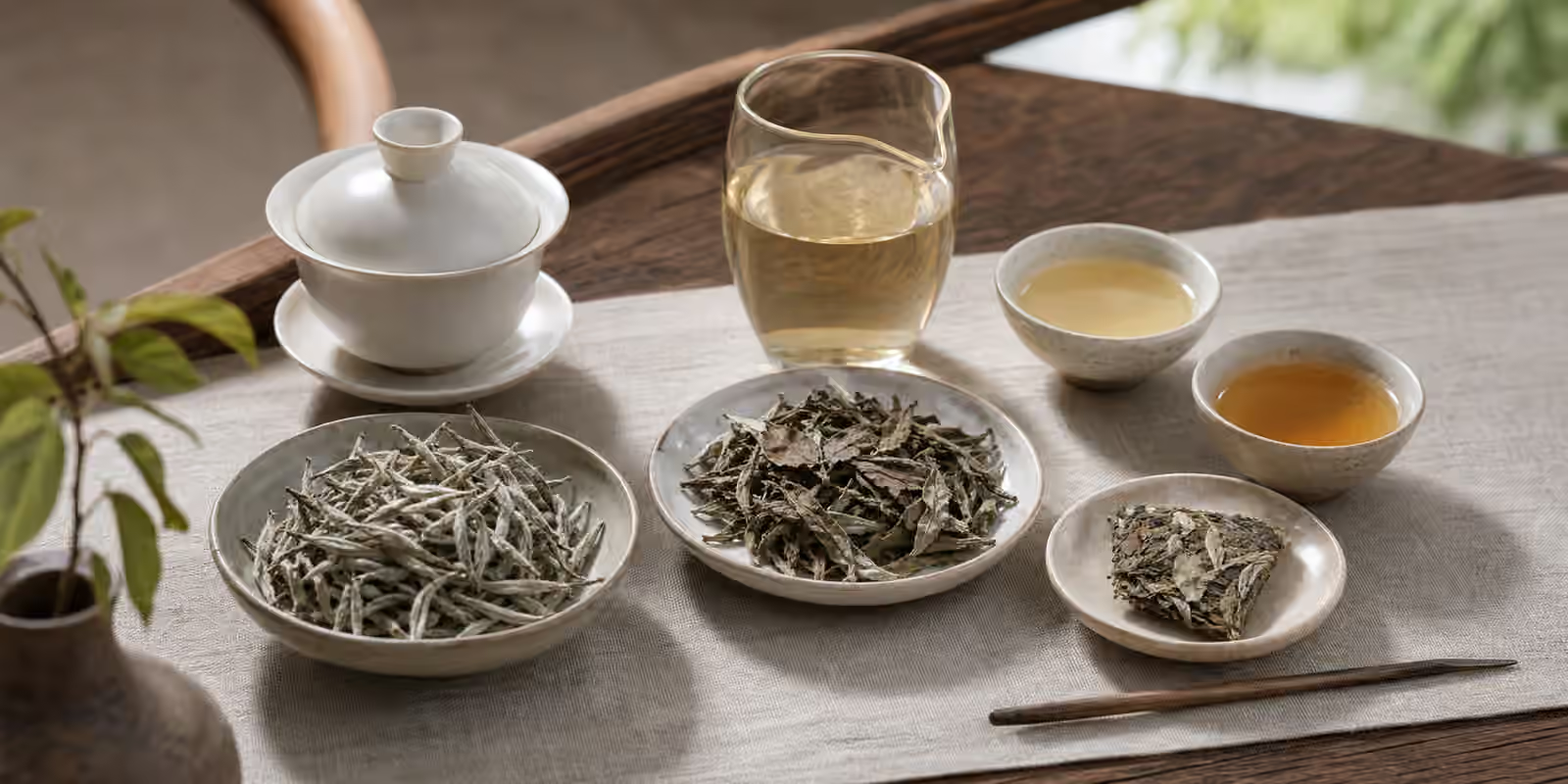
White teas often rely heavily on careful withering and drying, which is one reason they can seem simple on paper but subtle in practice. Oolongs may use withering as the first stage before bruising and partial oxidation. Black teas also need enough softening for rolling or cutting. Even green teas, which are usually heated early to preserve green character, may have a brief resting period before fixation depending on style.
When you taste tea, withering often shows itself as aroma and body rather than a single obvious flavor. A well-handled white tea can feel airy but not empty. A black tea can develop fruit and malt without tasting cooked. An oolong can smell floral before it is roasted because the early leaf handling opened that path.
Fixation stops the green leaf from darkening
Fixation, sometimes called kill-green in English tea writing, is the heating step that slows or stops the enzymes responsible for rapid oxidation. It is central to green tea. Chinese green teas are commonly pan-fired or otherwise heated in a way that can bring nutty, chestnut-like, toasty, or rounded notes. Japanese green teas are commonly steamed, which tends to preserve a deeper green color and a marine, grassy, or vegetal character. These are broad patterns, not promises, but they explain why two green teas can feel so different.
Fixation is also important because it shapes bitterness and aroma. Too little heat control can leave the tea raw, sharp, or unstable. Too much can flatten freshness or push the leaf toward scorched flavors. The maker is not simply cooking leaves. The maker is deciding how much green character should remain and how much sweetness, clarity, and texture the tea can carry.
For brewing, this explains why green teas usually benefit from gentler heat. The processing preserved delicate compounds and fresh aromas, so the drinker should not punish them with careless boiling water. Brewing Temperature and Time Without Guesswork covers the cup-level adjustment. Processing explains why that adjustment matters.
Oxidation builds darker aromas
Oxidation is the browning and aroma development that happens when leaf cells are bruised and exposed to oxygen. The word is sometimes confused with fermentation, but for most black tea and oolong it is not the same as microbial fermentation. It is closer to the way a cut apple browns, though tea makers guide it with far more care. Oxidation changes color, aroma, body, and astringency. It can move a tea toward flowers, fruit, honey, malt, spice, wood, or dried fruit.
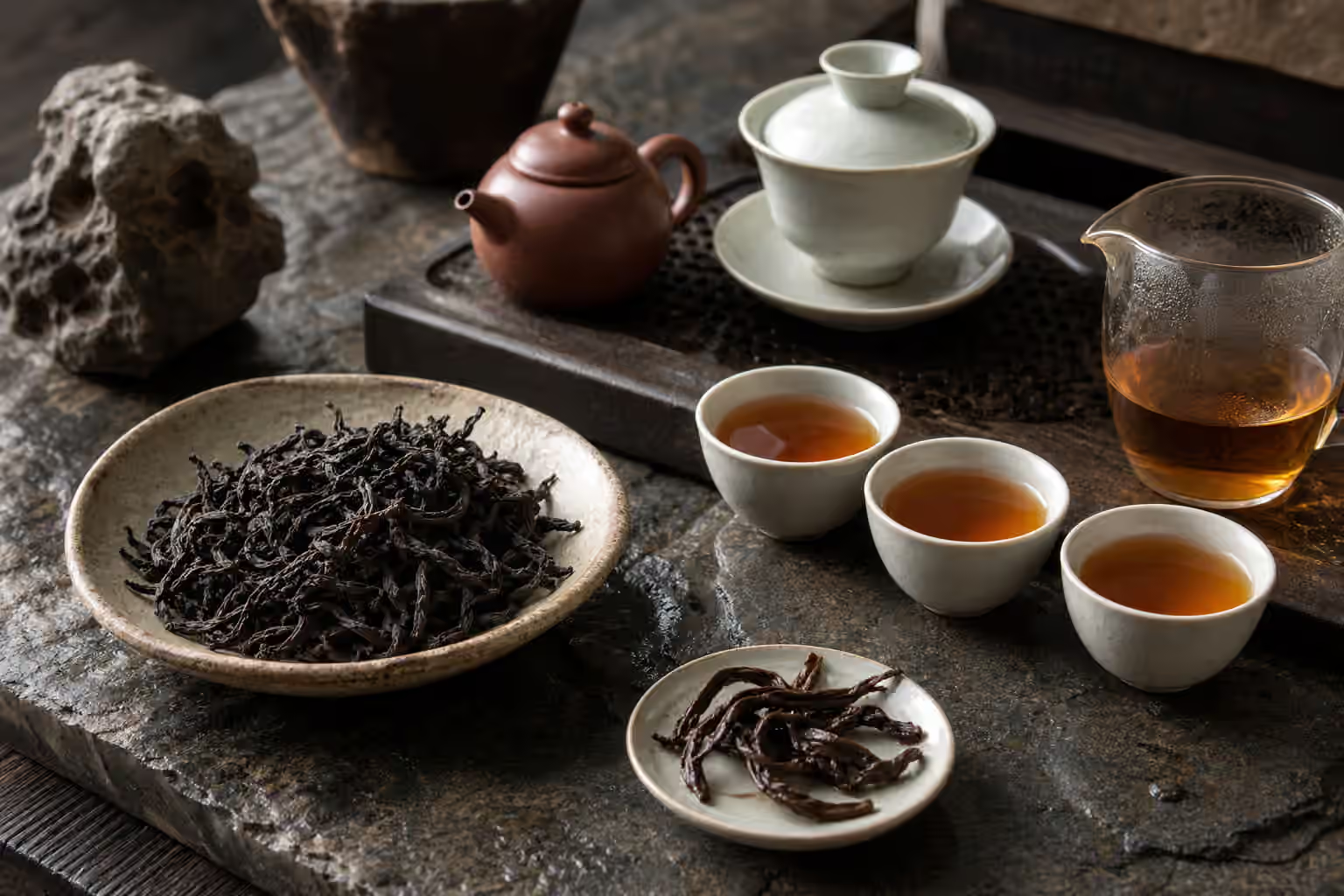
Black teas are usually allowed to oxidize heavily before drying. That is why they often brew amber, red, or dark brown and can carry enough structure for milk, breakfast food, or a brisk morning cup. Oolongs are partially oxidized, which is a large category rather than a single point. A very light oolong may stay green, creamy, and floral. A more oxidized oolong may feel closer to stone fruit, honey, roasted grain, or black tea. Oxidation level works together with roast, cultivar, region, and leaf shape.
Oxidation is not a quality ladder. More oxidation is not more serious, and less oxidation is not more refined. It is a direction. If you want delicacy, a low-oxidation tea may serve you. If you want body and warmth, higher oxidation may help. If you want complexity across repeated steeps, many oolongs sit in the middle and change beautifully as they open.
Rolling shapes extraction and aroma
Rolling, twisting, kneading, or otherwise shaping the leaf does several jobs. It breaks some cell walls, encourages oxidation when needed, expresses juices toward the leaf surface, and creates shapes that dry, store, and brew differently. A tightly rolled oolong opens slowly and can give several infusions. A broken black tea extracts quickly and may be useful for a strong milk tea. A needle-like green tea, a flat pan-fired leaf, and a curled white tea all behave differently in water.
This is why Tea Grades and Leaf Styles Without Snobbery matters. Leaf style is not just appearance. It affects how fast water enters the leaf and how fast flavor leaves it. A whole leaf can be aromatic but need room. A broken leaf can make a strong cup quickly but become harsh if steeped carelessly. A compressed tea may require patience before the center loosens.
When a tea disappoints, look at the leaf before blaming the category. Fine particles at the bottom of a tin may over-extract. Large twisted leaves may need a bigger infuser. Rolled oolongs may need a rinse or a first infusion that wakes them up. Processing leaves clues on the table before the first sip.
Drying, roasting, and finishing make tea stable
Drying lowers moisture so the tea can be stored. It also locks in much of the maker’s work. Some teas are simply dried enough to stabilize them. Others are roasted or baked to add aroma, reduce grassy edges, deepen body, or make the tea more comfortable with food. Roasting can be light and barely noticeable, or strong enough to define the cup. Roasted Teas: Hojicha, Oolong, and Toasted Depth looks at that path in more detail.
Finishing also includes sorting, blending, aging decisions, compression, and sometimes scenting. Jasmine tea may be scented with flowers. Earl Grey may be flavored with bergamot. Some dark teas involve microbial post-processing. Some Pu-erh is compressed for storage and aging. None of these finishing choices are automatically better than a plain loose tea. They are ways of making the leaf useful, stable, expressive, or traditional.
The practical reader does not need to memorize a factory diagram. It is enough to connect category words to processing questions. Was the leaf heated early to stay green? Was it oxidized until dark? Was it partially oxidized, then roasted? Was it mostly withered and dried? Was it post-fermented or compressed? Those questions make buying calmer and brewing more logical.
Processing is the hidden route between field and cup. Once you see it, tea names stop floating in the air. They become evidence of choices made by someone who had to move fresh leaves through time, heat, air, pressure, and moisture until they became something worth brewing.