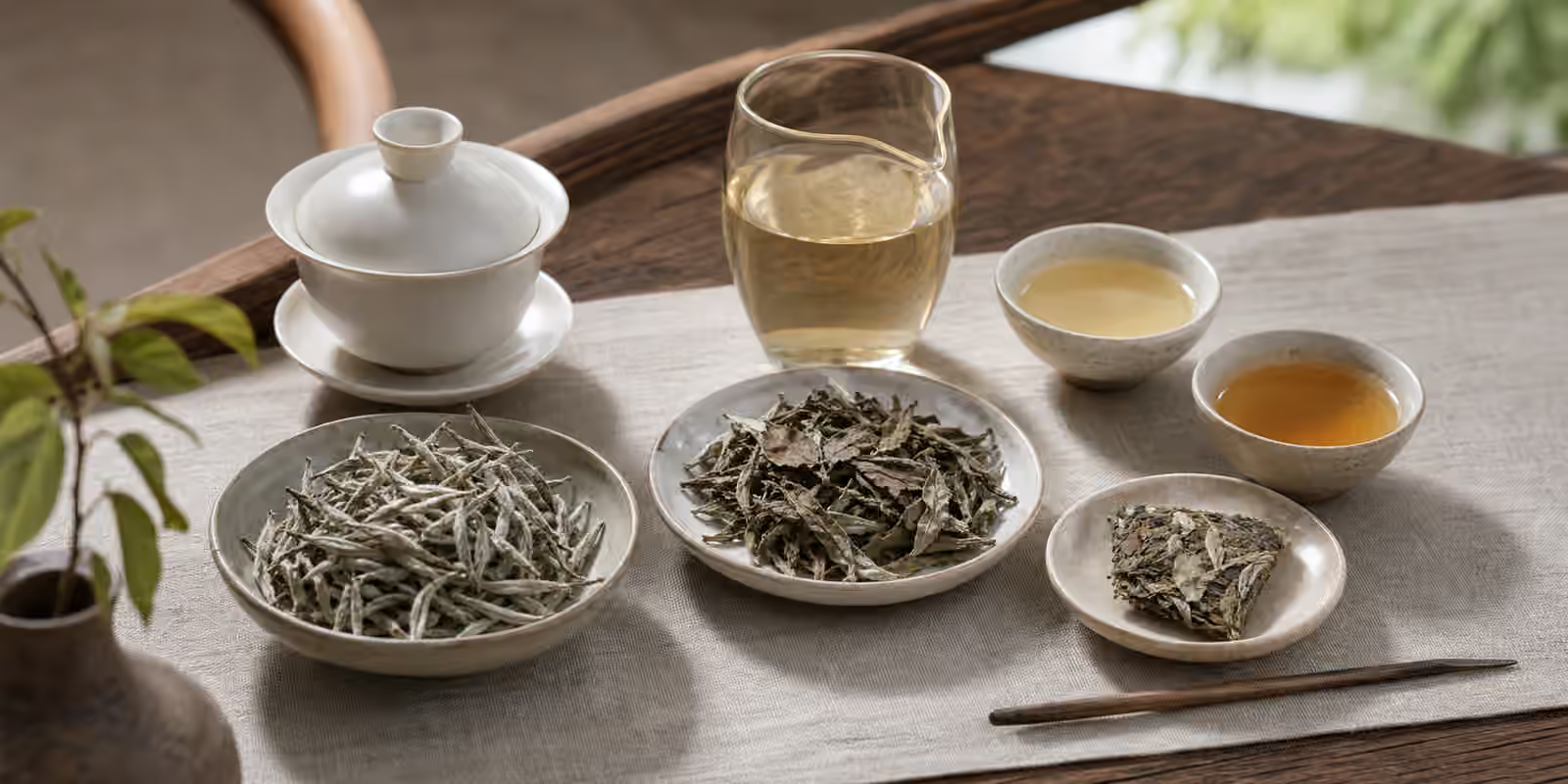
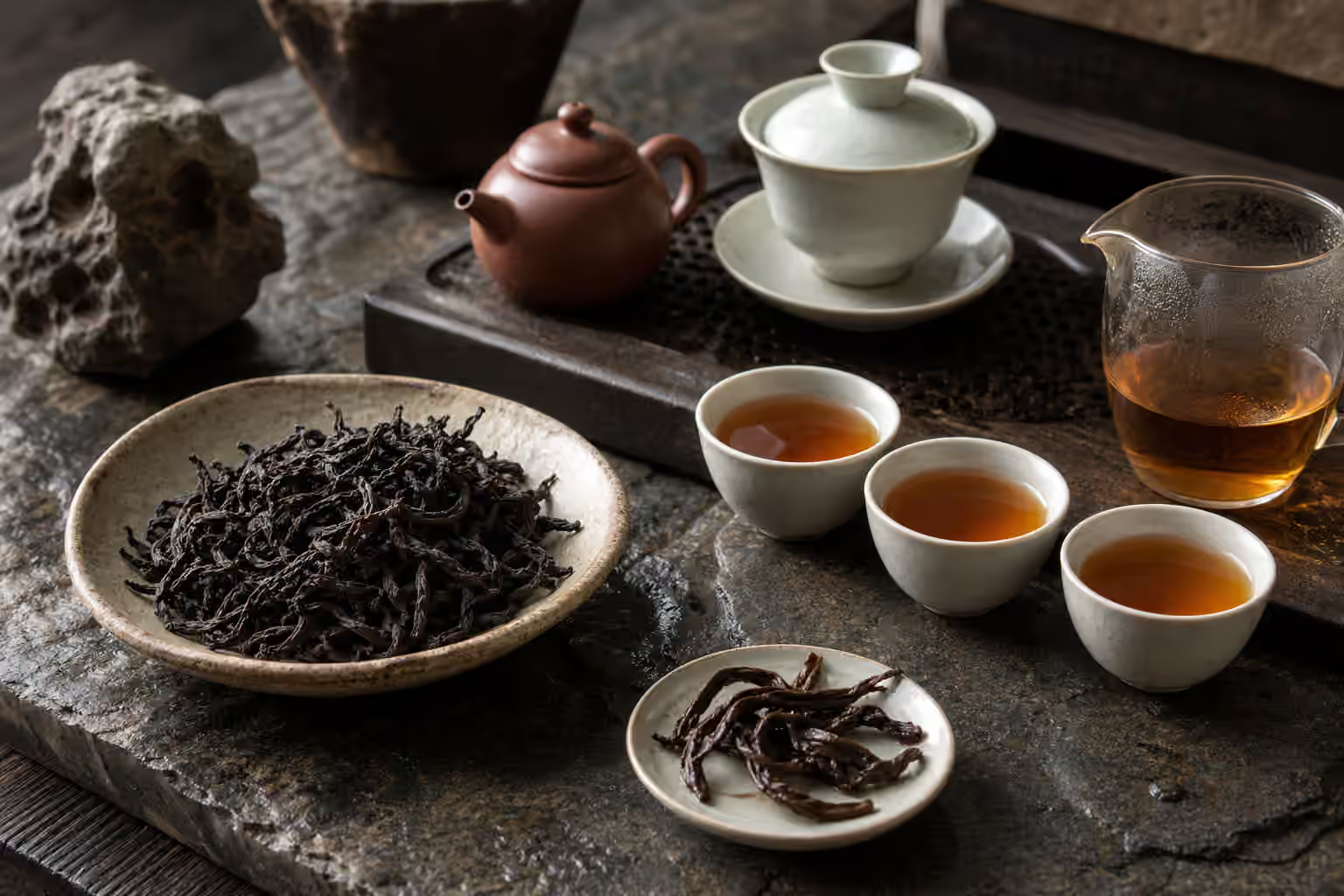
Tea is seasonal before it is a tin on a shelf. New shoots appear, weather changes, leaves mature, makers choose a pluck, and processing turns that harvest into a drinkable style. Words such as first flush, second flush, spring harvest, autumn harvest, shincha, pre-rain, and new season tea can be useful, but they can also become hazy romance. The practical question is simple: what did the season do to the leaf, and how should that change your expectations in the cup?
What a flush means
A flush is a period of new growth that can be harvested. Tea plants do not produce identical leaves all year. After dormancy, pruning, rain, heat, or a resting period, the plant sends out tender shoots. Those shoots may be plucked as bud and leaf, bud and two leaves, larger mature leaves, or other standards depending on the tea being made. The word “flush” is most familiar from Indian and Nepalese black teas, especially Darjeeling, but the underlying idea applies broadly: timing changes material.
Spring growth is often tender and aromatic because the plant is pushing new shoots after a rest. Summer growth may be stronger, fuller, more tannic, fruitier, or less delicate, depending on place and style. Autumn growth can be round, mellow, fragrant, or lower in brightness. These are tendencies, not laws. Elevation, cultivar, shade, rainfall, soil, plucking, processing, and storage can outweigh a simple seasonal label. A careful autumn oolong may be more compelling than a poorly handled spring tea. A famous first flush can taste thin if brewed carelessly or stored badly.
The best use of season language is expectation setting. If a tea is described as a delicate first flush, you may expect lift, fragrance, and a lighter body. If it is a second flush black tea, you may expect more structure, deeper fruit, or enough body for a fuller cup. If it is a new-season Japanese green tea, freshness and vivid aroma are part of the appeal. Those expectations help you brew with attention rather than treating the label like a trophy.
First flush, second flush, and later harvests
First flush teas are made from early growth. In Darjeeling and nearby regions, first flush black teas often look greener and taste brisk, floral, fresh, and light compared with later harvests. They may not behave like a dark breakfast tea even though they are sold as black tea. Hot water and long steeping can make them sharp. A more careful approach, closer to the habits in Black Tea: Assam, Darjeeling, Ceylon, Keemun, and Breakfast Blends , gives them room to show aroma before astringency takes over.
Second flush usually means a later growth period, often warmer and more developed. In Darjeeling, people often look for deeper fruit, muscatel notes, and more body, though not every tea delivers those traits. In Assam and other black tea regions, later flushes can bring strength and color that suit milk. The term is useful only when tied to region and style. A second flush Darjeeling and a summer Japanese bancha are not two versions of the same idea. They are different teas shaped by different plants, climates, and making traditions.
Autumn harvests can be overlooked because spring gets most of the romance. Yet autumn teas can be satisfying precisely because they are less piercing. Some oolongs show a rounded fragrance in autumn. Some black teas become mellow and steady. Some green teas from later harvests are intentionally made for everyday drinking, roasting, blending, or cooking. A shelf built only from prized spring teas may be vivid but narrow. A useful tea shelf often includes both early brightness and later comfort.
Shincha and fresh green tea
Japanese shincha means new tea, usually the first new-season sencha released after spring harvest. Its appeal is freshness: vivid green aroma, tenderness, and a feeling of immediacy. It can also be demanding. Fresh green tea often exposes water quality, temperature, and timing. Too much heat can push bitterness quickly. Too long a steep can flatten the fresh aroma that made the tea exciting in the first place.
The path through Japanese Tea Path helps because Japanese green teas are shaped not only by harvest but also by steaming, shading, rolling, roasting, and cultivar. Shincha is not just a calendar word. It is part of a style system. A deeply steamed tea will not behave like a lightly steamed one. A shaded tea will not taste like an unshaded everyday sencha. Later harvests such as bancha are not failed sencha. They often use more mature leaves and serve different purposes, including a friendly daily cup or a base for roasted tea.
Freshness matters, but freshness is not the same as panic. Some green teas are best enjoyed while their vivid aroma is alive, and poor storage will dull them. Other teas are intentionally rested, roasted, oxidized, or aged. Tea Storage: Freshness, Light, Air, Heat, and Scent gives the practical boundary: protect the leaves from light, heat, air, moisture, and odors, then drink them in a rhythm that suits the tea.
Spring is not always better
Spring harvest has prestige because tender new growth can be beautiful. It can bring fine aroma, sweetness, and delicacy. But “spring” does not guarantee quality. A rushed spring tea can be rough. A delicate spring tea can disappoint someone who wants body. A lightly processed tea can fade if shipped and stored poorly. A later harvest can be better for milk, roasting, cold brewing, blending, or daily use.
This matters when buying. If a vendor uses season language, ask what job the tea is meant to do. A spring green tea may be for careful hot brewing. A summer black tea may be for strength. An autumn oolong may be for fragrance and repeated infusions. A roasted later-harvest green tea may be for warmth and low-key drinking. The decision belongs beside Tea Buying Without Getting Lost , where the useful habit is to buy by purpose before romance.
Season also interacts with processing. Oxidation, firing, rolling, steaming, withering, and roasting can amplify or soften what harvest created. A spring leaf processed carelessly may lose its advantage. A summer leaf processed skillfully may become deep and satisfying. A mature leaf roasted as hojicha may trade fresh greenness for toast, sweetness, and comfort. A white tea made from early buds may taste subtle not because it is weak, but because the material and processing point toward quietness.
Brew season labels gently at first
When a tea emphasizes harvest timing, start with a recipe that leaves room to adjust. For early green teas and delicate first flush black teas, that often means slightly cooler water or a shorter steep than your reflex might choose. For fuller second flush black teas, hotter water and a standard black tea steep may be appropriate, but taste before assuming. For oolong, the season label is only one part of the picture; oxidation, roast, and shape may matter more in the cup.
Use the first brew to test the promise. Does the spring tea smell fresh and alive, or merely grassy and thin? Does the second flush have body, or only color? Does the autumn tea feel mellow, or tired? These are plain questions. You do not need a harvest calendar on the wall to answer them. You need a cup, a baseline recipe, and enough attention to notice whether the label helped you understand the tea.
Comparing two harvests from the same producer or region can be more useful than collecting famous terms. A first flush and second flush Darjeeling from the same estate will teach season more clearly than four unrelated teas with impressive labels. A spring and autumn oolong from the same maker can show how weather and growth change aroma. Even if you do not continue buying that way, one focused comparison makes future descriptions less abstract.
Let season guide, not command
Harvest language is strongest when it brings you closer to the leaf. It should explain why one tea is bright, another full, another mellow, and another built for roasting or aging. It should not make you feel that every tea outside spring is second class. Tea is an agricultural drink, and agriculture is varied. Weather can be kind or difficult. Makers adapt. Drinkers choose.
The next time a package mentions first flush, second flush, spring, autumn, or new season tea, treat the phrase as a brewing clue. Expect a direction, then let the cup confirm or correct it. Season gives the tea a starting point. Water, heat, time, storage, and your own taste finish the story.