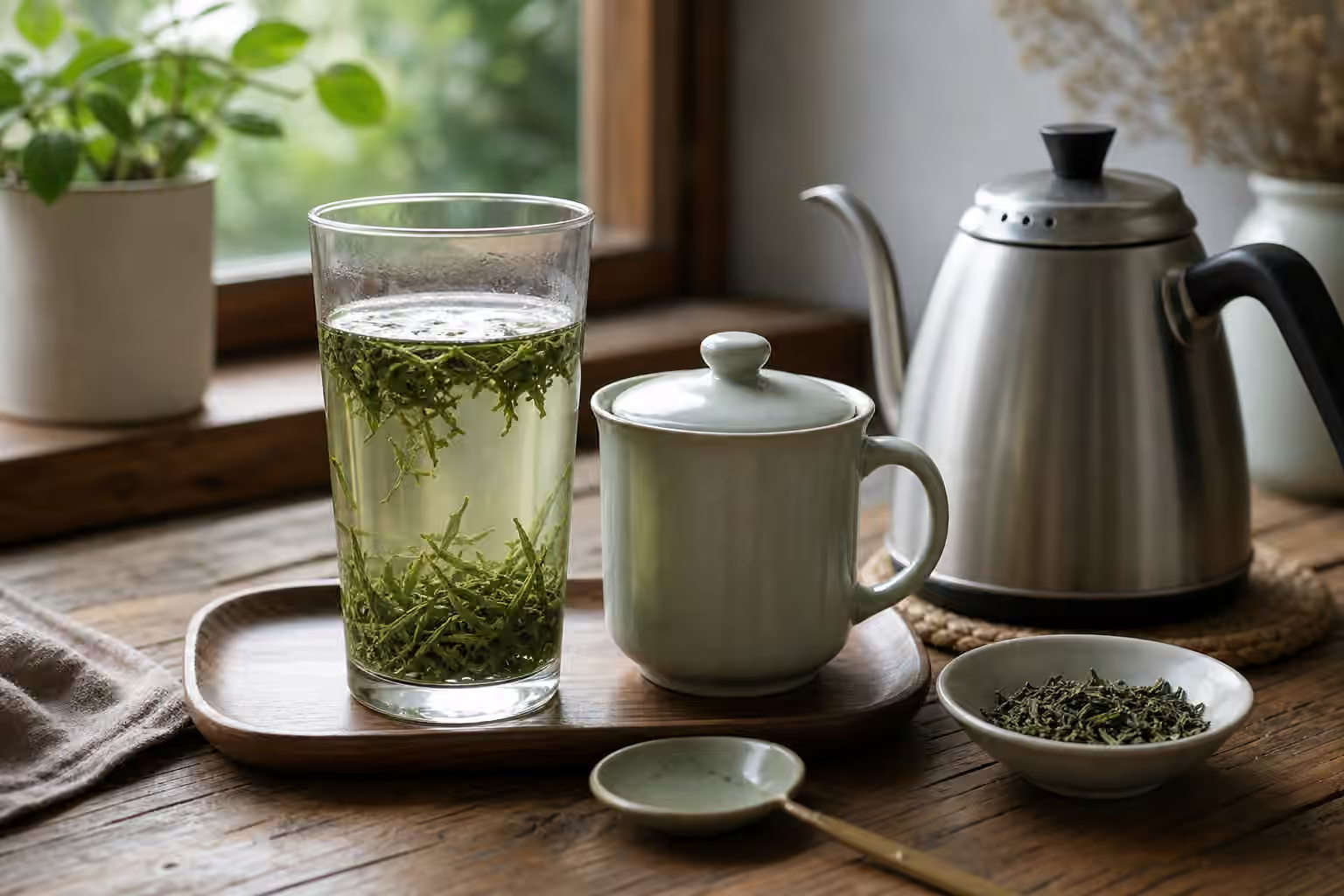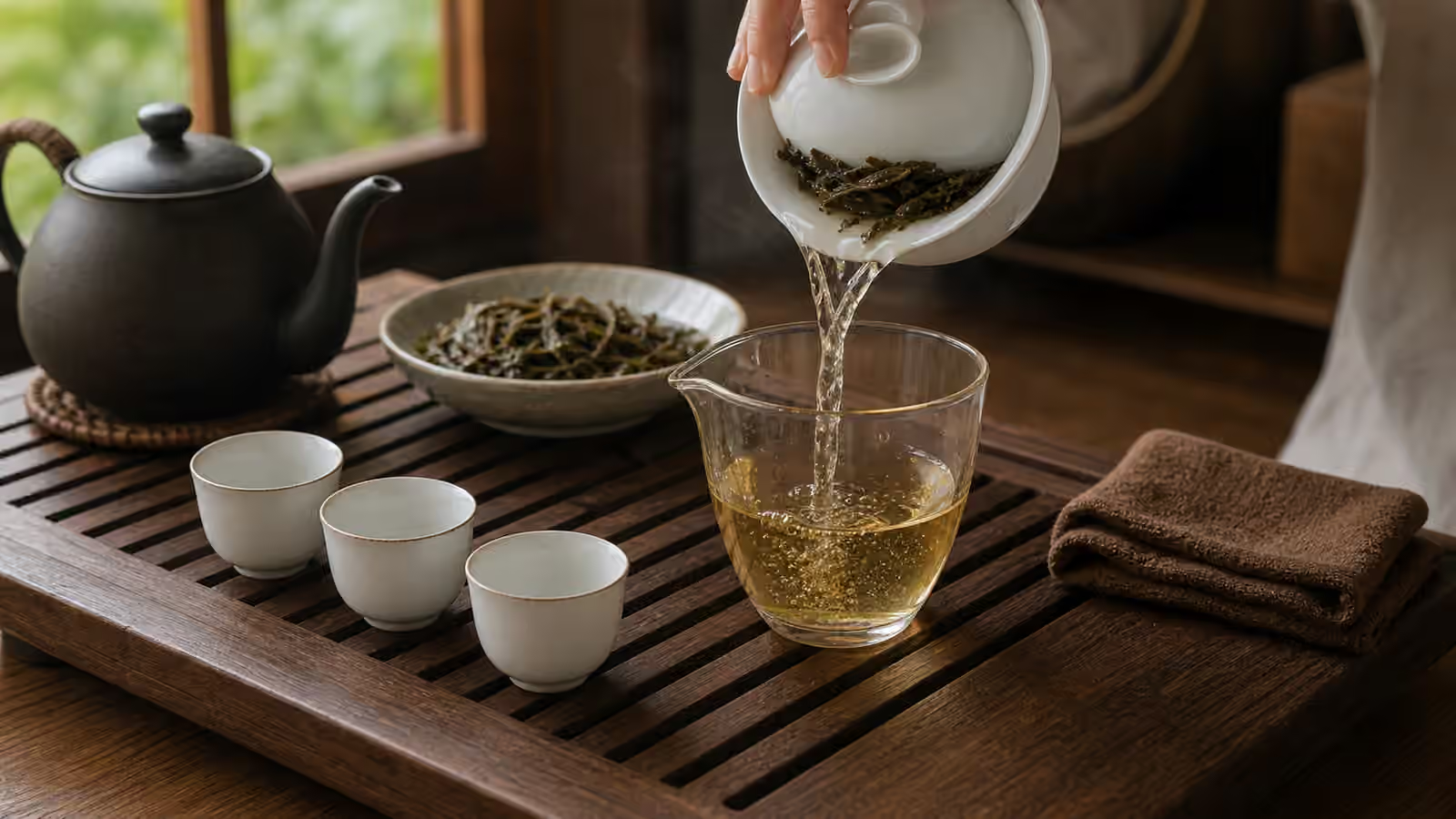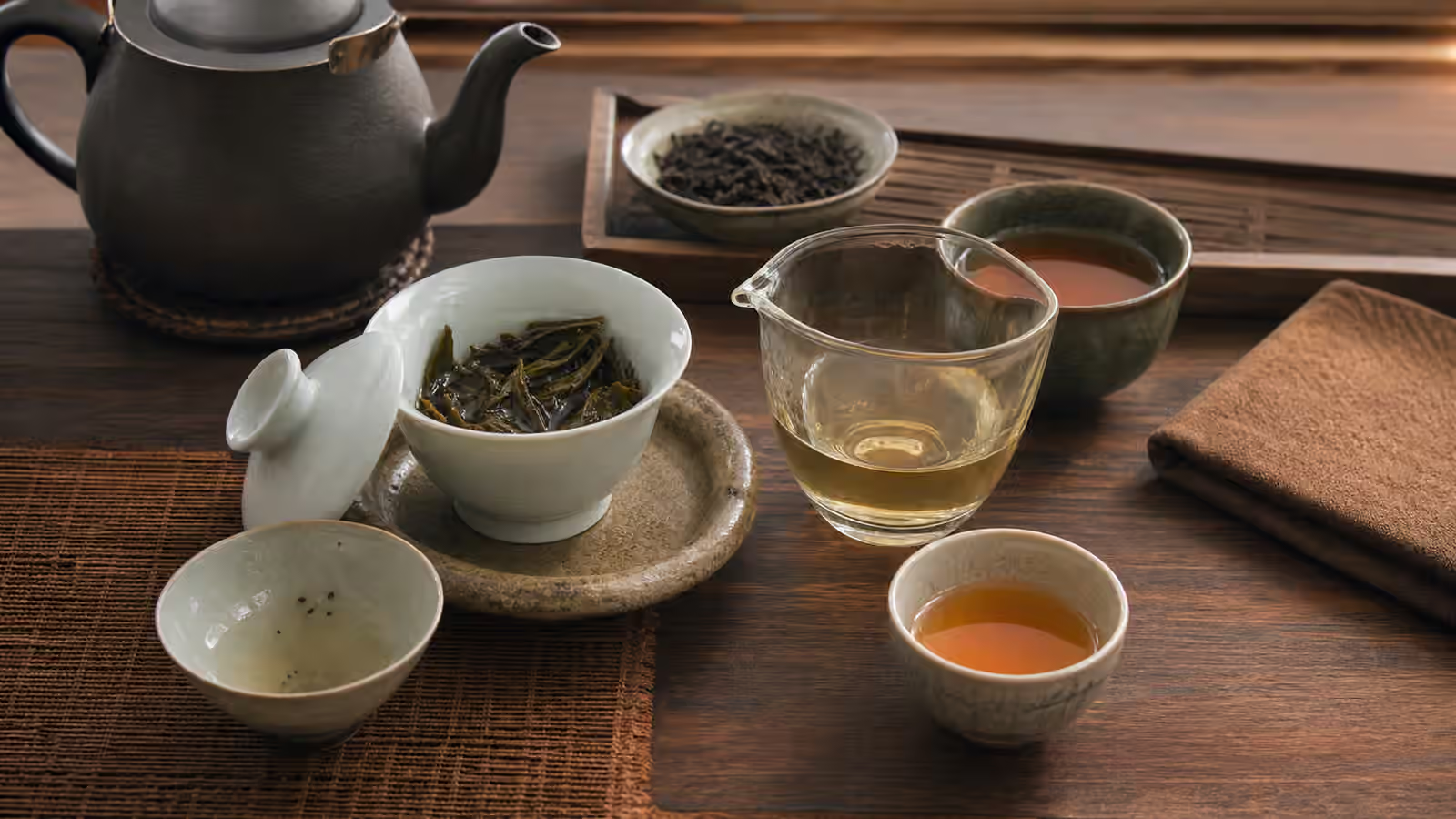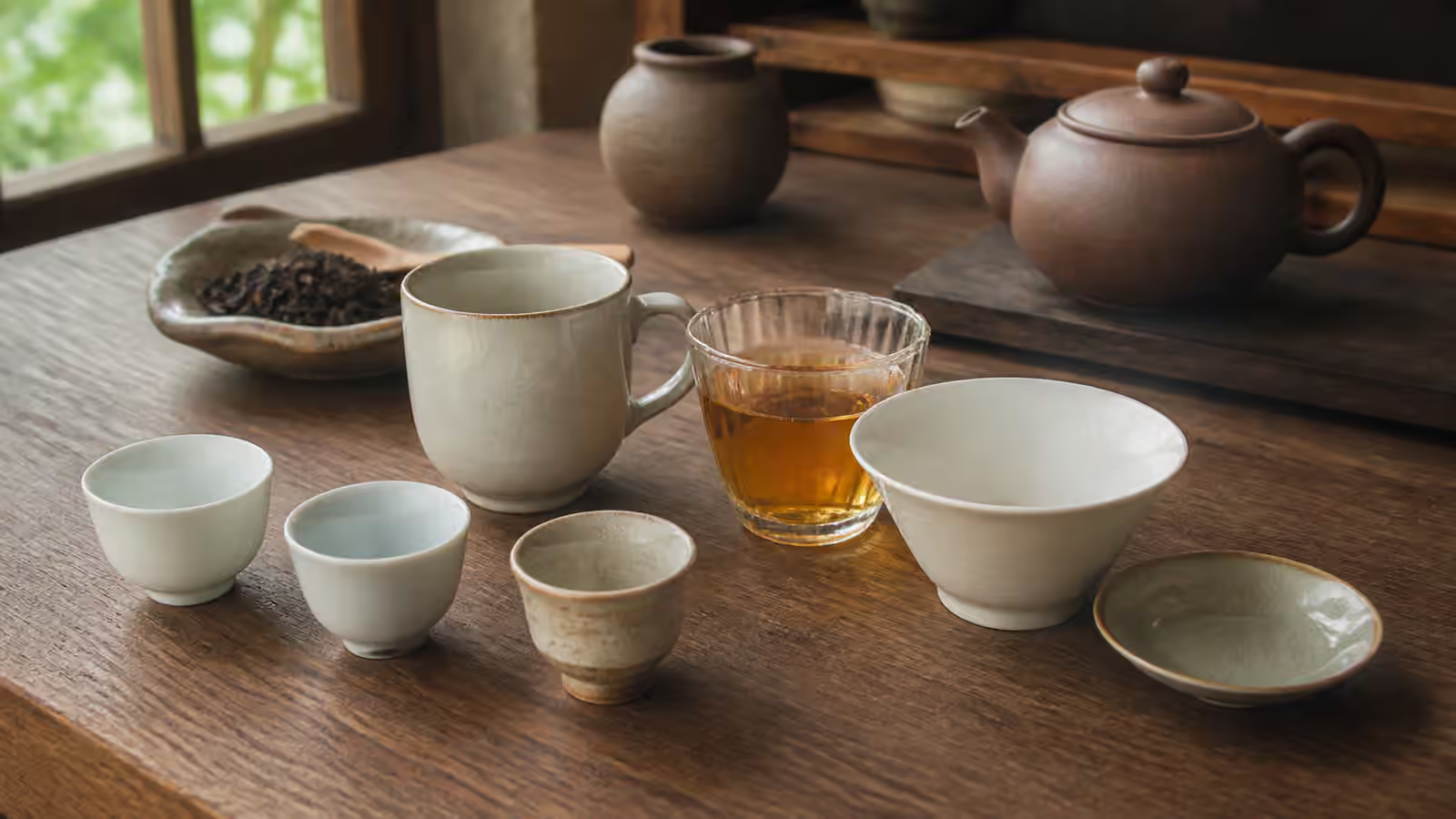
A cup is not just the place tea lands after brewing. It controls temperature, aroma, serving size, color, comfort, and pace. The same oolong can feel concentrated and fragrant in a small porcelain cup, relaxed in a handled mug, and bright in thin glass. None of those vessels is automatically correct. Each one makes certain qualities easier to notice and others easier to miss.
The Tea House already has a guide to Teapots, Gaiwans, Kyusu, and Infusers , which covers the equipment that touches extraction. Drinking cups matter after extraction. They decide how quickly the tea cools, how much aroma reaches the nose, and whether the serving invites attention or casual sipping.
Size Changes Pace
Small cups make tea more immediate. A few ounces cool quickly, concentrate attention, and invite repeated pours. This is why small cups work naturally with gongfu brewing, tasting flights, and teas that change across infusions. You are not committing to a large mug before you know where the tea is going. You can taste the first pour while it is hot, the second while it opens, and the third while it softens. Gongfu Tea for Beginners uses small cups not because they are precious, but because they match short infusions.
Large mugs do a different job. They suit breakfast tea, office tea, milk tea, and quiet routines where you want one vessel to carry a longer moment. A mug gives room for cooling, additions, and slower drinking. It can also hide changes. A delicate green tea poured into a large heavy mug may lose aroma before the drinker has really met it. A strong black tea may thrive there because body and warmth matter more than fleeting top notes.
Cup size should match the tea’s attention span. If a tea is expensive, aromatic, or new to you, smaller pours help you notice it. If a tea is familiar and meant to accompany toast, work, or conversation, a larger cup may be the honest choice.
Rim Shape Affects Aroma And Texture
The rim is where tea becomes physical. A thin rim can make a light tea feel clearer and more precise. A thick rim can make a strong tea feel rounder and more casual. A wide cup releases aroma quickly and cools the tea faster. A narrower cup holds aroma closer and slows cooling. This is not mystical. It is simple geometry and heat.
For tasting, a pale interior helps. It lets you see liquor color, clarity, and depth without being fooled by a dark glaze. That matters when comparing black tea strength, green tea freshness, oolong roast, or herbal infusion color. A clear glass cup can be beautiful for color, especially with amber black tea, pale green tea, or hibiscus. It may also be hotter to hold and less forgiving on a cold table.
Aroma cups, tall narrow cups, and small tasting cups can make fragrance easier to notice, but they are not required. A clean white cup and a few seconds of attention will teach plenty. The habit from Tasting Tea Without Pretension still applies: smell, sip, notice body, and use plain language.
Material Changes Heat And Memory
Porcelain is common for good reasons. It is smooth, relatively neutral, easy to clean, and available in many shapes. It does not hold aromas the way unglazed clay can. For someone who drinks many tea types, porcelain cups are practical because a jasmine tea in the morning does not need to haunt a roasted oolong in the afternoon.
Stoneware and thicker ceramics hold heat differently. A heavy mug can keep black tea or herbal infusion warm longer, especially in a cool room. It can also mute delicate aromatics if the tea sits too long. Thin cups cool faster but feel more responsive. Glass shows color but may not be comfortable for very hot tea unless it is double-walled or has a handle.
Unglazed cups can be pleasant, but they ask for care. They may absorb aroma and patina over time. That can be charming when the cup is dedicated to one family of tea and annoying when it carries yesterday’s smoke into today’s white tea. The same boundary appears in Unglazed Clay Teapots Without Mystique : porous material has character, but character is not always neutrality.
Color Can Help Or Distract
A dark cup can make tea feel richer because the liquor looks deeper. A patterned cup can make it harder to read clarity. A bright white cup can make pale teas look more vivid and can reveal sediment, dust, or cloudiness. None of this changes the chemistry of the brew, but it changes the drinker’s first impression.
When learning a tea, use a simple cup. Once you know the tea, choose the cup that suits the mood. There is room for pleasure. A favorite mug can make a daily tea feel like yours. A small handmade cup can slow down an oolong session. A glass can make iced tea look refreshing. The problem begins only when the vessel hides information you are actively trying to learn.
This is especially true during comparison. If you are tasting samples, use matching cups or at least similar shapes and sizes. A tea poured into a wide bowl will cool and release aroma differently from one poured into a narrow mug. The comparison may still be enjoyable, but it will not be fair.
Serving Guests With Better Cups
Guests make cup choice more practical. Small cups encourage refills and keep tea warm because each pour is fresh. They also help when preferences differ. Someone who wants only a little caffeine, a tiny taste of smoky tea, or a cautious sip of a new oolong can participate without being handed a large commitment. The advice in Tea Service for Guests Without Weak Cups pairs naturally with smaller pours and even decanting.
Handled mugs are easier when people are standing, working, or moving around. Handleless cups can be elegant, but they assume a table and a comfortable temperature. A cup too hot to hold is not hospitable. Prewarming cups can help black tea stay lively, but it is not worth making the vessel painful.
If serving several teas, use cups that are easy to rinse and reset. Scented teas, smoky teas, strong spices, and milk tea can cling. A neutral cup cleaned between rounds keeps the next tea from tasting borrowed.
Choose Cups By Job
You do not need a cabinet full of specialized vessels. A useful tea shelf can manage with a dependable mug, a few small tasting cups, and perhaps a clear glass or pale porcelain cup for comparison. Add more only when a real habit asks for it. If you often brew gongfu style, small cups make sense. If you host, matching cups help. If you drink mostly morning black tea, a comfortable mug matters more than a tiny tasting set.
The cup should make the tea easier to enjoy and easier to understand. When a tea seems dull, try a smaller pour before changing the leaves. When a tea seems harsh, let it cool in a wider cup and see whether the edge softens. When aroma disappears, try a narrower cup or drink sooner. Cup choice is one of the gentlest adjustments available because it changes the experience without rewriting the brew.
The right cup is the one that fits the tea’s job, your hand, and the pace of the moment. Once you notice that, vessels stop being decoration and become part of good brewing.