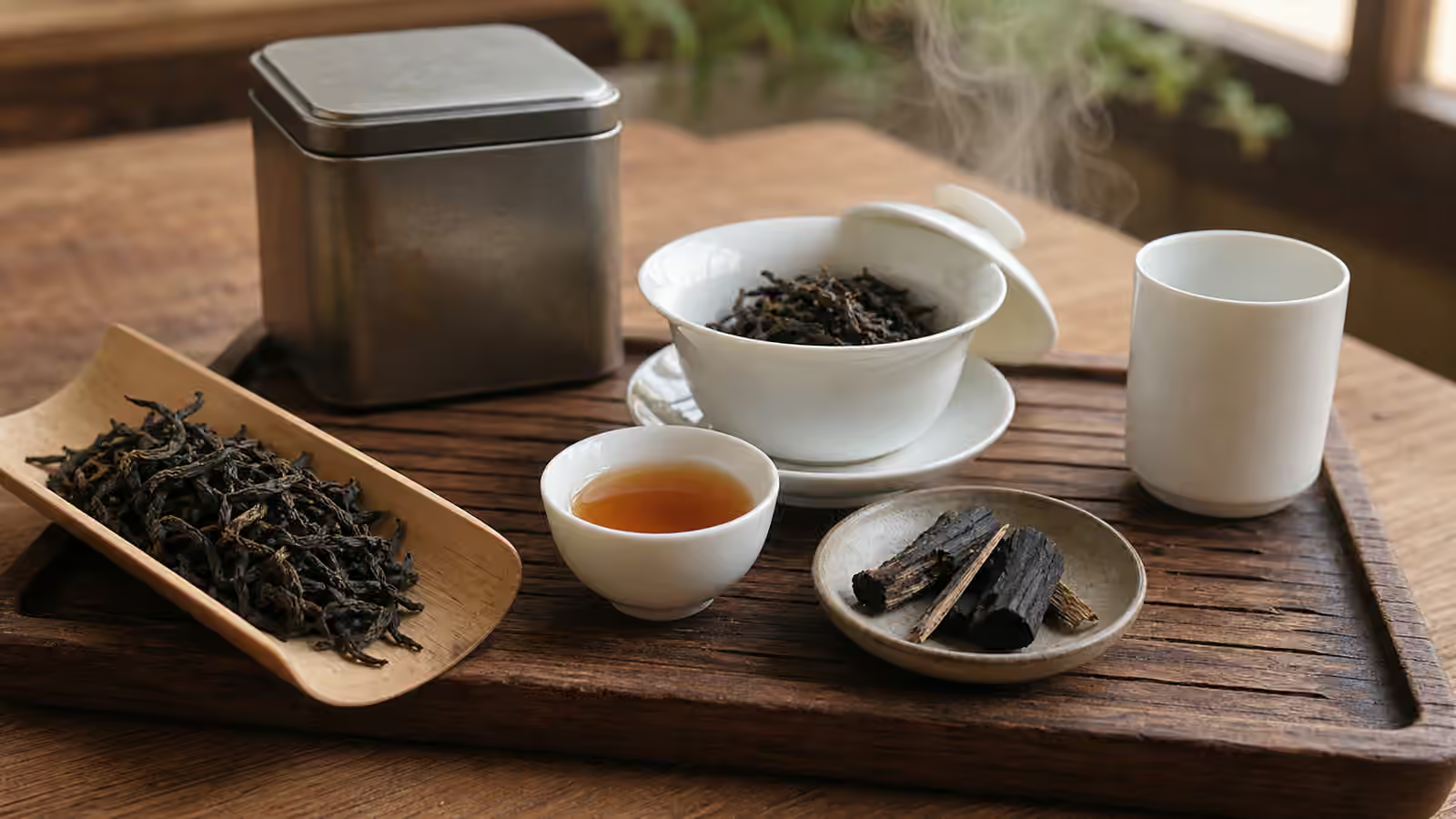
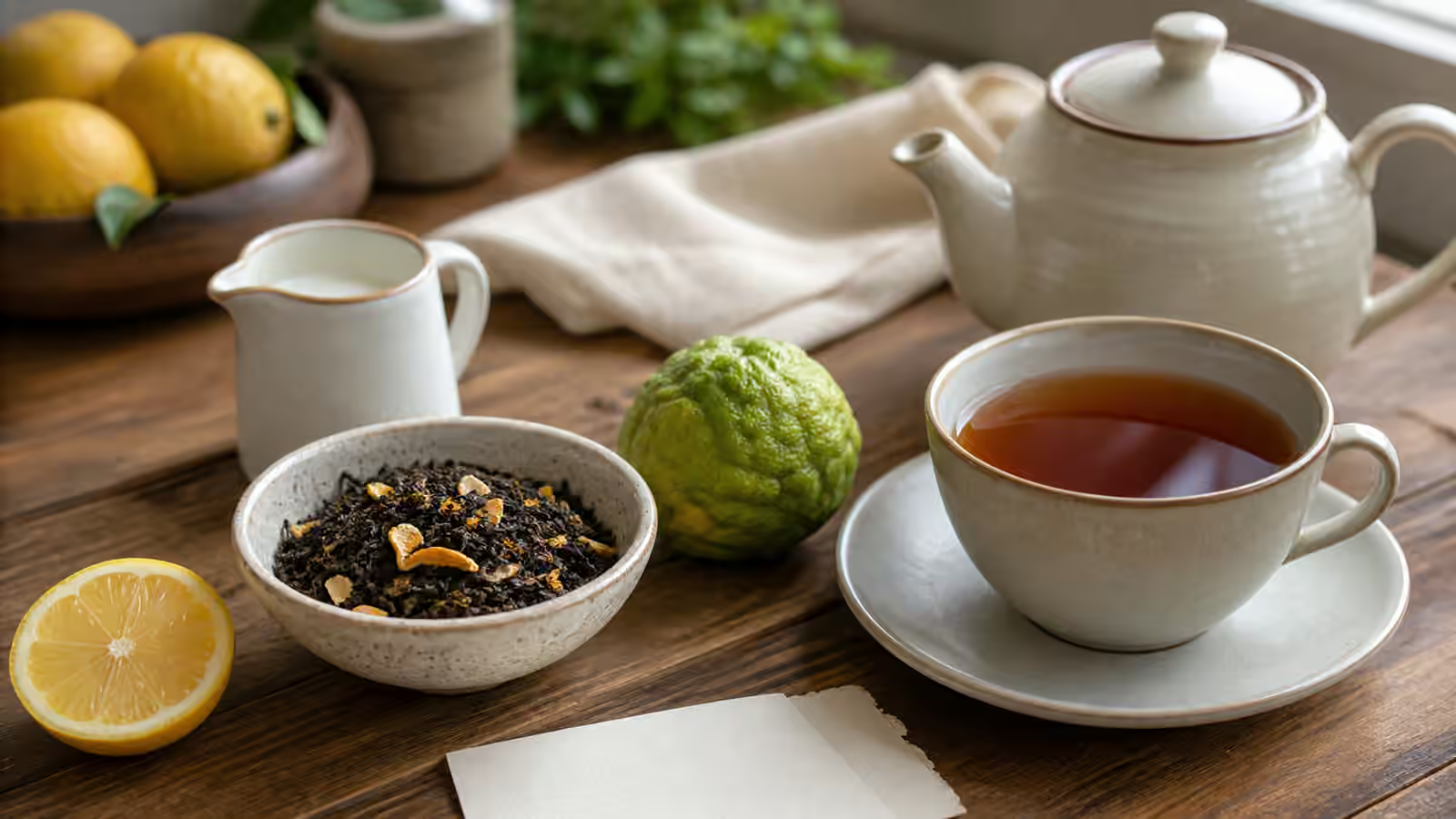
Taiwanese tea is easy to flatten into one phrase, usually “high mountain oolong,” but the island’s tea shelf is wider than that. It includes lightly oxidized Baozhong, rolled mountain oolongs with creamy and floral aromas, more oxidized bug-bitten teas such as Oriental Beauty, roasted everyday oolongs, fragrant black teas, and a growing set of experimental styles. The useful beginner path is not to memorize every mountain name. It is to understand why Taiwanese teas so often sit at the meeting point between green freshness, oolong fragrance, careful oxidation, and patient brewing.
Start With The Shape Of The Cup
The broad oolong tea guide is the right foundation because many famous Taiwanese teas are oolongs. Oolong is not a single flavor. It is a large family shaped by oxidation, rolling, roast, cultivar, altitude, season, and brewing style. Taiwanese examples often show why that family can feel so generous. A tea may smell like gardenia, butter, pear, honey, toasted grain, wood, or ripe fruit without needing added flavoring. Those aromas come from leaf, processing, and brewing rather than a separate perfume.
That range also explains why one recipe cannot serve every Taiwanese tea. A very green Baozhong can taste sharp if pushed too hard. A rolled high mountain oolong may need time and space to open. A roasted oolong may respond well to warmer water and shorter repeated infusions. A black tea can take a steadier mug method. The guide to leaf-to-water ratio becomes especially useful here because tightly rolled leaves look small before they expand. A visually modest scoop can fill a gaiwan after a few infusions.
Baozhong Teaches Restraint
Baozhong, sometimes written as pouchong, is often lightly oxidized and lightly rolled, closer in feeling to a fragrant green oolong than to the darker roasted styles many people picture when they hear oolong. It can be floral, soft, fresh, and lifted, with a cup that rewards care more than force. If your first Baozhong tastes thin, do not immediately steep it forever. It may need a little more leaf, fresher water, or a better warmed vessel rather than punishment.
This is where brewing temperature and time matters. Cooler water can preserve a green, aromatic edge, while hotter water may bring more body and more risk of roughness. Short repeated steeps can let the fragrance unfold without turning the cup into a bitter lesson. A western mug method can work too, but it should be gentle enough that the floral part remains visible. Baozhong is a good teacher because it makes overbrewing obvious without making the brewer feel foolish. It simply asks for attention.
High Mountain Oolong Is A Texture Lesson
High mountain oolong is often described through altitude, but altitude alone is not the whole cup. Elevation can shape growing conditions, yet cultivar, garden practice, weather, oxidation, rolling, and roast still matter. The label is a clue, not a guarantee. A good high mountain oolong may feel silky, aromatic, creamy, vegetal, floral, or gently sweet. A disappointing one may taste merely green, expensive, and vague.
Rolled high mountain oolongs also teach patience. The dry leaves may look like small beads or pellets. After water reaches them, they open into larger leaves that keep giving aroma across several infusions. If the first cup seems quiet, the tea may still be waking up. If the third cup becomes more expressive, the brewing rhythm is doing its job. The guide to re-steeping tea leaves belongs naturally beside these teas because the session often lives across several small cups rather than one large extraction.
There is no need to make this precious. A gaiwan, small pot, or roomy infuser can all work if leaves have enough room and the pour is clean. The equipment guide for teapots, gaiwans, kyusu, and infusers gives the practical frame. The tool matters only insofar as it lets the tea open, drain, and return for another infusion without becoming stewed between cups.
Oriental Beauty Changes The Expectation
Oriental Beauty, also known by other names in different markets, is often more oxidized and associated with honeyed, fruity, muscat-like aromas. One of its famous features is leafhopper activity before harvest, which can influence the plant and contribute to the tea’s aromatic profile when handled well. That detail is interesting, but it should not become a magic spell. The cup still depends on skillful leaf, processing, freshness, and brewing.
This style is useful because it breaks the beginner assumption that Taiwanese tea always means green, creamy oolong. Oriental Beauty can lean toward fruit, honey, spice, and black-tea-adjacent structure while still remaining its own thing. It may brew beautifully in small infusions, where the aroma changes cup by cup. It can also work in a western cup if the recipe respects its fragrance. Too much heat for too long may flatten the fruit into dryness, while too timid a brew can make the tea seem merely pretty.
The tasting habit from Tasting Tea Without Pretension is enough. Notice aroma before naming it. Notice whether the sweetness feels like honey, fruit, flowers, grain, or something simpler. Notice whether the finish dries the mouth or leaves a clean echo. Fancy language is less useful than knowing whether the tea invites another sip.
Taiwanese Black Teas Belong On The Same Shelf
Taiwanese black tea can surprise drinkers who only expect oolong. Some examples are made from cultivars known for minty, cinnamon-like, fruity, or resinous aromas, while others are softer and more everyday. The important point is not a single flavor claim. It is that Taiwanese black teas often reward plain tasting before milk or sugar. They can have enough aroma to stand on their own, and milk may cover the part you bought them for.
The broader black tea guide helps compare structure. An Assam may be chosen for strength and milk. A Darjeeling may be chosen for seasonal fragrance. A Taiwanese black tea may be chosen for aroma, texture, or cultivar character. If it tastes thin, adjust ratio before assuming it needs milk. If it tastes harsh, shorten the steep before blaming the origin. The same practical rules still apply.
Buying Without Chasing Mountain Names
Taiwanese tea labels can be dense with place names, cultivar names, altitude language, harvest terms, and roast descriptions. Specificity is useful when it explains the cup. It is less useful when it becomes a shopping trophy. A label that tells you the tea is Baozhong, lightly oxidized, spring harvest, and best brewed gently is doing work. A label that piles on romance without saying how the tea behaves leaves you guessing.
Start with small samples across contrast. Taste Baozhong beside a rolled high mountain oolong. Taste a greener oolong beside a roasted one. Taste Oriental Beauty beside a Taiwanese black tea. Keep the same water and vessel as much as you can, then let the differences show themselves. The guide to Reading Tea Origin Names Without Getting Lost is the right companion because Taiwan is not one flavor. It is a set of local decisions translated into leaf.
Taiwanese tea becomes approachable when you let each style keep its purpose. Baozhong teaches fragrance and restraint. High mountain oolong teaches texture, opening, and repeated infusions. Oriental Beauty teaches oxidation, honeyed aroma, and the value of not overreading a famous story. Black tea shows that the same island can produce a very different kind of cup. The path is not to collect names. It is to brew clearly enough that the names begin to mean something.