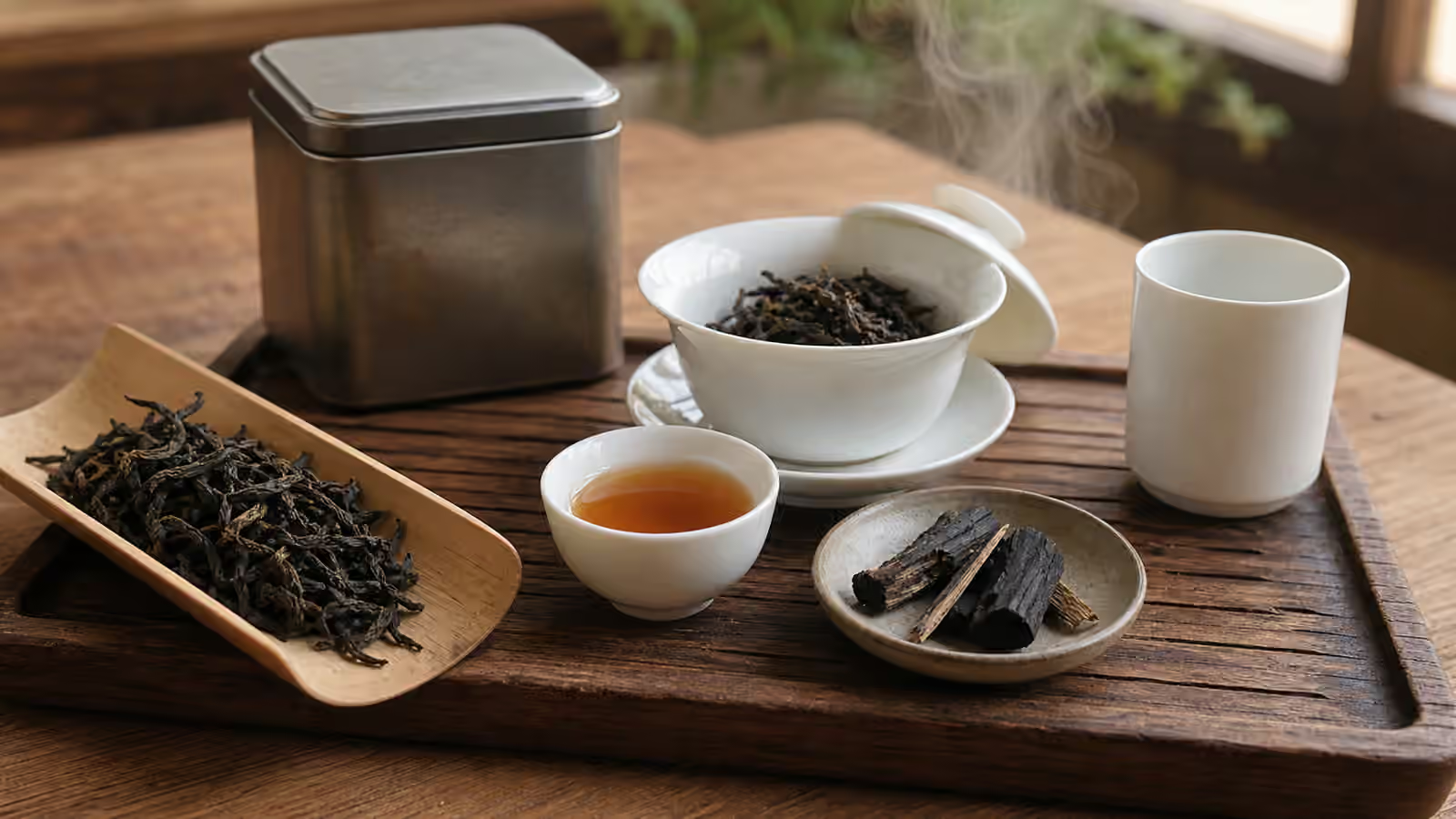
Smoky tea divides rooms quickly. One person tastes pine, campfire, resin, warm wood, and savory depth. Another tastes ash and wants the cup moved away. Both reactions can be honest. Smoke is a strong aroma, and tea gives it very little hiding place. The useful question is not whether smoky tea is good or bad. The useful question is whether the smoke is clean, balanced, and serving the tea underneath.
Smoky teas sit beside several other Tea House topics without being the same as them. Roasted Teas: Hojicha, Oolong, and Toasted Depth explains heat-driven roast flavors. Scented and Blended Teas Without Confusion explains added aromas and blends. Smoke can overlap with both, but it has its own behavior in the cup.
Smoke Is Not The Same As Roast
Roast comes from heating the leaf. It can taste nutty, toasted, caramel-like, woody, cocoa-like, or warm. Smoke comes from exposure to smoke, either as part of processing or as a flavoring choice. It can suggest pine, hardwood, incense, smoked grain, lapsang-style black tea, or a campfire edge. A tea can be roasted without being smoky, smoky without feeling deeply roasted, or both.
This distinction matters because brewing adjustments differ. A roasted oolong may need enough heat to show body and sweetness. A strongly smoky black tea may become overwhelming if brewed too concentrated. If you treat smoke as if it were only roast, you may push the cup harder and make the aroma dominate. If you treat every roast note as smoke, you may miss the quieter sweetness of hojicha or charcoal-roasted oolong.
Use smell before water. Dry smoky tea should smell assertive but not dirty. Wet leaves may show whether the tea has depth under the smoke. If the wet leaf smells only like ash, the cup may stay one-dimensional. If it smells of wood, fruit, malt, resin, or sweetness under the smoke, there is more to work with.
The Base Tea Still Matters
Smoke cannot rescue a dead base tea. If the leaf underneath is flat, stale, or harsh, smoke may make the flaw louder. A good smoky black tea still needs body, sweetness, tannin, and finish. It should taste like tea carrying smoke, not smoke diluted in hot water. The general Black Tea page helps because many smoky teas are built on black tea structure. Malt, briskness, and body can support smoke in a way a fragile base cannot.
Some smoky teas are intentionally bold and rustic. That does not mean they should taste careless. Clean smoke has direction. It may be piney, woody, resinous, savory, or dry, but it should not taste like a dirty vessel, old cupboard, or burnt paper. If a tea smells stale before brewing, Tea Storage: Freshness, Light, Air, Heat, and Scent may explain the problem better than the style name does.
Scent contamination is a real issue. Smoky tea can perfume nearby leaves, especially delicate green, white, floral, or lightly oxidized teas. Keep smoky teas sealed well and away from quiet teas. The same strength that makes a smoky tea memorable can make it a bad shelf neighbor.
Brew For Balance, Not Volume
If a smoky tea overwhelms the room, do not begin by brewing it stronger. Start moderate. Use enough leaf to give body, but keep the first steep shorter than you might for a mild breakfast tea. Taste while the cup is still warm but not scalding. Heat can make smoke feel sharper at first; a minute of cooling may reveal sweetness underneath.
Water temperature depends on the base tea. Many smoky black teas tolerate hot water, but tolerance is not a command. If the cup turns bitter, dry, or ashy, lower the heat slightly or shorten time. If it tastes thin but smells strong, increase leaf rather than steeping until tannin takes over. The habits in Brewing Temperature and Time Without Guesswork are enough: change one variable and taste again.
Small cups can help. A large mug of intense smoke may fatigue the palate. A smaller pour lets the tea be vivid without becoming a task. This is especially useful when serving smoky tea to guests. Offer a taste before committing someone to a full cup. Strong flavors feel more generous when they leave room for refusal.
Food Can Make Smoke Friendlier
Smoky tea often behaves well with food because food gives the aroma something to lean against. Toast, roasted nuts, sharp cheese, dark chocolate, grilled vegetables, mushrooms, smoked fish, and savory pastries can make smoke feel integrated rather than isolated. Sweet desserts may either soften the smoke or make it seem drier, depending on the tea. Very delicate foods may disappear.
The pairing logic in Tea Pairing With Breakfast, Dessert, Cheese, and Snacks applies strongly here. Match intensity first. A smoky tea can handle salty, roasted, and fatty foods because it has enough aroma to stay present. With breakfast, it may work better beside eggs and toast than beside fresh fruit. With dessert, it may suit dark chocolate more than custard.
Milk changes smoky tea in a specific way. It softens tannin and body, but it does not erase smoke. In some cups, milk makes smoke round and savory. In others, it creates an odd mixture of dairy sweetness and ash. Test before serving it as the default. Lemon can brighten some smoky black teas but may also make dryness sharper.
Use Smoke As An Accent In Blends
Home blending with smoky tea requires restraint. A small amount can give depth to a breakfast blend, a winter black tea, or a tea meant for savory food. Too much can flatten everything. If you blend at home, start with a tiny portion of smoky tea in a larger base and brew immediately. The advice from Home Tea Blending Without Muddy Cups matters because smoky leaves can dominate a jar even before water arrives.
Smoke also fades and shifts. A newly opened smoky tea may be loud. After months of poor storage, it may become dull or stale rather than gently mellow. If you like the style only occasionally, buy small amounts. A tea that takes years to finish will perfume the shelf longer than it pleases the cup.
Do not buy smoky tea as a dare. Buy it for a moment. It might be a cold afternoon, a savory meal, a tasting comparison, or a small cup after dinner. A clear purpose makes the style easier to appreciate.
When Smoky Tea Is Not For You
Some palates never warm to smoke in tea, and that is fine. Tea has enough range without forcing every category into affection. If you want warmth without smoke, roasted oolong, hojicha, genmaicha, ripe Pu-erh, or malty black tea may give depth with less edge. If you want aroma without heaviness, jasmine, citrus-scented black tea, or a floral oolong may suit better.
The value of tasting smoky tea is not only finding a favorite. It sharpens distinctions. You learn the difference between roast and smoke, between clean wood and stale ash, between a strong aroma and a balanced cup. Even one careful session can make the rest of the tea shelf easier to understand.
Smoky tea is best when it has something underneath it: leaf, body, sweetness, and a reason to be there. Brew it with enough restraint to hear those things, and the smoke becomes a flavor instead of a wall.