Scented and blended teas sit in the middle ground between plain leaf and fully flavored drink. They can be quiet, like green tea scented with jasmine blossoms, or bold, like black tea with bergamot, spices, smoke, vanilla, fruit, or roasted rice. The useful question is not whether a tea is pure enough. It is whether the leaf, scent, and added ingredients make sense together, and whether the cup still tastes clean after brewing.
Why the category feels slippery
A plain black tea, green tea, oolong, white tea, or pu-erh is usually described by plant material, processing, origin, and brewing style. A scented or blended tea adds another layer. Sometimes the base leaf is still the center of the cup, and the scent simply lifts what is already there. Sometimes the added ingredient becomes the main character. Sometimes the result is less a tea family and more a recipe built on tea.
This is why two teas with similar labels can behave very differently. Jasmine green tea may be made by repeatedly exposing finished green tea to fresh jasmine blossoms, then removing the flowers before packing. Another jasmine tea may contain visible blossoms mostly for appearance, or may rely on flavoring. Earl Grey can be a brisk black tea with a precise citrus top note, or it can be a soft blend where bergamot, vanilla, cornflower, and cream flavor blur together. Genmaicha can taste like fresh green tea warmed by toasted rice, or it can taste mostly like cereal if the leaf is weak. The label gives a clue, but the cup tells the truth.
The foundation still matters. If the base tea is stale, harsh, or thin, scent cannot fully repair it. It may cover the first aroma, but the body and finish will usually reveal the problem. The habits from Tea Types Explained still apply: notice the family, the oxidation level, the leaf shape, and the brewing temperature before judging the added flavor.
Scenting is different from mixing
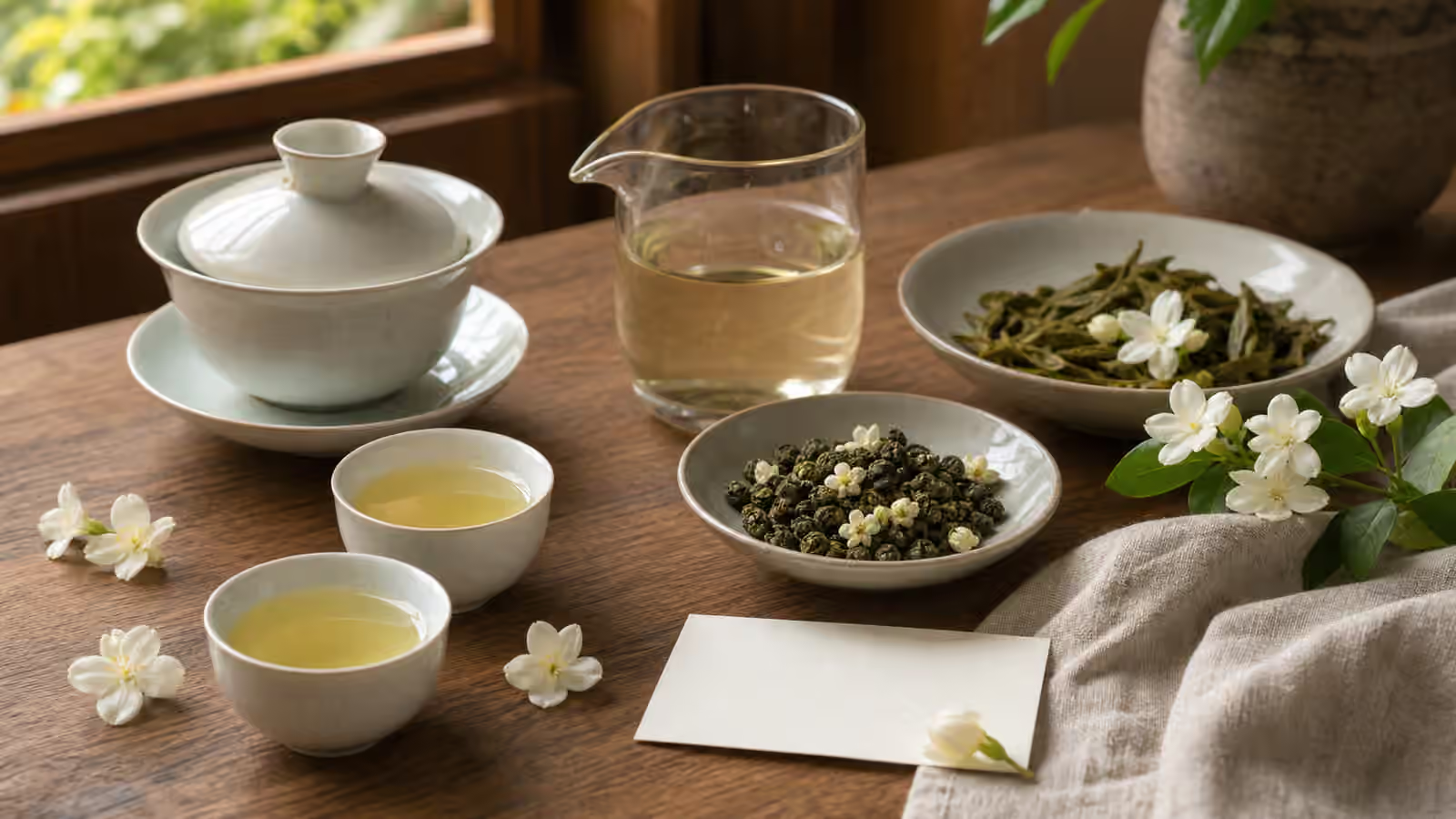
Scented tea is usually built around aroma transfer. Jasmine tea is the classic example. Tea leaves are absorbent, so they can take on floral aroma when stored with fresh blossoms under controlled conditions. After scenting, the flowers may be removed, because spent blossoms can taste tired or papery. The finished tea may show few visible flowers and still be deeply floral. That surprises beginners who expect the prettiest blend to be the most aromatic.
Blended tea is more direct. The dry leaf is mixed with other teas, herbs, spices, flowers, citrus peel, fruit pieces, roasted grains, or flavoring. Breakfast blends often combine black teas to balance strength, color, aroma, and milk compatibility. Masala chai combines black tea with spices and usually expects milk and sweetness, so it belongs beside Chai at Home more than beside a delicate single-origin tasting session. Herbal blends may contain no true tea at all, which is why Herbal Infusions and Tisanes is useful when caffeine, plant ingredients, or steeping time are part of the decision.
Flavored tea is the broadest term. It can mean a carefully scented tea, a blend with visible ingredients, or tea treated with natural or artificial flavorings. Those words carry strong opinions in tea circles, but the practical test is simple. Smell the dry leaf, brew it plainly, and notice whether the aroma still connects to the tea after swallowing. If the first scent is huge but the cup turns hollow, perfumed, or bitter, the flavoring is doing more work than the leaf can support.
Reading familiar examples
Jasmine tea is usually easiest with green tea, though white and oolong bases exist. The best versions feel integrated: floral aroma arrives before the sip, green tea gives shape, and the finish stays clean. If the water is too hot, the green base can become sharp and the jasmine can seem soapy. A gentler approach from Brewing Temperature and Time Without Guesswork helps here. Use cooler water than you would for black tea and shorten the first steep if the aroma is strong.
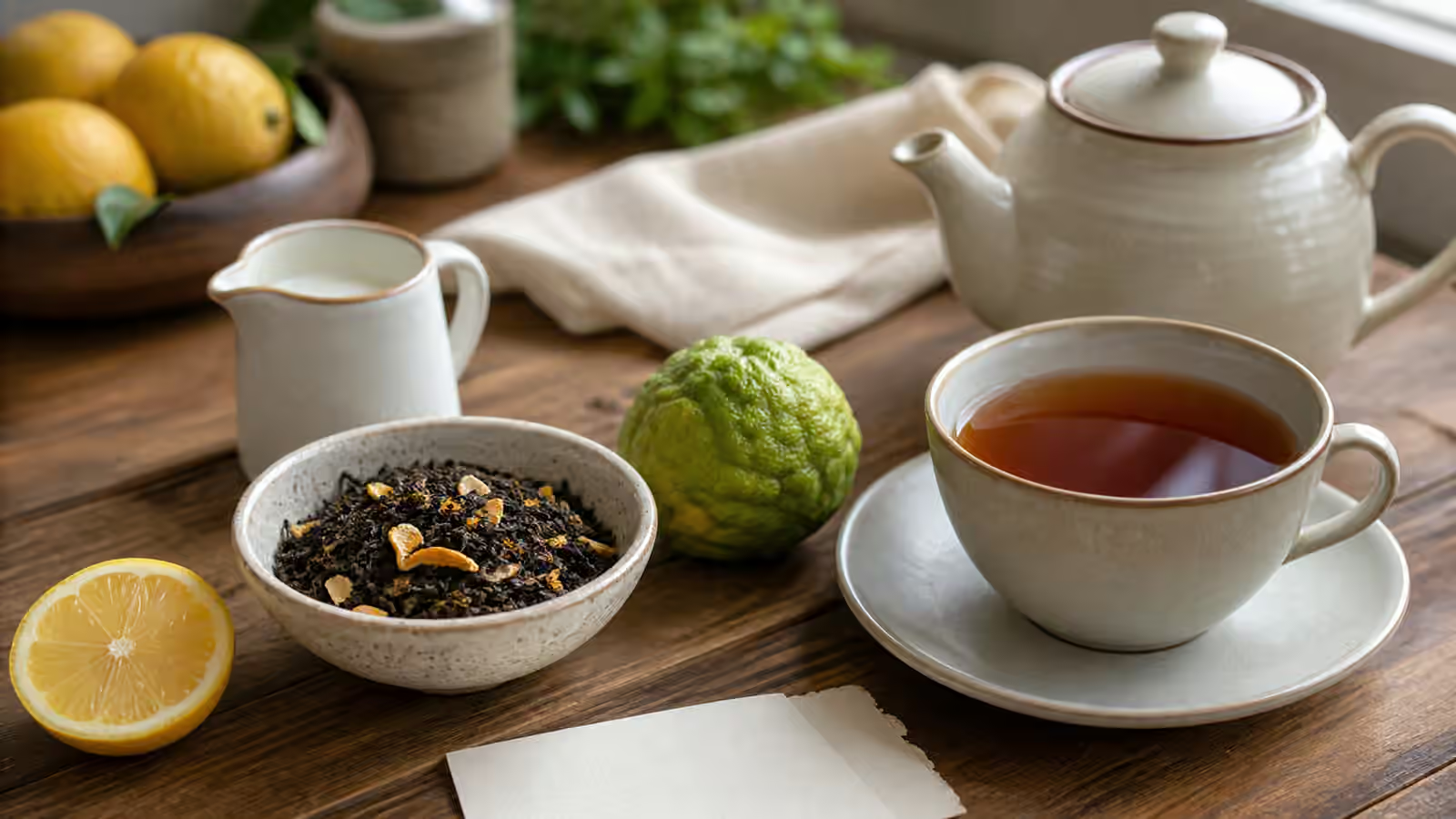
Earl Grey begins with bergamot, a fragrant citrus. The base is often black tea, which means the cup may tolerate hotter water and sometimes milk, but the exact blend matters. A brisk Earl Grey can taste excellent plain with a short steep. A softer one may suit milk better, especially if the base leaf has enough body. If you already know the differences among Assam, Darjeeling, Ceylon, Keemun, and breakfast blends from Black Tea , Earl Grey becomes easier to read. Ask whether the black tea underneath is malty, bright, floral, tannic, or mild. Bergamot should sharpen or perfume that structure, not erase it.
Genmaicha is a green tea blended with roasted rice. It is often friendly because the rice brings warmth, toast, and a familiar grain note. The leaf still matters. A better cup keeps the green tea visible under the roasted aroma, while a dull one tastes like warm cereal water. Genmaicha also shows why blended tea is not automatically simple or inferior. Balance is technical. Too much rice can flatten the leaf. Too little rice can make the name feel decorative. The path through Japanese Tea Path gives useful context because sencha, hojicha, gyokuro, and matcha each ask for different handling.
Smoky tea is another case where intensity can hide quality. Lapsang-style teas can range from pine-smoke elegance to campfire bluntness. Smoke should have shape, not just volume. It can pair beautifully with savory food, roasted nuts, dark chocolate, or a quiet evening cup, but it becomes tiring when the base tea has no sweetness or finish. Brew it a little lighter before deciding it is too smoky. Many strong aromas become more graceful when the leaf amount or steep time comes down.
Brewing for clarity
The first brew should show the relationship between the base and the added aroma. That means avoiding the reflex to make scented tea extra strong because it smells exciting in the bag. Strong dry aroma can fool the hand. A tea that smells like jasmine, citrus, fruit, spice, or smoke may already have a loud top note, so heavy leaf and long steeping can push the cup from expressive to muddy.
Begin with the base tea family. Green and white scented teas usually reward cooler water and shorter steeps. Black tea blends can take more heat, but that does not mean every Earl Grey wants a long steep. Oolong blends depend on oxidation and roast. Herbal and spice blends often need more time because bark, seed, root, and dried fruit extract differently from tea leaves. When a blend contains both true tea and hard spices, there is a compromise. Chai solves it by simmering or steeping with milk and sweetness. A delicate green tea with fruit pieces does not.
Taste the first cup before adding milk, lemon, sugar, or honey. Additions are not wrong, but they can hide the diagnosis. If an Earl Grey tastes thin, milk will not create missing body. If jasmine tastes bitter, sweetness will only soften the edge. If a fruit blend tastes flat, the issue may be stale ingredients or weak base tea rather than a lack of sugar. Plain tasting gives you a cleaner read, the same way Tasting Tea Without Pretension asks you to notice aroma, body, sweetness, dryness, and finish before reaching for fancy language.
Buying without being dazzled
Scented and blended teas are easy to overbuy because the descriptions are vivid. A vendor can make peach, rose, bergamot, caramel, vanilla, almond, lavender, smoke, or spice sound like a complete mood. Buy small amounts until you know how the tea behaves after two or three cups. Dry aroma fades after opening, and blended teas with flowers, fruit, peel, or spices can lose their high notes unevenly. One ingredient goes quiet, another remains loud, and the balance shifts.
Look for a description that names the base tea and the added ingredient with some restraint. “Black tea with bergamot” tells you more than a fantasy name with no leaf information. “Green tea scented with jasmine” tells you more than a package covered in flowers. If a blend includes many ingredients, ask what the tea is supposed to do. It may be built for milk, cold brewing, dessert pairing, evening drinking, or aroma alone. A blend with a clear job is easier to judge than one that simply stacks pleasant words.
Storage matters more than many people expect. Scented teas absorb and release aroma readily, which means they can contaminate nearby leaves and can also pick up kitchen smells. Keep jasmine away from smoky tea, Earl Grey away from delicate green tea, and spice blends away from quiet white tea. The basic storage advice in Tea Storage becomes stricter here: airtight containers, low light, low heat, and distance from coffee, spices, soap, and the stove.
Let the blend prove itself
A good scented or blended tea does not need to apologize for being blended. It should give pleasure and still make sense. The aroma should meet the base tea instead of floating above it. The added ingredients should survive brewing without turning dusty, medicinal, soapy, or syrupy. The finish should tell you whether the cup has structure after the first fragrance fades.
When a tea disappoints, change only one thing before blaming the whole category. Use slightly cooler water for floral green tea. Shorten Earl Grey if bergamot feels sharp. Brew genmaicha fresh rather than letting the roasted rice sit wet in the pot. Keep spice blends separate from delicate leaves. Buy smaller samples, and compare two examples of the same style before deciding you dislike it. Scented and blended teas reward the same calm habits as plain tea: protect freshness, brew with attention, taste plainly, and let the next cup become easier to repeat.