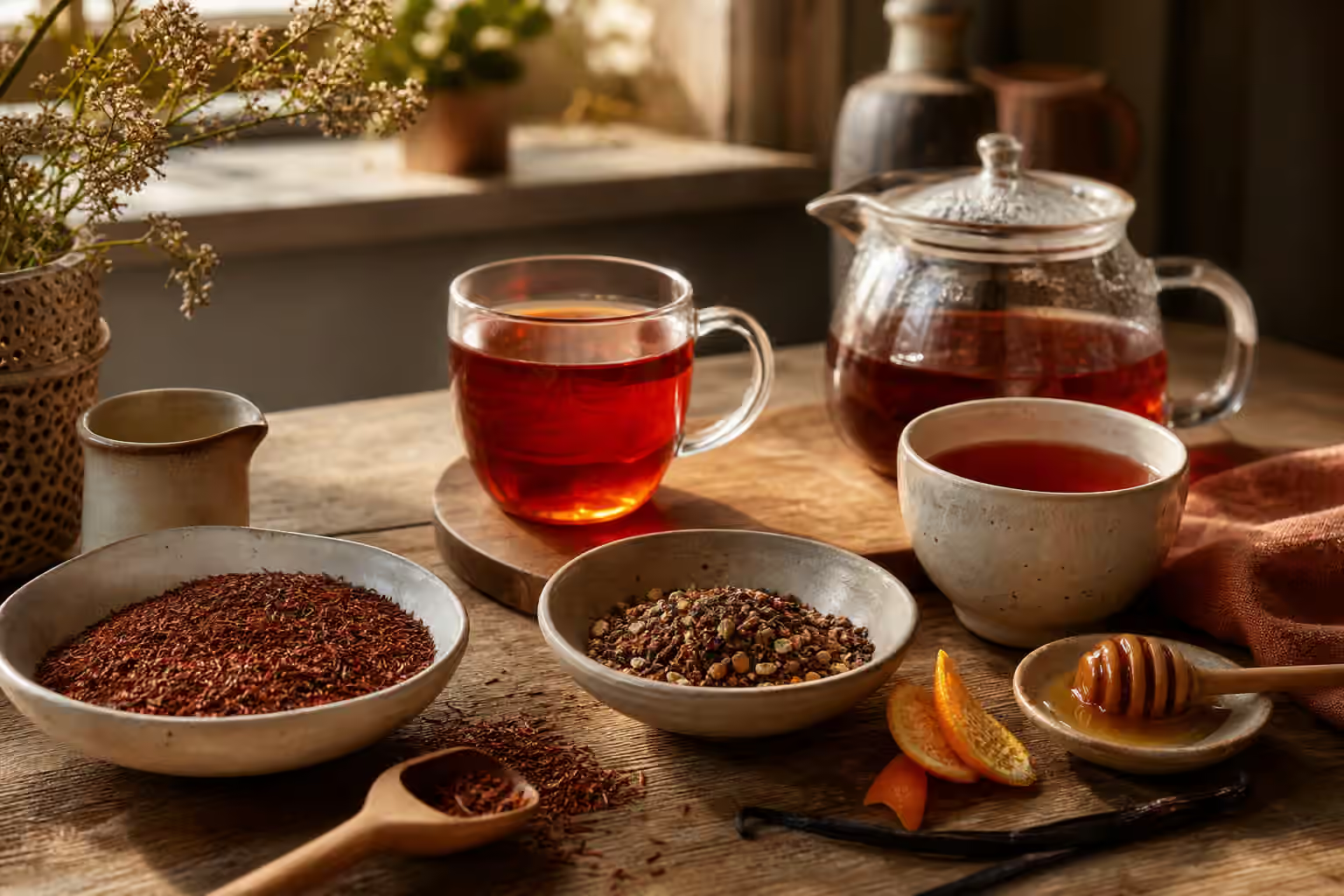
Rooibos and honeybush are often shelved with tea even though they are not made from the tea plant. That distinction matters, but it should not make them second-class cups. They are useful because they bring color, body, sweetness, and flexibility to caffeine-free routines without requiring the same brewing restraint as delicate green tea. A good rooibos or honeybush infusion can be plain, with milk, blended with spices, served iced, or used when someone wants a warm cup that does not behave like true tea.
Herbal, But Not Thin
The main Herbal Infusions and Tisanes guide explains the wider category. Herbal infusions can be flowers, leaves, roots, seeds, fruits, roasted grains, or blends. Some are delicate and aromatic. Some are tart. Some are earthy. Rooibos and honeybush stand out because they can feel more tea-like in body than many herbals. They make a reddish cup, carry natural sweetness, and often tolerate a stronger steep without becoming sharply bitter in the way overbrewed true tea can.
Rooibos often tastes woody, sweet, red, slightly vanilla-like, or gently earthy, depending on cut, freshness, oxidation, and blending. Honeybush can be rounder, softer, honeyed, floral, or warm. These are broad impressions rather than promises. Both can taste flat when stale. Both can taste dusty when the cut is poor or storage has been careless. Both can be overwhelmed by flavoring if the blend is built more like candy than an infusion.
Because they contain no true tea leaves unless blended with tea, rooibos and honeybush are commonly used in caffeine-free routines. Still, labels matter. A blend called rooibos chai, vanilla rooibos, or herbal breakfast may include other ingredients, and a flavored blend can include true tea if the maker chooses. Decaf Tea and Low-Caffeine Tea Routines gives the practical habit: read the ingredients and keep personal medical questions with qualified clinicians.
Brewing Strength Without Mud
Rooibos and honeybush are usually forgiving with hot water and longer steeps. That makes them friendly for kitchens, offices, and evening mugs. It also creates a different problem: people assume nothing can go wrong, then brew a cup that tastes muddy, woody, or over-flavored. Strength still needs intention.
Use enough material for body. A weak rooibos infusion can taste like warm red water with a little dust. If milk is part of the plan, brew stronger before adding it. The same principle appears in Tea Lattes Without Muddy Flavor : additions need a base with enough structure to meet them. Rooibos can take milk well when the infusion is concentrated enough. Honeybush can be lovely plain and may need less help.
Steeping longer can build color and flavor, but it will not fix stale material. If the dry infusion smells tired, more time may only produce more tiredness. If it smells vivid but the cup is thin, increase the amount before extending the steep endlessly. If it tastes harshly woody, shorten the steep or try a fresher source.
Blending Works Best With A Clear Base
Rooibos is often blended with vanilla, citrus peel, spices, cocoa nibs, mint, or dried fruit. Honeybush can support similar additions but often shines when the blend leaves room for its softer sweetness. The guide to Home Tea Blending Without Muddy Cups applies even though these are herbal bases. Start with a clear base. Add one accent at a time. Taste before adding more.
Spices can work beautifully, especially ginger, cinnamon, cardamom, clove, and black pepper in restrained amounts. The mistake is to treat rooibos as a dumping ground for every warm spice in the cabinet. Too many spices make the cup dusty. Too much dried fruit can turn it sour or perfumed. Too much vanilla flavoring can cover the herb entirely. A good blend still tastes like an infusion, not just aroma on top of color.
Rooibos also works iced. Its color stays appealing, and its low bitterness makes it friendly for cold service. Iced Tea Without Bitterness gives the larger approach to strength and dilution. Brew with enough concentration to survive ice, taste before sweetening, and remember that cold dulls aroma. Honeybush can be iced too, especially when paired with citrus or gentle fruit, but it should not be buried.
Storage And Freshness Still Matter
Herbal infusions are not immortal. Rooibos and honeybush can lose aroma, absorb kitchen smells, and become dusty with time. Store them away from heat, light, moisture, and strong odors. The advice in Tea Storage applies even though the leaves are not true tea. A jar that smells faintly of coffee, curry, soap, or old spice will change the cup.
Cut size matters. Fine rooibos can slip through loose strainers and leave sediment. A paper filter or fine mesh may be useful when the cut is small. Coarser honeybush may strain more cleanly. If sediment bothers you, choose a better strainer before blaming the infusion. Teapots, Gaiwans, Kyusu, and Infusers can help match vessel to material, even for herbals.
Buying small amounts remains wise. Rooibos is common enough that large bags are tempting, but a large bag used slowly can fade before it is finished. Honeybush may be less common in some shops, so freshness and turnover can vary. A smaller amount that you enjoy often is better than a cabinet full of dull red dust.
Where They Fit In A Tea Routine
Rooibos and honeybush are practical bridge cups. They help when someone wants warmth, color, and body without true tea caffeine. They can sit beside dessert, breakfast toast, spiced snacks, or a quiet evening book. They are also useful for guests because they offer a caffeine-free option that does not feel like an afterthought. Tea Service for Guests Without Weak Cups is relevant because a good service includes choices that taste intentional.
The best way to learn them is to taste plain before blending. Brew a plain rooibos and a plain honeybush with the same water and similar strength. Notice which one feels woodier, sweeter, rounder, or softer. Then try milk in one cup, citrus in another, and ice in a third. Keep the additions small enough that you can still recognize the base.
Rooibos and honeybush deserve a place in Tea House because they solve real drinking problems. They are not substitutes for green, black, oolong, or white tea. They are their own useful infusions: warm, red, forgiving, blendable, and capable of becoming a satisfying cup when treated with the same respect you would give any leaf.