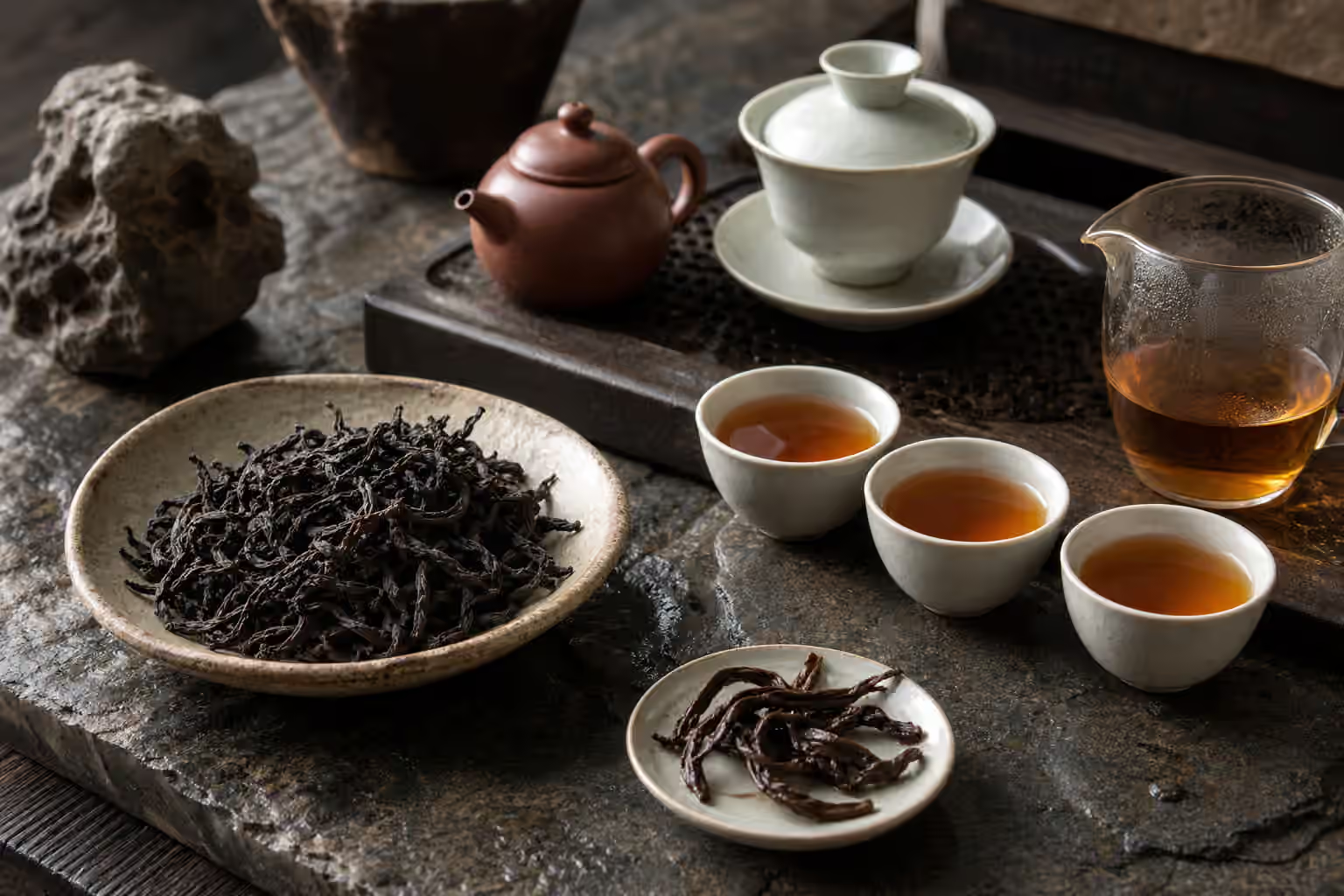
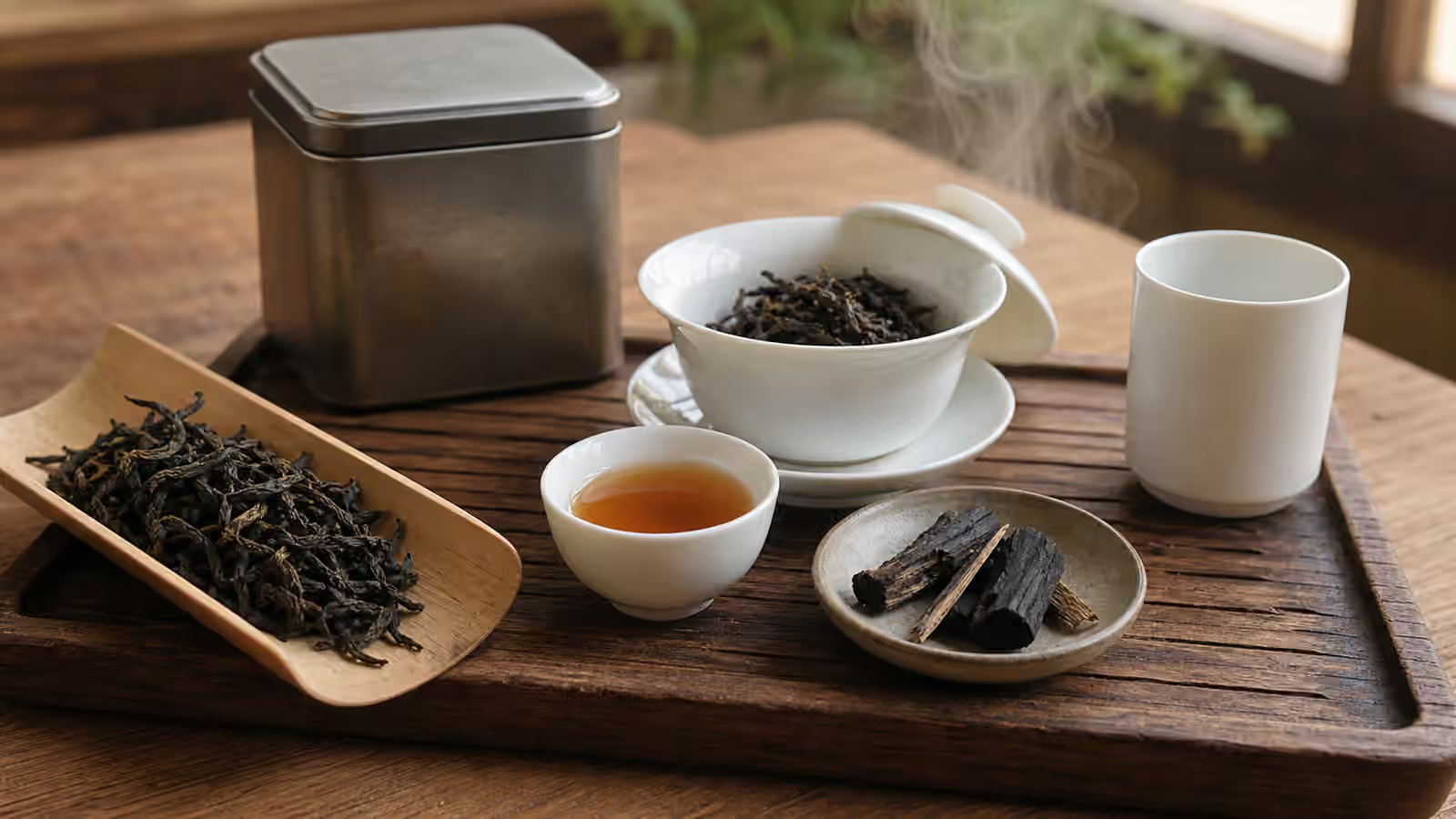
Roasted tea changes the mood of a cup. Fresh green aromas move toward toast, nuts, caramel, warm grain, dry wood, cocoa, or gentle smoke. Floral oolong can gain depth and patience. Harsh edges can soften when roasting is skillful, though roasting can also hide tired leaf or create a charred, hollow cup when it is heavy-handed. The useful question is not whether roasted tea is better or more traditional. It is what the roast does to the leaf, and how that should change brewing.
Roasting is a flavor choice and a preservation choice
Tea is shaped by heat many times. Leaves may be fired to stop oxidation, dried to reduce moisture, baked to finish texture, or roasted later to change flavor and storage behavior. In everyday drinking, “roasted tea” usually means the roast is part of the cup’s identity. You notice it as warmth, toast, depth, or a darker finish rather than merely as a processing step.
Roasting can make a tea feel more settled. Green, grassy, floral, or sharp notes may recede. Sweetness can seem darker. Aroma may move from fresh leaves toward toasted grain, roasted nuts, baked fruit, cocoa, or warm wood. Body can feel rounder, though not always heavier. A lightly roasted oolong may still be floral. A deeply roasted oolong may become mineral, woody, and persistent. A roasted green tea such as hojicha often becomes easygoing because the roast replaces brisk greenness with comfort.
The change is not only flavor. Roasting reduces moisture and can make some teas more stable than very fresh green tea, but it does not make them immortal. Old roasted tea can taste flat, dusty, sour, or like a cabinet. The storage principles in Tea Storage still matter. Keep roasted teas away from air, heat, moisture, and strong smells. Their warm aromas are pleasant, but they can fade or turn stale like any other aroma.
Hojicha shows roast at its friendliest
Hojicha is often made by roasting Japanese green tea leaves, stems, or later-harvest material until the leaf turns brown and the aroma becomes toasty. It belongs in the same Japanese tea landscape as sencha, genmaicha, gyokuro, and matcha, but it behaves differently from fresh green tea. Japanese Tea Path gives the wider context: processing and harvest change the cup as much as the country name does.
The appeal of hojicha is usually comfort. The cup can smell like toasted grain, light caramel, roasted stems, or warm wood. It is often forgiving with food and can be pleasant later in the day, though caffeine still varies by leaf, serving size, and brewing. Because the fresh green edge is roasted away, hojicha often tolerates hotter water than delicate sencha. That does not mean it should be punished with endless steeping. Too much time can pull woody dryness or a hollow roasted taste from the leaf.
Hojicha also teaches a useful lesson about value. Later-harvest leaf, stems, and everyday material can become beautiful when the processing has a clear purpose. A tea does not need to be the youngest spring shoot to be worth drinking. Roast can turn modest material into a cup with its own logic. The mistake is judging hojicha by the standards of fresh sencha, then calling it less refined because it does not taste green.
Roasted oolong is a wide field
Oolong is especially responsive to roasting because the tea already sits between green freshness and black tea depth. Oxidation, leaf shape, cultivar, region, and roast level interact. A light roast on a greener oolong may add a toasted edge while preserving flowers and cream. A medium roast can bring nuts, honeyed warmth, and structure. A deep roast can move toward charcoal, mineral, dried fruit, and a long finish. Good roasting feels integrated. The leaf and the roast speak together.
Poor roasting feels separate. The cup may smell burnt on top and thin underneath. It may have a harsh charcoal edge with no sweetness behind it. It may taste impressive for one sip, then tiring. This is why Oolong Tea: Light, Roasted, Rolled, and Complex is a useful companion. Roast is only one axis. A rolled Taiwanese oolong, a strip-style Wuyi oolong, and a heavily roasted everyday oolong can all be roasted, yet they do not brew or taste the same.
Roasted oolong often benefits from repeated infusions. The first steep may wake the leaf and rinse the surface roast from the aroma. Later steeps can show fruit, mineral, wood, honey, or floral notes that were hidden under the first wave of toast. Resteeping Tea Leaves fits naturally here because roasted oolong often reveals itself over time rather than in one large mug.
Roast can hide problems
Roast can improve tea, but it can also disguise weakness. A stale tea may be re-roasted to make it smell active again. Low-grade leaf may be roasted heavily so the main impression is char rather than leaf quality. A tea with rough processing may be given a dark roast that covers sharpness for the first few sips. None of this means roasted tea is suspect. It means the roast should not be the only thing you taste.
A good roasted tea has structure after the roast aroma fades. There should be body, sweetness, mineral length, grain warmth, or a clean finish. If the cup begins with a strong toasted smell and then collapses into dryness, the roast may be doing too much work. If every tea from a vendor tastes like the same roast regardless of leaf style, the house roast may be louder than the tea. If the dry leaf smells exciting but the wet leaf smells ashy or sour, brew lighter before deciding whether the tea is worth keeping.
The same principle applies to smoky teas and blended teas. Aroma intensity is not the same as balance. Scented and Blended Teas Without Confusion makes a similar point about jasmine, Earl Grey, genmaicha, smoke, and spice. Added aroma should meet the base. Roast should do the same.
Brewing roasted teas
Roasted teas often accept warmer water than delicate green teas, but the right recipe depends on the leaf. Hojicha usually does well with hot water and a moderate steep because the roast is friendly and the leaf is not trying to preserve fresh spring aromatics. Roasted oolong can work either western style in a mug or gongfu style in a gaiwan, depending on the tea and your patience. A large pot gives steadiness. A gaiwan gives you more chances to watch the roast open and soften.
Leaf amount changes the roast impression. Too little leaf can make roasted tea taste like weak toast water. Too much leaf can make it woody or drying. If the cup tastes hollow, use more leaf before steeping much longer. If it tastes charred, shorten the steep before lowering the water. If it tastes pleasant at first but becomes rough in later infusions, ease up on time as the leaves open.
Water still matters. Roasted teas can seem forgiving, but dull water makes roast taste flat and dusty. Very hard or strongly treated water can blur the finish. The advice in Tea Water applies quietly here: fresh water, a clean kettle, and enough attention to notice when the same tea tastes different from one day to the next.
Pairing and everyday use
Roasted teas are practical with food because their flavors overlap with cooking. Toast, nuts, roasted vegetables, rice, mushrooms, grilled foods, chocolate, custards, and baked fruit can all make sense beside the right roasted tea. Hojicha can sit comfortably with breakfast, cookies, rice dishes, or simple sweets. Roasted oolong can handle nuts, cheese, dark chocolate, or savory snacks better than many delicate green teas. The pairing logic in Tea Pairing With Breakfast, Dessert, Cheese, and Snacks applies especially well: match body, roast, sweetness, salt, creaminess, and finish.
Roasted tea also works when attention is divided. Not every cup needs to be a formal tasting. A friendly hojicha in a mug can be a daily tea. A roasted oolong in a small pot can be a quiet evening session. A lightly roasted oolong can bridge fresh and deep flavors for someone who finds green oolong too floral and black tea too direct. Roast creates options between categories.
Let roast support the leaf
The best roasted teas do not taste like a flavor pasted onto anonymous leaf. They taste shaped. The roast gives warmth, depth, and patience while the tea underneath still has a voice. When buying, look for descriptions that name the tea style as well as the roast. When brewing, start with the leaf family, then adjust for roast level. When tasting, wait for the finish after the toasted aroma fades.
Roasted tea rewards a steady hand. Brew it strong enough to have body, gently enough to avoid char, and attentively enough to notice what remains after the first warm impression. If the cup still has sweetness, texture, and a clean finish, the roast has done its work.