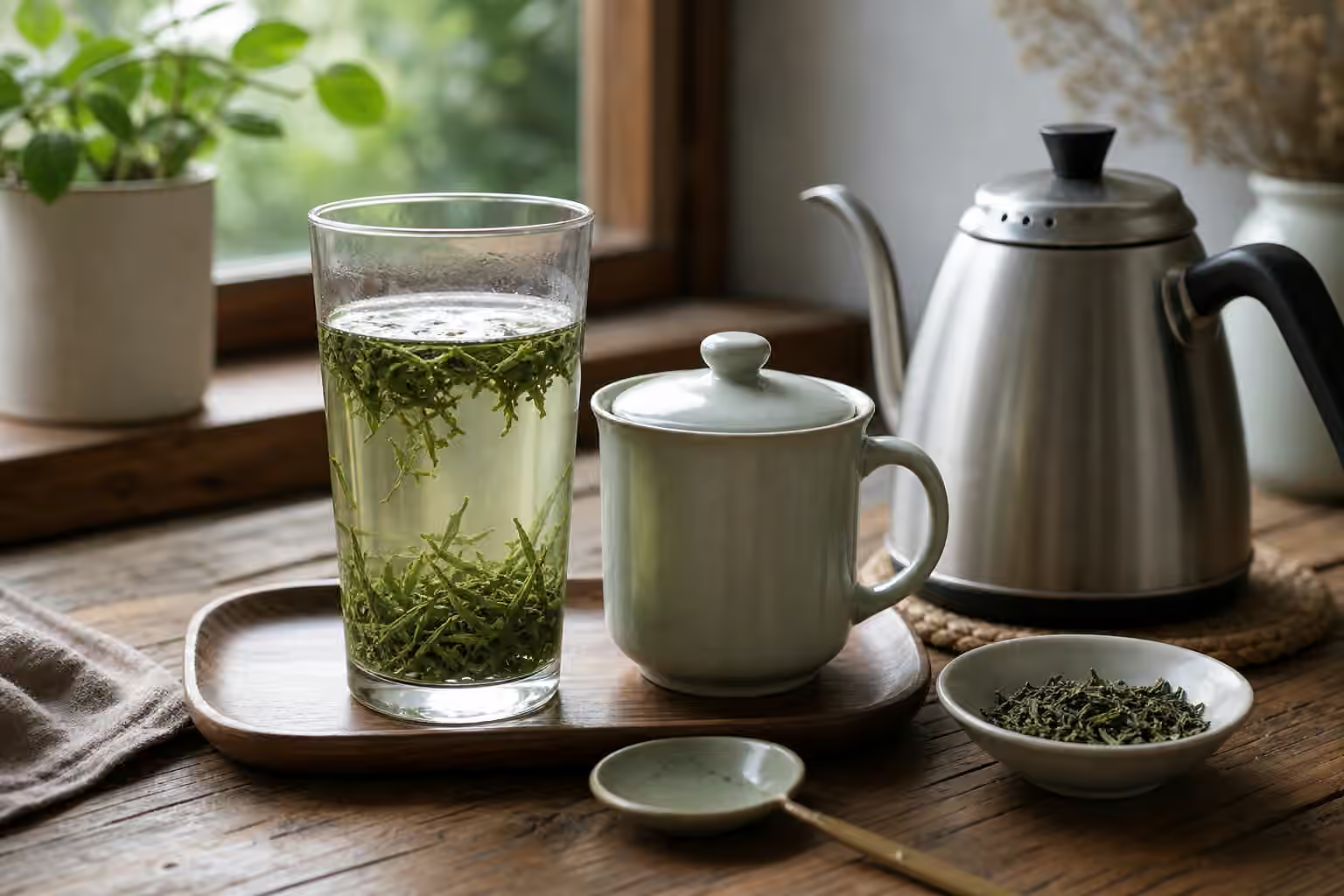
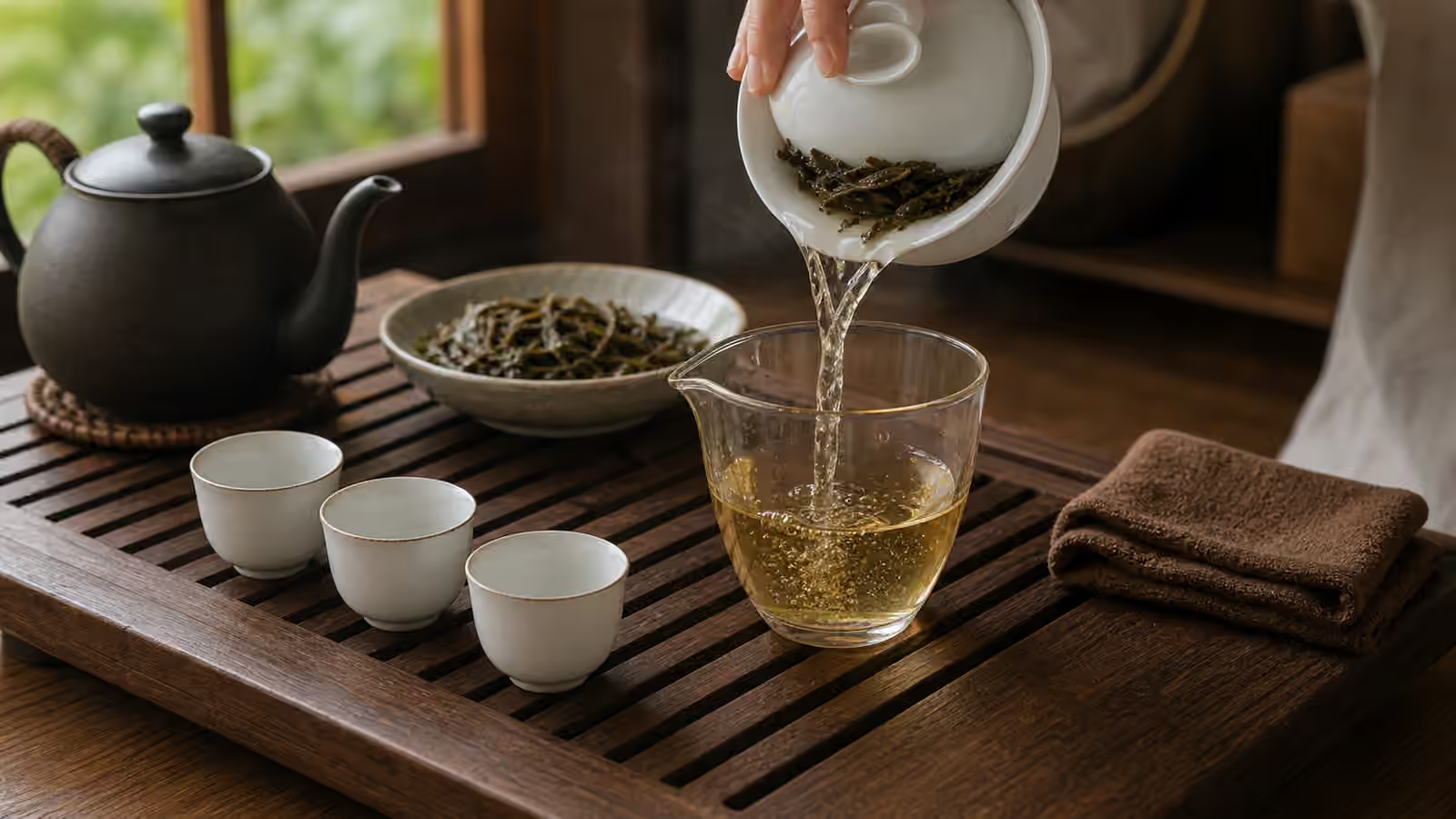
Re-steeping is one of the quiet pleasures of loose leaf tea. It turns a single measure of leaves into a short conversation instead of a one-time extraction. The first cup may show aroma, the second may bring body, and the third may reveal sweetness or minerals that were hidden at the start. Good re-steeping is not a trick for squeezing value from spent leaves. It is a way of noticing how tea changes after hot water wakes it up.
What changes after the first steep
Dry leaves do not open all at once. Some unfurl quickly, some swell slowly, and some release different compounds at different speeds. A first steep often carries the most volatile aroma because the leaf surface is still fresh. A second steep may taste rounder because the leaves have softened and water reaches more of their structure. Later steeps can become thinner, sweeter, woodier, more mineral, or simply quiet, depending on the tea.
This is easiest to see with oolong, Pu-erh, white tea, and many whole leaf green or black teas. A rolled oolong may look like pebbles in the dry bowl, then expand into large leaves over several infusions. A raw Pu-erh can move from sharp fragrance into deeper texture. A white tea may start pale and then build honeyed body. A delicate green tea may give a beautiful second cup but fade quickly after that. Small broken leaf black teas, many tea bags, and heavily flavored blends often give most of themselves in one infusion because their leaf size and design favor speed.
The habit connects naturally to Western Brewing vs. Gongfu Brewing . Gongfu brewing uses more leaf, less water, and shorter steeps, so multiple infusions are part of the structure. Western brewing uses more water and longer steeps, so the first infusion takes a larger share of the flavor. Both can be re-steeped, but they do not ask the same question. Gongfu asks how the tea changes across many small cups. Western brewing asks whether the leaves still have enough strength for another mug.
Start by protecting the first cup
Many re-steeping problems begin with an over-extracted first steep. If the first cup is pushed until it is dark, dry, and bitter, the leaves may have little grace left. They can still color water, but the second cup often tastes tired because the first one took too much. A better first steep leaves some room. It tastes complete without feeling wrung out.
That does not mean the first cup should be weak. It means the recipe should match the leaf. Whole leaf oolong can take short, concentrated infusions. A green tea may prefer cooler water and shorter contact. A black tea intended for milk may be satisfying as one strong brew, with only a modest second steep available. Brewing Temperature and Time Without Guesswork is the baseline: change leaf amount, water temperature, and time separately, and write down what happened.
If you know you want several infusions, use a vessel that pours cleanly. A gaiwan, small teapot, kyusu, or basket infuser lets you separate leaf from liquid quickly. A mug with leaves drifting at the bottom makes re-steeping harder because the first infusion never truly stops. The wet leaves keep extracting while you drink, which leaves the next cup duller and rougher. Clear separation is less ceremonial than practical.
How to adjust time
There is no universal second-steep formula, but there is a useful rhythm. If the first steep was short and concentrated, the next one may need only a small increase, or no increase at all if the leaves are still opening. If the first steep was a long Western mug, the second usually needs more time because much of the easy flavor has already moved into the first cup. Later infusions often need longer contact, hotter water, or both, but only if the tea has enough structure to reward the push.
Taste decides. A second cup that smells lively but tastes thin may need more leaf next time, not just more time. A second cup that turns woody or dry may have been overextended. A cup that is pale but sweet may be exactly right for that tea. Color can mislead because some teas brew light even when flavorful, while others give dark liquor with little depth. Use color as a clue, not a verdict.
When practicing, keep the increments simple. Add a little time to each infusion and taste the result. If the tea becomes harsh, shorten the next attempt with the same tea on another day. If it becomes watery, increase time or consider using more leaf from the start. A note as plain as “second steep best, third thin” is enough to guide the next session. The vocabulary from Tasting Tea Without Pretension helps because it keeps attention on aroma, body, sweetness, dryness, and finish rather than on performance.
Read the wet leaves
Wet leaves show information that dry leaves hide. They reveal size, tenderness, breakage, stems, rolling, and how fully the leaf has opened. A bowl of wet oolong leaves may show nearly complete leaves attached to stems. A black tea may show chopped fragments. A green tea may show tender leaf pieces that become fragile after heat. Looking at the wet leaf helps explain why the tea behaved as it did.
If the leaves remain tightly rolled after the first infusion, they may still have a lot to give. If they are fully open and limp, later steeps may fade quickly. If the wet leaf smells sweet, floral, roasted, or fruity, another infusion is probably worth trying. If it smells flat, sour, smoky in a stale way, or like wet paper, the next cup may not improve. This is especially useful with teas you are still learning, such as those in Oolong Tea: Light, Roasted, Rolled, and Complex or Pu-erh and Dark Teas for Beginners .
Do not leave wet leaves sitting warm for long stretches and expect them to taste fresh later. Tea changes after brewing. The leaves cool, oxidize on the table, and can pick up room odors. For an ordinary home session, re-steeping works best when the cups follow each other naturally. If you need to pause, drain the vessel well and leave the lid slightly open so steam does not stew the leaves. The goal is not sterility theater. It is avoiding the muffled taste that comes from wet leaves trapped in heat.
Know when to stop
Stopping is part of re-steeping skill. A tea has more to give when the next infusion still carries a clear aroma, a coherent body, or a pleasant finish. It is finished when the cup tastes like warm water passing through memory. Many people keep steeping because the leaves were expensive, but a tired cup does not honor the tea. It only lengthens the session after attention has left.
Different teas end differently. A roasted oolong may fade into sweetness and wood. A green tea may fall off quickly after a bright second cup. A ripe Pu-erh may keep giving dark, smooth liquor, then suddenly become hollow. A scented tea may lose its top aroma before the base tea is done. That does not make one tea superior to another. It means the structure of the leaf and processing are showing themselves.
Re-steeping also changes how you buy. If you enjoy several small infusions, whole leaf teas and styles with unfolding structure become more attractive. If you mostly want one dependable mug before work, a tea that gives everything quickly may serve you better. The right choice is the one that fits your actual drinking. Re-steeping is valuable because it slows the cup down enough for you to notice that fit.
Make the next session easier
Choose one tea and give it a small repeatable session. Use a vessel that drains cleanly. Keep the water source, leaf amount, and cup size steady. Taste the first cup, then the second, then one more only if the second still has life. Notice when the tea was most complete. The best result may not be the longest sequence. Sometimes the lesson is that a tea gives two excellent infusions and then bows out.
Once you learn that rhythm, a package of tea becomes less mysterious. The dry leaf tells you what might happen. The first steep opens the door. The wet leaf explains the pace. The later cups show whether the tea has depth, speed, delicacy, or simple directness. Re-steeping is not separate from everyday brewing. It is everyday brewing with enough patience to hear the second answer.