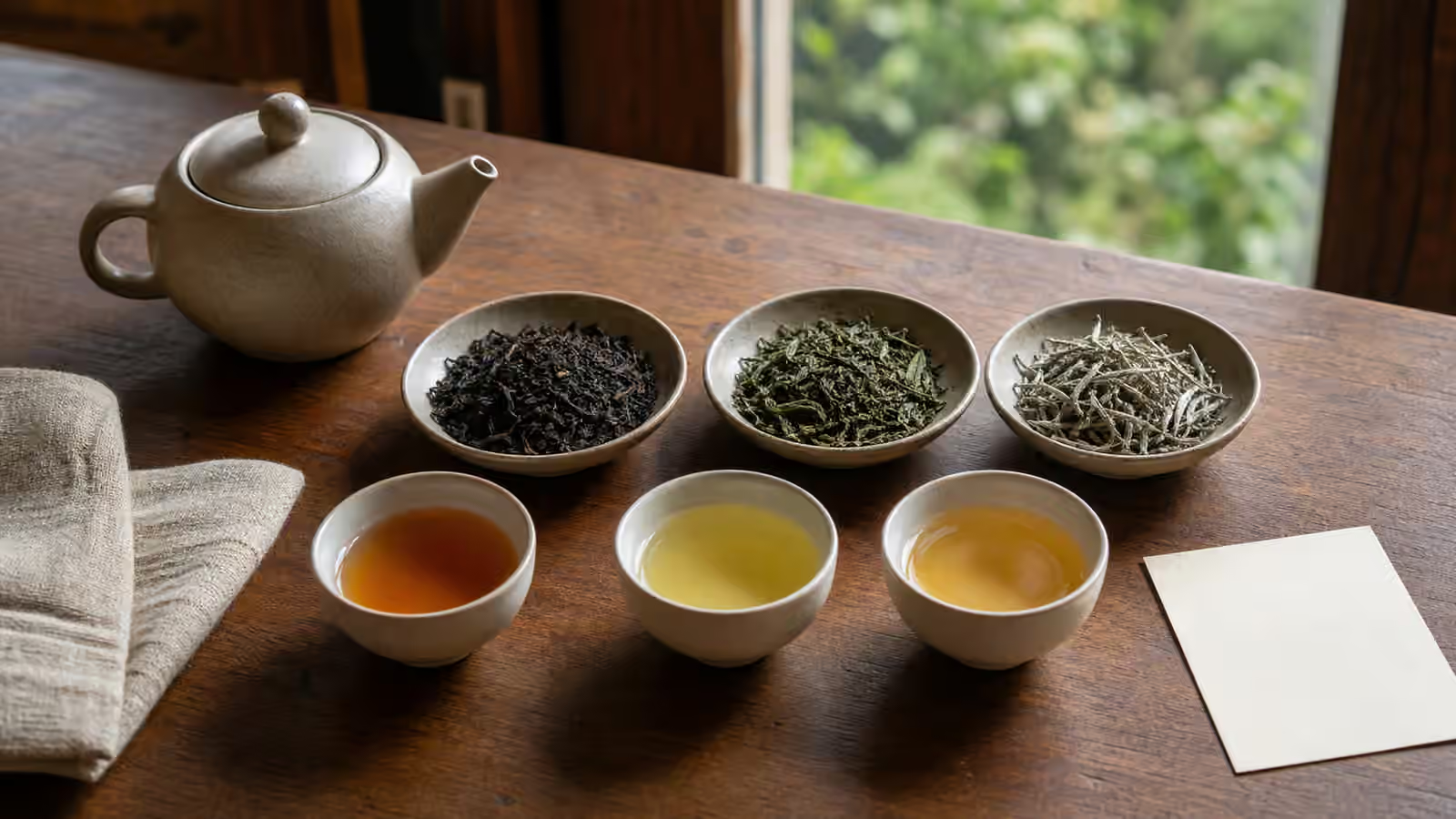
Nepal tea often enters a beginner’s shelf through comparison. It may be described beside Darjeeling, filed under Himalayan tea, or sold with an Ilam origin name that sounds familiar only because it sits near better known Indian labels. That comparison can help, but it can also flatten the subject. Nepali teas can be black, green, white, oolong-like, hand-rolled, broken, brisk, floral, sweet, or quiet. A useful Nepal tea path starts by treating the label as a set of clues rather than a borrowed identity from somewhere else.
Nepal Is Close To Famous Neighbors, But Not The Same Cup
Geography explains why Nepal is often discussed near Darjeeling. Eastern Nepal and the tea districts across the border share mountain weather, elevation changes, and some market language. That does not make every Nepali tea a Darjeeling substitute. The same lesson appears in Reading Tea Origin Names Without Getting Lost : country and region names point toward expectation, but they do not guarantee flavor, quality, or brewing behavior.
Ilam is one of the names beginners are most likely to see. It can be a useful signpost because it points toward an area known for tea, but Ilam alone does not tell you whether the tea is a delicate first flush style, a fuller black tea, a green tea, a white tea, or something processed with a more experimental hand. A label that says “Nepal black tea” gives one clue. A label that adds harvest season, leaf style, garden or producer, and brewing guidance gives a better starting point.
The helpful approach is to read Nepal labels with curiosity and restraint. If the vendor compares a tea to Darjeeling, ask which part of that comparison matters. Is it fragrance, elevation, first flush brightness, muscatel fruit, briskness, or simply geography? If the description leans on “Himalayan” as romance but gives little practical detail, treat it as atmosphere until the cup proves more.
Black Teas Can Range From Brisk To Fragrant
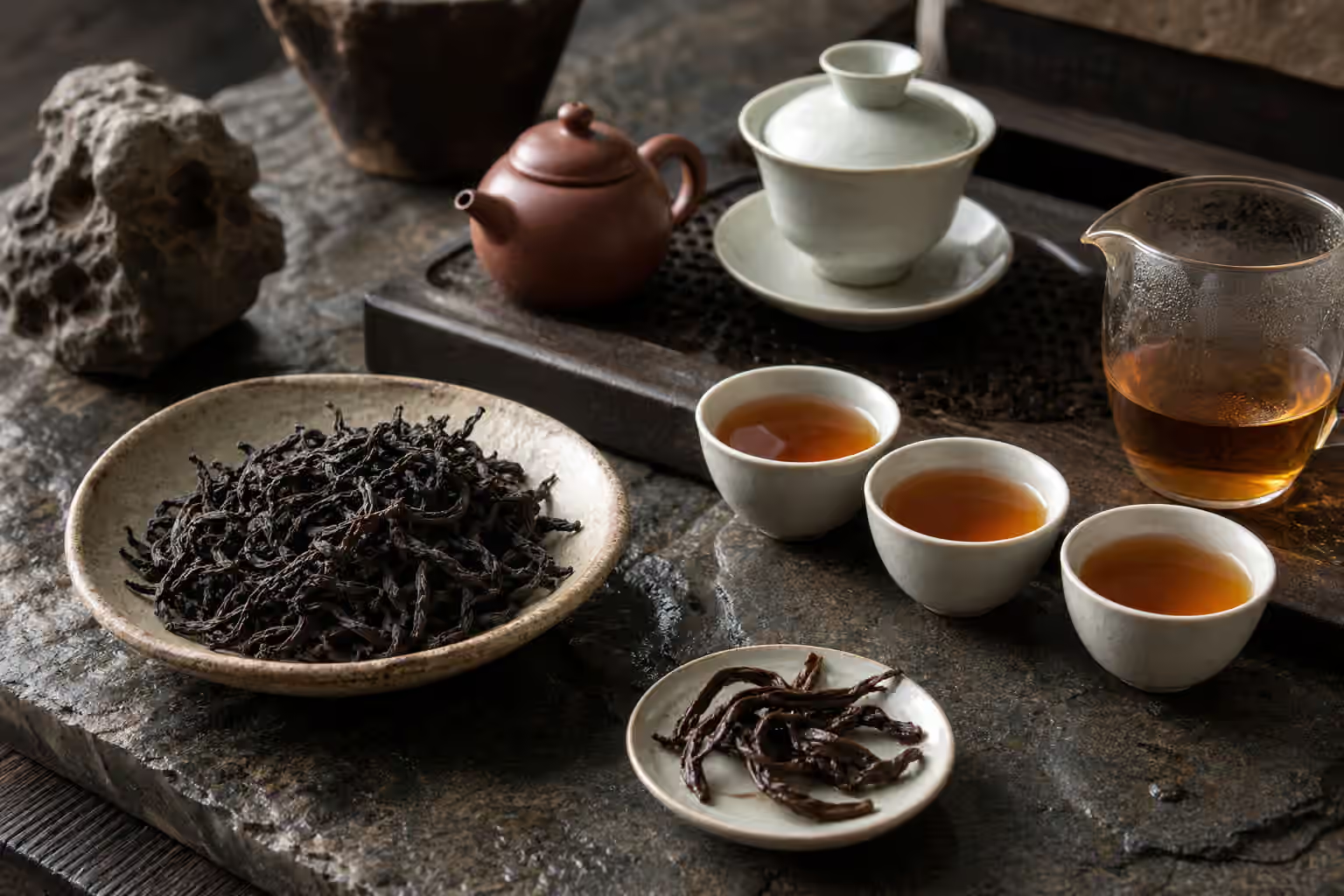
Many Nepali black teas sit in a useful middle ground for drinkers who like aromatic black tea but do not always want a heavy breakfast cup. Some are brisk and bright. Some are rounded, honeyed, floral, or lightly fruity. Some have enough body for a small splash of milk, while others lose their shape when milk covers the aroma. The category is broad enough that the first question should be about job, not prestige.
If you want morning strength, compare the tea to the habits in Black Tea: Assam, Darjeeling, Ceylon, Keemun, and Breakfast Blends . Look at leaf size, smell the warmed leaf, and brew with enough concentration to test body. If the tea becomes sharp quickly, shorten the steep before adding milk. If it tastes thin, increase leaf before extending time dramatically. A light-bodied Himalayan black tea may never become a malty breakfast tea, and that is not a flaw.
If you want fragrance, brew a first cup a little more gently. A highly aromatic black tea can be flattened by the same aggressive method that suits a broken breakfast blend. The cup should tell you whether the tea wants to be brisk, lifted, rounded, or soft. That answer matters more than the origin word on the packet.
Green And White Nepali Teas Need Gentler Assumptions
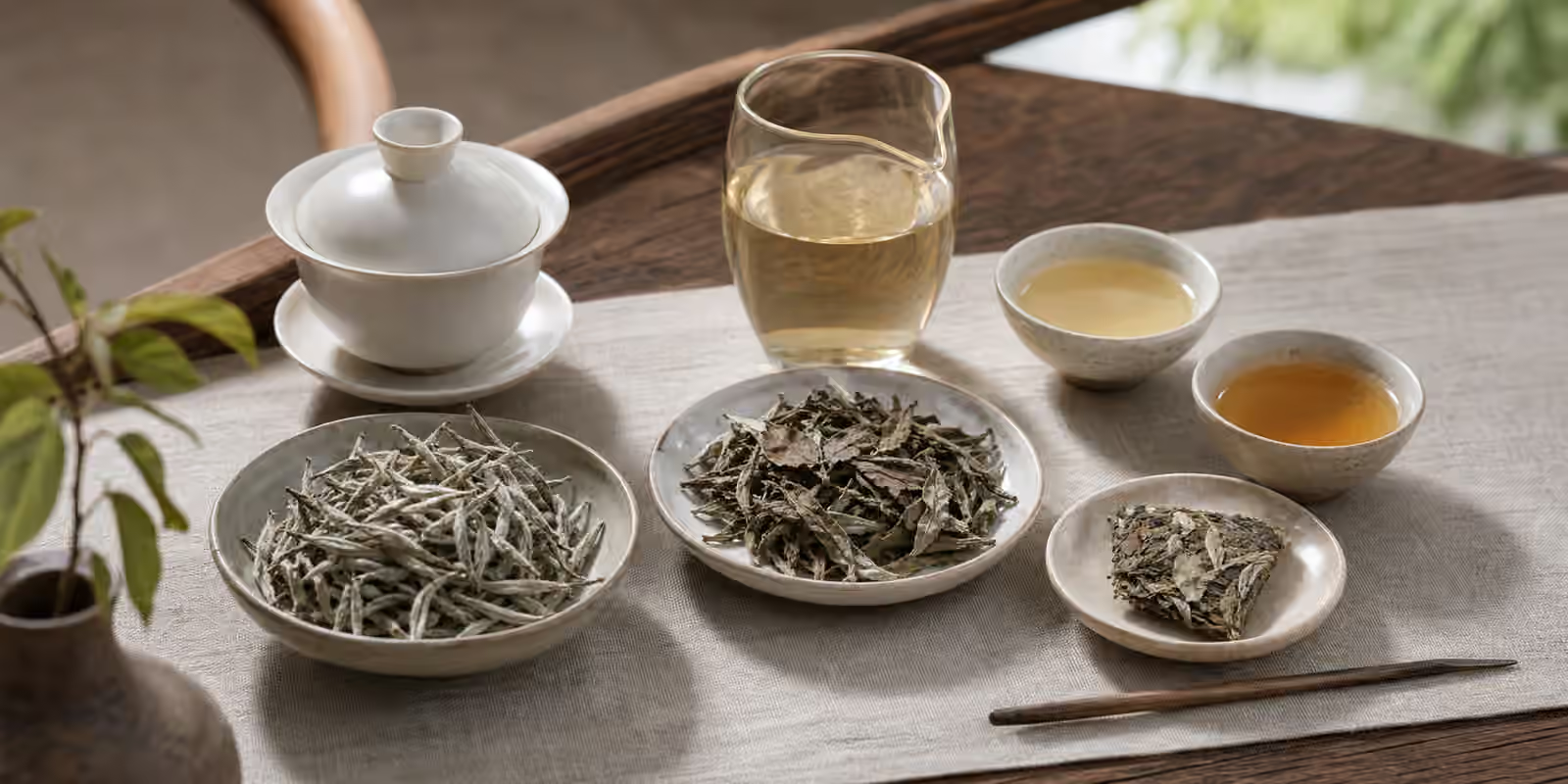
Nepal’s green and white teas can surprise drinkers who only expect black tea from the region. Green teas may show grass, nut, sweetness, mild astringency, or a fresh mountain brightness depending on the leaf and processing. White teas may lean toward hay, flowers, soft fruit, honey, or a pale mineral finish. These are not fixed promises. They are reasons to start with a gentle hand.
The advice from Green Tea: Sencha, Dragonwell, Gunpowder, and Everyday Brewing applies before origin romance does. If the cup turns bitter, check water temperature and time. If it tastes flat, check freshness and ratio. If the leaves are large, airy, or bud-heavy, they may need more physical space in the vessel than a compact black tea. The body can seem quiet if you underleaf a bulky white tea, even when the aroma is good.
White Tea: Gentle Leaves, Simple Brewing, and Subtle Flavor is a useful companion because white tea often punishes impatience less dramatically than green tea, but it can still become woody, dull, or thin when handled casually. A Nepali white tea may reward slightly warmer water than a very delicate green, but the exact tea should decide. Begin conservatively, then adjust.
Harvest Language Helps, But It Is Not A Spell
Nepal tea labels sometimes use familiar flush language: first flush, second flush, autumnal, spring, summer, and other seasonal cues. These words can be useful because harvest timing changes tenderness, aroma, body, and briskness. Tea Harvest Seasons and Flushes explains the general pattern, but Nepal still deserves local humility. A first flush from one producer may not behave exactly like another from a different elevation, leaf standard, or processing style.
Early harvest teas often invite attention to fragrance and lift. Later harvest teas may offer more body, deeper color, or a calmer structure. Autumn teas can be gentle and rounded. None of those tendencies should become a rule that prevents tasting. If the packet gives harvest detail, write it down beside your recipe and one sensory note. Over several cups, the words become useful because they connect to your own experience.
Harvest language also helps with buying size. A tea that seems fresh and seasonal may be worth buying in small amounts while it is vivid, then replacing rather than hoarding. A more robust black tea may tolerate a longer stay on the shelf if stored well. Either way, the storage habits in Tea Storage: Freshness, Light, Air, Heat, and Scent matter more than a pretty seasonal name after the bag is opened.
Oolong-Like And Experimental Teas Ask For Plain Tasting
Some Nepali teas are sold as oolong, semi-oxidized, golden, hand-rolled, or otherwise outside the simple black-green-white boxes. These can be rewarding because they show what producers can do with oxidation, rolling, and drying beyond inherited labels. They can also be confusing if the label sounds more precise than the cup.
Treat these teas like a tasting question. Is the leaf closer to a light oolong, a soft black tea, a heavily withered green, or something else? Does the aroma open through repeated infusions? Does the texture become sweeter as the leaves unfurl? Oolong Tea: Light, Roasted, Rolled, and Complex offers useful habits, especially the idea that oxidation and roast matter as much as country name.
A gaiwan can be helpful for these teas because it lets you smell the lid, watch the leaves, and adjust quickly. A mug infuser can also work if you stop extraction clearly. The best vessel is the one that lets you taste without turning the session into a performance.
Buying Nepal Tea Without Over-Explaining It
Because Nepal tea is less familiar to many beginners than Japanese sencha or Indian breakfast tea, it is easy to let a vendor’s description do too much thinking. Buy small samples first. Look for harvest, style, leaf appearance, producer or area, and brewing suggestions. Ask what role the tea will play on your shelf: aromatic black tea, gentle green tea, quiet white tea, comparison tea, or an everyday cup.
The guide to Tea Buying Without Getting Lost is especially useful here. A modest, clear description may be more helpful than a dramatic one. A tea does not become better because the label uses mountain language. It becomes useful when you know how to brew it, when you want to drink it, and what it teaches you about your own taste.
Nepal tea is best approached as its own conversation. Let Darjeeling comparisons open the door if they help, then let the cup move beyond them. Taste the black teas for body and fragrance. Taste the green and white teas with gentler water. Read harvest language carefully, but do not worship it. With a few small samples and honest notes, Nepal becomes less of a borrowed category and more of a real place on the tea shelf.