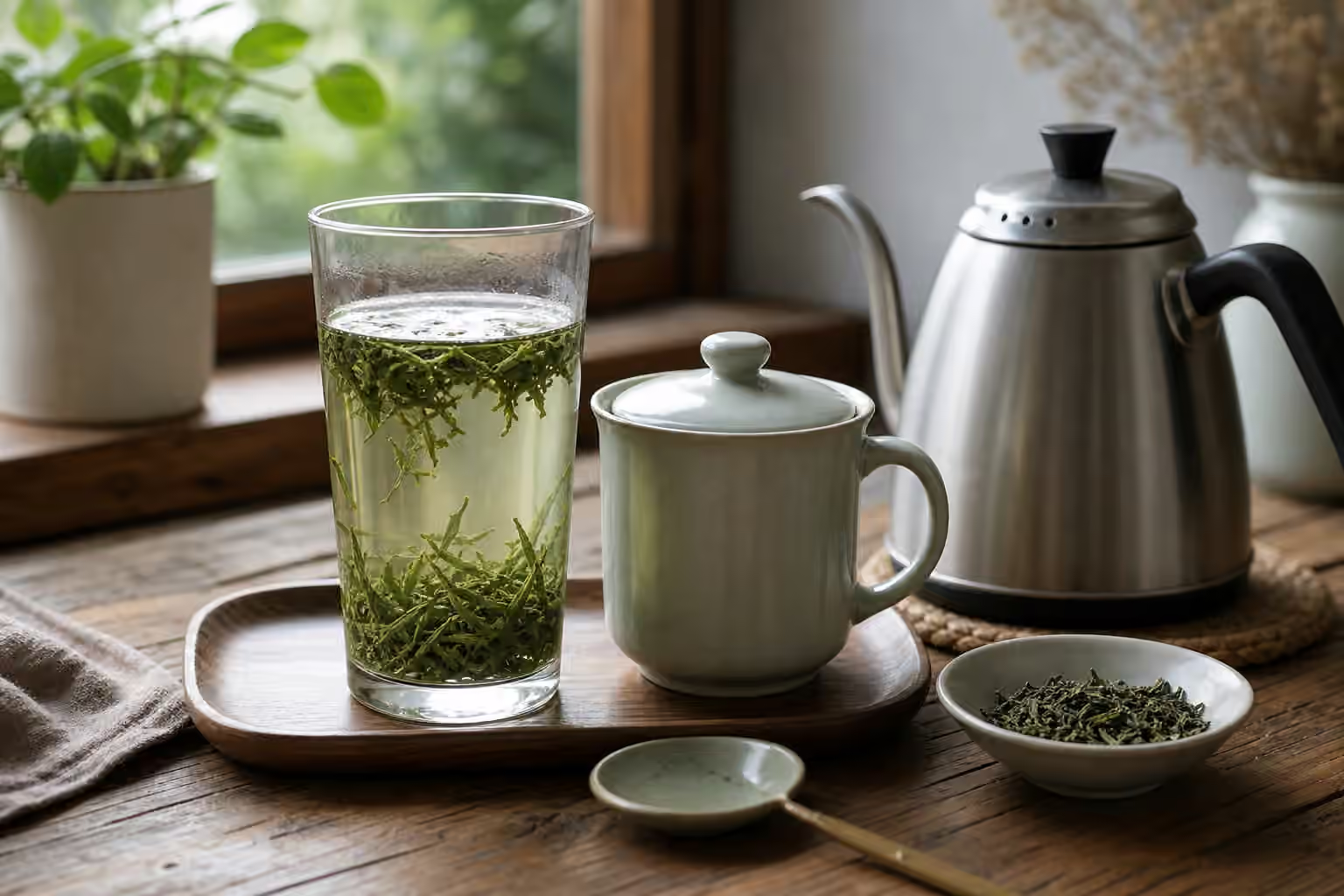
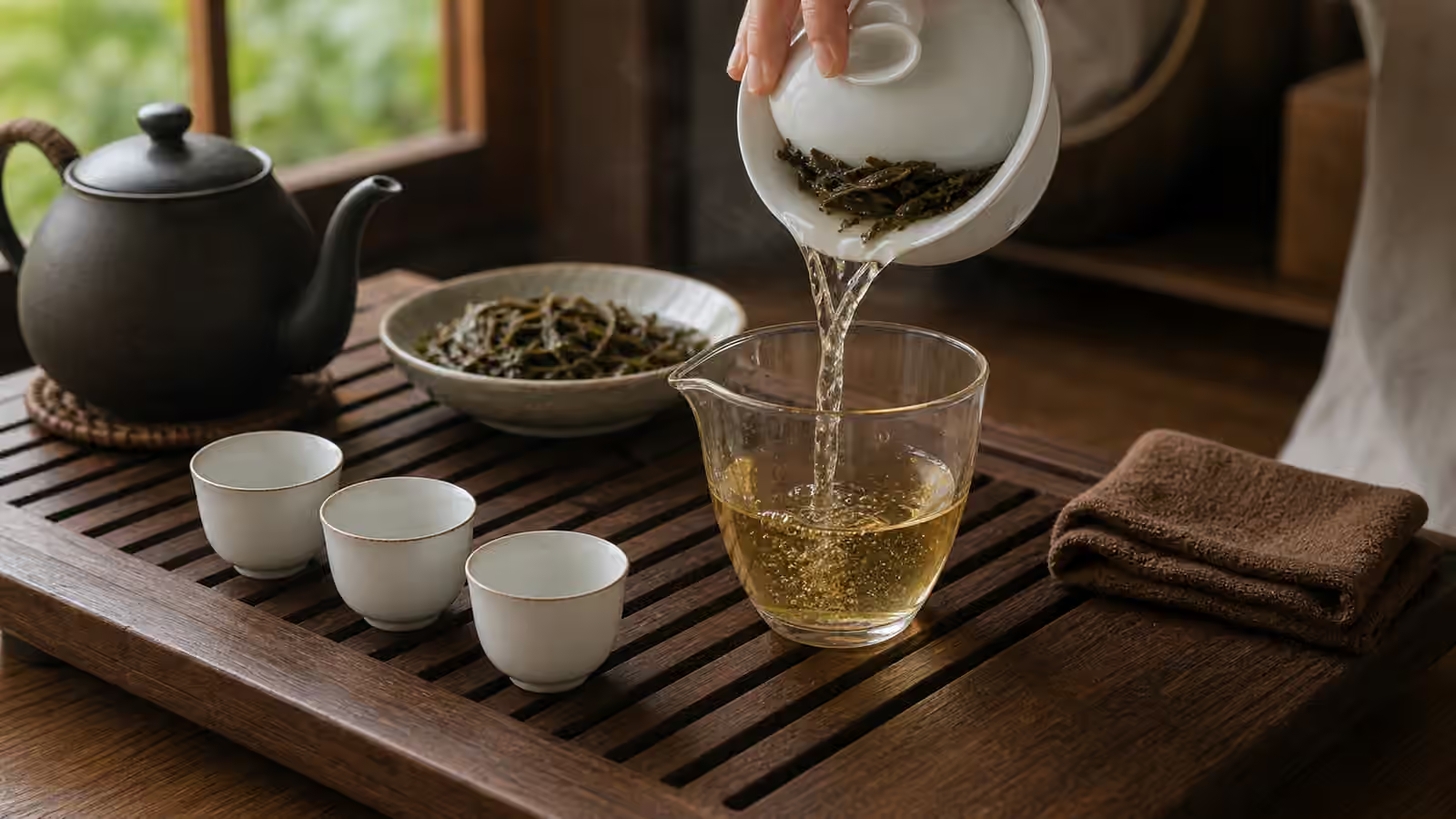
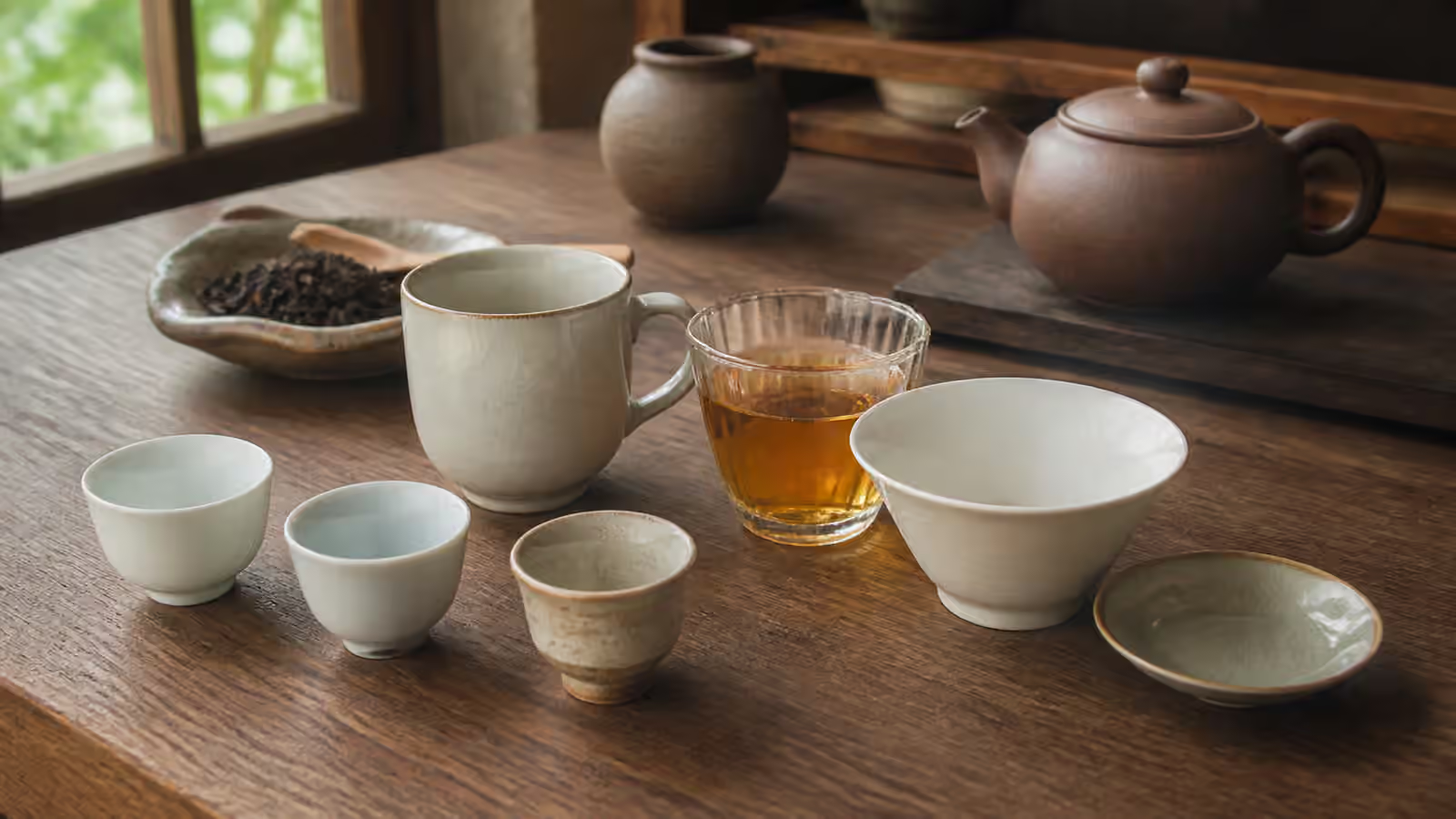
Tea recipes often begin with temperature and time, but the leaf-to-water ratio decides how much tea is available for that recipe in the first place. A two-minute steep can taste thin in a large mug if there is not enough leaf. The same two minutes can taste harsh in a small gaiwan if the vessel is packed with broken black tea. Ratio is not a fussy measurement for people who want to turn tea into arithmetic. It is the quiet agreement between the size of the cup, the amount of leaf, and the kind of concentration you are trying to drink.
Ratio Comes Before Rescue
Many bad cups are repaired in the wrong order. Someone tastes a weak mug and adds two more minutes. The liquor darkens, but the cup becomes drying instead of full. Someone tastes a bitter green tea and blames the tea family, even though a dense spoonful of leaf was squeezed into a small cup. The problem was not only time or heat. It was concentration.
The troubleshooting guide to bitter, flat, or weak tea makes more sense when ratio is visible. Weakness often means too little leaf for the amount of water. Harshness can mean too much leaf for the time and heat being used. Flatness may come from storage or water, but a flat cup can also be made more confusing by overleafing stale tea until it tastes strong and lifeless at the same time.
A ratio gives you a baseline before you adjust anything else. If the cup tastes close but not quite right, change time or temperature. If the cup feels structurally wrong, check the leaf amount against the water volume. This keeps you from blaming the wrong variable.
Spoons Are Convenient, Weight Is Clearer
Measuring tea with a spoon is normal, but spoons hide leaf shape. A spoon of fluffy white tea can weigh much less than a spoon of tightly rolled oolong. A spoon of broken black tea may carry far more surface area than a spoon of long twisted leaves. None of those spoons is dishonest. They simply are not the same measurement.
A small kitchen scale makes the pattern easier to see. You do not need to weigh every cup forever. Weighing a few familiar teas teaches your eye. After a week of casual practice, you begin to notice that a bowl of loose, wiry black tea occupies more space than its weight suggests, while a compressed or rolled tea looks modest and then expands dramatically after water hits it. The guide to tea grades and leaf styles is useful here because leaf size, breakage, rolling, and bud content all change how measurement behaves.
Volume can still be useful once you know the tea. If your everyday breakfast blend tastes good with one heaped teaspoon in your favorite mug, keep that habit. The danger is carrying the same spoon habit into a different tea and expecting the same result. A spoon is a memory aid. Weight is the cleaner comparison when the tea changes.
Western Cups And Gongfu Cups Ask Different Questions
Western brewing usually means more water, fewer leaves, and a longer steep. The cup is meant to be complete in one serving, or perhaps one main serving with a modest second steep. In that setting, ratio should give enough body for the full mug without making the last half of the cup rough. A large breakfast mug needs more leaf than a small tasting cup, but it may not need a dramatic amount if the steep is long and the tea is brisk.
Gongfu brewing changes the rhythm. It uses more leaf, less water, and shorter infusions, so the ratio looks strong on paper but gentle in the cup because contact time is brief. The goal is not one large extraction. It is a sequence of small cups that show aroma, body, sweetness, roast, and finish over time. Western Brewing vs. Gongfu Brewing explains that difference in rhythm, but ratio is what makes the difference visible on the table.
Confusion starts when the two styles are mixed without adjustment. If you use a western amount of leaf in a gaiwan and steep for only a few seconds, the first cup may seem watery. If you fill a mug with gongfu-level leaf and steep for several minutes, the result can be aggressive. Neither method failed. The ratio and timing belonged to different habits.
Vessel Shape Changes The Contact
Ratio is not only leaf divided by water. It is also how the leaf sits in the vessel. A roomy basket infuser lets leaves open and releases flavor more evenly. A cramped ball infuser can make the same ratio taste weak because water reaches the outside layer more easily than the leaves trapped inside. A small teapot may hold heat differently from a thin glass cup. A gaiwan drains quickly if handled well, while a mug with loose leaves at the bottom keeps extracting after you think the steep is over.
This is why the guide to teapots, gaiwans, kyusu, and infusers belongs beside any ratio discussion. The vessel does not merely hold water. It controls space, heat, speed, and separation. A ratio that works beautifully in a wide basket may taste cramped in a novelty infuser. A ratio that suits a clay teapot may feel heavy in a glass mug because the heat and pour speed are different.
When a familiar tea suddenly tastes wrong, ask whether the vessel changed before changing the tea itself. A larger mug, a tighter infuser, or a pot that does not drain cleanly can make a dependable recipe look unreliable.
Leaf Style Decides How Fast Strength Appears
Broken leaves and small particles extract quickly because water touches more surface area. Whole leaves often release more slowly. Rolled oolong may begin quietly, then open into greater strength after the first infusion. Compressed tea may need a little patience as the chunk loosens. Powdered tea such as matcha is not steeped and strained at all, so ratio becomes a different question of powder, water, whisking, and texture.
This does not make whole leaf automatically better or broken leaf automatically crude. A strong Assam intended for milk may use smaller leaf because speed and body are part of the design. A delicate green tea may become sharp if too much leaf is pushed with hot water. A rolled oolong can look like too little tea until the wet leaves fill the vessel. The cup is easier to understand when you connect ratio to physical leaf behavior instead of treating all teas as interchangeable flakes.
The practical move is to read the dry leaf before measuring. If it is fluffy, do not trust a visual scoop too much. If it is dense and rolled, leave room for expansion. If it is very broken, expect speed and watch time carefully. The goal is not a perfect universal rule. It is a ratio that respects the material in front of you.
Build One Dependable Baseline
Choose one tea you drink often and make the ratio repeatable. Use the same cup, the same water source, the same vessel, and the same steep time. Measure the leaf once by weight, then notice what that amount looks like in your normal spoon or palm. Brew it, taste it, and write one plain sentence. The next session, keep the ratio steady and adjust only time. After that, keep time steady and adjust the ratio. Two or three cups will teach more than a dozen vague experiments.
The guide to brewing temperature and time becomes much more useful after that baseline exists. Temperature controls how extraction feels. Time controls how long extraction continues. Ratio controls how concentrated the extraction can become. When all three move at once, the cup cannot explain itself.
A good ratio should make the next decision simpler. If the cup is aromatic but thin, add a little leaf next time. If it is full but drying, shorten the steep before reducing the leaf. If it is both weak and bitter, the ratio may be too low and the time too long, a common large-mug problem. If it tastes good, keep the baseline and stop tinkering for a while.
Ratio is successful when it disappears into habit. You know how much tea your morning mug wants. You know when a small pot needs more leaf but less time. You know why a spoon that works for one tea misleads you with another. That quiet familiarity is the point. Measurement is only there long enough to make the cup easier to repeat.