Korean tea can be hard for beginners to place because it does not fit neatly into the shelf habits created by Japanese sencha, Chinese green tea, Indian black tea, or British-style breakfast blends. It includes true tea made from Camellia sinensis, such as nokcha and other green teas, along with oxidized or fermented styles often discussed with names such as balhyocha or hwangcha. It also includes everyday infusions made from roasted barley, roasted corn, brown rice, citron, ginger, jujube, flowers, and other ingredients. Some of those drinks are not tea in the botanical sense, but they belong to the same household rhythm of hot water, cups, season, hospitality, and quiet refreshment.
A Broader Meaning Of Tea
The Tea House shelf already separates true tea from herbal infusions in Tea Types Explained and Herbal Infusions and Tisanes . Korean tea practice is a useful place to hold both ideas at once. A cup of nokcha is true tea. A cup of roasted barley infusion is not true tea, yet it may be the more common everyday drink in some households and meals. Treating one as serious and the other as lesser misses the point.
The practical question is what the drink is doing. A green tea may ask for careful water and a quiet cup. A roasted grain infusion may be served warm or cool with food, offering toast, grain, and comfort rather than delicate leaf aroma. A ginger or citron preparation may be chosen for flavor and season. Avoid turning those choices into medical claims. They can be delicious and meaningful without promising treatment or cure.
Nokcha Rewards Gentle Brewing
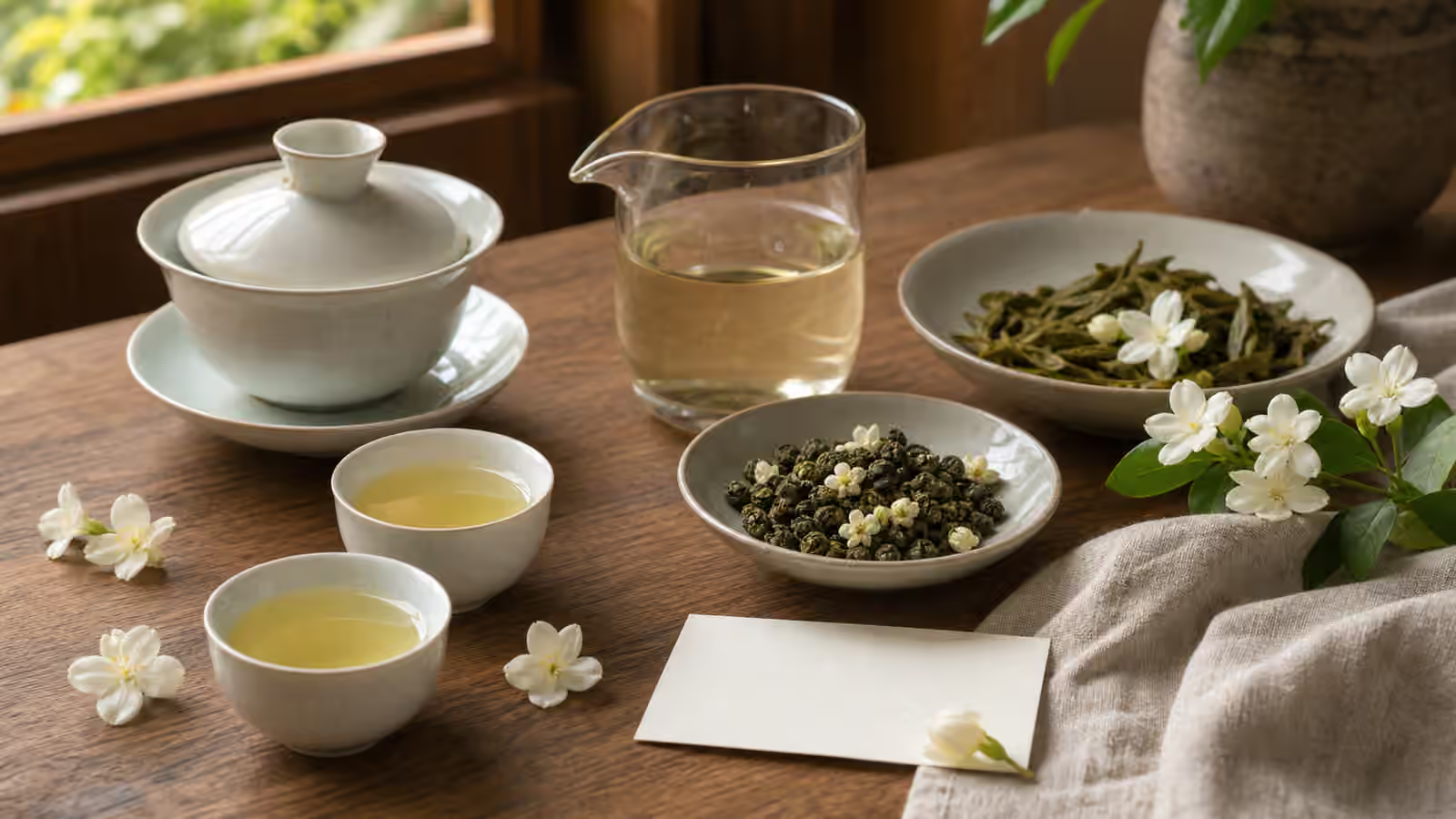
Nokcha, Korean green tea, can share some surface similarities with other East Asian green teas, but it should not be brewed from assumption alone. Some cups are soft, nutty, marine, grassy, sweet, or lightly vegetal. Some are more rustic. The leaf, producer, harvest, storage, and water all matter. A careful first approach is better than forcing every green tea into one universal recipe.
Start with the instincts from Green Tea: Sencha, Dragonwell, Gunpowder, and Everyday Brewing , then adjust by taste. Green teas often punish overly hot water and long steeping before they show their best sweetness. If a nokcha tastes bitter and flat, do not decide that Korean tea is harsh. Check the water, amount of leaf, steep time, and freshness. If it tastes pleasant but quiet, a little more leaf may help more than a much longer steep. The guide to brewing temperature and time gives the method: move one variable, then listen to the cup.
Small cups can help because they slow the session down. That does not mean you need formal equipment. A small pot, a gaiwan, or a roomy infuser can work. The important detail is space for the leaf, a clean pour, and enough attention that the second cup teaches the first. Korean green tea often becomes more approachable when the goal is not to copy another country’s ceremony, but to make one clear cup with the tools you have.
Balhyocha And Hwangcha Need Plain Tasting
Names such as balhyocha and hwangcha can be translated and used differently by sellers, so beginners should avoid treating the label as a precise flavor guarantee. Broadly, these teas can involve oxidation or fermentation-like processing that moves the cup away from fresh green tea and toward warmer, fruitier, honeyed, woody, or softly black-tea-adjacent territory. The exact tea matters more than the category name.
This is where reading tea origin labels helps. A good label should tell you more than a romantic style name. It may describe the processing, the harvest, the region, the leaf shape, or how the tea is usually brewed. If it does not, your first session becomes the label. Look at the dry leaf, smell the warmed vessel, brew modestly, and write one plain sentence about aroma, body, sweetness, dryness, and finish.
These teas are worth tasting plain before adding anything. Milk, lemon, and sugar may cover the middle of the cup before you understand it. If the tea is closer in structure to black tea, it may handle a stronger brew. If it is closer to a delicate oxidized green or oolong-like cup, it may need restraint. Do not force it into a category too quickly. Brew once, taste, and let the tea tell you where it sits.
Roasted Grain Infusions Are Not A Footnote
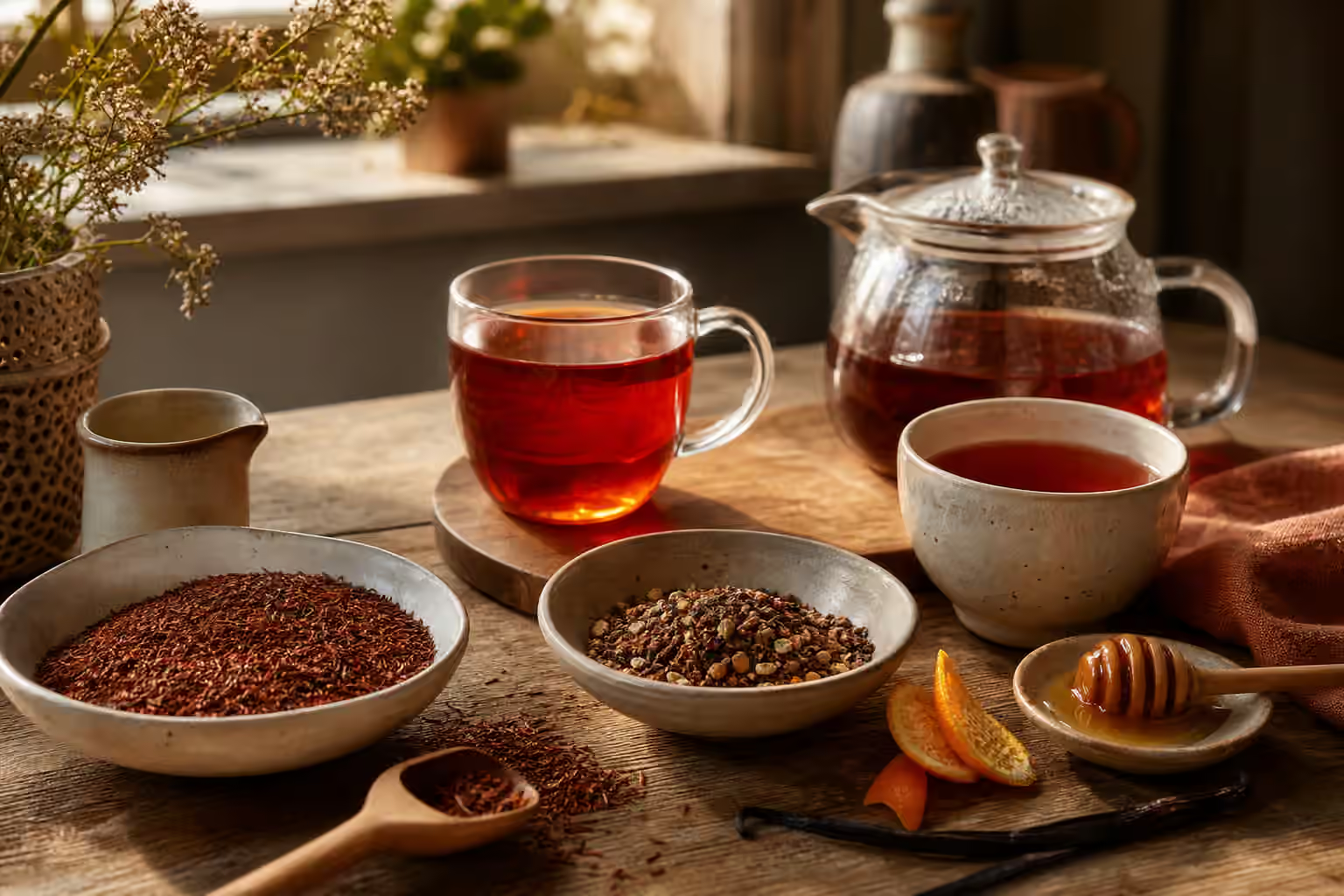
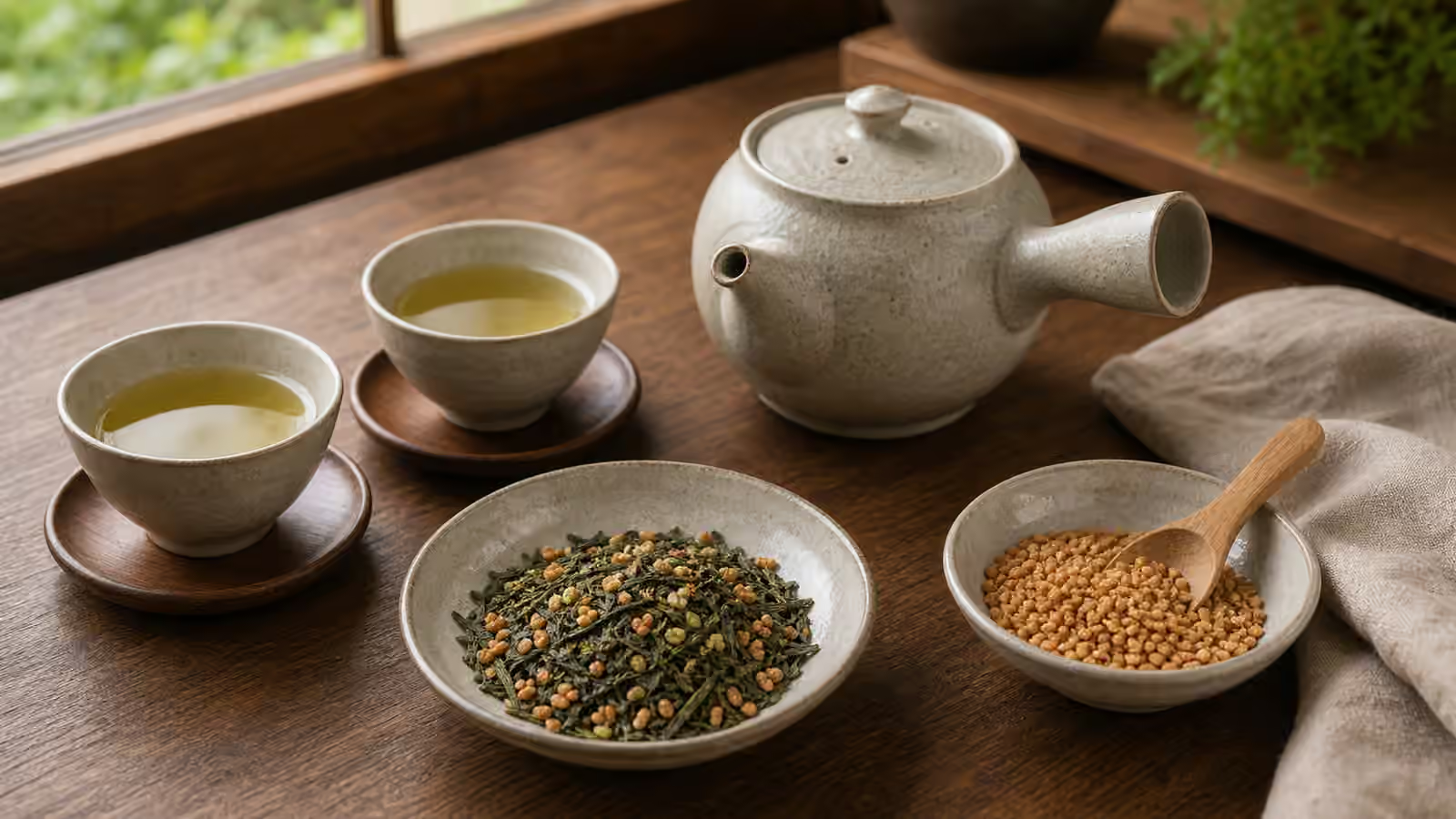
Roasted barley, roasted corn, and roasted rice infusions show another side of Korean tea culture: grain, warmth, food compatibility, and repeatable household drinking. These cups can be nutty, toasty, lightly sweet, dry, or deeply comforting. They may be served hot in cool weather or chilled at the table. Their value is not that they imitate tea leaves. Their value is that they do a different job well.
The guide to common herbal infusions gives the broader principle. Ingredients extract differently. Leaves, flowers, seeds, roots, bark, fruit, and roasted grains do not all ask for the same water or time. Grain infusions often tolerate longer contact than green tea because the goal is roasted flavor rather than delicate leaf aroma. Still, freshness matters. A stale roasted grain can taste dusty, oily, or flat, and no heroic steep fixes that completely.
Roasted grain drinks are also helpful for shared meals because they are forgiving. They can sit beside rice, soup, grilled food, pickles, sweets, or a simple afternoon snack without demanding the attention of a rare tea. That humility is a strength. Not every cup has to be a tasting exercise.
Service Can Stay Simple
Korean tea service can be beautiful, but a home drinker does not need to turn beauty into a barrier. The same practical concerns appear across tea cultures: clean water, clean vessels, a cup size that suits the tea, enough room for leaves or ingredients, and a way to stop extraction when the drink tastes right. Tea Service for Guests is useful because it focuses on the comfort of the table rather than performance.
For green tea, smaller quantities and careful heat make sense. For oxidized or fermented styles, the recipe may be more flexible, though it still deserves attention. For roasted grain infusions, a larger pot or pitcher may be more natural. The service should follow the drink’s job. A tiny cup can make a delicate tea feel focused. A larger cup can make a grain infusion feel generous. Neither is more authentic in isolation.
The best home setup is the one you will use. A small teapot, a strainer, a kettle you understand, and a few cups can carry a lot of practice. If you later add Korean ceramics or dedicated ware, let those tools deepen the habit rather than replace it.
Buying And Comparing With Care
Korean teas and infusions may be less available in some local shops than Chinese, Japanese, or Indian teas, so it is easy to overbuy when you finally find them. Resist that. Small amounts keep the shelf fresh and let you learn without turning curiosity into clutter. The guide to Tea Buying Without Getting Lost applies especially well: buy for a clear purpose, taste before stocking up, and compare nearby things.
Good comparisons might be gentle. Taste nokcha beside a familiar Japanese green tea, not to rank them, but to notice heat tolerance, sweetness, aroma, and texture. Taste a balhyocha or hwangcha beside a mild black tea or a light oolong, and notice where it feels similar or different. Taste roasted barley beside roasted hojicha from the roasted teas guide , and notice how leaf roast and grain roast create different kinds of warmth.
Korean tea becomes easier when you stop asking it to represent a single category. It can be green and delicate, warm and oxidized, grainy and everyday, seasonal and fragrant, or simply hospitable. The path is to match the drink to its purpose and let each cup keep its own dignity.