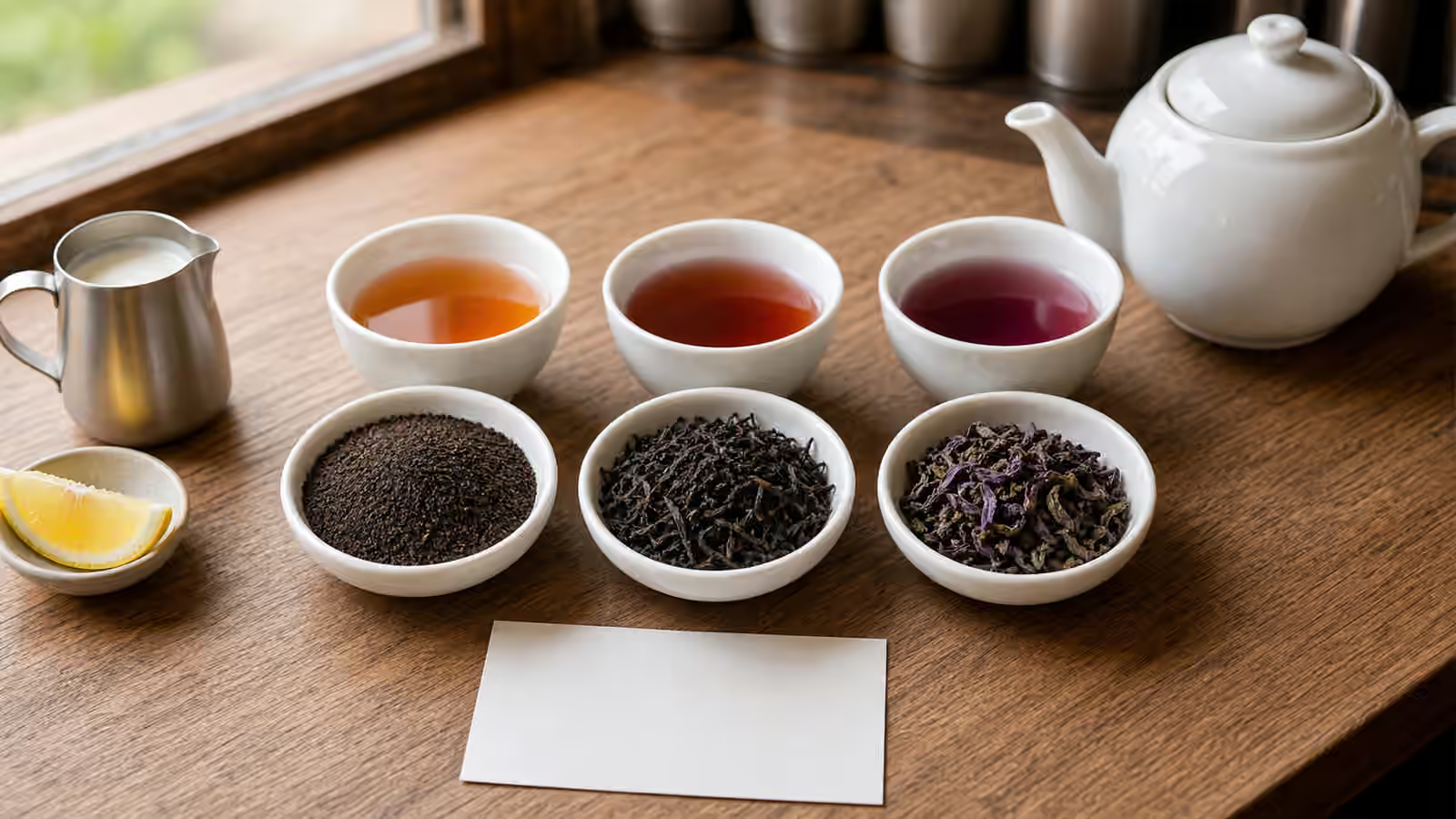
Kenyan tea is often present in a cup before the drinker knows its name. It may appear inside breakfast blends, strong tea bags, milk-friendly black tea, iced tea blends, or brisk house teas that promise color and dependability. That everyday visibility can make Kenyan tea seem ordinary, but ordinary is not the same as simple. Kenya’s tea shelf includes fast-extracting CTC black tea, more aromatic orthodox leaves, newer purple-leaf cultivars, and many blends built around strength, clarity, and service.
Strength Is A Design Choice
The first thing to understand is that much Kenyan tea is made to brew decisively. CTC means crush, tear, curl, a processing style that produces small, dense particles rather than long twisted leaves. Those particles extract quickly. They bring dark color, briskness, and body in a short time, which is why they are common in tea bags and breakfast blends. The cup is not trying to behave like a delicate white tea or a rolled oolong. It is built for a different job.
That job can be valuable. A CTC black tea can hold milk, sugar, spices, and a hurried morning better than many fragile leaves. It can give a clean strong cup when the recipe is honest. The mistake is brewing it as if it were a whole-leaf black tea and then blaming the origin when it turns rough. Smaller leaf style changes extraction, as Tea Grades and Leaf Styles Without Snobbery explains. When the leaf is fine, seconds matter more.
Start with the question from Black Tea: Assam, Darjeeling, Ceylon, Keemun, and Breakfast Blends : do you want body, aroma, milk compatibility, briskness, or plain-drinking delicacy? A Kenyan CTC tea may be excellent for body and milk. It may be less suited to slow fragrance tasting. That is not a failure. It is clarity about purpose.
Milk Can Belong To The Tea Instead Of Hiding It
Tea culture sometimes talks about milk as if it is a cover-up for bad tea. That is too narrow. Some black teas are designed with enough briskness and concentration that milk becomes part of the intended balance. Kenyan black tea often lives comfortably in that role. Milk softens astringency, carries color, and turns strength into a rounded cup when the base tea has enough structure.
The important detail is concentration. If a cup is underbrewed and watery, milk makes it weaker. If it is overbrewed and harsh, milk may soften the surface while leaving a rough finish. A better method is to brew a clear strong base and add milk after tasting the plain tea once. Notice whether the tea has malt, dryness, red fruit, brightness, or simple brisk force. Then decide how much milk actually improves it.
This connects naturally to Tea Lattes Without Muddy Flavor and Chai at Home . Both guides depend on strong tea that still tastes like tea after additions. Kenyan black tea can be useful there because it does not disappear easily. For chai, it can carry spice and sweetness. For a simple milk tea, it can give color and snap without requiring a complicated recipe.
Orthodox Kenyan Tea Shows Another Side
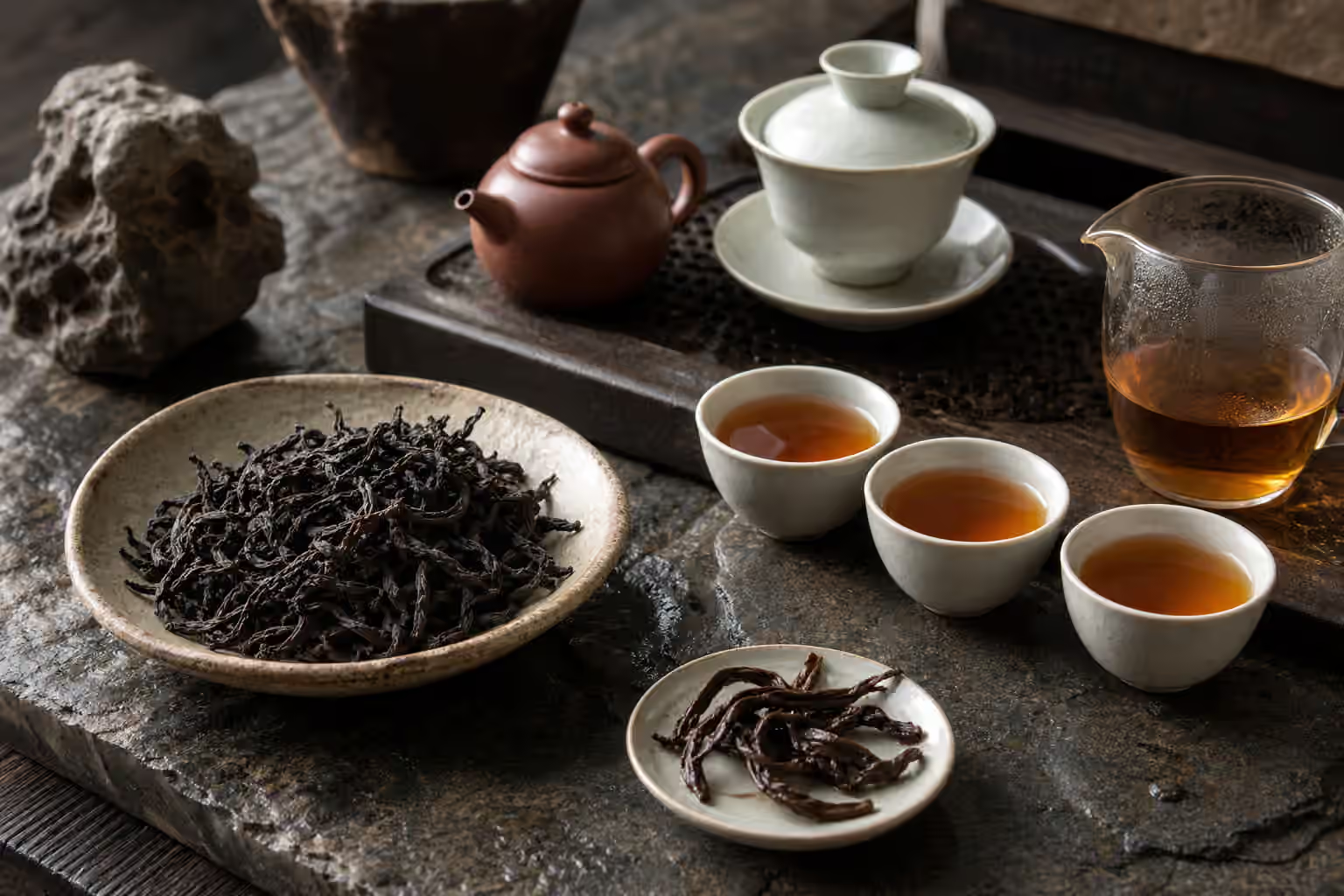
Orthodox processing keeps the leaf larger and often more visually recognizable. Kenyan orthodox black teas can show more aroma, texture, and nuance than the quick, brisk profile people expect from CTC. They may still be assertive, but the extraction is usually slower and the cup can be easier to taste plain. Some show citrus, red fruit, honeyed warmth, floral hints, or a cleaner finish than the strongest broken-leaf teas.
This is where Kenya becomes more than a breakfast blend component. A whole-leaf or larger-leaf Kenyan tea can be brewed with attention to aroma and body. It may respond well to a slightly shorter first steep, then a second infusion if the leaves still have structure. It may also work beautifully as iced tea because clarity and brightness can survive cooling.
Compare carefully. Brew a CTC Kenyan tea and an orthodox Kenyan tea with methods suited to each, not one identical recipe. The CTC may need less time and may welcome milk. The orthodox tea may ask for more leaf space and a cleaner pour. The lesson is not that one is superior. The lesson is that processing changes the job of the tea.
Purple Tea Is A Tea, Not A Health Slogan
Kenyan purple tea comes from purple-leaf tea cultivars developed for their distinctive leaf color and chemistry. Vendors sometimes make loud claims around the word purple, but a practical drinker can ignore the hype. In the cup, purple tea may be processed as green, oolong-like, black, or other styles. It can taste light, tangy, woody, fruity, dry, or surprisingly restrained depending on how it was made.
Do not buy it as a promise of wellness. Buy it as a tea you want to taste. The same non-medical boundary used in Caffeine in Tea: Strength, Timing, and Sensitivity applies here: personal health claims belong with qualified professionals, not with a tea packet. Your job at the tea table is simpler. Does the tea smell fresh? Does the processing make sense? Does the cup have body, aroma, sweetness, dryness, and finish?
Purple tea can be helpful for learning because it forces you to separate cultivar, processing, and marketing. The leaf color is one clue. The finished style is another. A purple-leaf black tea and a purple-leaf green tea are not the same experience. Read the label, brew plainly, and let the cup answer before deciding what the category means to you.
Iced Tea And Blends Can Be Good Tests
Kenyan tea often performs well in blends because it brings color and structure. That same structure can be useful for iced tea. When tea is chilled, aroma changes and sweetness can feel lower. A tea that tasted balanced while hot may seem thin when cold. A brisk Kenyan black tea can hold up, especially when brewed with dilution in mind. Iced Tea Without Bitterness gives the method: manage strength, cooling, dilution, and storage instead of simply making hot tea and hoping.
Orthodox Kenyan teas can also be interesting cold, especially if they have fruit or citrus notes. Brew one hot first so you know the baseline. Then try a cold brew or a slightly stronger hot brew poured over ice. If the tea becomes too dry, shorten the steep or reduce leaf. If it disappears, increase concentration before adding sweetener.
Blends should be read honestly. A breakfast blend may include Kenyan tea without saying much about it, or it may advertise Kenyan origin because the blender wants to highlight briskness. Either can be fine. The question is whether the blend does its job. Does it taste clear plain? Does it hold milk? Does it become muddy when cooled? A blend that answers those questions well deserves respect even if it is not a rare single-origin tea.
Buying Kenyan Tea With Better Expectations
Look for the style first. Is it CTC, orthodox, purple, black, green, or blended? Then look for freshness, leaf appearance, vendor guidance, and intended use. A small amount of CTC tea can be more useful than a large tin if you only drink strong milk tea occasionally. A sample of orthodox Kenyan tea can teach more than a vague bulk bag. Purple tea is worth sampling before stocking up because its flavor depends heavily on processing.
Tea Buying Without Getting Lost is the right companion because Kenyan tea can be hidden by format. Tea bags, loose CTC, breakfast blends, and orthodox specialty teas ask different questions. Buying by job keeps the shelf practical. Choose one tea for milk, one for plain black tea, one for iced experiments, or one purple tea for comparison if curiosity is the purpose.
Kenyan tea rewards directness. It does not need to pretend to be delicate when it is strong, and it does not need to stay trapped inside anonymous breakfast blends. Brew fine leaf with respect for speed. Give orthodox leaves enough room to speak. Treat purple tea as tea rather than a slogan. With those habits, Kenya becomes a clear and useful part of the Tea House shelf.