Jasmine tea is one of the easiest scented teas to recognize and one of the easiest to misread. The dry leaf can smell beautiful before the kettle is even warm, and that first fragrance may lead a beginner to overleaf, overheat, or oversteep. Then the cup turns bitter, soapy, or thin, and the tea gets blamed for being perfumed. A better jasmine tea path begins by separating aroma, base tea, leaf shape, and brewing method.
Scenting Is More Than Decoration
Jasmine tea is usually made by bringing finished tea leaves into contact with jasmine aroma. In careful production, fresh blossoms may be used to scent the tea, then removed after they have given up their fragrance. That means a high-quality jasmine tea does not need to be full of visible flowers. In fact, many visible blossoms in the dry leaf can be decorative rather than proof of deeper aroma. The cup should decide.
Scented and Blended Teas Without Confusion explains the larger category. Jasmine tea sits on the scented side of the spectrum when the aroma is absorbed into the tea rather than simply mixed in as a loose ingredient. Some products use flavoring, some include blossoms, and some are built from repeated scenting with fresh flowers. Those differences matter because they change how integrated the aroma feels after brewing.
Integrated jasmine does not hover like perfume above a weak cup. It meets the base tea. The aroma may arrive first, but the sip should still have structure: green freshness, white tea softness, oolong body, sweetness, or a clean finish. If the tea smells huge in the bag and vanishes in the mouth, the scent is doing more work than the leaf can support.
The Base Tea Controls The Brew
Most jasmine tea begins with green tea, but white tea and oolong bases also exist. The base matters more than the flower name when choosing water and time. A delicate green jasmine tea usually needs gentler water than a black tea. A white jasmine tea may need enough time and space for larger leaves to open. A jasmine oolong may handle repeated infusions and a warmer approach depending on oxidation and roast.
The first practical move is to identify the base as well as you can. If the vendor tells you the tea is green, start near the habits in Green Tea: Sencha, Dragonwell, Gunpowder, and Everyday Brewing . If the leaves are rolled pearls, assume they need room to unfurl. If the tea looks like white buds and leaves, use the gentler expectations from White Tea: Gentle Leaves, Simple Brewing, and Subtle Flavor . If it is oolong, treat leaf expansion and resteeping as part of the session.
Do not let aroma trick you into a stronger recipe. A jasmine tea may smell intense while still needing a light brew. Heavy leaf can make the first sip dramatic, but it can also bring bitterness from the base tea and make the floral note seem chemical. Brew for clarity first. Strength can come later.
Pearls Are A Shape, Not A Guarantee
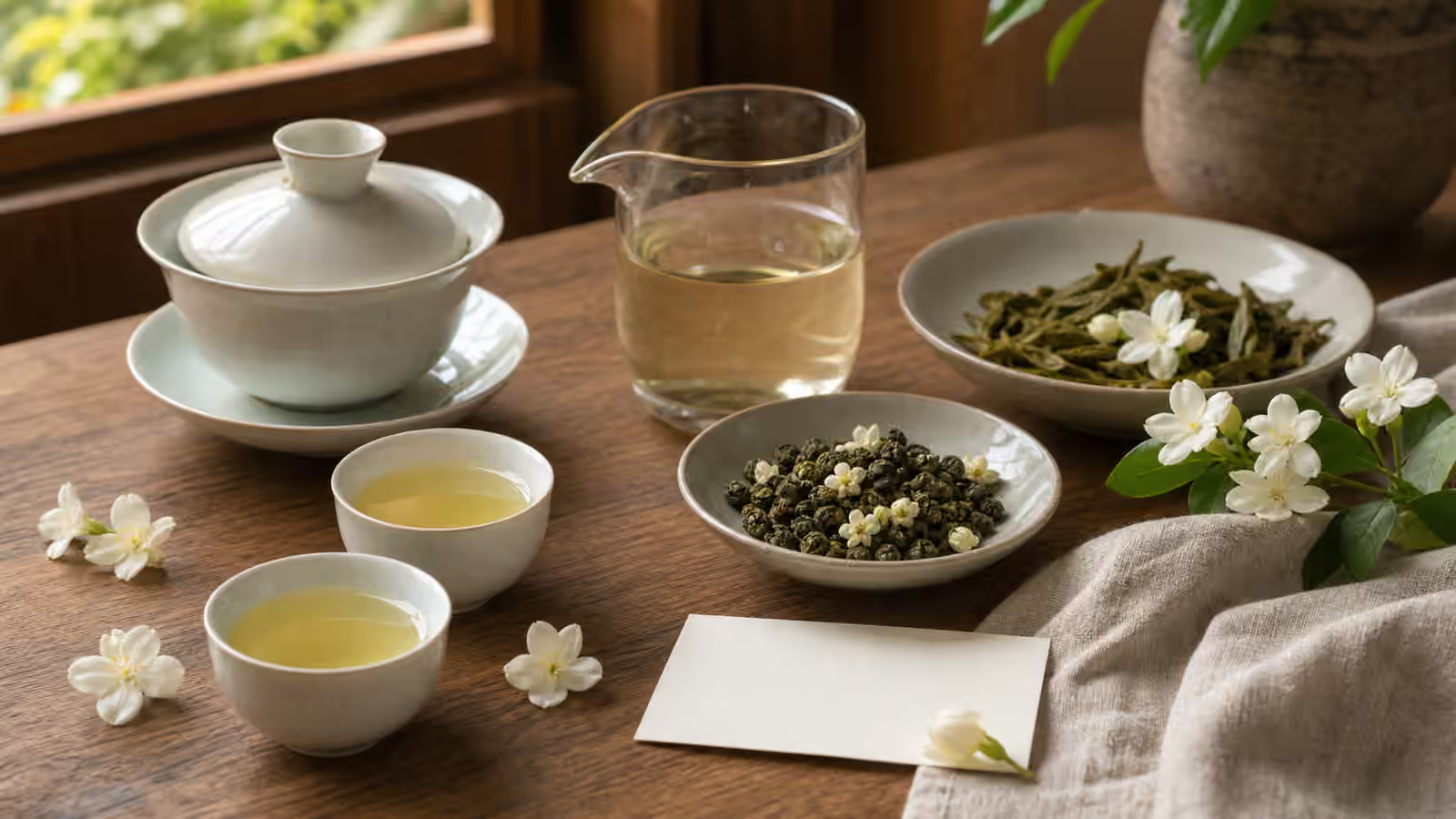
Jasmine pearls are rolled tea leaves, often green tea, scented with jasmine. They are popular because they look beautiful and unfurl visibly in the pot or gaiwan. The shape is useful because rolling can protect aroma and make the tea pleasant to watch, but pearl shape alone does not guarantee quality. A stale pearl tea can still taste flat. A heavily flavored pearl tea can smell impressive and brew poorly. A modest-looking loose jasmine tea can be excellent.
Pearls need space. If they are crowded in a small infuser, the outer leaf may open while the inside stays tight. A glass pot, gaiwan, or roomy basket lets the leaves expand and release more evenly. The guide to Tea Brewing Vessels is relevant because the vessel changes extraction. Jasmine pearls in a cramped ball infuser often taste worse than the same tea in a roomy basket.
Watch the second infusion. Good pearls often have more to say after the first steep because the leaves have opened. The first cup may carry high aroma. The second may show more body and leaf character. Re-Steeping Tea Leaves Without Losing the Thread helps because jasmine tea can fade in stages: flower first, then sweetness, then body. Noticing that order teaches you whether the tea is balanced.
Brewing For Floral Clarity
Jasmine tea is vulnerable to two common mistakes. The first is water that is too hot for the base. The second is a steep that is too long because the drinker wants more aroma. Heat and time can pull bitterness from green tea faster than they deepen jasmine. If the cup tastes sharp, lower the temperature or shorten the steep. If it tastes thin but not bitter, increase leaf slightly or extend time only a little.
Brewing Temperature and Time Without Guesswork gives the right method: change one variable and taste again. Do not change leaf, water, time, and vessel all at once. Jasmine tea teaches this clearly because the aroma can make mistakes seem mysterious. They are usually not mysterious. The base overextracted, the tea was stale, the infuser was cramped, or the scent and leaf were poorly balanced.
A gaiwan can be excellent for jasmine because it captures aroma in the lid and pours quickly. A glass pot can also be satisfying because the leaves and liquor are visible. A mug infuser is fine for daily drinking. What matters is stopping extraction cleanly. Leaving jasmine leaves sitting in hot water while you admire the fragrance is a reliable way to make the next sip harsher.
Buying Jasmine Tea With A Calm Nose
Dry aroma is useful, but it can mislead. A very loud jasmine smell may be beautiful, artificial, stale, or simply fresh and intense. You cannot know from scent alone. Buy small amounts until you trust the vendor and the style. Look for descriptions that name the base tea, scenting method if known, harvest or freshness clues, and brewing guidance. A fantasy name with flowers on the package tells you less than a plain description of the tea.
Storage is especially important. Jasmine tea can lose aroma, and it can also perfume nearby leaves. Keep it sealed and away from quiet green, white, or oolong teas unless you want everything on the shelf to smell faintly floral. The storage habits in Tea Storage: Freshness, Light, Air, Heat, and Scent become stricter with scented teas because aroma is part of the product.
Compare jasmine teas close together. Try pearls beside loose jasmine green tea. Try jasmine green beside jasmine white tea. Try a small sample of a tea with visible blossoms beside one without them. The comparison will teach you more than a single large purchase. You may discover that you prefer a softer base, a lighter scent, or a tea that holds up to multiple infusions.
Pairing Jasmine Without Making It Fragile
Jasmine tea pairs well with food when the pairing respects aroma. Mild sweets, almond cookies, fruit, steamed dumplings, rice dishes, and gentle desserts can all work depending on the tea. Strong savory food can erase delicate jasmine, while very sweet desserts can make the tea seem thin. Tea Pairing With Breakfast, Dessert, Cheese, and Snacks offers the broader method: match body, sweetness, tannin, roast, spice, and creaminess rather than chasing one perfect rule.
Jasmine can also be brewed cold when the base tea is clean and fresh. Cold brewing often softens bitterness and makes the floral aroma feel rounder, though it may reduce the high, immediate fragrance of hot tea. If you try it, use the habits from Cold Brew Tea : manage time, storage, and leaf amount so the result tastes intentional rather than weak.
Jasmine tea should feel graceful, not fragile. It asks you to respect the base leaf and the scent at the same time. Brew gently enough that the flower stays clear, but not so timidly that the tea has no body. Buy by small samples, store with care, and let the second infusion teach you whether the fragrance and leaf truly belong together.