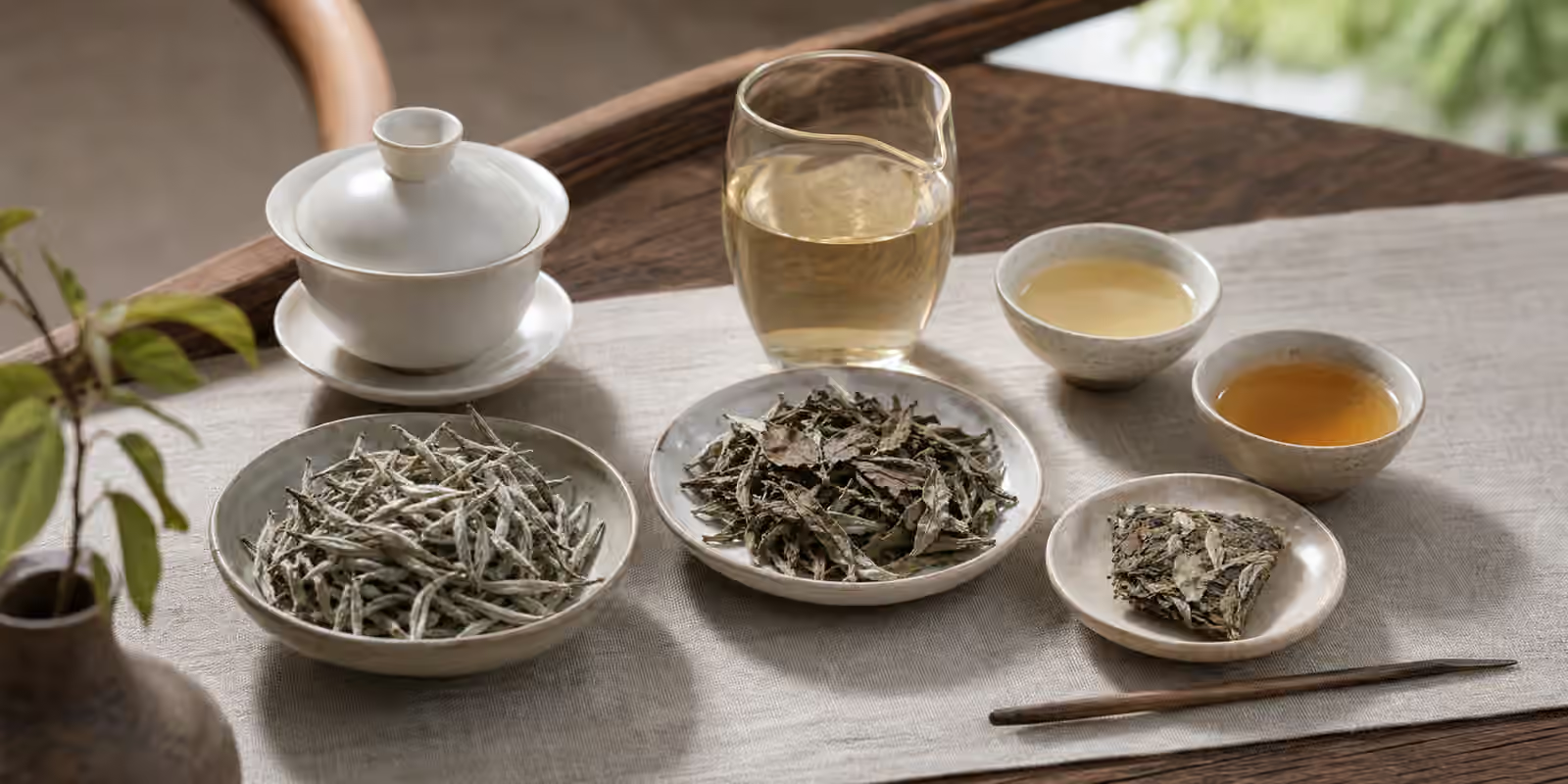
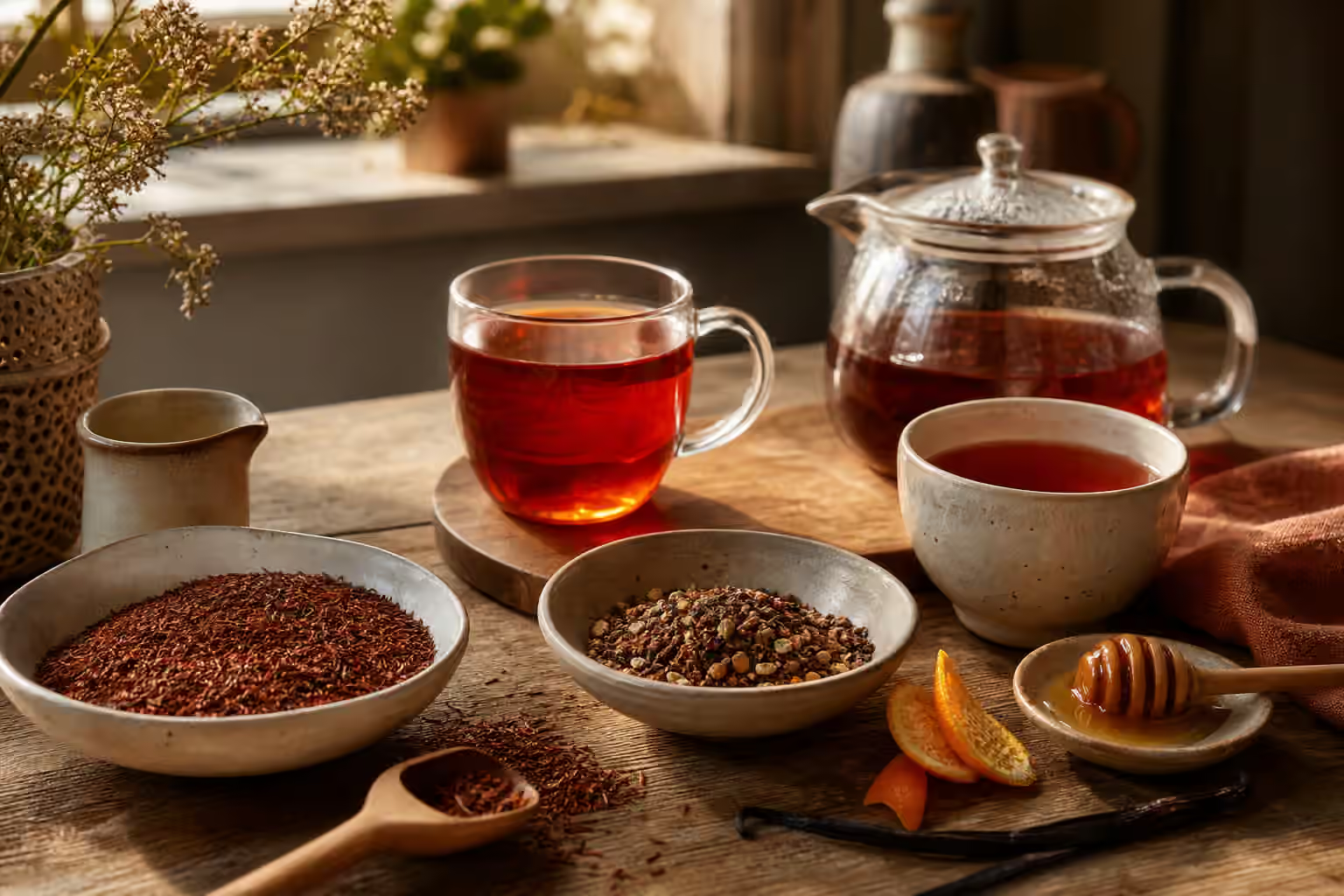
Indian tea is often introduced through breakfast blends, chai, or a famous Darjeeling name, but those entry points can make the whole subject feel narrower than it is. Assam, Darjeeling, Nilgiri, Kangra, Sikkim, Dooars, Terai, and other growing areas do not all ask for the same cup. Some teas are built for strength and milk. Some are light, floral, brisk, or aromatic. Some depend heavily on harvest season. A useful Indian tea path begins by separating those jobs instead of treating every Indian black tea as a darker version of the same thing.
India Is A Tea Map, Not One Flavor
Country names are broad containers, as Reading Tea Origin Names Without Getting Lost explains. India is especially broad because tea is grown across very different elevations, climates, and market traditions. A lowland Assam and a high-elevation Darjeeling may both be sold as black tea, but they are not built for the same expectation. One may lean toward malt, color, body, and milk. The other may lean toward fragrance, briskness, fruit, flowers, or a lighter frame.
This is why a beginner can be disappointed by a famous name. Someone who wants a strong morning mug may buy a delicate first flush Darjeeling and wonder why it seems sharp or thin with milk. Someone who wants a lifted, aromatic afternoon cup may buy a robust Assam and find it too heavy without milk. The mismatch is not a failure of either tea. The label was asked to do the wrong job.
The general black tea guide is still the foundation. It teaches body, tannin, malt, fruit, briskness, and milk compatibility across several origins. The Indian path narrows the focus so those words become easier to connect to real regions and buying decisions.
Assam And The Logic Of Strength
Assam teas are often associated with a full, malty, brisk cup. The region’s warm, humid lowlands and common black tea styles have shaped a market expectation for strength, color, and body. That does not mean every Assam tastes the same, and it does not mean Assam must always be covered with milk. It means Assam is a sensible place to look when you want a tea that can stand up to breakfast, sugar, spices, or a splash of dairy.
Leaf style matters here. A broken Assam may brew quickly and give the dark, assertive cup people expect from breakfast blends. A more whole leaf Assam may show more aroma and texture, with less immediate force. If you brew both with the same time, the smaller leaf may seem stronger because it extracts faster. Tea Grades and Leaf Styles Without Snobbery helps keep that comparison fair.
Assam also explains why milk-friendly tea is not automatically low quality. Some teas are designed around body and briskness. Milk softens the edge and carries the malt. In masala chai, strong black tea is not a background ingredient. It has to remain audible through spice, sweetness, and milk. The guide to Chai at Home belongs naturally beside Assam because it shows how strength can be part of balance rather than a flaw to hide.
Darjeeling And The Importance Of Season
Darjeeling is often called delicate, floral, or muscatel, but those shorthand descriptions can mislead if they erase season. First flush Darjeeling and second flush Darjeeling are not the same promise. Early harvests can look greener and taste brighter, brisker, and more fragrant. Later harvests may bring deeper fruit, more body, and a different kind of structure. Autumn teas can have their own quieter appeal. None of these terms guarantees excellence, but they tell you what question to ask before brewing.
Tea Harvest Seasons and Flushes is especially useful for Darjeeling. A first flush tea may not tolerate the same treatment as a hearty breakfast blend. Hot water and long steeping can push a fragrant cup into sharpness. A slightly gentler approach may preserve aroma and keep the finish clean. A second flush with more body may accept stronger brewing, though the cup still deserves attention.
Darjeeling also teaches restraint with milk. Some Darjeeling teas can take a little milk, especially fuller later harvests, but many are more legible plain. Milk can blur the fragrance that made the tea interesting. If a Darjeeling tastes too thin plain, do not immediately solve it with milk. Check the ratio, time, and water first. The tea may need a better recipe, or it may simply not be the tea for that particular moment.
Nilgiri And Clear Everyday Fragrance
Nilgiri teas are often less famous on beginner shelves, which is a shame because they can be useful. Many Nilgiri black teas offer clear aroma, clean color, and a cup that can feel bright without the same edge people sometimes find in Darjeeling. They can work plain, lightly sweetened, with lemon, or in iced tea, depending on the leaf and processing. As always, the exact tea matters more than the origin stereotype.
Nilgiri is a good reminder that everyday tea does not need to be dramatic. A clear, dependable cup can be more valuable than a rare tea that never fits your routine. If you are building a beginner shelf, a Nilgiri sample can sit between strong breakfast black tea and more fragrant hill teas. It may show where your own preference lies: body, aroma, brightness, milk compatibility, or clean finish.
For iced tea, Nilgiri can be worth exploring because clarity and fragrance hold up well when the tea is cooled. That does not make it the only good choice. It simply gives you another path besides making every cold tea from the same breakfast blend. Iced Tea Without Bitterness gives the brewing habits that keep that experiment from turning harsh.
Blends, Estate Names, And Buying Clues
Many drinkers meet Indian tea through blends. English breakfast, Irish breakfast, chai blends, and house breakfast teas may include Assam, Ceylon, Kenyan tea, Darjeeling, or other components depending on the maker. The blend name describes a cup profile more than a fixed map. That can be useful. A blend may be more consistent for daily drinking than a single estate tea that changes by harvest.
Estate and garden names are more specific, but specificity is helpful only when it explains the cup. A label that names an estate, region, harvest, and leaf style gives you a real starting point. A label that uses a romantic garden name without harvest, style, or brewing clues may still leave you guessing. Tea Buying Without Getting Lost keeps the boundary practical: buy small amounts first, ask what job the tea will do, and let repeat tasting build trust.
If you are comparing Indian teas, keep the comparison close enough to teach. Taste two Assam teas with different leaf styles. Taste first flush and second flush Darjeeling from the same vendor. Taste Nilgiri beside a breakfast blend and notice what happens when both cool slightly. These comparisons are more useful than collecting one famous name from every region. They create memory.
Brewing Indian Teas With Better Questions
Start by asking what the tea appears built to do. If the dry leaf is small and the aroma is malty or brisk, try a straightforward black tea method and watch time carefully. If the leaf is tippy, wiry, greenish, or highly fragrant, use a gentler hand before assuming it wants a strong breakfast treatment. If the tea is meant for chai or milk, brew enough strength that additions do not erase it.
Water and ratio matter as much as origin. A large mug underleafed with Darjeeling can taste hollow, while an overleafed broken Assam can become rough quickly. The new habit from Leaf-to-Water Ratio for Tea is to check concentration before blaming the region. The advice from Brewing Temperature and Time Without Guesswork is to change one variable at a time.
An Indian tea shelf becomes more useful when it has roles. Keep one sturdy tea for milk or breakfast, one aromatic tea for plain drinking, and one flexible tea for iced cups or afternoon service. Those roles may be filled by Assam, Darjeeling, Nilgiri, or blends, but the region is not the real achievement. The real achievement is knowing why you reach for each tea and how to brew it so it shows the reason.
Indian tea rewards that kind of calm sorting. It does not need to be reduced to famous estates or breakfast strength. It can be malty, floral, bright, brisk, smooth, fragrant, or direct. The path is to let the label set expectations, then let the cup correct them.