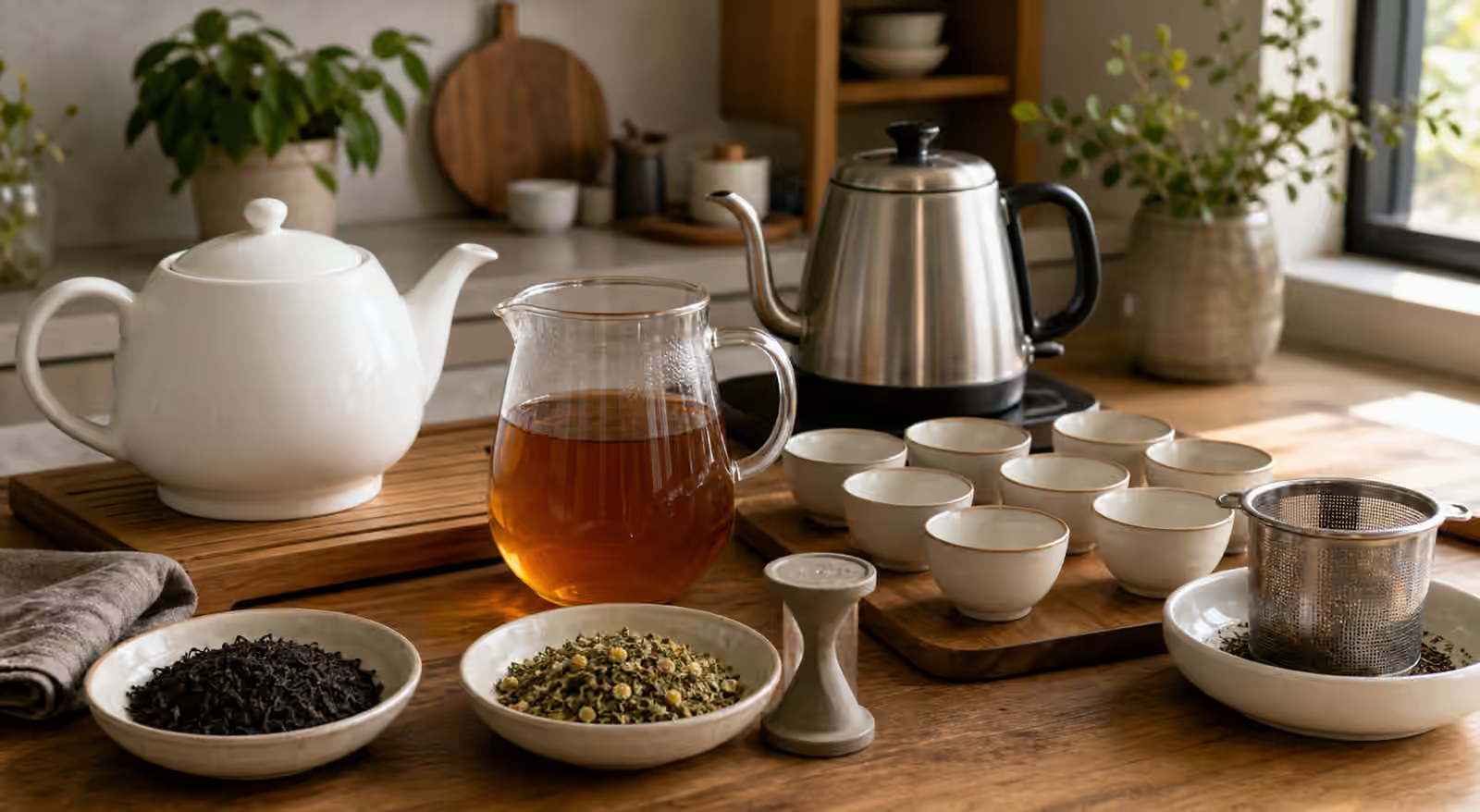
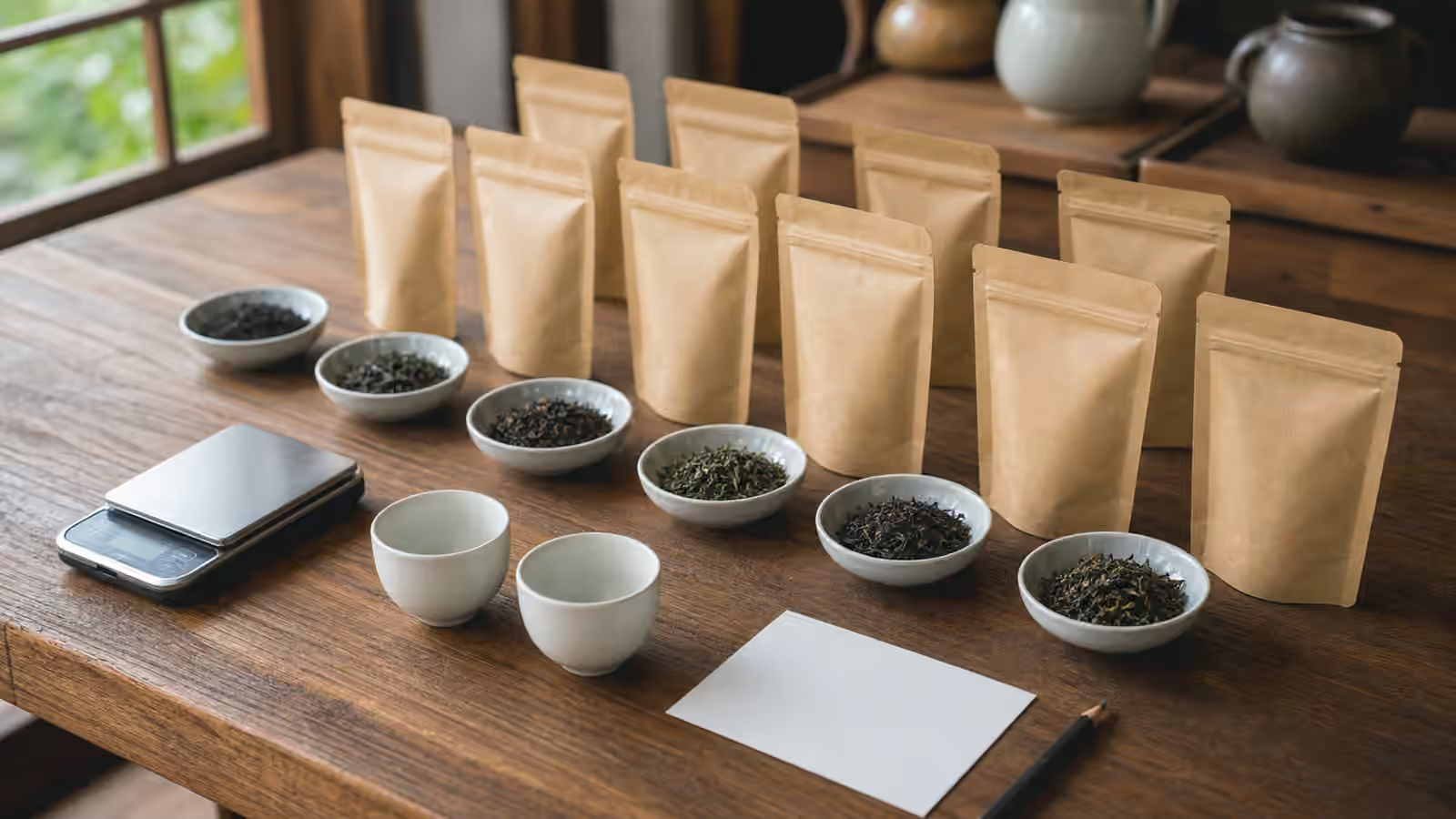
Home tea blending is appealing because it promises a personal cup: black tea with orange peel, green tea with mint, rooibos with spice, oolong with flowers, or a breakfast blend that tastes exactly the way you like it. It can also become muddy fast. Too many ingredients flatten the base tea, dry herbs age unevenly, spices dominate, and a blend that smelled charming in the jar can taste confused after three minutes in hot water. Good blending is less about throwing pleasant things together and more about giving each ingredient a job.
This page complements Scented and Blended Teas Without Confusion , which explains the difference between scented tea, flavored tea, smoky tea, spice blends, and base tea styles. Here the focus is practical: how to make small blends at home without wasting good leaves or creating a cupboard of jars you never brew.
Start with the base tea
The base tea should carry the cup even if every accent were removed. If the base is stale, weak, or unpleasant, blending will usually make it busier rather than better. A brisk black tea can support citrus peel, spice, vanilla-like warmth, or milk. A gentle green tea can support mint, toasted rice, or a small amount of flower, but it may collapse under heavy cinnamon or dried fruit. Rooibos can take spice and milk well because it has a rounded body and no true-tea tannin. Oolong is trickier because its aroma may already be complex; blending can hide the very thing you bought it for.
Use an everyday tea for experiments, not a rare sample. A careful single-origin tea may be more informative on its own. A dependable, modest base lets you test without guilt. If you want to blend with high-quality tea, first learn what the additions do in cheaper trials. The advice from Tea Buying Without Getting Lost applies here too: buy by the job, not by romance.
Base tea also determines brewing conditions. If you blend black tea with dried orange peel, you can usually brew with hotter water. If you blend green tea with mint, the green tea still sets the heat limit unless you want bitterness. If you blend rooibos with cinnamon, a longer steep may help. Ingredients do not erase the needs of the base.
Give accents clear roles
An accent can add aroma, brightness, sweetness, heat, body, color, or finish. Citrus peel brings high aroma and a little bitterness. Mint brings lift and cooling. Ginger brings warmth and bite. Cinnamon brings sweetness and woody spice. Rose petals bring fragrance more than body. Hibiscus brings color and tartness. Toasted rice brings warmth and grain. Each ingredient is useful when it has a role. Trouble starts when every ingredient is expected to do everything.
Smell the dry ingredients separately, then after combining. If the blend smells like one ingredient only, that ingredient is probably too strong. If it smells pleasant but vague, the cup may taste vague too. A blend needs contrast. Black tea with orange peel works because briskness and citrus pull in different directions. Rooibos with ginger works because roundness and heat balance. Green tea with mint works because fresh leaf and cooling herb overlap without becoming identical.
Flowers require restraint. Lavender, rose, jasmine-like flowers, and other aromatic additions can turn soapy or perfumed if used heavily. Spices also expand in hot water. A jar that smells mildly cinnamon-heavy may brew into a cup that tastes like cinnamon with tea in the background. Start smaller than your nose wants.
Blend tiny batches first
The smallest useful test may be enough for one or two cups. Combine the ingredients, brew immediately, and take notes. Do not make a large jar because the dry blend smells good. Hot water reveals bitterness, tartness, dustiness, and imbalance. A blend also changes after ingredients sit together. Citrus peel can perfume the tea over time. Spices can dominate. Very aromatic additions can move through the whole container.
Testing in small batches lets you adjust the real cup. If the tea base disappears, increase the base or reduce accents. If the aroma is good but the body is thin, choose a stronger base or brew slightly more concentrated. If the cup is harsh, check whether the base tea was overbrewed before blaming the spice. If the finish is dry and sour, hibiscus or peel may be too high.
Write notes in plain language. “Good smell, weak tea,” “mint too loud,” “orange nice but bitter after four minutes,” or “needs milk” is enough. Home blending should teach your palate, not produce a decorative pantry project.
Keep storage realistic
Blends are only as stable as their most fragile ingredient. Dried citrus peel, flowers, herbs, spices, and tea leaves age differently. Some ingredients hold aroma for months. Others fade quickly once opened. Moist or sticky additions are risky because they can introduce humidity and spoilage. Avoid fresh fruit, fresh herbs, syrups, oils, or damp ingredients in a dry tea jar unless you are making something to brew immediately.
Use dry, food-safe ingredients from sources you trust for consumption. This is not a place for ornamental flowers, craft-store botanicals, or random garden clippings. Even edible plants can be unsuitable for some people, and some herbs interact with health conditions or medications. When a health question exists, get qualified advice. A tea blend should not become a medical experiment.
Store finished blends in small airtight containers away from light, heat, steam, and spice cabinets. Label the container with the ingredients and the date if you keep more than one blend around. That does not need to be fancy. It only prevents the common problem of mystery jars that smell like everything and brew like nothing.
Think about milk and sweetness early
Some blends are designed for plain drinking. Others need milk, sugar, honey, or lemon to make sense. Chai is the obvious example, but the principle is broader. A strong black tea with spice may taste blunt when plain and balanced with milk. Rooibos with vanilla-like sweetness may feel complete without sugar. Hibiscus may taste too sharp unless sweetened. A green tea blend that seemed delicate may become strange with milk.
Decide how the blend will be served before judging it. If the goal is a breakfast mug with milk, brew and taste it that way. If the goal is a clear afternoon cup, do not hide imbalance under sweetness. Tea Lattes Without Muddy Flavor is useful when the blend is meant to stand up to milk, because extraction strength and milk texture matter as much as the dry recipe.
Sweet additions in the dry blend can be deceptive. Dried fruit often smells sweeter than it tastes, and it may add tartness or chewiness without much sugar. Candy-like blends often rely on flavorings rather than fruit alone. At home, it is usually cleaner to brew the tea and sweeten the cup separately than to expect dried fruit to do the work.
Know when not to blend
Some teas are better left alone. A fragrant high mountain oolong, a fresh spring green tea, a carefully stored white tea, or a nuanced black tea may lose definition under herbs and spices. Blending is not a higher use of tea. It is one use. Plain brewing teaches you what the leaf already offers, and that knowledge makes blending better later.
There is also no shame in buying a finished blend from a maker who does it well. Professional blending takes repeated tasting, stable ingredients, and experience with how aromas age. Home blending is valuable because it teaches balance and gives you a personal cup. It does not need to replace every vendor blend.
The best home blend usually sounds almost too simple: a strong black tea with citrus peel, a rooibos with ginger and cinnamon, a green tea with mint, a hojicha with a little cacao shell if you have a food-safe source, or a breakfast blend made from two black teas with different body. The restraint is the craft. When the base tea remains visible and the accents know their jobs, the cup tastes intentional rather than crowded.