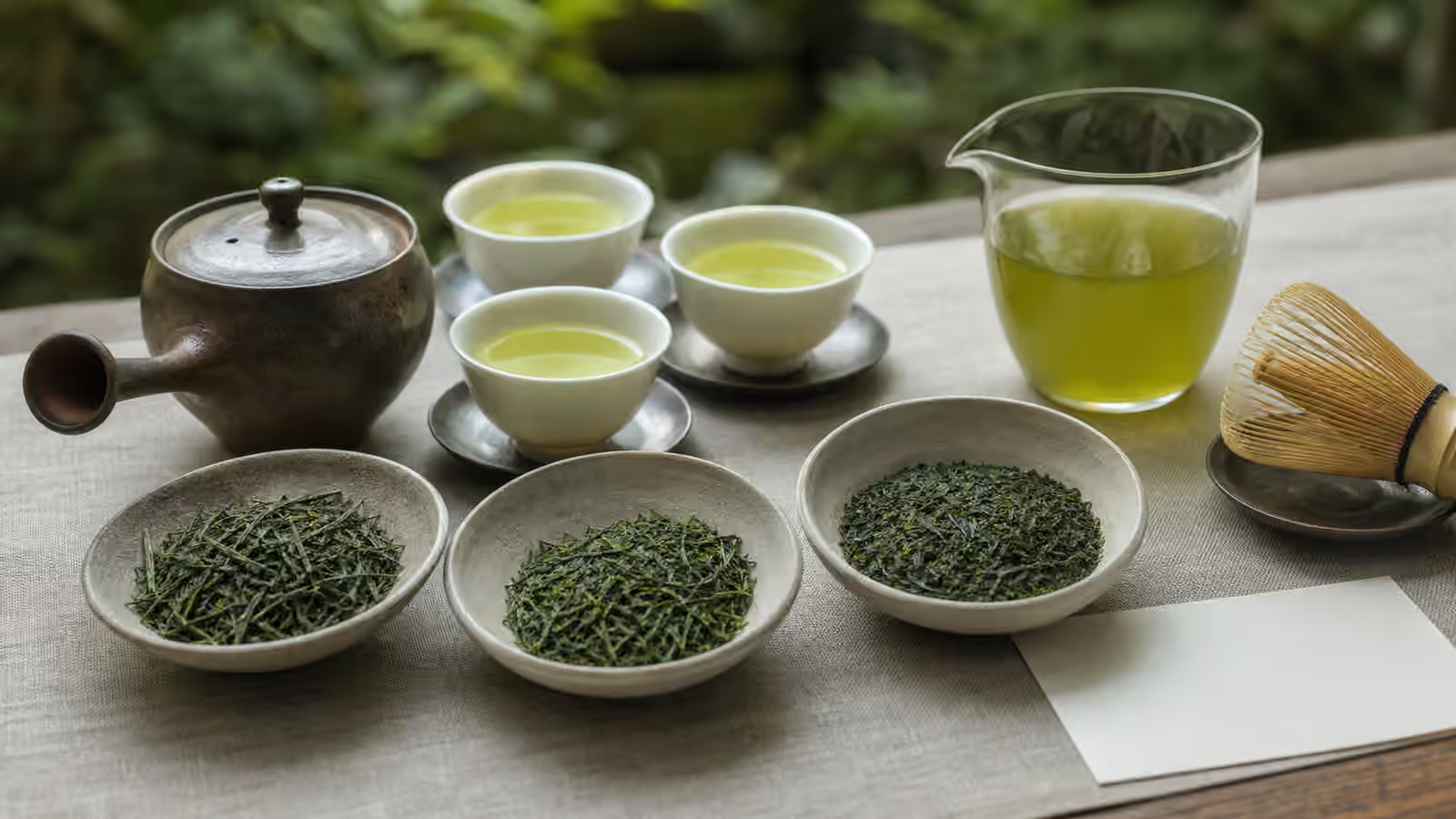
Shaded Japanese teas can confuse beginners because the usual green tea instincts only partly apply. Gyokuro, kabusecha, tencha, and some shaded sencha are still green teas, but shading changes the leaf’s chemistry, aroma, color, and brewing expectations. The result may taste sweet, brothy, marine, soft, savory, thick, or intensely green. It may also taste harsh, thin, or strange if brewed like a casual mug of everyday sencha. The point is not to make shaded tea mysterious. It is to understand why it asks for different handling.
Shading Changes The Leaf Before You Brew It
Shading tea plants before harvest reduces direct sunlight and changes how the leaves develop. In the cup, this can increase the impression of sweetness, softness, deep green aroma, and savory body. The exact result depends on cultivar, garden, shading length, harvest, steaming, rolling, storage, and freshness. A shaded tea is not automatically better than unshaded sencha. It is built around a different balance.
Japanese Tea Path: Sencha, Hojicha, Genmaicha, Gyokuro, and Matcha gives the overview, but gyokuro deserves its own page because it changes the brewing question. With many green teas, a beginner is trying to avoid bitterness while keeping freshness. With gyokuro, the goal is often to draw out dense sweetness and savory texture without turning the cup rough or swampy. That requires attention to temperature, leaf amount, water volume, and time.
Kabusecha usually means a shaded tea with a shorter or lighter shading approach than gyokuro, though practices vary. It may sit between sencha and gyokuro in flavor: greener and sweeter than many sencha, but less intense than a very concentrated gyokuro session. Tencha is shaded leaf processed before grinding into matcha. It is not usually brewed like ordinary loose leaf, but understanding it helps explain why matcha has its own tools and texture, as Matcha for Beginners shows.
Cooler Water Is Not A Decoration
Many gyokuro brewing recipes call for cooler water than beginners expect. This is not ceremony for its own sake. Cooler water can emphasize sweetness, body, and savory depth while holding back sharper bitterness. If the water is too hot, the tea may turn brash before its quieter qualities appear. If the water is too cool for the amount and time, the cup may become syrupy but muted, or simply under-extracted.
The practical method from Brewing Temperature and Time Without Guesswork still applies: change one variable at a time. If the first infusion tastes harsh, lower temperature or shorten time. If it tastes beautiful but too intense, reduce leaf or use a little more water. If it tastes watery, increase leaf before boiling the kettle hotter. Shaded tea rewards precision, but precision can be gentle rather than anxious.
A cooling pitcher can help because it makes lower water temperatures easier without requiring a laboratory mood. Pour hot water into a pitcher or cup, let it cool briefly, then pour over the leaves. The extra step also warms the vessel and slows the session down enough to notice aroma. You can use a thermometer if you like, but the important skill is repeatability. Know what you did so the next cup can improve.
Leaf Amount And Water Volume Create Texture
Gyokuro is often brewed with more leaf and less water than a casual green tea. This can make a small, concentrated cup that feels thick and savory rather than simply refreshing. The cup size may be tiny because the brew is dense. That can surprise people who expected a full mug. A small serving is not stinginess; it is a different style of extraction.
The guide to Leaf-to-Water Ratio for Tea Without Guesswork is essential here. If you use a small amount of gyokuro in a large mug, you may miss the texture that makes the tea interesting. If you use a heavy amount and too much heat, you may get a concentrated mistake. Ratio, temperature, and time are linked.
Kabusecha can be more flexible. It may brew well like a careful sencha, with moderate leaf and water, or it may tolerate a slightly richer method. Shaded sencha also varies. The label alone cannot tell you the best recipe. Start with the vendor’s suggestion if it seems clear, then adjust from taste. Good shaded tea should not require you to suffer through bitterness to prove seriousness.
A Kyusu Helps, But It Is Not Magic
A side-handle kyusu is a natural tool for many Japanese green teas because it gives leaves space, strains fine particles, and pours cleanly. Kyusu Brewing for Japanese Green Tea explains the handling in detail. For gyokuro, a small kyusu or a wide, low vessel can be especially useful because the leaf amount may be high and the water volume low.
Still, the tool does not save a bad recipe. A kyusu filled with too much hot water can make rough gyokuro. A fancy vessel cannot restore stale leaves. A simple small pot, shiboridashi-style vessel, or even a careful infuser can teach the tea if it allows clear pouring and enough leaf contact. The tool should support the brew rather than become the subject.
Pour fully when the infusion is ready. Leaving concentrated liquid trapped among the leaves can make the next cup harsh before it begins. Fine particles may pass through some strainers, and that is not always a problem. They can add body. If the cup becomes gritty or muddy, check leaf quality, brewing time, and whether the strainer suits the leaf.
Resteeping Is Part Of The Experience
Shaded Japanese teas often change dramatically after the first infusion. The first gyokuro cup may be dense, sweet, and savory. Later infusions may become brighter, greener, lighter, or more refreshing. The leaves have already softened, so later steeps usually need different timing and sometimes warmer water. The session is not one recipe repeated blindly.
Re-Steeping Tea Leaves Without Losing the Thread is a good companion. Notice what remains in the leaves after each pour. If the second infusion is too strong, shorten it because the leaves are already open. If the third is pale, increase time or water temperature. If the tea collapses after one infusion, the leaf may be old, the first brew may have extracted too much, or the tea may simply not be made for many rounds.
Wet leaves can teach you. Shaded leaves often look vivid and fine after brewing. Smell them. If they smell fresh and sweet, there may be more to draw out. If they smell cooked, stale, or flat, the next infusion may not recover. The cup is still the judge.
Buying Shaded Tea Without Status Pressure
Gyokuro can be expensive compared with everyday tea, but price alone does not make it useful. Buy small amounts until you know whether you enjoy the style. Freshness and storage matter because deep green aroma fades. Keep the tea sealed, cool, dry, and away from strong odors. Tea Storage is not optional here; shaded tea can lose its point when the aroma goes quiet.
Read labels for style, harvest, cultivar if given, origin, and brewing guidance. A clear kabusecha description may be more useful than a vague gyokuro listing. A sample from a careful vendor can teach more than a large discounted bag. If you drink matcha, tasting shaded loose teas can also make matcha more legible because you begin to recognize sweetness, greenness, and savory body before powder and whisking enter the picture.
Shaded Japanese tea is not a test of refinement. It is a different conversation with the leaf. Use cooler water because it changes extraction, not because ritual demands it. Use smaller cups because texture matters, not because drama matters. Buy less, store better, and write down what worked. When gyokuro or kabusecha tastes clear, sweet, and grounded, the method stops feeling strange and starts feeling practical.