Grandpa style brewing is loose leaf tea at its most direct: leaves in a cup, hot water over them, and refills as the drinker goes. There is no strainer to manage, no timer to obey strictly, and no need to perform a formal session. The method can look almost too simple, but it teaches useful habits. You learn how leaves settle, how strength changes as water is added, how drinking pace affects extraction, and which teas remain pleasant when they share the cup with you.
The Method Is Casual, Not Careless
Grandpa style sits between western mug brewing and small-vessel repeated infusions. Western Brewing vs. Gongfu Brewing compares the two more familiar poles. Grandpa style borrows the everyday comfort of a mug and the repeated-water rhythm of a session, but it keeps everything in one drinking vessel. The leaves remain in the cup, so the drinker manages strength by using fewer leaves, drinking before the cup becomes too intense, and topping up with fresh water before the extraction turns rough.
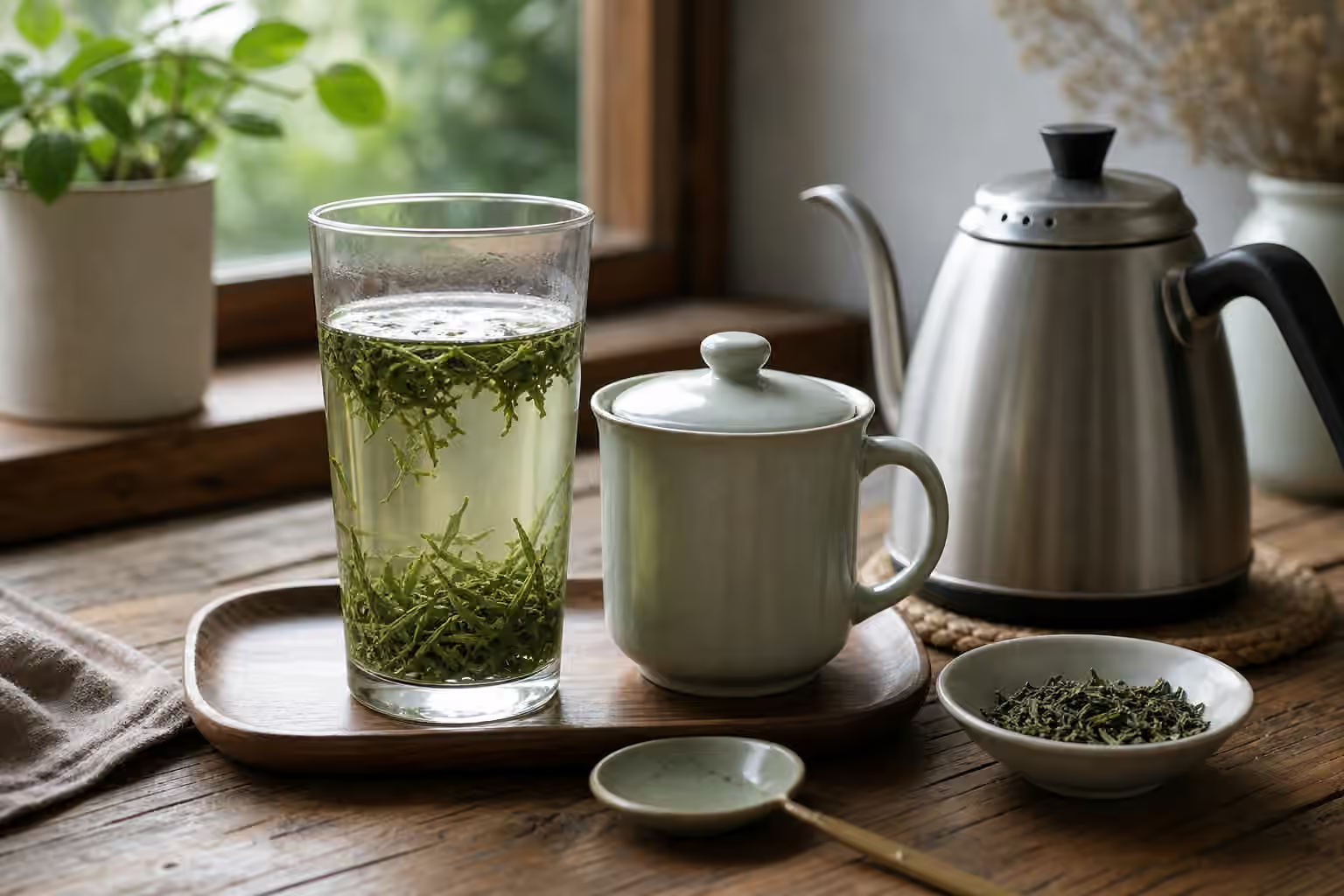
The vessel can be a clear glass, a lidded mug, a tumbler, or a bowl-like cup. A clear glass makes the lesson visible because you can watch leaves float, sink, and open. A lidded mug holds heat and can help keep aroma near the cup. The best vessel is comfortable to hold, easy to drink from, and wide enough that leaves are not packed into a bitter wad.
This method is not ideal for every tea. Very broken leaves may become messy and harsh. Powdery tea is frustrating. Some strong black teas can overextract quickly. Delicate green teas can work beautifully if the leaf amount and water temperature are restrained. Rolled oolongs can work if you leave room for expansion. The practical question is whether the leaves can sit in the cup without making every sip a fight.
Leaf Amount Matters More Than The Timer
Because the leaves stay in the vessel, grandpa style usually needs less leaf than a concentrated gongfu session. A heavy hand can make the first few minutes pleasant and the rest of the cup punishing. Start light. You can always use more next time. The guide to Leaf-to-Water Ratio for Tea Without Guesswork matters here because visual volume can trick you. Large white tea leaves may look abundant but weigh little. Tiny broken leaves may look modest but extract fast.
Time is still present, but it is managed through drinking and refilling rather than a single alarm. Let the first pour begin opening the leaves. Drink when the cup is flavorful but not harsh. Add more hot water while some tea remains in the cup, so the next round blends with the last. This rolling dilution is part of the charm. The cup is not identical from first sip to last. It moves.
If the tea becomes too strong, add water sooner next time or use less leaf. If it becomes watery, use slightly more leaf or wait a little longer before drinking. If leaves keep getting in your mouth, try a larger-leaf tea, a vessel with a lid, or a gentler sip from the edge. Some drinkers use the lid to hold back leaves, but the motion should stay comfortable rather than fussy.
Heat And Tea Choice Shape The Mood
Grandpa style is forgiving only when tea and heat match. Many green teas prefer water that is hot enough to extract flavor but not so aggressive that bitterness appears before the leaves settle. A robust roasted tea may accept hotter water. A tightly rolled oolong may need heat to open, then refills to keep the cup from becoming heavy. Tea Brewing Temperature and Time gives the broader logic: heat, time, leaf amount, and vessel are always negotiating with one another.
Chinese green teas, some white teas, gentle oolongs, roasted teas, and everyday loose leaves can all work. Japanese sencha can work too, but fine particles and strong extraction may make it less relaxed in a tall glass. Hojicha is often friendly because roast softens the green edge. Large-leaf white tea can become sweet and easygoing. Aged white tea can be pleasant if the leaves are not too crumbly.
This method is also honest about tea quality. It does not hide broken leaf, stale aroma, or harsh processing. At the same time, it does not require rare tea. Many ordinary teas become more useful when brewed in a way that fits a desk, kitchen counter, or quiet afternoon. Tea Buying Without Getting Lost is a good companion because grandpa style rewards teas bought for actual habits rather than display.
Refills Teach The Leaf
The most interesting part of grandpa style is the refill rhythm. The first pour wakes the leaf. The second may be the sweetest. Later refills may become lighter, more mineral, more woody, or simply quieter. You learn when a tea has more to give and when it is done. That lesson connects naturally to Re-Steeping Tea Leaves Without Losing the Thread , though the mechanics are different.
Do not chase endless refills. A tea is finished when the cup no longer gives pleasure. Some leaves offer a few good rounds. Others fade quickly. If the late cup tastes like hot water with a memory of tea, stop. If it becomes drying and woody, stop earlier next time. The point is an easy relationship with the leaf, not extracting every possible molecule.
Cleanup is simple but should not be ignored. Let the vessel cool, remove the leaves, and rinse before residue dries. Cleaning and Caring for Teaware is relevant because open-cup brewing can leave leaf fragments along the sides or trapped near a lid. A clean cup keeps the next session from tasting like yesterday’s leftovers.
Why This Method Deserves A Place
Grandpa style makes tea less precious. It suits reading, desk work, slow cooking, conversation, and mornings when a full setup feels unlikely. It also gives beginners a direct view of extraction. Leaves are not hidden in a bag or basket. They are right there, opening and changing. That visibility builds confidence.
The method also corrects a common assumption: simple brewing is not automatically inferior brewing. A gaiwan offers control. A teapot offers service. A mug infuser offers cleanup convenience. Grandpa style offers continuity. The same leaves stay with you as the water changes, and the cup becomes a small daily practice rather than a project.
Use it with attention at first, then let it become natural. Choose a tea with leaves large enough to behave well, start with a light hand, refill before bitterness takes over, and notice how the cup changes. If you learn that rhythm, grandpa style becomes one of the easiest ways to drink loose leaf tea often without reducing it to a chore.