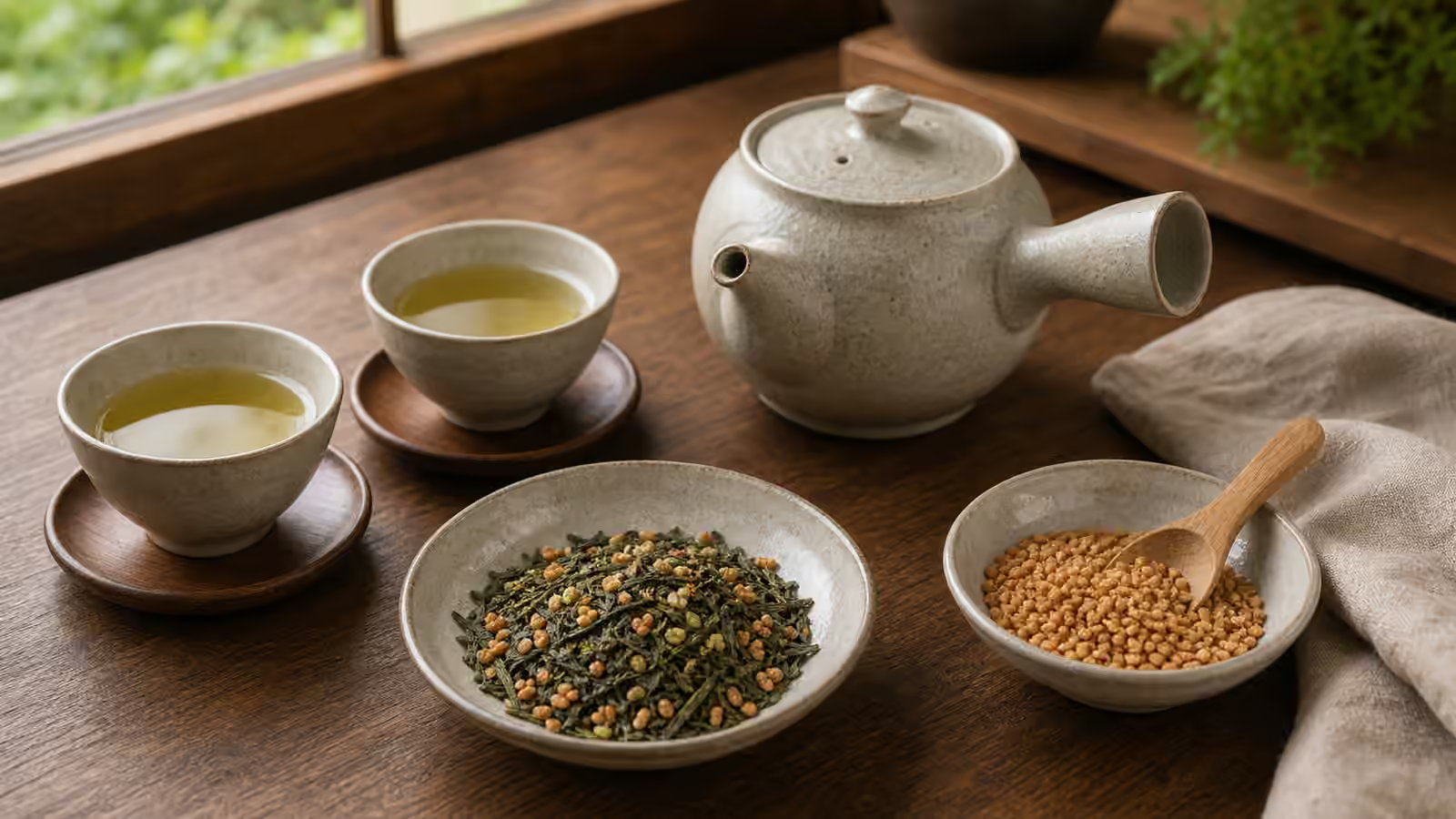
Genmaicha is often introduced as green tea with toasted rice, which is accurate but too small. The rice changes the whole mood of the cup. It brings warmth, grain, nuttiness, and a gentle roasted aroma that can make green tea feel less sharp. It also changes expectations. A cup of genmaicha is not trying to behave like pure sencha, gyokuro, or matcha. It is a blend with its own balance.
The broader Japanese Tea Path places genmaicha beside sencha, hojicha, gyokuro, and matcha. This page narrows the focus because genmaicha is one of the most useful everyday teas for people who want green tea character without making every cup delicate or demanding.
What The Rice Does
Toasted rice adds aroma before it adds flavor. Dry genmaicha often smells like warm grain, popcorn, toasted cereal, or nuts. In the cup, that aroma softens the sharper grassy or marine edge that some green teas carry. The tea may still taste fresh and green, but the rice gives it a rounder frame.
The rice also changes body. It can make the cup feel fuller even when the tea liquor is pale. This is useful for drinkers who find plain green tea thin or severe. It does not make genmaicha heavy. It simply gives the green tea something warm to lean on. That warmth is why genmaicha can fit breakfast, simple lunches, rice dishes, roasted vegetables, crackers, and snacks better than many more fragrant green teas.
The rice does not make the tea careless. If the green tea base is stale, harsh, or dusty, toasted rice may hide the problem at first and then leave a flat finish. A good genmaicha should still smell fresh. The tea and rice should feel integrated rather than like old green tea with cereal mixed in.
It Is Not Automatically Cheap Tea
Genmaicha is sometimes treated as a humble tea, and it can be. It is approachable, forgiving, and often less expensive than premium shaded teas. But humble does not mean poor. The quality of the green tea, the freshness of the rice, the roast level, and the proportion all change the cup. Some versions are made for easy daily drinking. Some are more aromatic and careful. Some include matcha powder, often called matcha-iri genmaicha, which gives the liquor a greener color and a stronger initial aroma.
Do not judge genmaicha by prestige language alone. Judge it by freshness, balance, and usefulness. Tea Buying Without Getting Lost is a good guardrail here because it asks what job the tea will do. Genmaicha is excellent when the job is a comforting green tea, a food-friendly cup, or a low-pressure way to drink Japanese tea more often.
If a vendor describes the base tea, rice roast, harvest, or whether matcha is included, that information helps. If the description only leans on nostalgia or vague charm, your first cup becomes the real description. Buy small amounts until you know how quickly you drink it.
Brew With Green Tea In Mind
The rice is roasted, but the base is still green tea. That means water that is too hot or contact that is too long can push bitterness and dryness. Genmaicha is usually more forgiving than delicate sencha, but it does not become indestructible. Start with gentler heat than black tea and a moderate steep. If the cup is sweet and warm but quiet, use a little more leaf next time. If it is harsh, shorten the time or cool the water.
A kyusu works well because it gives leaves and rice room while pouring cleanly. A basket infuser in a mug can work too, as long as the basket is not cramped. The advice in Kyusu Brewing for Japanese Green Tea applies: drain fully, keep the leaves from sitting in water between infusions, and let the cup guide the next adjustment.
Genmaicha can re-steep, though the second infusion may change character. The rice aroma may soften, and the green tea may become more visible. If the first infusion was long and hot, the second may be thin. If the first was moderate, the second can still be pleasant. Re-Steeping Tea Leaves Without Losing the Thread helps frame this as a sequence rather than a demand that every tea perform forever.
Taste The Balance, Not Just The Toast
When tasting genmaicha, separate the warm grain aroma from the green tea underneath. Smell the dry leaf. Then smell the warmed vessel after the leaves meet water. In the cup, notice whether the tea tastes sweet, grassy, nutty, savory, dry, or stale. A balanced genmaicha lets the toasted rice speak early without turning the finish hollow.
If the cup tastes mostly like toasted rice water, the tea base may be weak or the proportion may lean heavily toward rice. That can still be pleasant, especially with food, but it is a different experience from a green tea with toasted rice. If the cup tastes mostly bitter green tea with a faint cereal smell, the brewing may be too aggressive or the blend may be poorly balanced.
Color can mislead. Some genmaicha brews pale. Matcha-iri versions may look much greener because powdered tea enters the liquor. A darker color is not automatically stronger in the right way. Taste matters more than appearance.
Store It Before The Aroma Fades
Genmaicha carries two freshness concerns at once. Green tea can fade when exposed to air, heat, light, and moisture. Toasted rice can lose its crisp aroma and begin to taste dull. Keep genmaicha sealed, away from steam, and away from stronger scented or smoky teas. Do not leave it in a clear jar near the stove because the colors look pleasant. Tea Storage is especially relevant for tea that depends on fresh aroma.
Buy an amount you can finish while it still smells alive. If you drink genmaicha daily, a larger bag may make sense. If it is an occasional comfort tea, smaller packets are safer. The first sign of fading is often not obvious spoilage. It is a cup that still tastes like something but no longer has lift.
Matcha-iri genmaicha deserves extra attention because powdered green tea has more exposed surface area. It can fade faster and may clump if stored poorly. Keep it dry, sealed, and used with some urgency after opening.
Where Genmaicha Fits On The Shelf
Genmaicha sits between green tea, roasted tea, and grain infusion. It is not the same as hojicha, where the tea leaf itself is roasted. It is not the same as Korean roasted grain infusions, where grain may be the whole drink rather than an addition to true tea. The comparison in Roasted Teas and Korean Tea Path can help you place the flavors without flattening them together.
This middle position is why genmaicha is so useful. It can introduce green tea to someone who finds pure green tea too sharp. It can accompany food without demanding silence. It can be brewed in a mug, a kyusu, or a small pot. It can feel cozy without becoming heavy.
Treat genmaicha as a real blend rather than a novelty. When the rice is fresh, the tea base is clean, and the brewing stays gentle, the cup has a quiet steadiness that earns its place by being drinkable often.