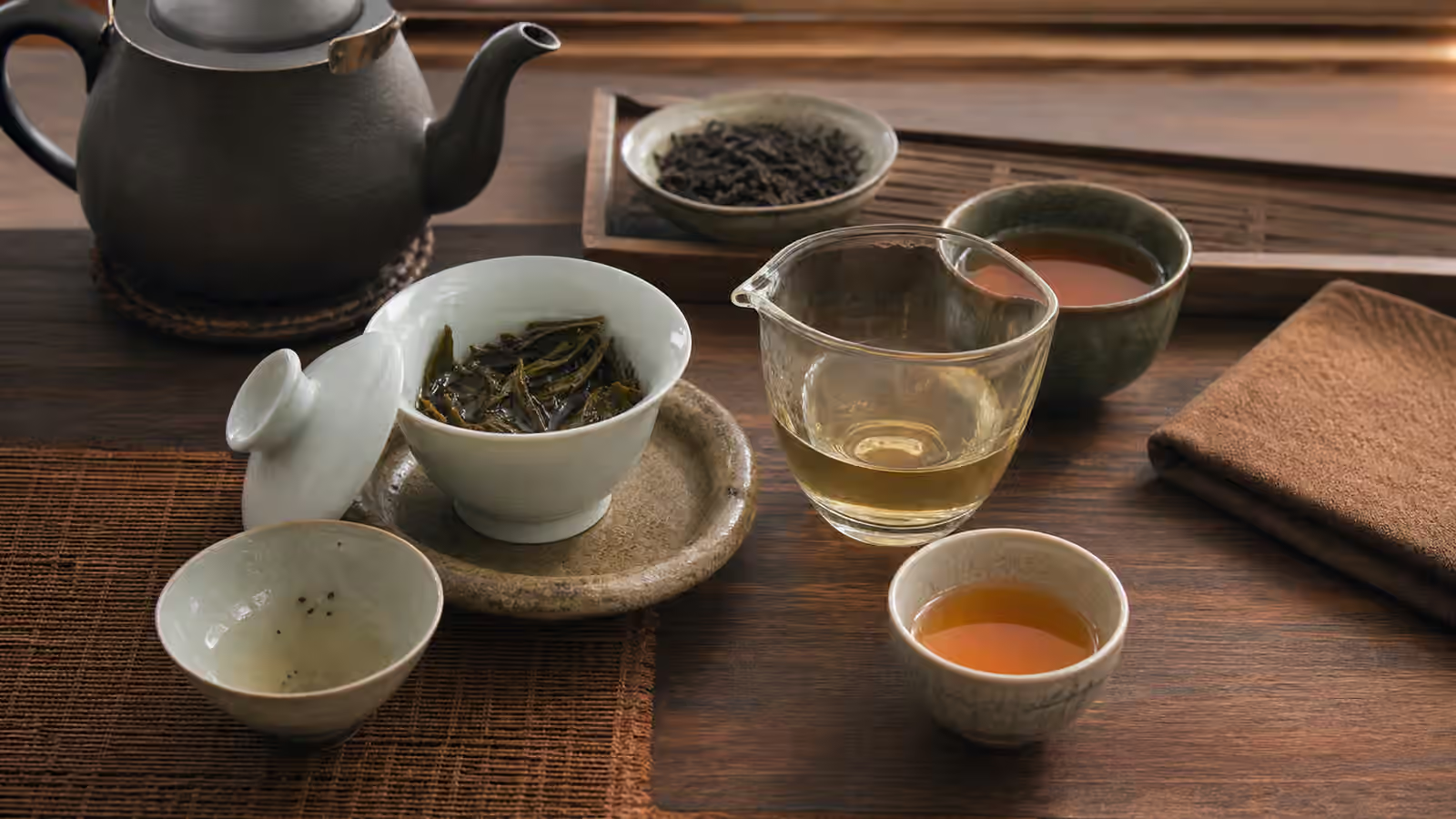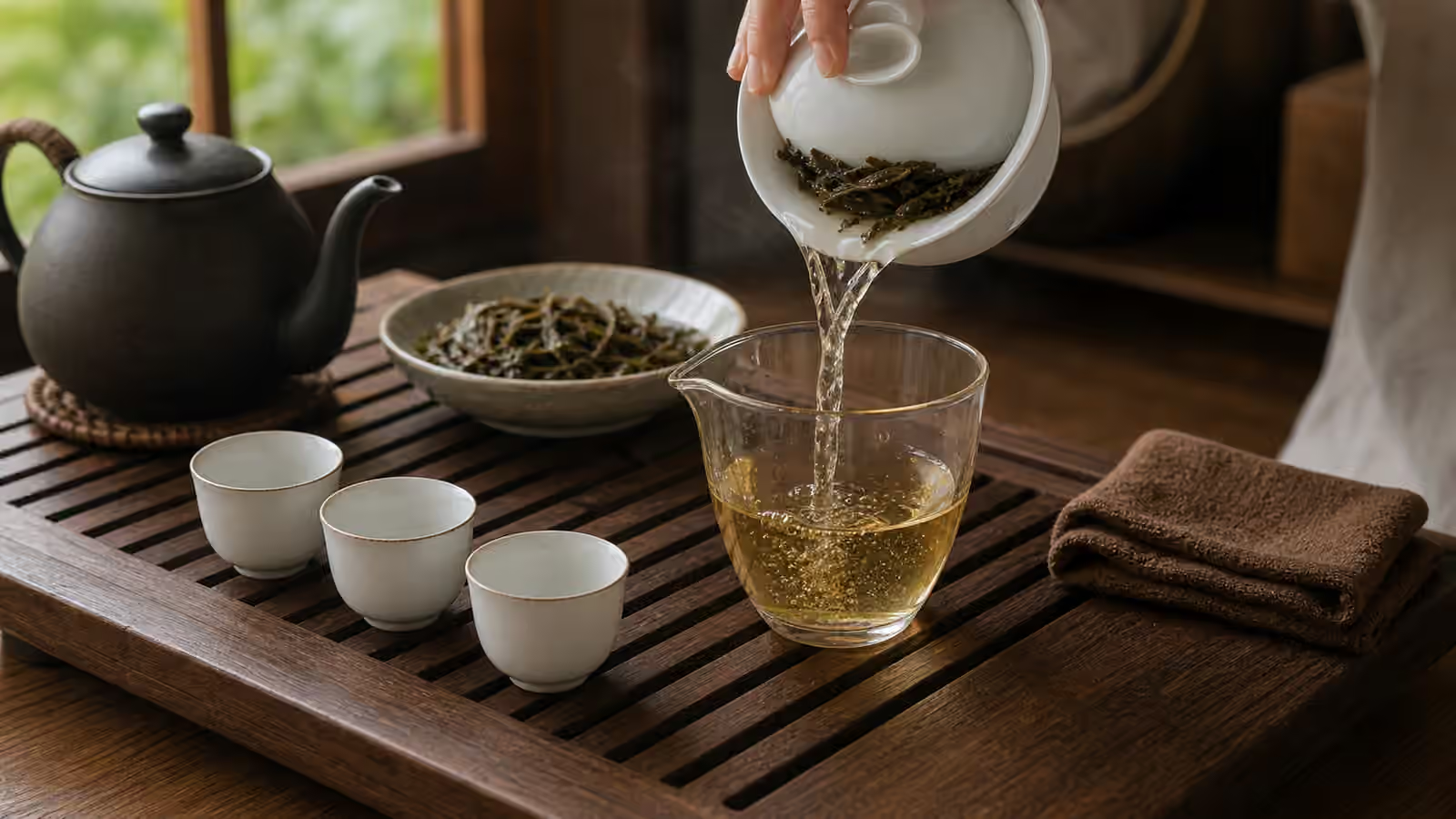
A fairness pitcher looks like a small accessory until you brew without one for several people. Tea does not pour from a pot or gaiwan as a perfectly mixed liquid. The first stream can be lighter, the last stream can be stronger, and the leaves may keep extracting while you move from cup to cup. Decanting solves a simple problem: it separates finished tea from wet leaves, then lets every cup receive the same infusion.
The tool is common in gongfu tea, but the idea is useful far beyond formal service. If you brew in a teapot, gaiwan, kyusu, or roomy infuser, a pitcher can make the result calmer. It is not about performing tradition. It is about stopping extraction at the moment the tea tastes right.
Decanting Stops The Clock
Tea keeps brewing as long as leaves and water remain together. When a timer rings but the tea sits in the pot while cups are found, the recipe has already changed. A pitcher gives you somewhere to put the finished infusion immediately. The leaves stay behind, drained and ready for the next round. The tea in the pitcher stops getting stronger.
This is especially useful with small vessels and short infusions. In Gongfu Tea for Beginners , a few seconds can matter because the leaf amount is high and the vessel is small. Without a pitcher, you may pour one cup quickly and leave the rest extracting while you reposition. With a pitcher, the whole infusion is gathered first and shared after.
Western-style brewing can benefit too. A teapot with loose leaves may make a good first cup and a rough second cup if the leaves keep sitting. Removing an infuser basket helps, but a pitcher or second pot also works. The key is not the object name. The key is getting drinkable tea away from the leaves.
It Makes Cups Taste Alike
Even pouring matters when serving guests. If you fill one cup completely, then the next, the cups may not match. The early pour is often lighter. The late pour may be stronger because the leaves continued extracting and because the heavier liquor can settle differently in the vessel. A fairness pitcher blends the full infusion before serving, so every cup starts from the same tea.
This is why the pitcher is sometimes called a fairness cup. The word can sound grand for such a practical object, but the fairness is real. It prevents one guest from getting the delicate top of the infusion while another gets the bitter end. Tea Service for Guests Without Weak Cups uses the same logic for larger gatherings: make the brew even before hospitality depends on it.
If you do not have a pitcher, pour in rounds. Give each cup a little, circle back, and continue until all are filled. This old habit approximates decanting by distributing early and late liquor across the cups. It is slower but effective. A pitcher simply makes the process cleaner.
The Pitcher Helps You See The Tea
A clear glass pitcher shows liquor color, clarity, and volume. That can be useful when learning. You can see whether a black tea is deep amber or pale copper, whether a green tea is bright or cloudy, whether a roasted oolong is darkening across infusions, and whether leaf fragments slipped through the filter. Color is not the final judge, but it is a clue.
The pitcher also reveals how much tea your vessel actually produced. A gaiwan that seems generous may fill only two small cups. A teapot may pour more than expected. Matching vessel, pitcher, and cups prevents awkward service where the last cup receives a symbolic splash. The comparison in Western Brewing vs. Gongfu Brewing makes more sense when you can see the different volumes each method creates.
For tasting, decanting creates a stable sample. Instead of sipping from a cup that continues to change because leaves remain in it, you taste the finished infusion. That makes notes more reliable. Tasting Tea Without Pretension asks for plain observations, and those observations become clearer when the brew is not shifting under you.
Choose A Pitcher By Pour, Not Drama
A useful pitcher pours cleanly, holds enough for the vessel you use, and is easy to clean. It does not need to be ornate. Glass is popular because it shows color and does not hold aroma. Porcelain works well too. A tiny pitcher is fine for a one-person gongfu session but frustrating for a larger teapot. A large pitcher can feel clumsy with very small infusions.
Watch the spout. A beautiful pitcher that dribbles will annoy you every session. Watch the handle or grip. Tea can be hot, and a slippery pitcher full of amber liquid is not charming. Watch the opening. If the mouth is too narrow to clean easily, scented, smoky, or milky residues may linger.
Some pitchers include a filter, but many do not. If your brewing vessel has a good filter, the pitcher can stay simple. If leaf fragments often escape, a small strainer over the pitcher may help. Do not make the setup more complex than the tea requires.
When You Can Skip It
You do not need a fairness pitcher for every cup. A mug with a basket infuser already separates leaves from tea when you lift the basket. A teapot with a removable infuser may work well if the basket is large enough and removed on time. A casual herbal infusion in a large mug may not gain much from decanting.
You can also skip the pitcher when drinking alone from a small vessel and pouring directly into one cup. If the whole infusion lands in the cup at once, there is no fairness problem. The issue returns when one infusion is divided across cups or when the leaves remain wet in the brewing vessel after the cup is filled.
The pitcher is a tool for control. If your current method already gives control, keep it simple. If your cups vary, your second pour turns harsh, or your guests receive uneven tea, decanting is one of the easiest fixes.
Keep It Clean And Ready
A pitcher should be rinsed soon after use. Tea film builds quietly, especially with black tea, roasted tea, dark tea, and scented blends. Milk tea and sweetened tea should not sit in a fairness pitcher unless it is cleaned thoroughly afterward. The cleaning habits from Cleaning and Caring for Teaware apply because neutral tools make clearer cups.
Store the pitcher where you will actually use it. If it lives in a high cabinet, you will skip it when timing matters. Keep it near the kettle, cups, or brewing tray. A tool that is ready at the right moment changes behavior more than a beautiful object kept out of reach.
Decanting teaches a useful tea principle: brewing is not finished when the timer ends; it is finished when the tea is separated from the leaves. A fairness pitcher makes that boundary visible. Once you feel the difference in even cups, the little pitcher stops looking optional in the sessions where it matters.