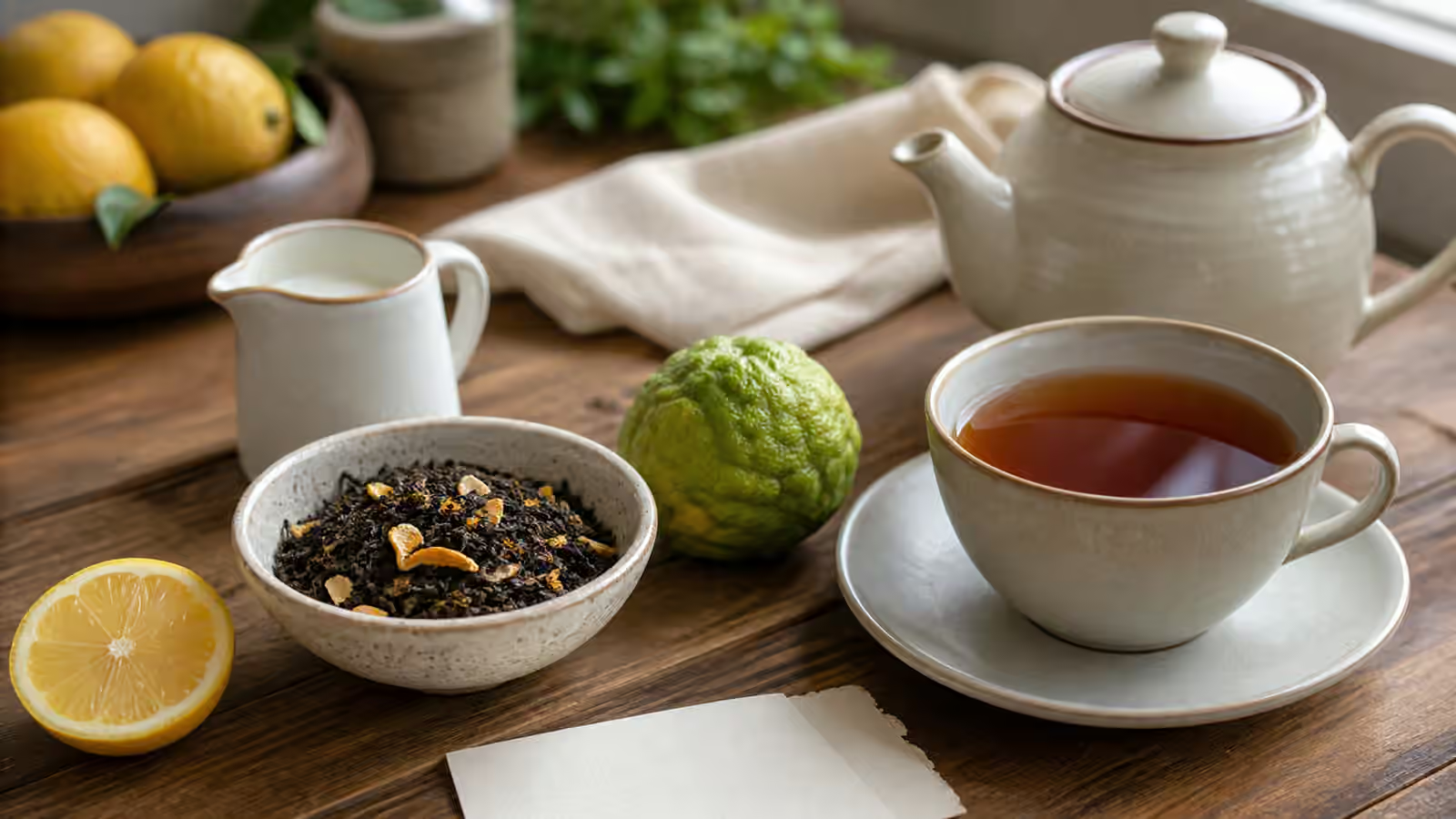
Earl Grey sounds specific, but the name covers a surprisingly wide range of cups. At its simplest, it is tea scented or flavored with bergamot, a fragrant citrus. In practice it can be brisk black tea with a clean citrus top note, soft black tea with vanilla-like cream flavor, green tea with bergamot, lavender-heavy blends, decaf versions, tea bags, loose leaf, and iced preparations. The skill is to taste the base tea and the bergamot together instead of letting the familiar name do all the thinking.
Bergamot Needs A Base
Bergamot is the signature aroma, but it is not the whole tea. A good Earl Grey still needs a base with body, structure, and finish. Many versions use black tea because black tea can carry citrus clearly and tolerate a range of service styles. The base might be brisk and tannic, malty, floral, light, or rounded. Each one changes whether the cup tastes best plain, with milk, with lemon, sweetened, or cold.
The broader guide to Scented and Blended Teas Without Confusion is useful because Earl Grey sits between tradition and blending. Some versions feel like scented tea where bergamot lifts the leaf. Others feel like flavored tea where the citrus dominates everything underneath. Neither category is automatically bad, but the balance should make sense. If bergamot smells impressive and the tea underneath tastes hollow, the cup will fade after the first sip.
Begin by tasting the first brew plain. Notice whether the black tea has enough body to stand after the citrus aroma passes. Does the finish stay clean, or does it turn bitter, perfumed, metallic, or dusty? The answer tells you whether the issue is recipe, freshness, or the blend itself.
Black Tea Style Changes The Cup
Earl Grey made with a brisk black tea behaves differently from Earl Grey made with a soft, floral, or mild base. A Ceylon-style base may bring brightness and a clean citrus frame. An Assam-heavy base may give more body and milk compatibility. A Keemun-like base may bring deeper aroma and a smoother profile. A very light base may make bergamot feel louder because there is less tea underneath.
Black Tea: Assam, Darjeeling, Ceylon, Keemun, and Breakfast Blends gives the vocabulary to read those differences. You do not need to identify the origin blind. You only need to ask whether the base is strong, bright, floral, malty, thin, or tannic. Earl Grey becomes easier when the name is not treated as a single flavor.
Leaf style matters too. A tea bag or fine broken leaf Earl Grey extracts quickly and may become rough if steeped too long. A larger loose leaf version may need more time to show body. Tea Grades and Leaf Styles Without Snobbery explains why format changes extraction. If one Earl Grey tastes bitter and another tastes weak under the same recipe, the difference may be leaf size as much as bergamot quality.
Milk, Lemon, And Sweetness Are Not Interchangeable
Earl Grey invites additions, but they change the cup in different ways. Milk softens tannin and adds body. It works best when the base tea is strong enough and the bergamot is not too sharp. A weak Earl Grey with milk can taste like scented water. A harsh Earl Grey with too much milk can still taste rough underneath. Brew the base deliberately before adding milk.
Lemon emphasizes citrus and brightness, but it can make a delicate or already sharp cup feel thinner. It also competes with bergamot if used heavily. A small amount can be refreshing in a brisk black tea. Too much can erase the tea and leave acid. Sweetness can round the edges, but it should not be used to hide stale leaf or a perfume-like finish.
Some blends called Earl Grey Creme add vanilla-like or creamy flavoring. These often want milk or a shorter, gentler steep, but they can become muddy if the base tea is weak. Tea Lattes Without Muddy Flavor is relevant because Earl Grey lattes need concentrated tea, not just more milk. The citrus and cream should sit on a real black tea foundation.
Brewing For A Clean Citrus Edge
The most common Earl Grey mistake is assuming a loud dry aroma means the tea needs a long steep. Bergamot is volatile and expressive. The base tea still follows normal extraction rules. If the leaf is fine, start shorter. If it is whole leaf, give it enough time to build body. If the cup tastes bitter, shorten the steep before reducing bergamot in your mind. If the cup tastes thin, increase leaf before letting it sit until it turns dry.
Brewing Temperature and Time Without Guesswork offers the method. Change one variable at a time. For black tea Earl Grey, hot water is usually appropriate, but time and ratio still matter. For green Earl Grey, use gentler water because the base is green tea. For decaf Earl Grey, expect the body to differ and adjust without treating decaf as a failure.
A teapot, mug infuser, or tea bag can all work. The important detail is removing the leaves or bag when the brew is ready. Letting Earl Grey sit indefinitely often brings a dry, perfumed bitterness that no elegant citrus note can rescue. If you serve several cups, brew a small pot with a known ratio and pour promptly.
Iced Earl Grey Can Be Excellent If Brewed For Dilution
Earl Grey often works well cold because citrus aroma feels refreshing and black tea can hold structure over ice. The trap is dilution. If you brew a normal hot cup and pour it over a full glass of ice, the result may taste pale. If you overbrew to compensate, it may taste bitter. The better method is to plan concentration and cooling.
Iced Tea Without Bitterness gives the broader technique. Use enough tea for the final volume, chill without letting leaves keep extracting, and taste before adding lemon or sugar. Cold brew can also work, especially with loose leaf Earl Grey that has a clean aroma. It may taste softer and less brisk than hot-brewed tea over ice.
Milk tea versions need a stronger base. If you want an iced Earl Grey latte, brew a concentrate and cool it before adding milk. Do not expect a weak cup to become satisfying because it is cold and creamy. The tea should still be legible after dilution.
Buying Earl Grey Without Being Dazzled By Names
Earl Grey names multiply quickly: double bergamot, royal, creme, lavender, green, white, decaf, lady-style blends, and many house variations. The name is less important than the base, aroma balance, freshness, and intended use. A strong breakfast-style Earl Grey may be perfect with milk. A delicate loose leaf version may be better plain. A heavily perfumed version may smell exciting and become tiring after half a cup.
Buy small amounts until you know the style you like. Look for descriptions that name the base tea and bergamot clearly. If the blend includes vanilla, lavender, flowers, citrus peel, or other flavorings, ask whether those ingredients serve the cup or decorate the label. Tea Buying Without Getting Lost keeps the choice grounded: buy by job, not by romance.
Storage matters because bergamot aroma can fade and can also scent nearby teas. Keep Earl Grey away from quiet green teas, white teas, and lightly oxidized oolongs. Tea Storage applies with extra force here. A stale Earl Grey can still smell faintly citrusy while the base tea has gone flat, which makes diagnosis harder.
Earl Grey earns its place when the citrus and tea stay in conversation. The bergamot should brighten the cup, not replace it. The black tea should carry the aroma, not fight it. Brew clearly, taste plain first, then decide whether milk, lemon, sweetness, or ice actually improves the cup. Familiar tea becomes interesting again when you stop treating the name as the recipe.