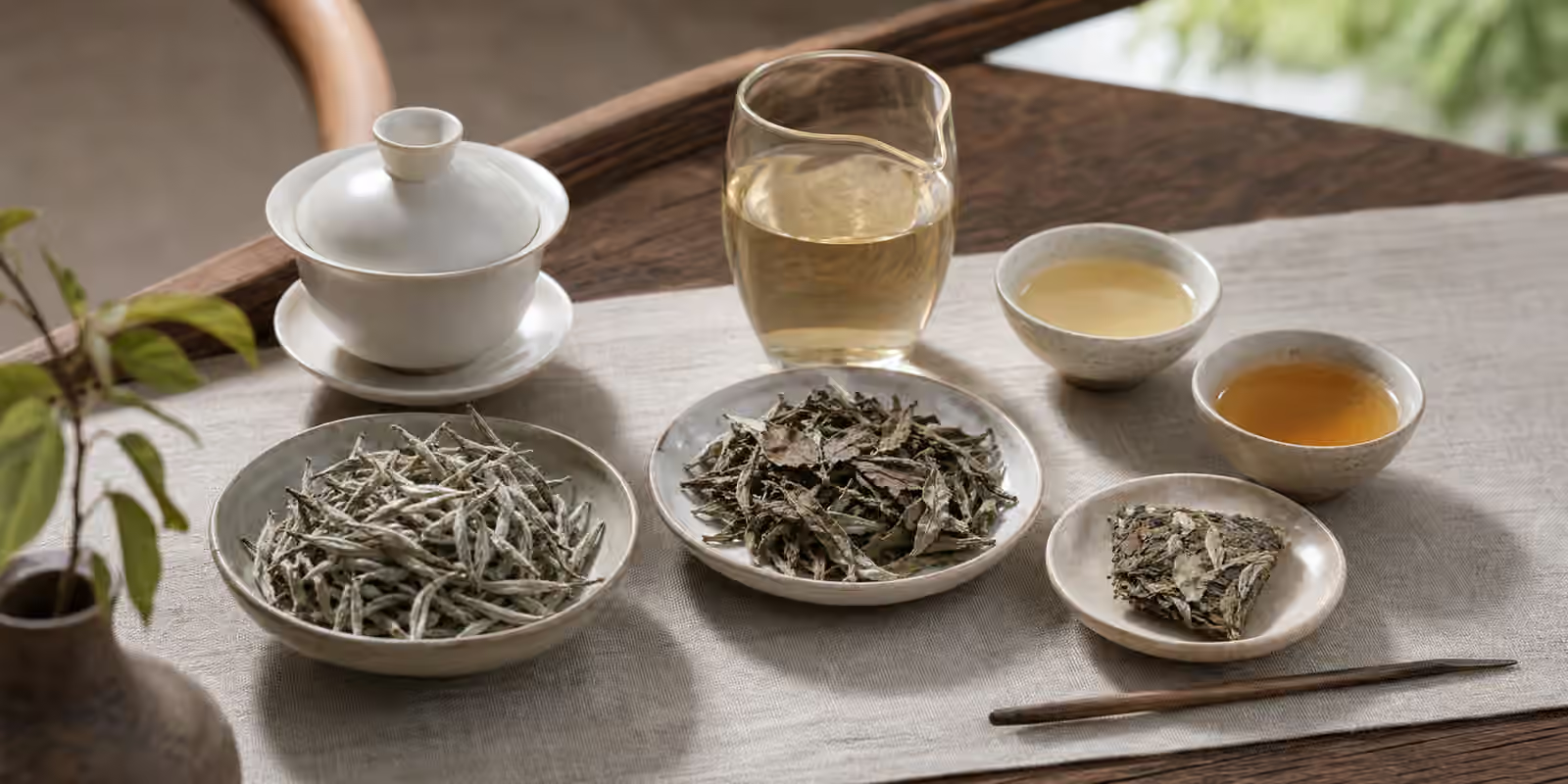
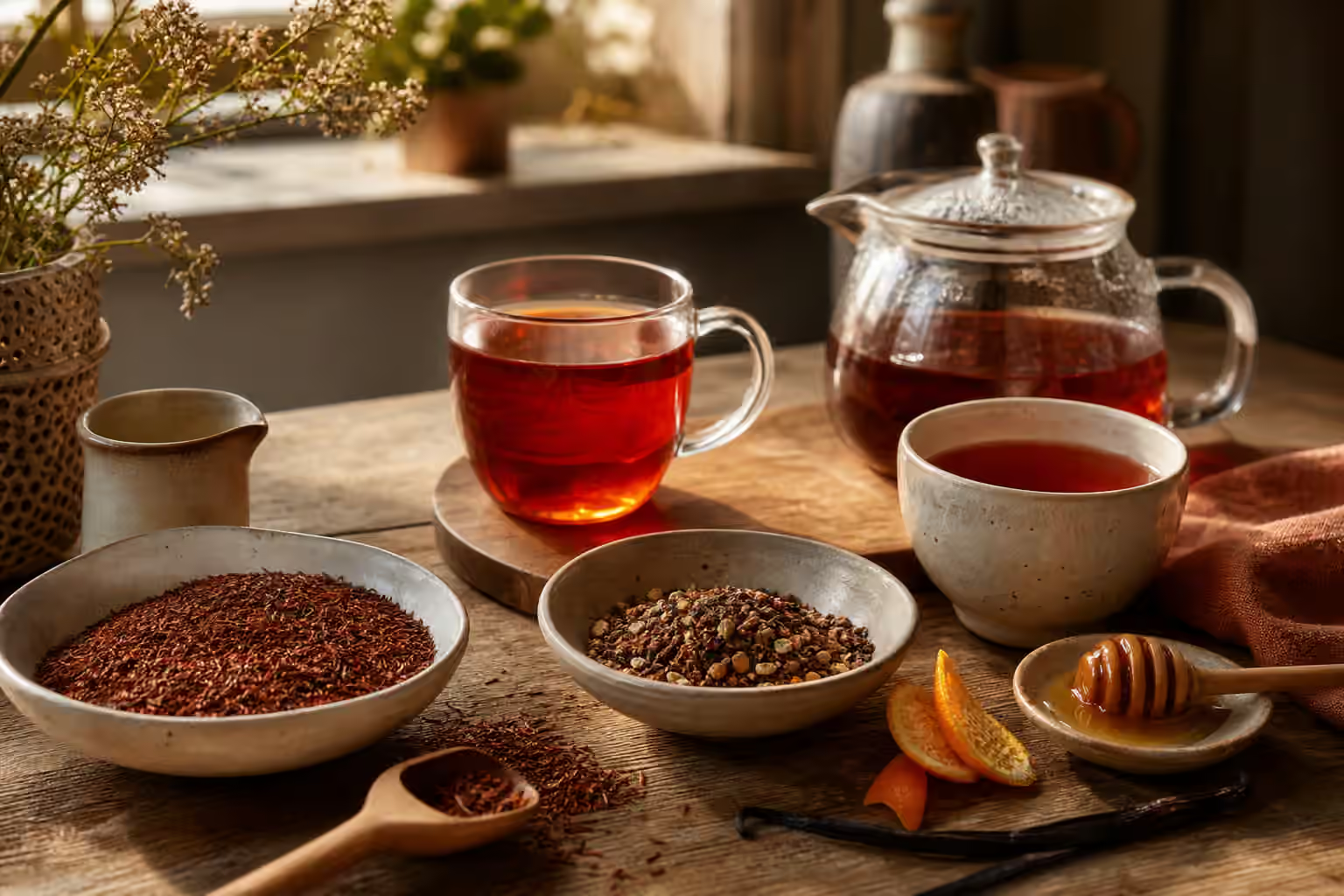
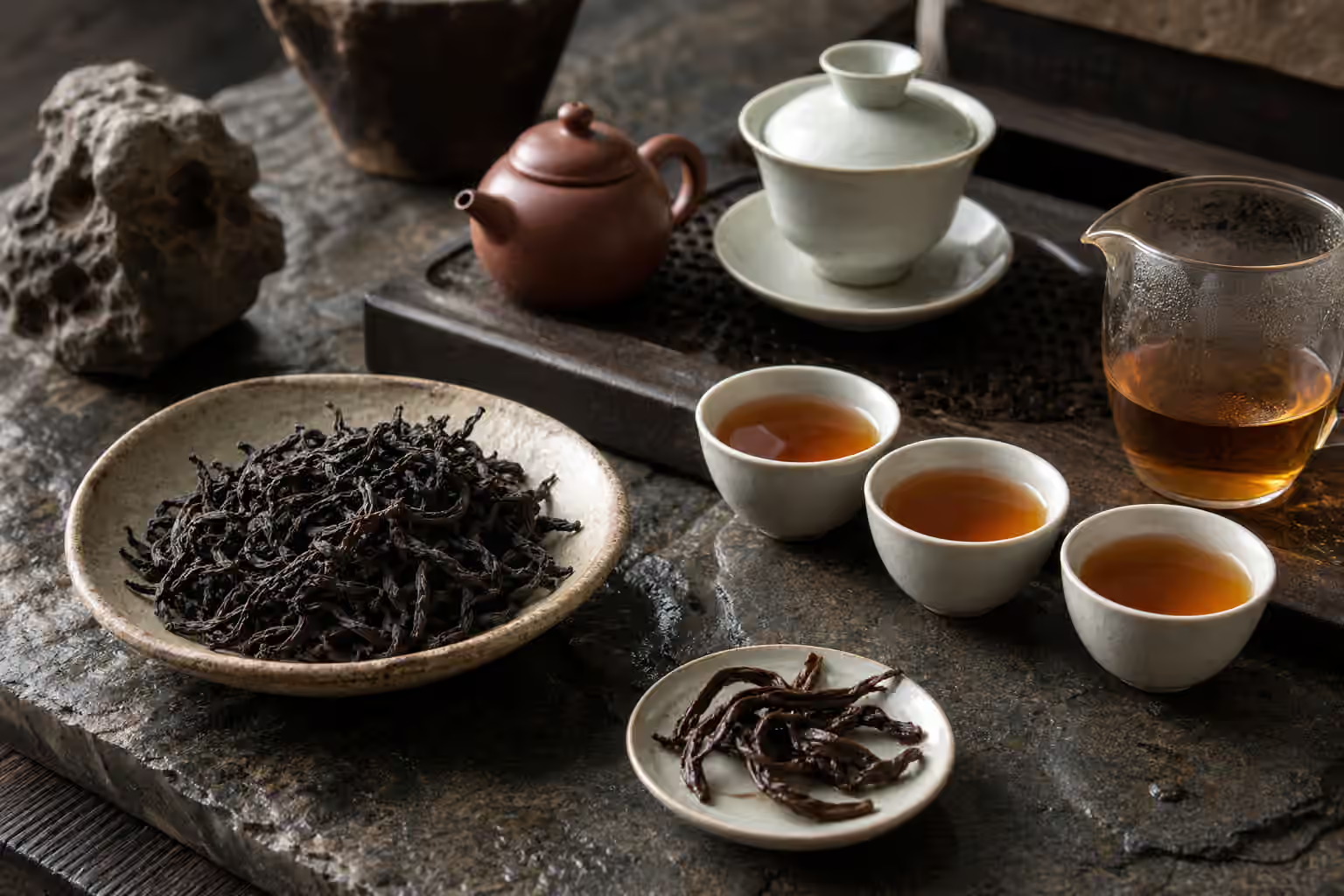
Compressed tea can look more intimidating than it needs to. A round cake wrapped in paper, a square brick, or a small bowl-shaped tuocha feels less obvious than loose leaf in a tin. You cannot simply scoop it. You have to loosen a piece, judge how tightly it was pressed, and decide whether the leaf wants a rinse, a rest, or several short infusions. The format is common with Pu-erh and other dark teas, but compression is not limited to one style or one level of seriousness. It is a way of storing, moving, aging, portioning, and presenting tea.
This guide is a practical companion to Pu-erh and Dark Teas for Beginners and Re-Steeping Tea Leaves Without Losing the Thread . The goal is not to turn every tea drinker into a collector. It is to make the first compressed tea session less awkward and less wasteful.
Why tea is compressed
Compression has a long history because tea had to travel, store, and trade. Pressed tea is compact. It protects leaf from some kinds of handling damage. It can age differently from loose tea because air moves through the mass more slowly and unevenly. It also creates a convenient unit for sale: a cake, brick, nest, mushroom, coin, or small piece. Modern compressed tea still carries those old reasons, but it also carries market signals. A cake can look serious, collectible, traditional, or giftable.
The format does not guarantee quality. A poor tea can be pressed into an impressive cake. A good tea can be sold loose. Compression is a clue about storage and brewing, not proof of value. Read vendor descriptions with the same calm skepticism you would use for origin labels. Reading Tea Origin Names Without Getting Lost applies here because compressed teas often arrive with mountain names, factory names, years, batches, recipes, and poetic wrappers.
Compression also changes the way the tea opens in water. A tightly pressed chunk may need time to loosen. A flaked-off piece with many broken edges may extract quickly. The center of a chunk can remain dry longer than the outside. This is why compressed tea often pairs well with repeated infusions. The tea does not give itself all at once.
Cakes, bricks, nests, and small pieces
A cake is usually round and flat, often with a slight depression on one side from the cloth or mold used in pressing. A brick is rectangular and may be easier to stack but harder to pry cleanly if it is dense. A tuocha is nest-shaped, often with a bowl-like curve that can make it compact and sturdy. Small coins, squares, and mini nests are made for convenience, though they can vary widely in quality and compression.
Larger formats give you more control because you can choose how much to loosen. They also ask more responsibility because storage matters after opening. Mini portions are easier for travel or office brewing, but a tightly compressed mini nest may brew unevenly unless given enough time. Samples broken from larger cakes are often the best way to learn before buying a full piece.
Do not assume that older-looking, darker-looking, or more tightly pressed tea is better. Ripe Pu-erh, raw Pu-erh, aged white tea, dark tea, and other compressed styles can look similar to a newcomer. Smell, vendor clarity, storage history, and the brewed cup matter more than shape alone.
Loosening tea without shredding it
A tea pick, tea needle, or thin dull tool is used to separate layers rather than stab straight down. The safest motion is usually sideways and gentle: find an edge, insert the tool into a natural seam, and ease a flake away. Keep your other hand out of the path of the tool. Work on a stable surface. Do not hold the cake in your palm while pushing a sharp point toward your skin. The ritual is not worth an injury.
The goal is to preserve leaf structure as much as practical. Dust and tiny fragments brew fast and can make the cup murky or harsh. Large solid chunks may open slowly. A mix is normal, but shredding the tea into crumbs makes brewing harder. If the cake is very tight, loosen a little at a time and accept imperfect pieces. Some bricks are stubborn. Patience is better than force.
After loosening tea, let the pieces rest briefly if they smell closed or dusty from storage. You do not need an elaborate airing ceremony. A clean dish or small paper envelope in a neutral-smelling place can be enough for a sample you plan to drink soon. Keep it away from cooking odors, incense, cleaning products, and moisture.
Rinsing and waking the leaves
Many compressed teas benefit from a quick rinse, especially if they are tightly pressed, dusty, aged, or intended for gongfu brewing. A rinse means adding hot water briefly, then pouring it away. It can warm the vessel, loosen the chunk, and remove some surface dust. It is not always necessary for every tea, and it should not become automatic theater. If the tea is delicate or expensive, think before discarding anything. If the tea is dense and sleepy, a rinse can make the first drinkable infusion clearer.
The first real infusion may still be quieter than the second because the leaf is opening. Watch the wet leaf. If the chunk remains tight, allow a little more time. If the liquor darkens quickly and smells strong, pour sooner. Compressed tea rewards attention because the same piece can change dramatically across infusions. A ripe Pu-erh may move from earthy and dense toward sweeter and smoother. A raw Pu-erh may begin sharp, then reveal fruit, wood, bitterness, or mineral structure. An aged white tea may open from dry hay and honey toward deeper sweetness.
Short infusions in a gaiwan or small pot make these changes easier to follow. A large mug can work, but it may hide the sequence. If you brew grandpa-style in a cup, use less tea than you think and add water gradually. A compact chunk can suddenly release strength after sitting.
Storage after opening
Compressed tea storage depends on tea style, climate, and how long you plan to keep it. The basic enemy list is still familiar: bad odors, moisture, direct sun, excessive heat, and neglect. Unlike delicate green tea, some compressed teas are intentionally kept for development, but that does not mean they enjoy a damp kitchen cabinet or a shelf above spices. Tea absorbs its surroundings more readily than many people expect.
If you are not intentionally aging tea, keep the opened cake or brick in breathable but clean wrapping, inside a container that protects it from dust and odors without trapping moisture. Do not seal damp tea in plastic. Do not refrigerate random compressed tea unless you understand the condensation risks and the tea style calls for cold storage, which most Pu-erh does not. For everyday drinkers, a clean cabinet away from heat and scent is usually more useful than a complicated aging setup.
Samples should be labeled with the tea name, year if known, vendor, and date received. Otherwise, they become mystery fragments. Mystery fragments can be fun, but they are not good teachers. If you cannot connect a cup to its source, you cannot learn what to buy again.
Buying compressed tea calmly
Start with samples. Compressed tea can invite full-cake enthusiasm before your palate knows the style. A cake is a lot of tea if you do not like it. Try ripe Pu-erh, raw Pu-erh, aged white tea, or other compressed styles in small amounts. Notice whether you like the storage aroma, body, bitterness, sweetness, and aftertaste. Some teas are meant to be challenging. That does not require you to enjoy every challenge.
Use Tea Buying Without Getting Lost as the guardrail. Ask what the tea is for. Daily dark cup, quiet evening session, comparative tasting, aging experiment, or gift are different jobs. A beautiful wrapper and a famous region do not answer those questions by themselves.
Compressed tea becomes friendly when you treat it as a format with habits. Loosen it carefully, brew it with enough patience for the leaves to open, store it away from chaos, and buy small until your taste is clear. The cake is not a test of seriousness. It is just tea arranged so time, pressure, and storage become part of the cup.