Ceylon tea usually means tea from Sri Lanka, especially black tea, though the word carries older trade history as well as present-day shelf language. For a drinker, the useful part is not the romance of the name. It is the way Sri Lankan teas can teach brightness, briskness, clarity, elevation, blending, lemon, milk, and iced tea without making the cup mysterious. A good Ceylon tea can be lively and direct. It can also be nuanced, fragrant, citrusy, rounded, or sturdy, depending on where and how it was grown and made.
Ceylon Is A Map Word And A Cup Word
The guide to Reading Tea Origin Names Without Getting Lost makes a key point: country names are wide containers. Sri Lankan tea is not one flavor. Labels may mention well-known growing districts, garden names, elevation categories, leaf grades, harvest timing, or blend purposes. Those details are useful only when they help you predict the cup.
For many beginners, Ceylon first appears in breakfast blends, Earl Grey, iced tea, or a simple black tea with lemon. That is a sensible entrance. Sri Lankan black teas often have enough briskness and clarity to stay refreshing rather than heavy. Some take milk well. Some taste better plain. Some are prized for fragrant high-grown character, while others are chosen for color, strength, or blending reliability. Instead of asking whether Ceylon tea is good, ask what job this particular tea seems built to do.
Elevation Language Gives A Starting Point
High-grown, mid-grown, and low-grown are common clues, but they are not quality scores. They describe broad growing conditions and market expectations. High-grown teas are often associated with brighter, more aromatic cups, sometimes with citrus, floral, brisk, or clean notes. Mid-grown teas may sit between brightness and body. Low-grown teas can be richer, darker, and more robust. These are starting assumptions, not promises.
The beginner mistake is to turn elevation into a ladder. A high-grown tea is not automatically better than a low-grown tea. It may be better for plain afternoon drinking, while a lower-grown or blended tea may be better for milk, iced tea, or a breakfast mug. The best tea is the one whose structure matches the cup you intend to make. Black Tea: Assam, Darjeeling, Ceylon, Keemun, and Breakfast Blends gives the wider black-tea comparison. Assam may teach malt and body. Darjeeling may teach season and fragrance. Ceylon often teaches briskness and clarity.
Briskness Is Not The Same As Harshness
Ceylon teas are often called brisk, which can be useful if the word stays connected to taste. Briskness means the cup has lift, snap, and a clean drying edge. It can make tea refreshing with breakfast, lemon, or a sweet snack. Harshness is different. Harsh tea grabs the mouth, tastes rough before it tastes flavorful, and leaves a drying finish that feels more like damage than structure.
Brewing decides which side you meet. Too much leaf, water that is too aggressive for the tea, or a steep that runs long can turn brightness into roughness. Too little leaf can make a brisk tea taste hollow, so the drinker adds time and extracts more tannin without building body. The guide to Leaf-to-Water Ratio for Tea Without Guesswork is the quiet fix. Get the concentration close, then adjust time.
A good brisk cup should still have aroma. It may smell citrusy, woody, floral, malty, or cleanly tannic. If all you notice is dryness, brew again with a shorter steep. If all you notice is color, the tea may be stale, underleafed, or simply built for blending rather than solo tasting.
Lemon, Milk, And Iced Tea Ask For Different Teas
Ceylon tea is often friendly to lemon because brightness and citrus can reinforce each other. That does not mean every cup needs lemon. Taste plain first, then decide. If the tea already has clean citrus or floral lift, lemon may sharpen it pleasantly or overwhelm it. If the tea is thin, lemon can make the thinness louder. If the tea is too harsh, lemon may hide the problem for a moment without solving the recipe.
Milk asks for more body. A delicate high-grown tea may lose its aroma under dairy, while a stronger blend may become round and satisfying. This is where Tea Lattes Without Muddy Flavor and Chai at Home offer useful principles even when you are not making a latte or chai. If additions are part of the plan, brew enough tea for the additions to meet. Weak tea plus milk is not gentle; it is absent.
Iced tea is another natural path. Ceylon’s clarity can hold up well when chilled, especially if the tea is brewed with restraint. Hot-brewed tea that is already rough may become sharper over ice. Cold brewing can soften the edge, though it changes aroma and body. Iced Tea Without Bitterness gives the practical method: control strength, avoid overextraction, and taste before sweetening.
Leaf Grade And Blend Purpose Matter
Sri Lankan black teas often appear with grade language, from whole leaf styles to broken leaves, fannings, and dust. Grade words can describe leaf size and sorting, but they do not work as a simple moral hierarchy. Smaller leaf can be very useful when the goal is speed, color, and strength. Whole leaf can offer a slower, more aromatic cup. Broken leaf may sit between those habits depending on the tea.
Tea Grades and Leaf Styles Without Snobbery is important here because many Ceylon teas are bought for a job. A tea meant for a teabag or strong breakfast blend is not trying to behave like a slow oolong session. A whole leaf high-grown tea is not trying to color a mug in thirty seconds. The question is whether the leaf style matches the promise on the package.
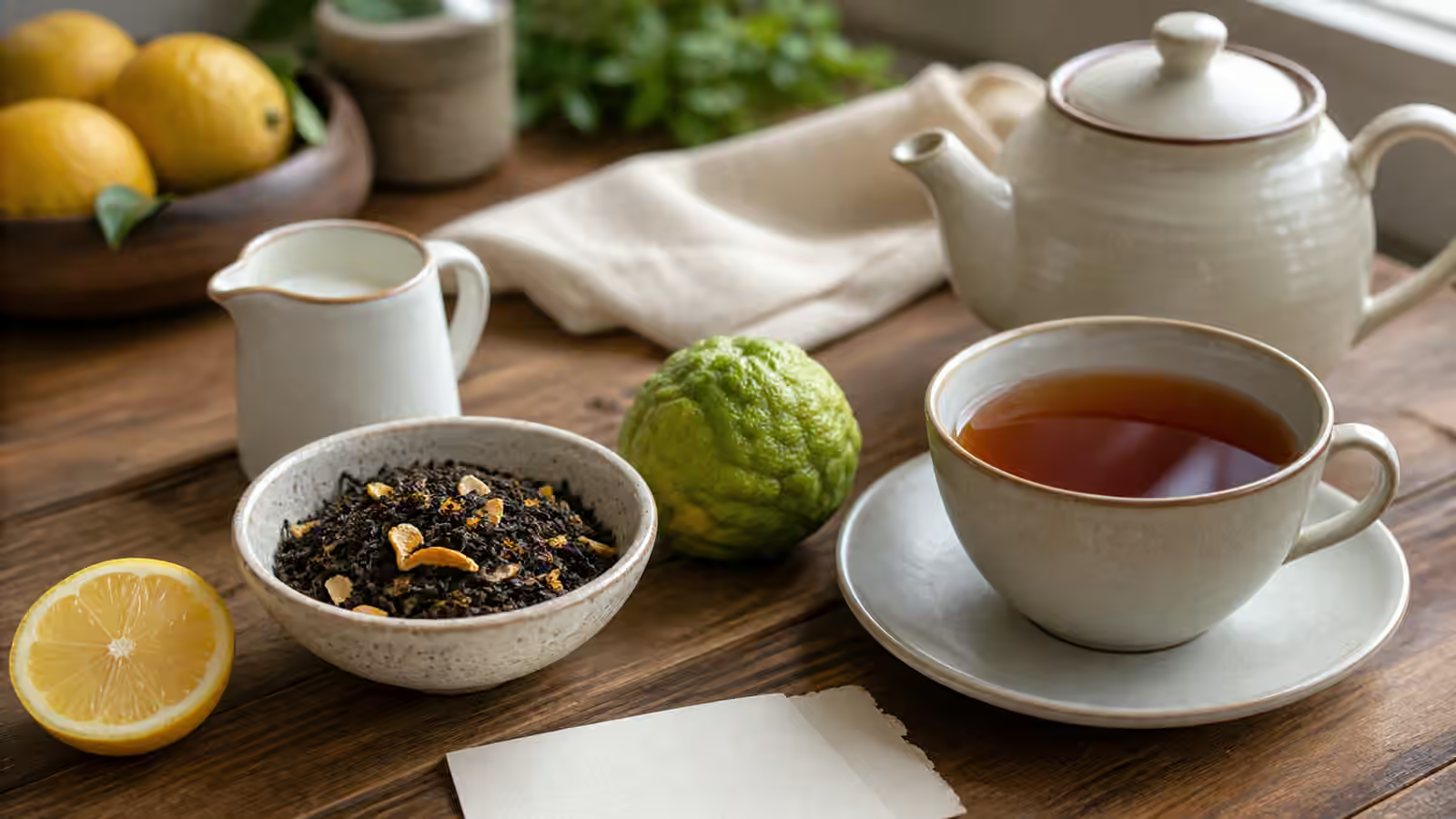
Blending is not a failure of origin. Some Ceylon teas are excellent as components because they bring brightness, color, or clarity to a blend. Earl Grey often uses a black tea base that can carry bergamot. Breakfast blends may use Ceylon for lift beside heavier teas. Scented and Blended Teas helps keep that distinction fair. The blend should still taste like tea, not just flavoring or color.
Buying And Brewing A Small Comparison
If you want to understand Ceylon tea without overbuying, choose two or three small samples with real contrast. One might be high-grown and meant for plain drinking. One might be a stronger broken-leaf tea meant for milk. One might be a blend or an Earl Grey with a clearly named base. Brew each plainly first, using the same water and a measured amount of leaf. Taste the aroma, body, dryness, and finish before adding lemon or milk.
Then repeat the service the way you actually drink tea. Add lemon to the cup that seems bright. Add milk to the cup with enough body. Chill a restrained brew over ice and notice whether the tea stays refreshing or turns thin. This second round matters because tea is not only a tasting table object. It has to survive the habits you bring to it.
The path through Sri Lankan tea is practical and rewarding because it links label language to daily choices. Elevation gives a clue, briskness gives a structure, leaf grade gives a speed, and additions reveal whether the tea has enough body for the job. A good Ceylon tea does not need to be dramatic. It needs to be clear enough that you know why you reached for it, and repeatable enough that the next cup can be better on purpose.