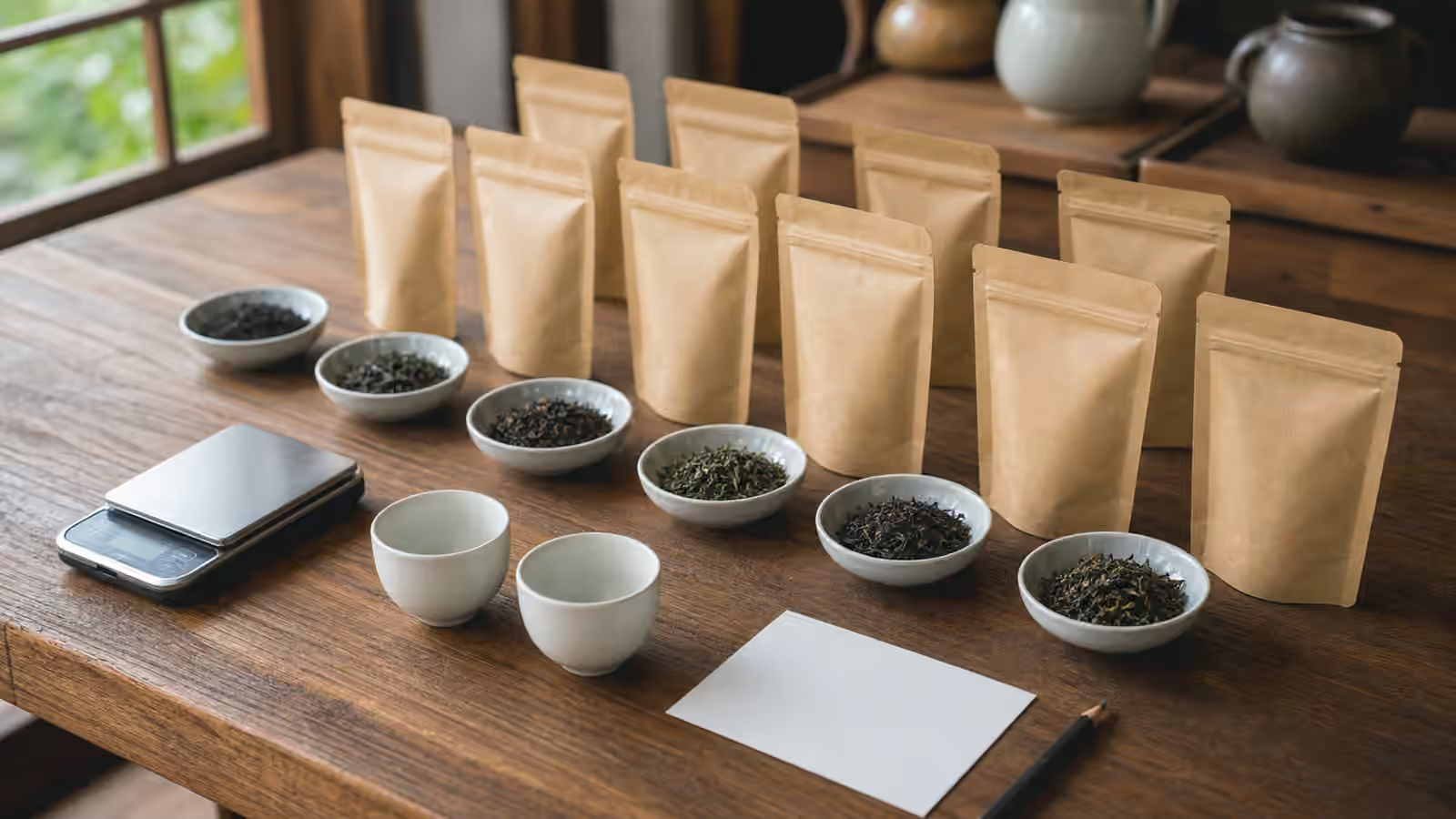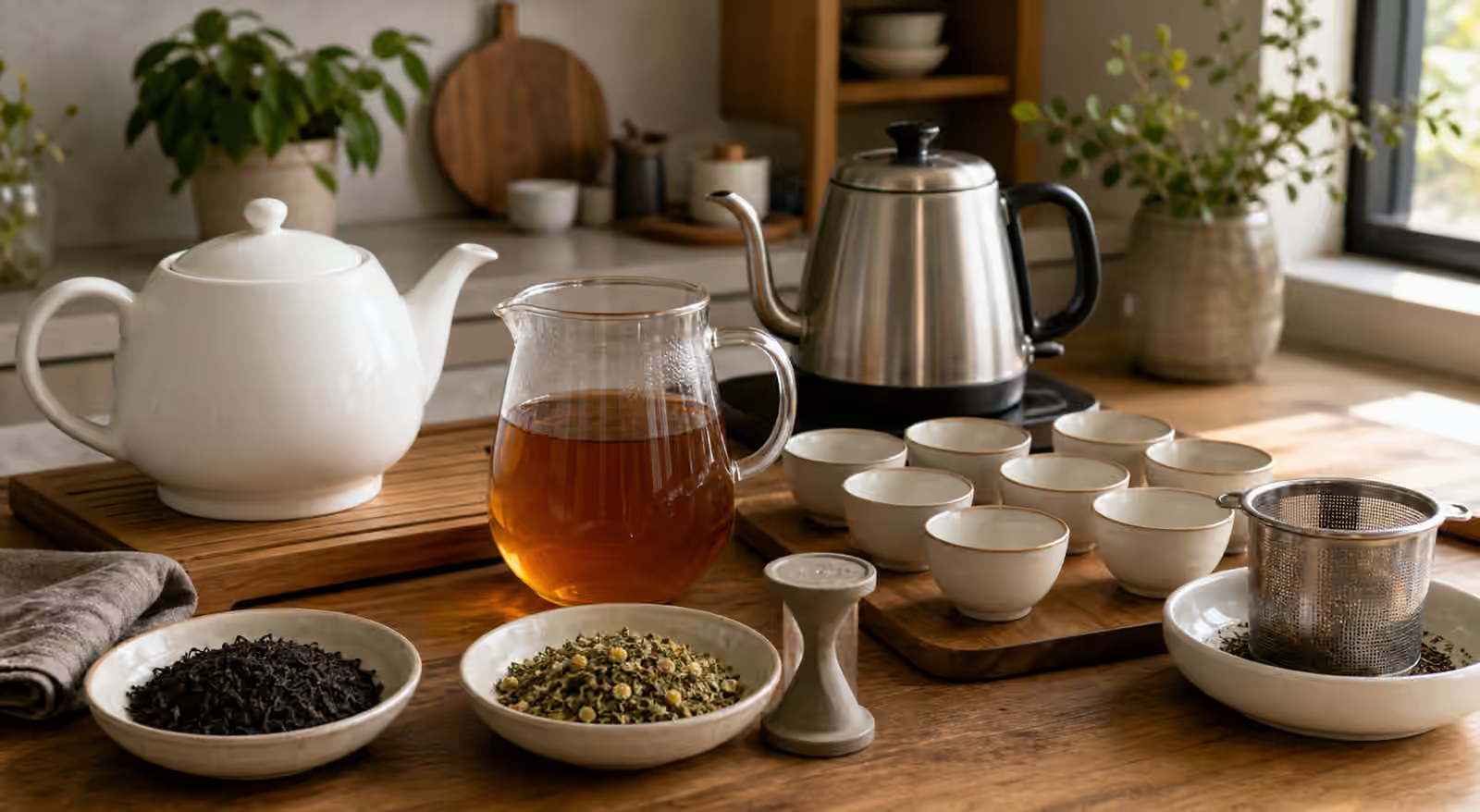
Batch brewing is the quiet craft behind good tea service. It is not the same as making one excellent cup and hoping the method scales. More water changes heat loss. More leaf changes extraction. More guests create timing problems. Milk, lemon, ice, and refills all ask for different strength. The goal is simple: brew enough tea that every cup tastes intentional, without leaving the host trapped at the kettle while everyone else drinks.
Start With The Job Of The Batch
Before choosing a recipe, decide what the tea has to do. A pot of black tea for milk needs more body than a fragrant green tea served plain. Iced tea needs enough strength to survive dilution. A caffeine-free herbal option should taste complete, not like a courtesy cup. A tasting flight needs small, controlled portions. A relaxed brunch needs steadiness and easy refills.
Tea Service for Guests Without Weak Cups covers hospitality pacing, but batch brewing focuses on the mechanics. The first question is not “How much tea do I own?” It is “How many finished cups do I need, and how strong should they be when served?” Once that is clear, leaf amount, water, vessel, and timing become easier to choose.
The most common mistake is underleafing a large pot because the volume looks impressive. A big teapot full of pale liquid can still taste weak. The second mistake is leaving leaves in the pot while guests talk, so the first cups are pleasant and the last cups are punishing. Batch brewing improves immediately when you separate brewing from holding.
Brew, Then Decant
A large teapot can brew the tea, but it should not always be the serving vessel while leaves remain inside. Decanting into a pitcher or second pot stops extraction and evens the batch. Fairness Pitchers and Decanting Tea for Even Cups explains this on a small scale; the same idea becomes more important with a crowd. The first pour out of a teapot and the last pour should not taste like different recipes.
If you use an infuser basket, make sure it is large enough for the leaves and easy to remove cleanly. A cramped basket makes large batches taste flat because water cannot move through the leaf evenly. A basket that drips everywhere makes service annoying. Set a small bowl or saucer nearby before brewing so the wet infuser has somewhere to go.
For black tea, decanting can be the difference between brisk and rough. For green tea, it can be the difference between fresh and bitter. For herbal infusions, it keeps spices, fruit, or fine particles from growing muddy. Tea Brewing Temperature and Time still matters, but decanting gives the recipe a clean endpoint.
Scale Strength, Not Just Volume
The guide to Leaf-to-Water Ratio for Tea Without Guesswork is essential for batch brewing. Scaling is not only multiplication. A very large pot loses heat differently from a mug. Leaves may sit in a deeper mass. Pouring may take longer. A recipe that works in a small cup may need adjustment when the vessel changes.
Start with a measured baseline, then record the result. If the tea is meant to be served plain, aim for clarity and balance. If it will take milk, brew with enough body that milk rounds the cup instead of erasing it. Tea Lattes Without Muddy Flavor makes the same point for concentrated tea: additions reveal weakness. If lemon is planned, choose a tea with brightness and avoid overextracting tannin. If ice is planned, brew for the finished glass, not the hot pitcher.
It is often better to make two controlled batches than one oversized gamble. Two smaller pots can stay fresher, offer a caffeinated and caffeine-free choice, or separate plain tea from milk tea. They also reduce the penalty if one recipe needs correction.
Match Tea To The Service
Black tea is the easiest batch choice for many settings because it can be sturdy, familiar, and compatible with milk or lemon when chosen well. Ceylon, Assam, breakfast blends, and some Kenyan teas can all work, though each has a different body and briskness. Black Tea: Assam, Darjeeling, Ceylon, Keemun, and Breakfast Blends helps choose by structure rather than name.
Green tea needs more care. A large pot of delicate green tea can turn bitter if brewed too hot or held with leaves too long. If green tea is important to the service, brew smaller batches, decant promptly, and serve while the aroma is alive. Roasted teas such as hojicha may be more forgiving. Oolong can be excellent but often shines in smaller repeated infusions rather than one large pot, unless you choose a style that handles western brewing well.
Herbal infusions are useful because guests may want caffeine-free choices. Rooibos, honeybush, mint, chamomile, hibiscus blends, and roasted grain infusions can all serve a group, but they still need enough material and a clean strainer. Rooibos and Honeybush: Red Herbal Infusions With Body is a natural companion when you want a caffeine-free option that has more body than a pale floral cup.
Plan Refills Before The First Pour
A good batch service has a refill plan. If the first pot disappears quickly, will you rebrew the same leaves, start fresh leaves, or switch teas? Re-steeping can work for oolong, white tea, some green teas, and certain whole-leaf black teas, but it is not reliable for every batch. Re-Steeping Tea Leaves Without Losing the Thread helps decide when leaves have more to give.
For milk tea, a second steep may be too weak unless the leaves are strong and the first extraction was restrained. For iced tea, a second steep may be useful as a lighter refill if it is not diluted too much. For herbal infusions, a second steep may taste pleasant but softer. The host should know the likely plan before guests ask for more.
Holding temperature also matters. Tea that sits too long can lose aroma even after decanting. Very delicate teas fade quickly. Strong black tea may remain serviceable longer, but it can become dull. A covered pitcher or warmed pot helps for a short service, but fresh batches are usually better than a heroic attempt to keep one pot alive all afternoon.
Make The Service Easy To Repeat
The best batch recipe is the one you can repeat without stress. Write down the tea, leaf amount, water volume, water temperature, steep time, serving vessel, and whether additions were expected. Add one honest note afterward. Did milk swallow the tea? Did the last cups taste stronger than the first? Did the iced version need more concentration? Did guests choose the herbal option because it tasted good or because it was the only caffeine-free choice?
This kind of note is not fussy. It is how a host becomes calm. The next service begins with evidence instead of memory. It also keeps buying practical. Build a Beginner Tea Shelf argues for teas that have real jobs, and batch brewing makes those jobs visible. A shelf for guests may need one sturdy black tea, one forgiving caffeine-free infusion, one iced option, and one quieter tea for plain drinking.
Batch brewing is successful when nobody thinks about it too much. Cups arrive steady. Additions make sense. Refills are possible. The host can sit down. That ease comes from measured leaf, enough vessel space, clean decanting, and a clear idea of the finished cup before the kettle starts.