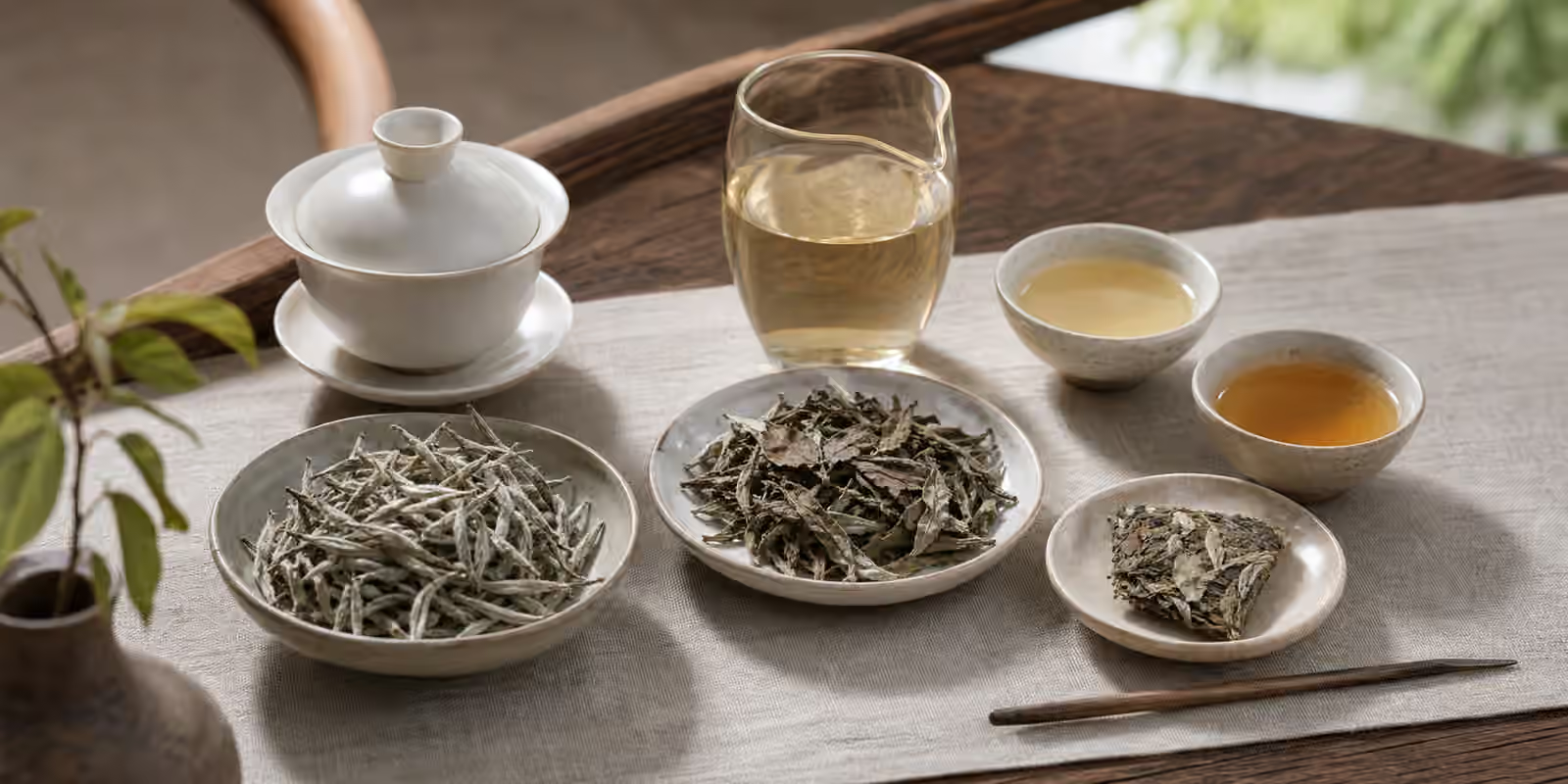
Fresh white tea often teaches delicacy. Aged white tea teaches patience. The leaves may move from pale hay, flowers, melon, and clean sweetness toward deeper notes of dried fruit, honey, warm wood, herbs, and soft grain. That change can be lovely, but it is not automatic magic. Age helps only when the leaf, drying, storage, and brewing support it. A stale white tea is still stale. A good aged white tea tastes like time has rounded the leaf rather than buried it.
Fresh White Tea Is The Starting Point
The main White Tea guide explains why this family can feel quiet. White tea is often minimally handled compared with many other tea styles. It may include buds, larger leaves, or both. It is not simply weak green tea. Its appeal often comes from softness, texture, and fragrance that does not need to shout.
Aging changes that quietness. Some fresh grassy or floral edges settle. Sweetness can become darker. Body can grow rounder. Aromas may move toward dried fruit, herbs, honeyed hay, old paper in a pleasant sense, or warm wood. Larger-leaf white teas often age differently from bud-heavy teas. Compressed cakes can behave differently from loose leaves because compression changes airflow, moisture movement, and how the drinker breaks off portions.
That range is why aged white tea should not be judged only by color. A darker liquor may suggest deeper extraction or age, but it does not prove quality. A pale cup may still have fragrance. A dark cup may be overbrewed. Taste the tea before deciding what the appearance means.
Loose Leaf And Cake Behave Differently
Loose aged white tea can be simple to portion. The leaves are visible, easy to smell, and easy to adjust. If the tea is fluffy, a spoonful may weigh less than it looks. If it is broken, it may extract quickly. The guide to Leaf-to-Water Ratio for Tea Without Guesswork is useful because white tea volume can mislead the eye.
Compressed white tea cakes introduce another step. You have to loosen a piece without grinding the leaves into dust. Compressed Tea Cakes, Bricks, and Tuocha gives the practical method: work from an edge when possible, use a stable surface, keep your hand out of the tool’s path, and aim to separate layers rather than stab randomly. A cleaner piece brews more evenly. A pile of crumbs extracts fast and can make the first cup harsh.
Cake storage also matters. A cake can be beautiful and inconvenient if you cannot keep it away from kitchen odors or excess humidity. A small sample or broken piece may be more practical than a full cake for a beginner. The point is to drink tea, not to maintain a display object.
Brewing For Roundness
Aged white tea can tolerate warmer water than very delicate fresh green tea, but that does not mean every example wants a long, punishing steep. The best starting recipe depends on leaf size, age, compression, and the cup you want. A gaiwan can show progression across infusions. A mug or teapot can make a rounder, steadier drink. Both are valid.
If the tea is loose and whole, give the leaves room. If it is compressed, let the first infusion wake the piece and begin opening it. Early cups may be lighter while water reaches the inner layers. Later cups may become sweeter and fuller. This is where Re-Steeping Tea Leaves Without Losing the Thread helps. Aged white tea often has more to give after the first cup, and the best part may arrive after the leaf relaxes.
When the cup tastes thin, increase leaf slightly before extending time too far. When it tastes woody and drying, shorten the infusion or lower the intensity. When it tastes sour, musty, or like a closed cupboard, consider storage as well as brewing. Aged aroma should not require you to pretend that damp or stale notes are virtues.
Storage Is Part Of The Flavor
White tea can absorb smells and suffer from poor storage. Age is not a substitute for care. Keep leaves away from strong spice cabinets, coffee, cleaning products, sunlight, and damp spaces. The broader Tea Storage guide gives the general rules, but aged white tea makes them especially concrete because the whole promise of the tea depends on time not turning into damage.
There is also a difference between aging and forgetting. A tea tucked away in a warm, fragrant kitchen for years may become old without becoming good. A tea stored cleanly may deepen, but the result still depends on the original leaf and processing. If a seller leans entirely on age claims without explaining leaf style, storage, or flavor, buy cautiously.
Small amounts are sensible. Tea Samples and Small Orders Without Shelf Clutter applies because aged white tea can tempt people into large cakes before they know their preference. Taste a loose aged white tea beside a cake sample. Taste a younger white tea beside an older one. Keep notes on body, sweetness, aroma, and finish rather than only writing the age.
What Good Aging Feels Like
Good aged white tea often feels integrated. The cup may be mellow, but not empty. It may have deeper sweetness, but not syrupy heaviness. It may be woody or herbal, but not dusty. The finish should remain pleasant after swallowing. If the tea only tastes old, with no sweetness or life, the age is not doing useful work.
Food can clarify the cup. Aged white tea can pair with nuts, lightly sweet pastries, dried fruit, mild cheeses, rice dishes, or roasted vegetables. It is less assertive than many black teas and less bright than many green teas, so it often does best with food that leaves space for texture. Tea Pairing With Breakfast, Dessert, Cheese, and Snacks can help you decide whether the tea needs a gentle partner or a richer one.
The best practice is to return to the same leaves across a session. Notice the first aroma from the warmed vessel. Notice when the compressed piece opens. Notice whether sweetness grows or fades. Aged white tea is not a shortcut to profundity. It is a patient way to taste how leaf, time, storage, and brewing meet in a cup that can be soft without being simple.