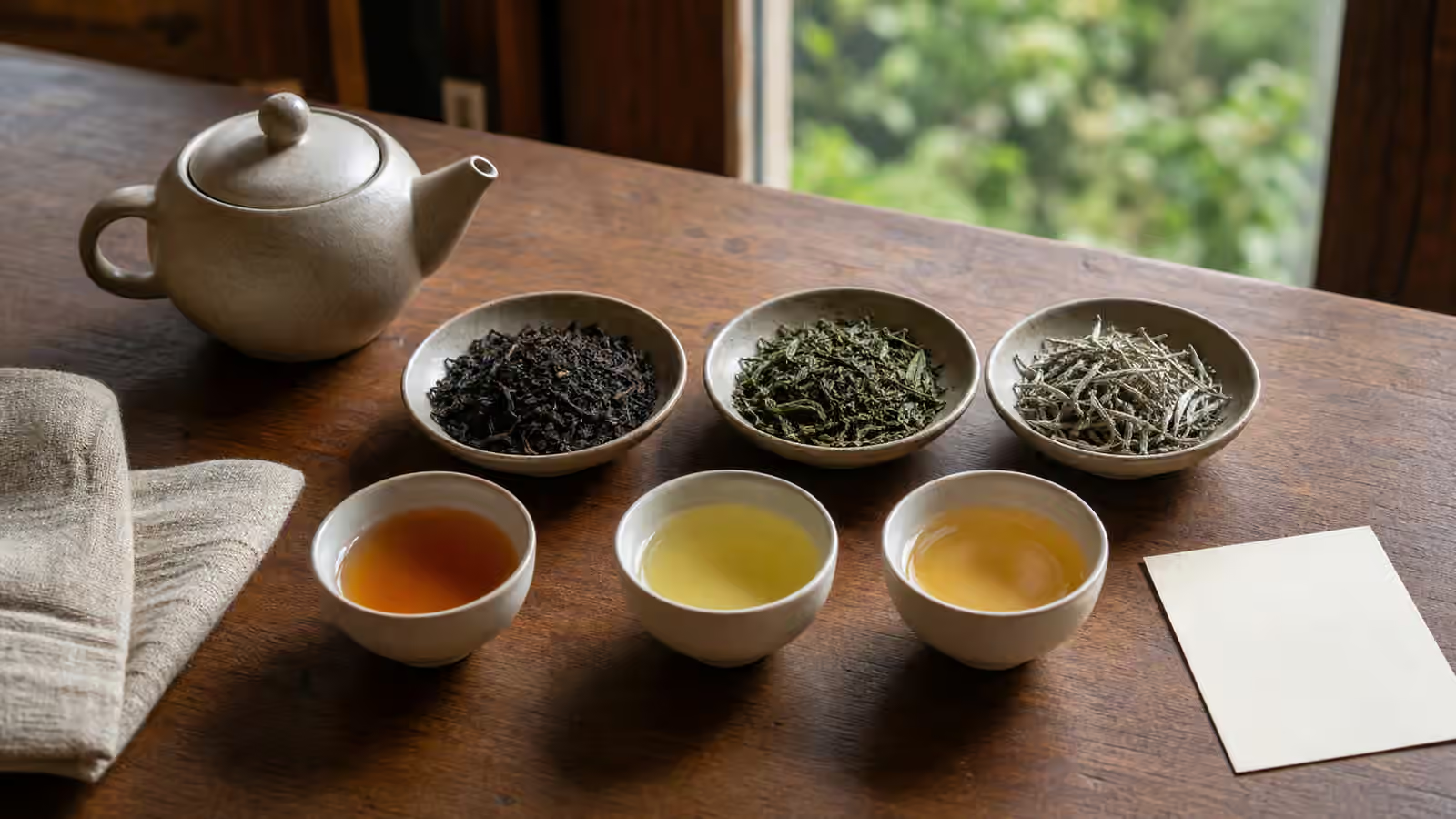
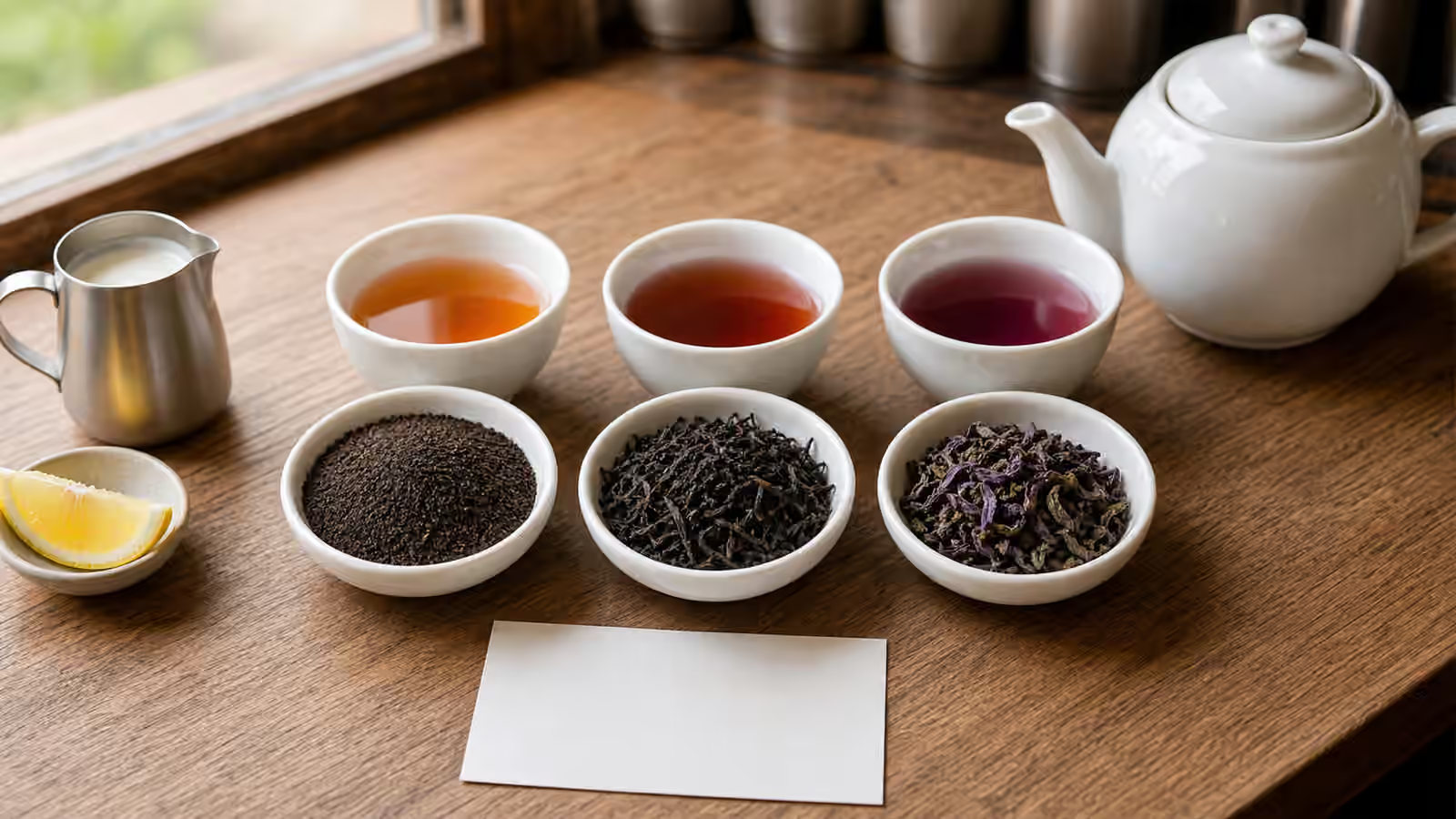
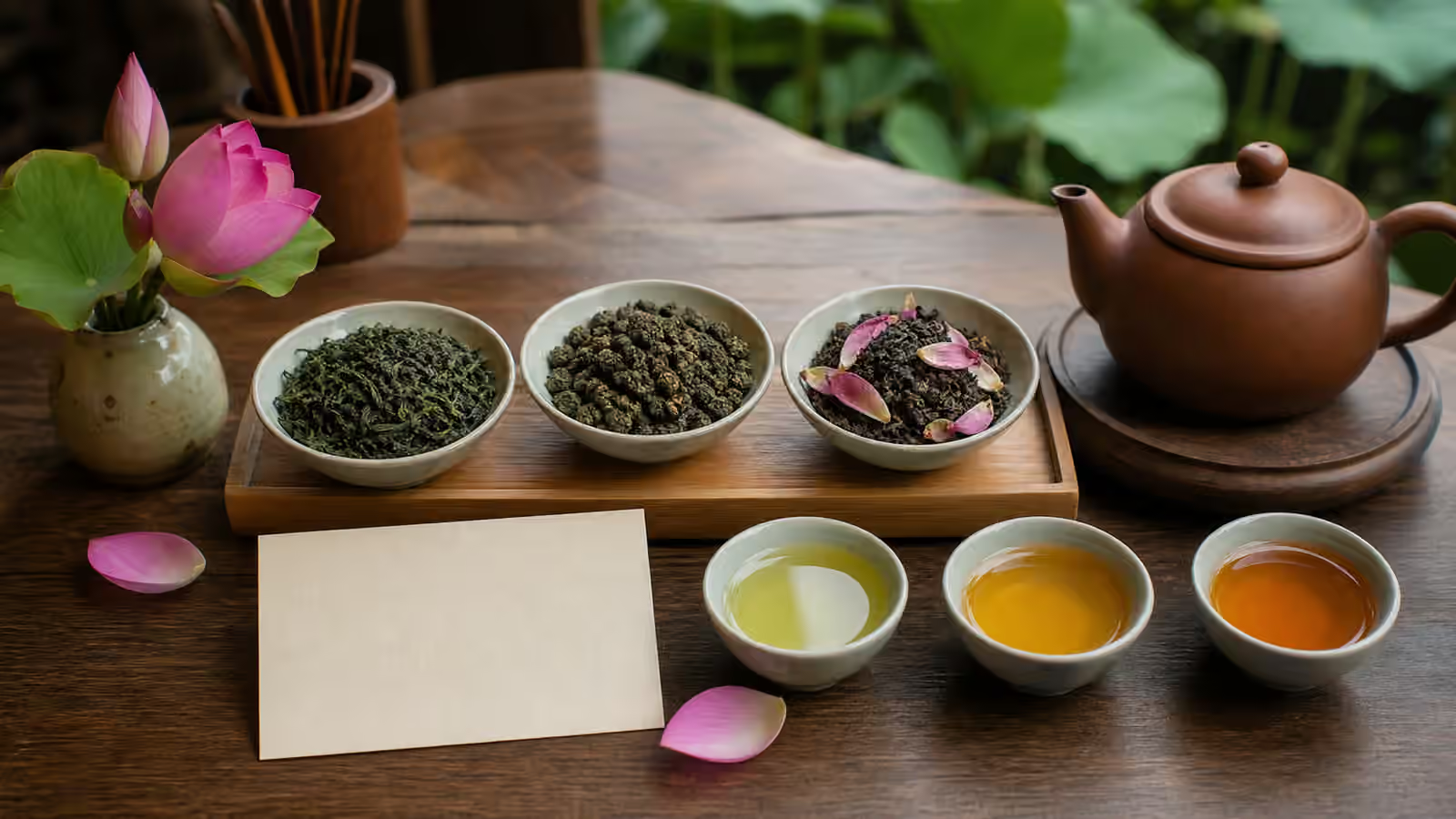
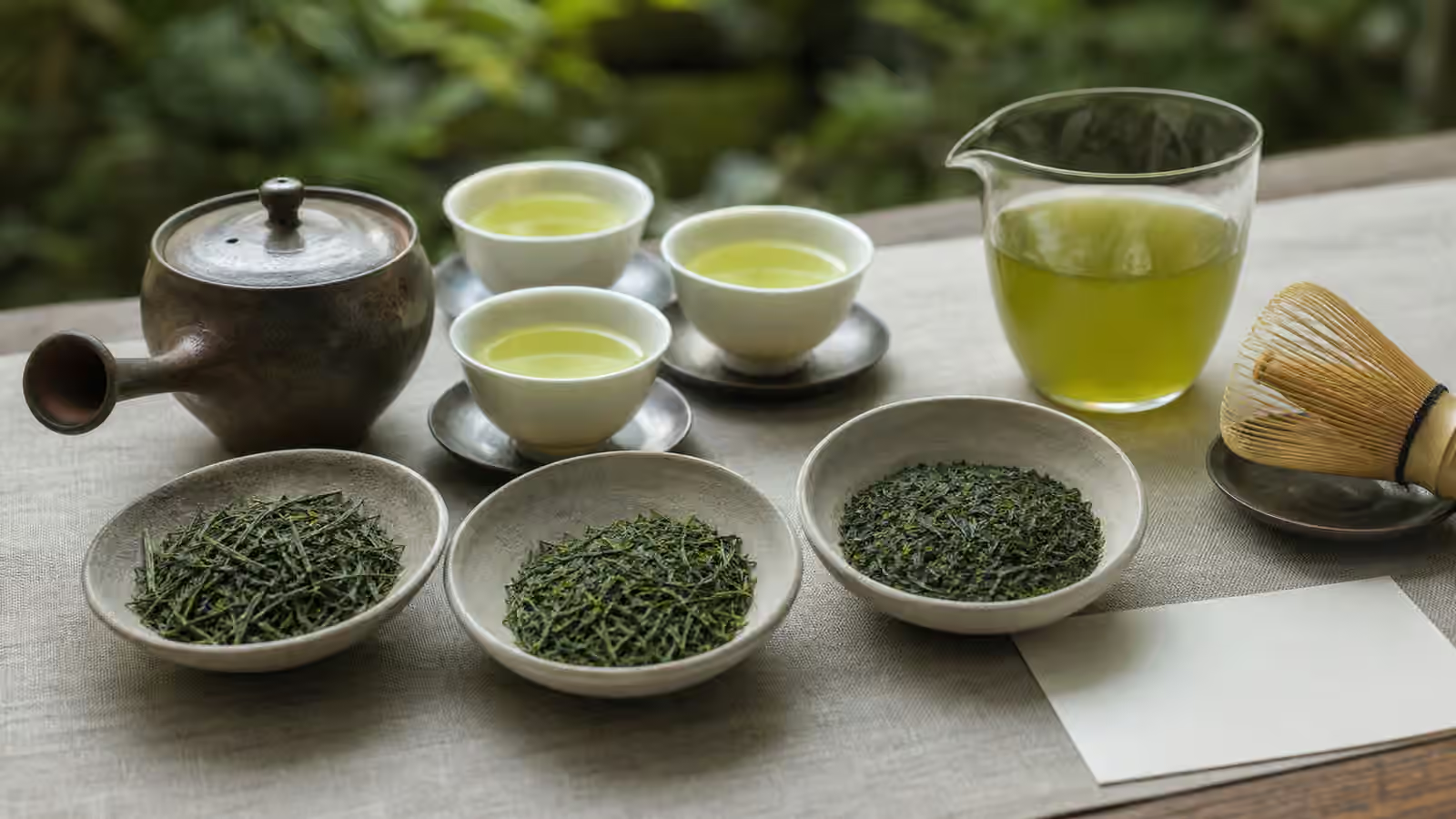
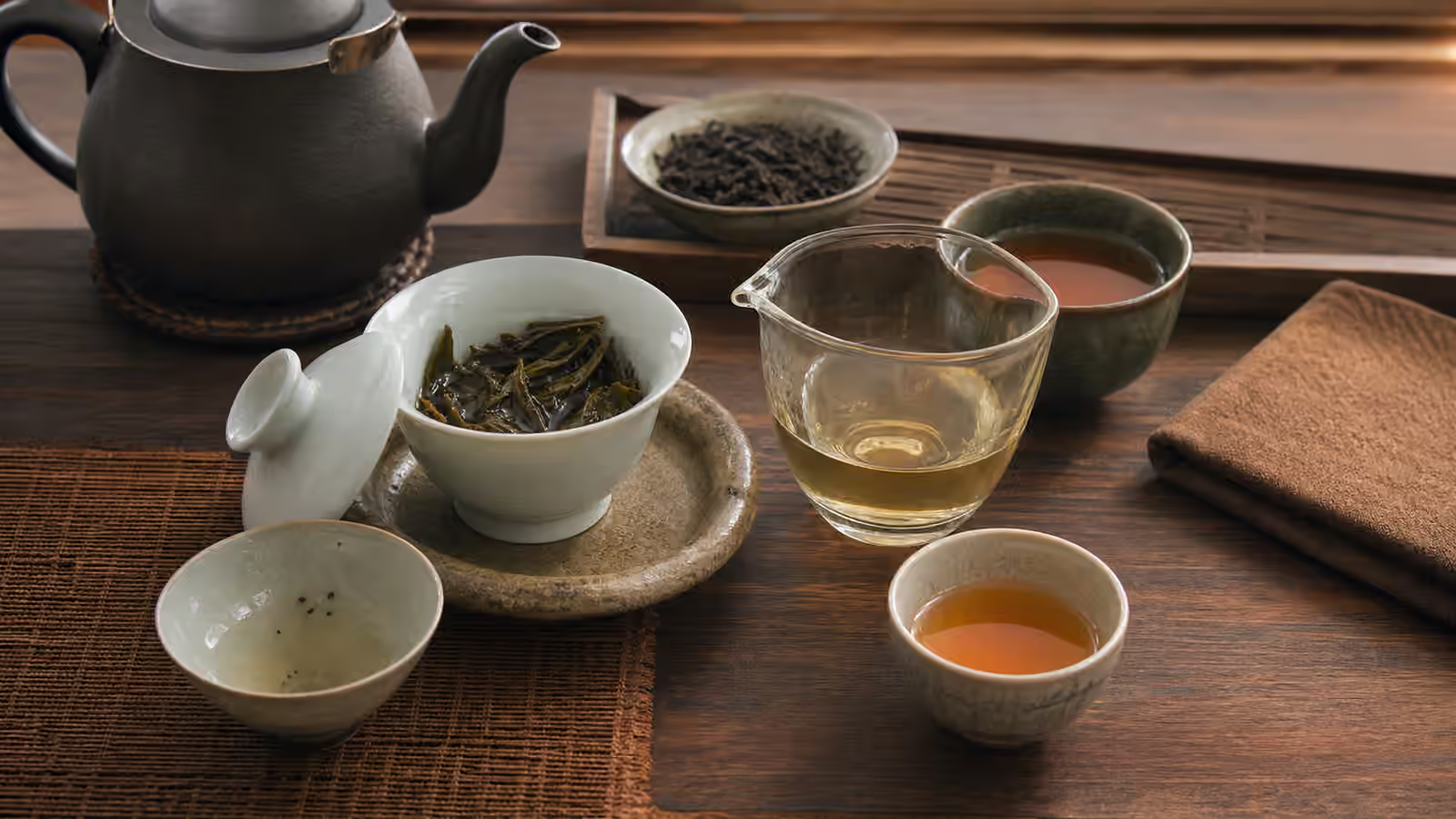
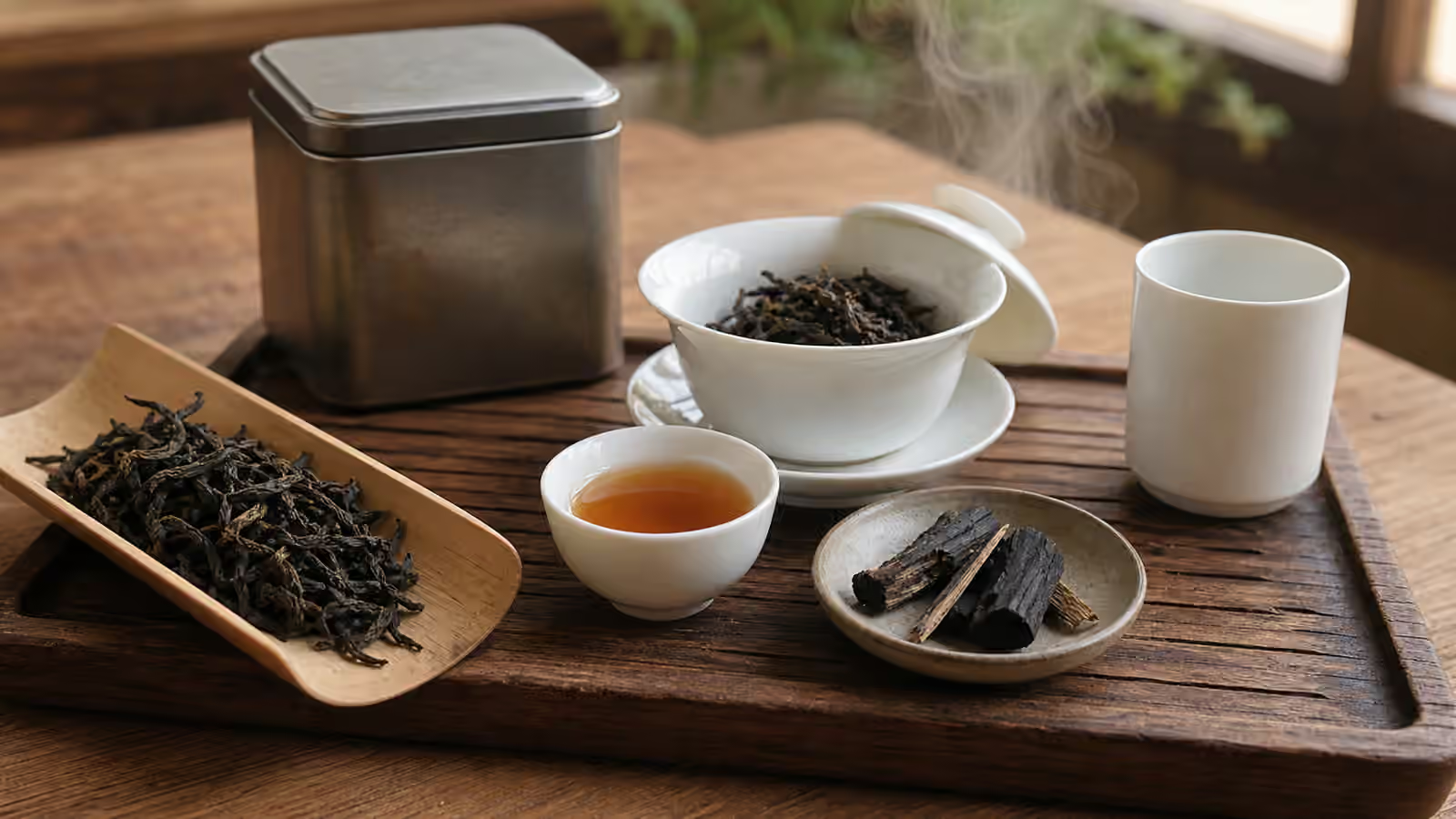
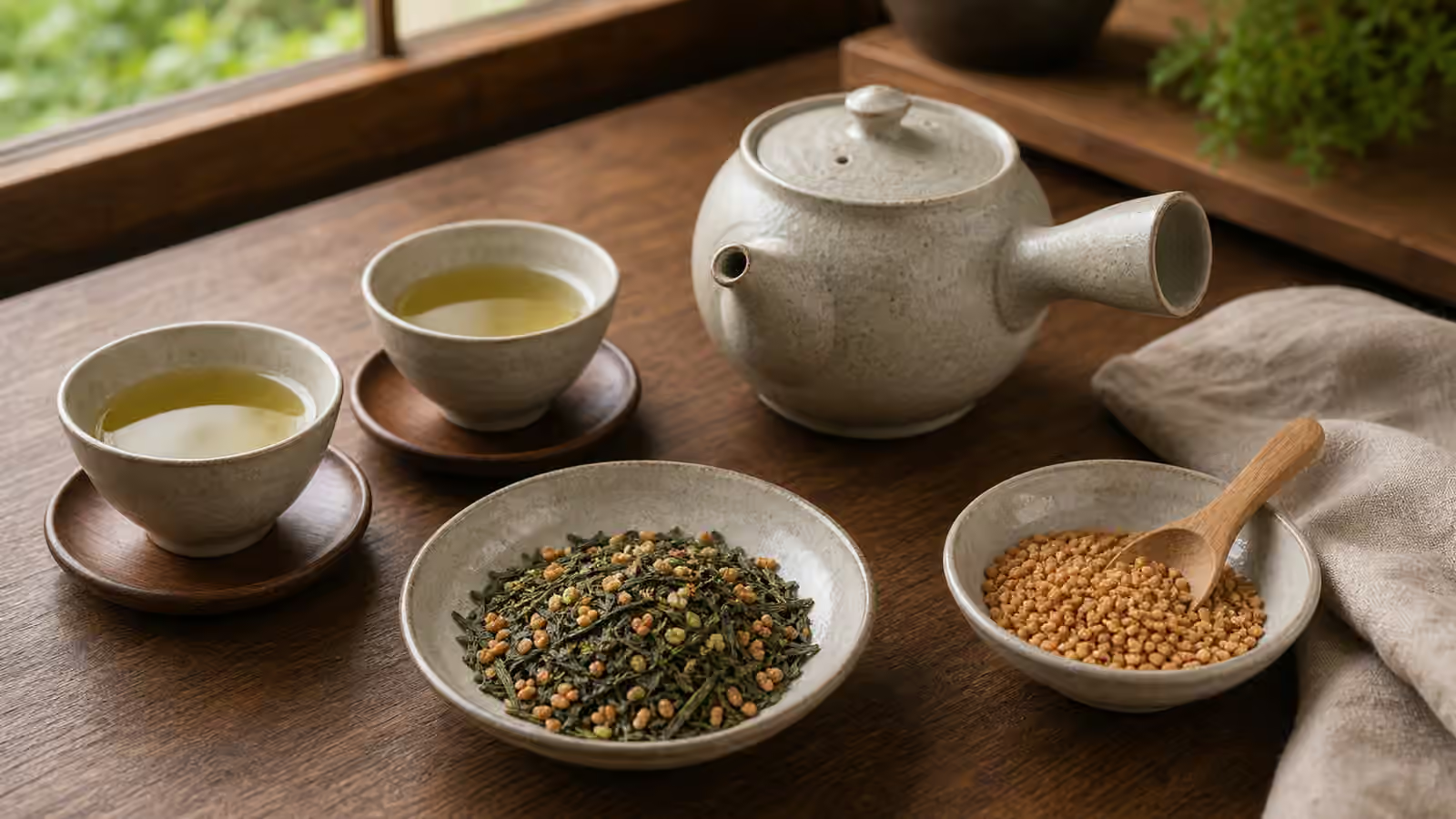
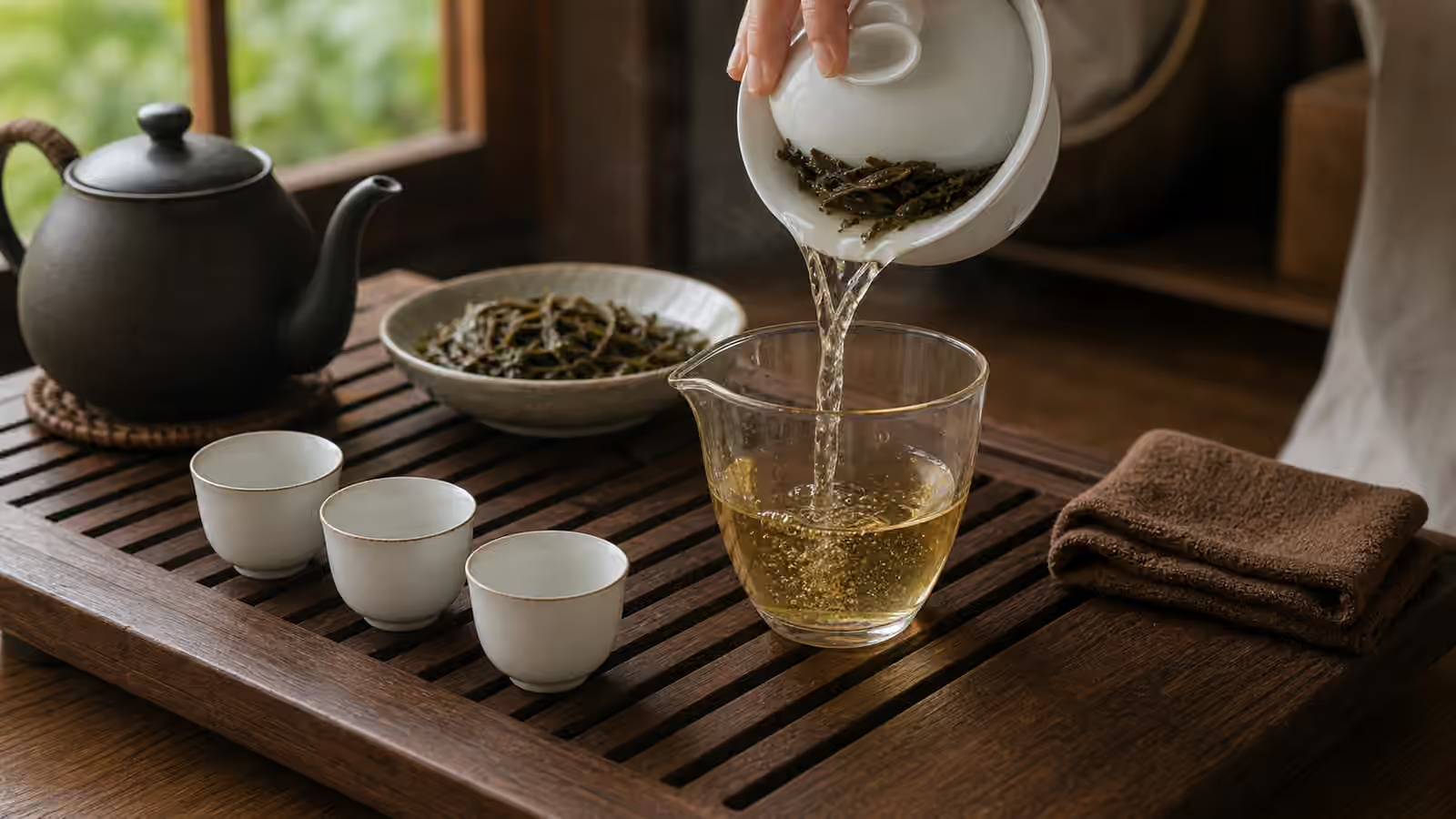
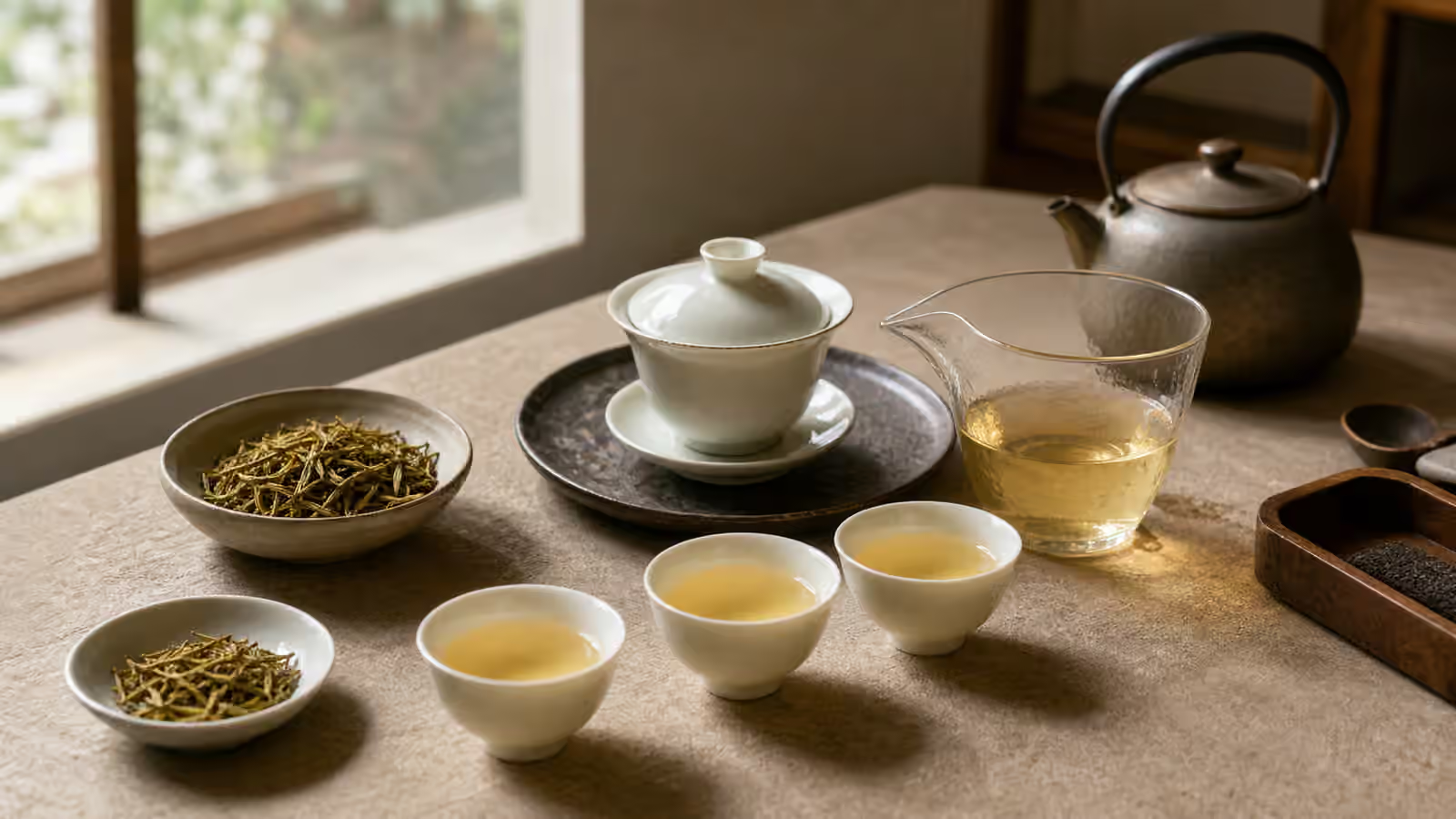
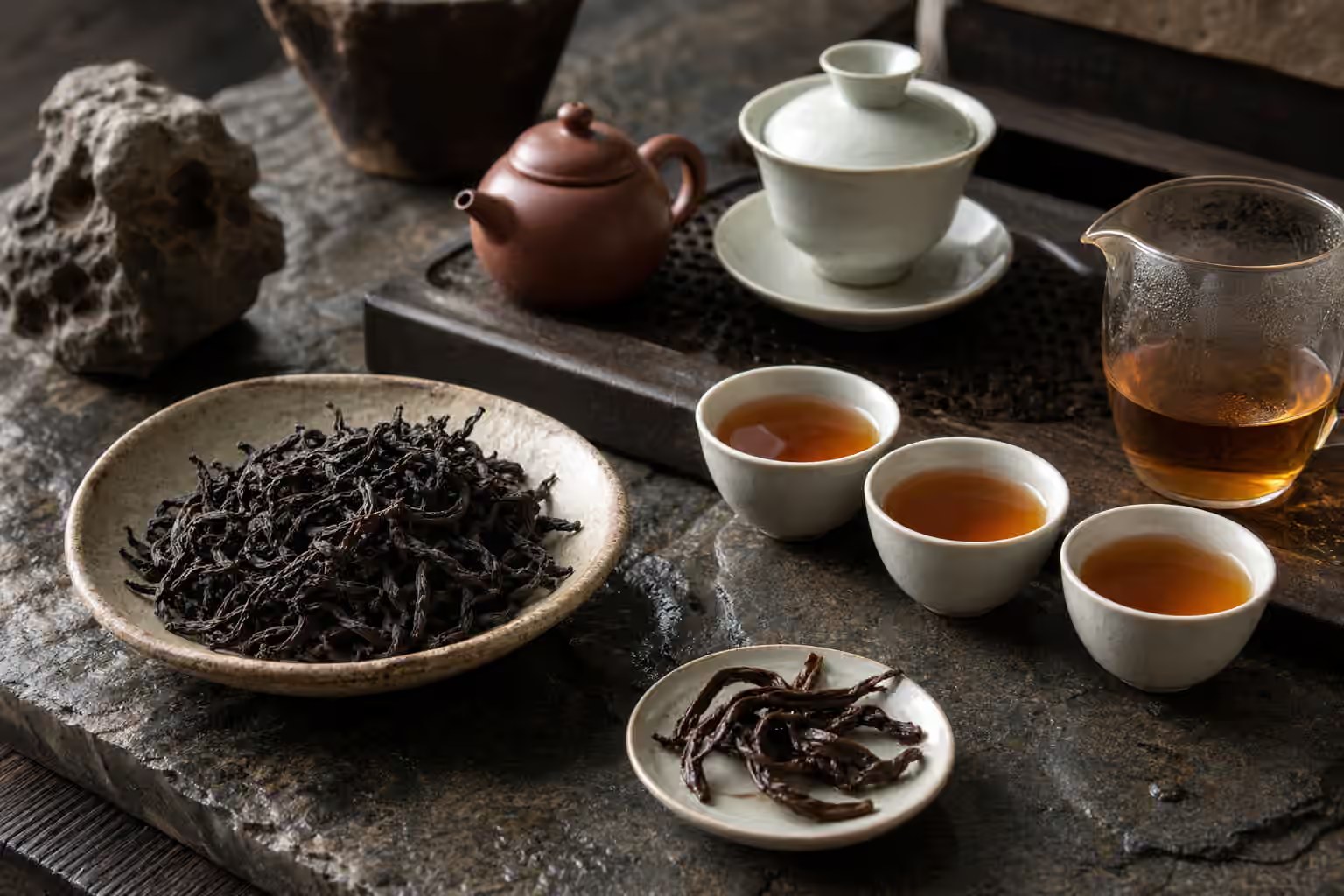
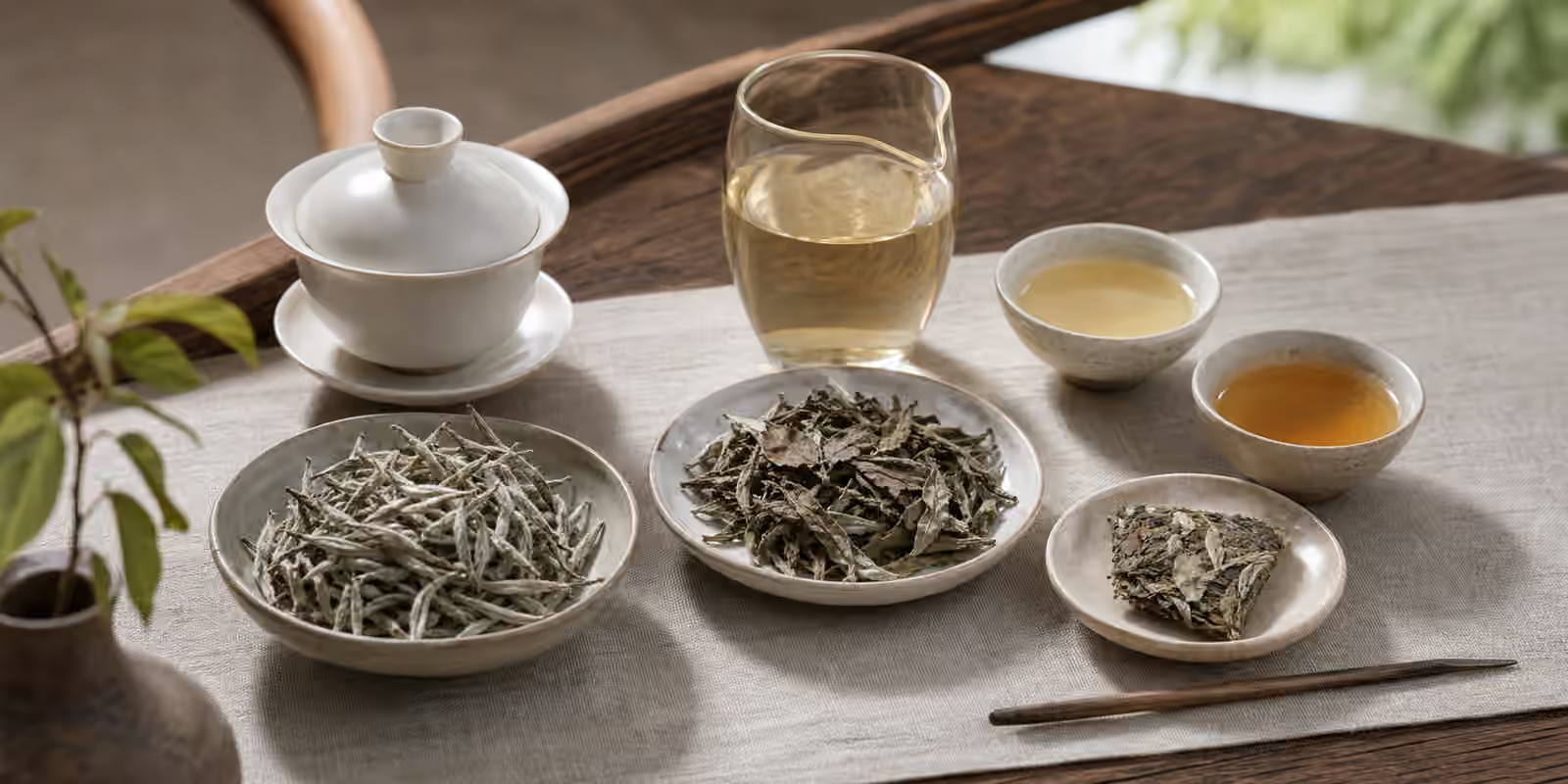
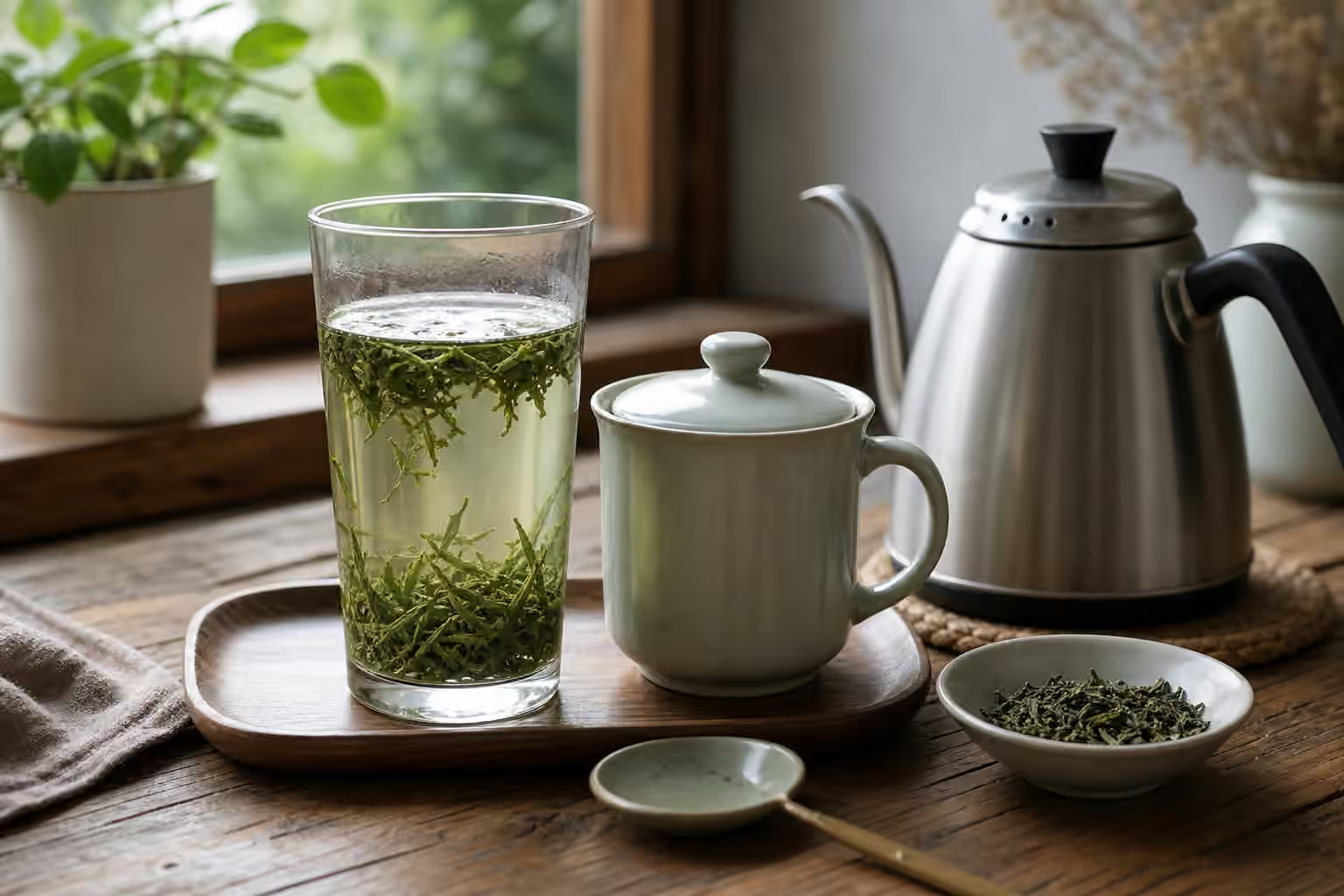
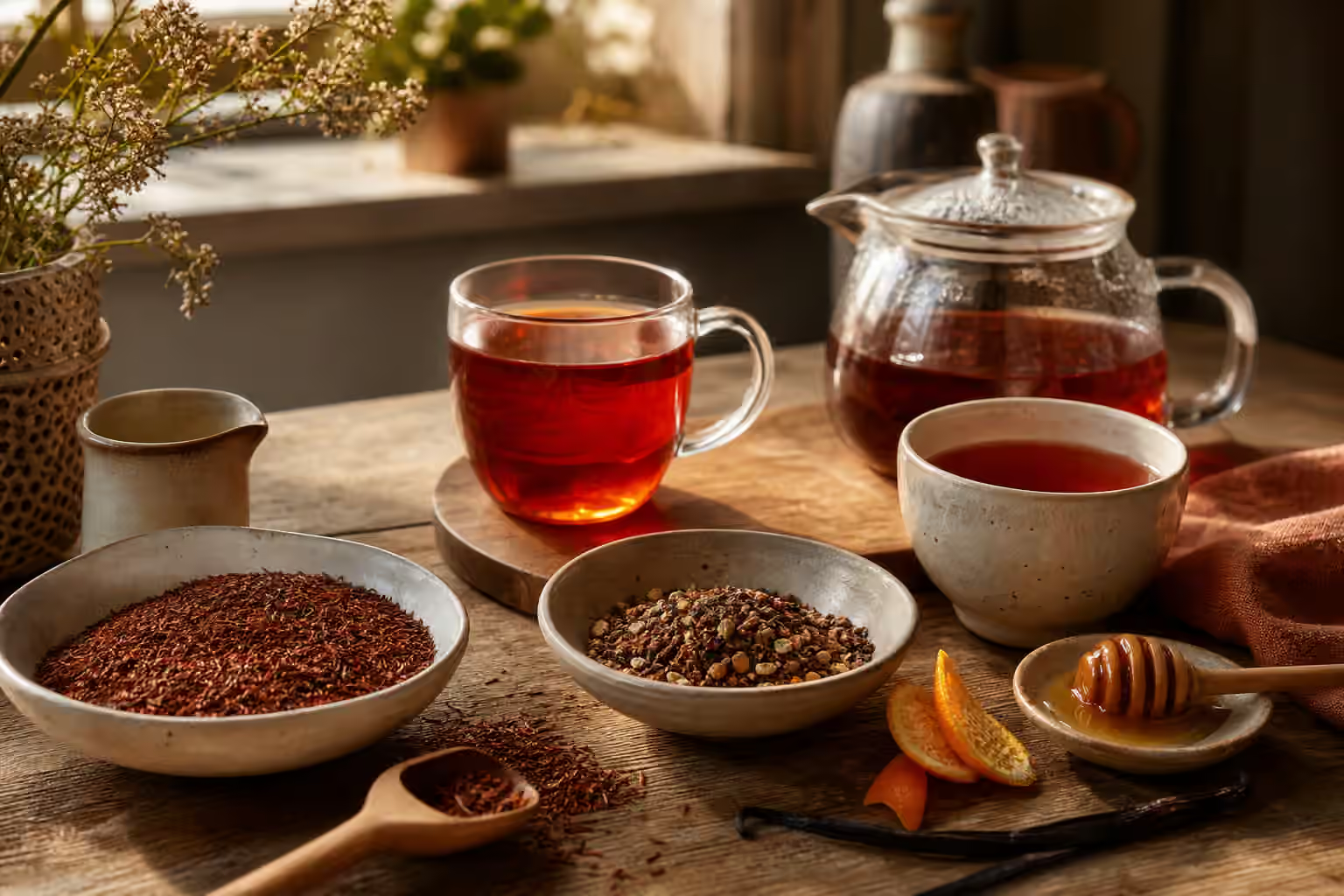
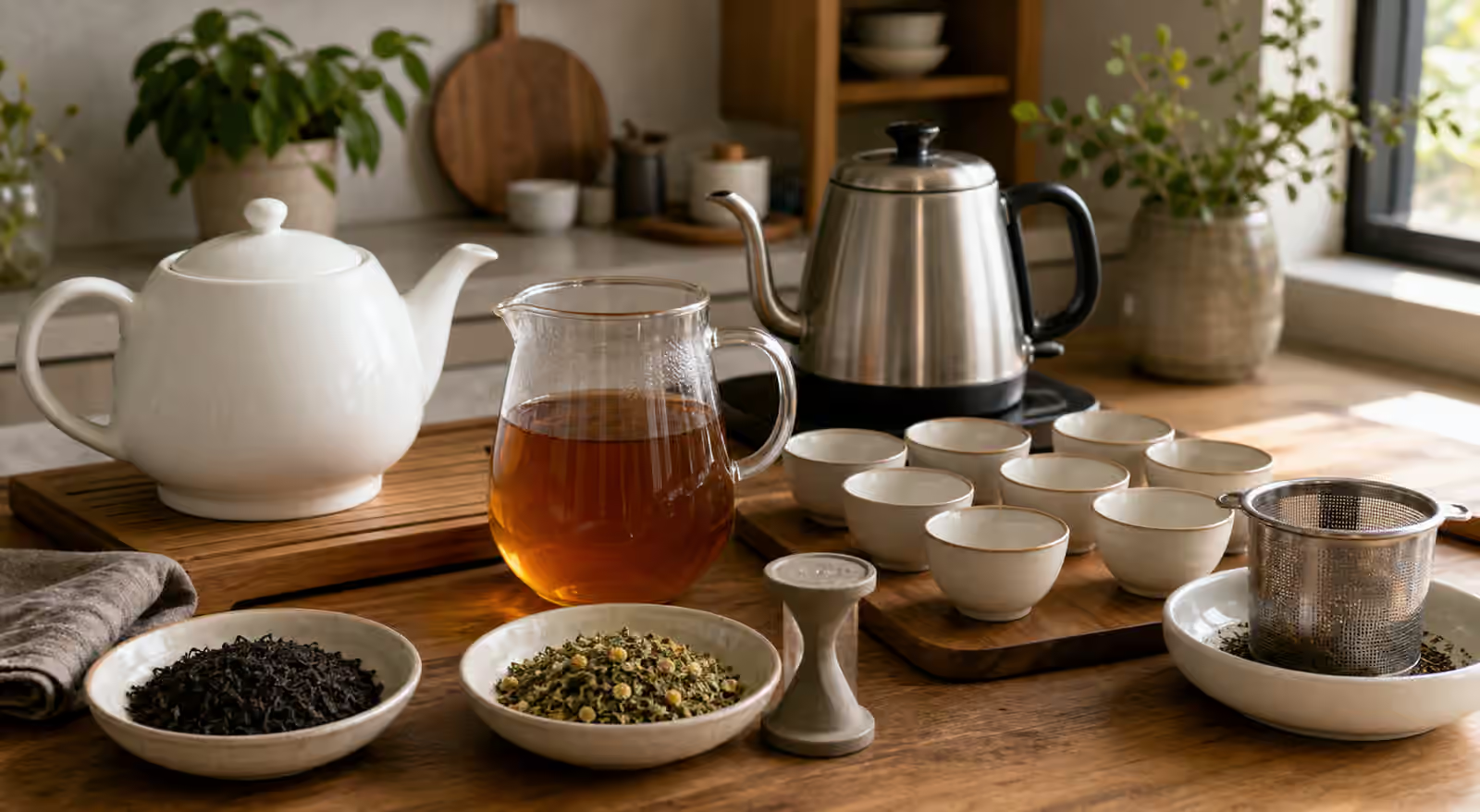
Good tea comes from four ordinary variables: leaf, water, heat, and time. These guidebooks treat brewing as a small craft rather than a performance. Change one variable at a time, taste the result, and write down what worked so the next cup improves. That habit matters more than any single purchase.
Start Here
Begin with The Tea House for Beginners: Leaf, Water, Heat, and Time and Tea Types Explained: Black, Green, Oolong, White, Pu-erh, and Herbal to connect the names on packages to what actually lands in the cup. Build a repeatable baseline with Brewing Temperature and Time Without Guesswork and Leaf-to-Water Ratio for Tea Without Guesswork , since most disappointing cups trace back to one of those two settings. When something still tastes off, Fix Bitter, Flat, or Weak Tea walks through which variable to adjust first, and Tea Water: Why the Same Leaves Taste Different explains why identical leaves behave differently at the office than at home. Once brewing feels steady, Build a Beginner Tea Shelf helps you buy a small, useful range instead of a drawer of regrets, and Tea Storage: Freshness, Light, Air, Heat, and Scent keeps those purchases tasting the way they did on arrival.
Tea Families Cluster
- Green Tea: Sencha, Dragonwell, Gunpowder, and Everyday Brewing
- Black Tea: Assam, Darjeeling, Ceylon, Keemun, and Breakfast Blends
- Oolong Tea: Light, Roasted, Rolled, and Complex
- White Tea: Gentle Leaves, Simple Brewing, and Subtle Flavor
- Pu-erh and Dark Teas for Beginners
- Yellow Tea: Gentle Processing, Soft Flavor, and Careful Brewing
- Roasted Teas: Hojicha, Oolong, and Toasted Depth
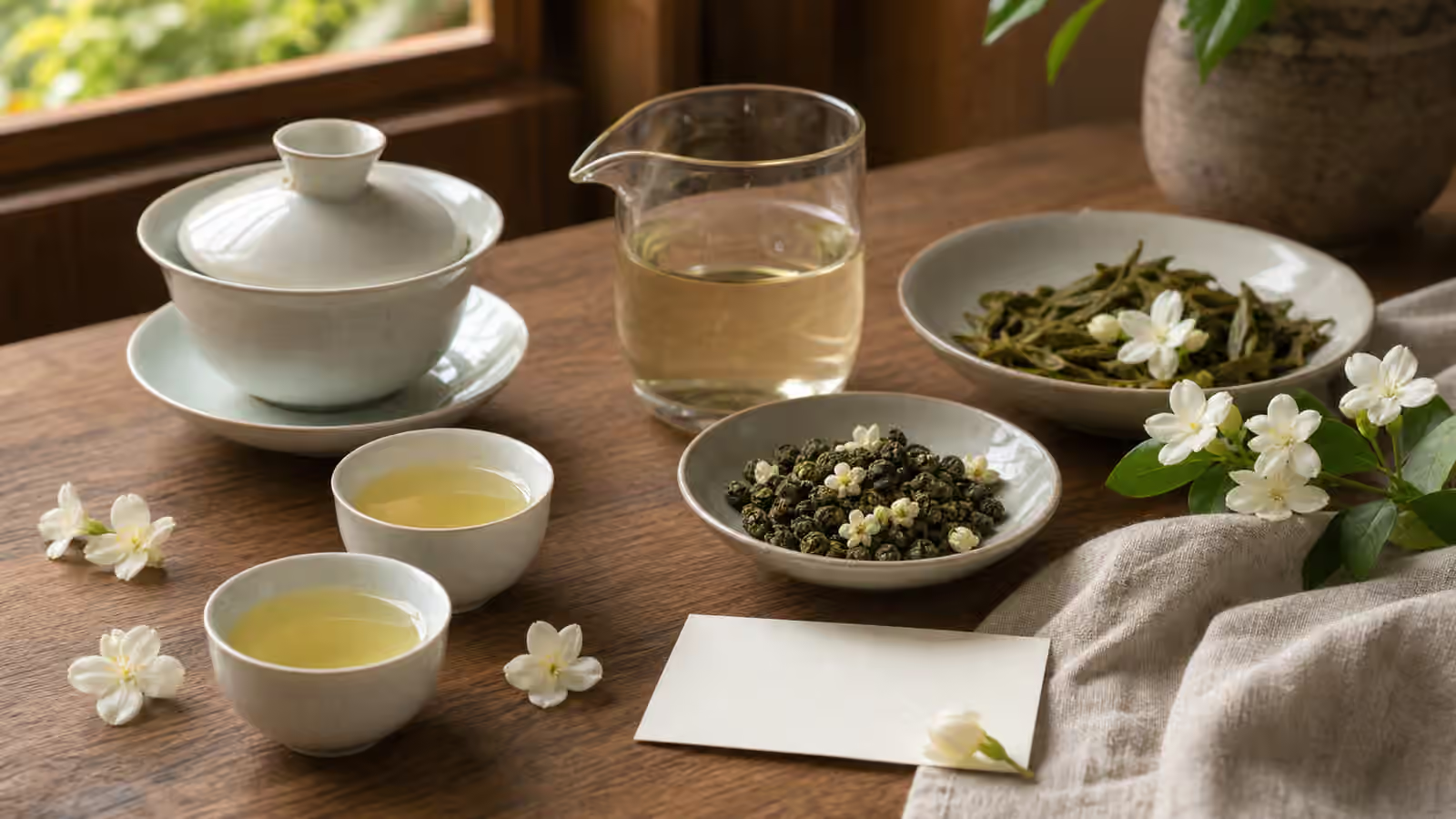
- Jasmine Tea: Scenting, Pearls, Blossoms, and Clear Brewing
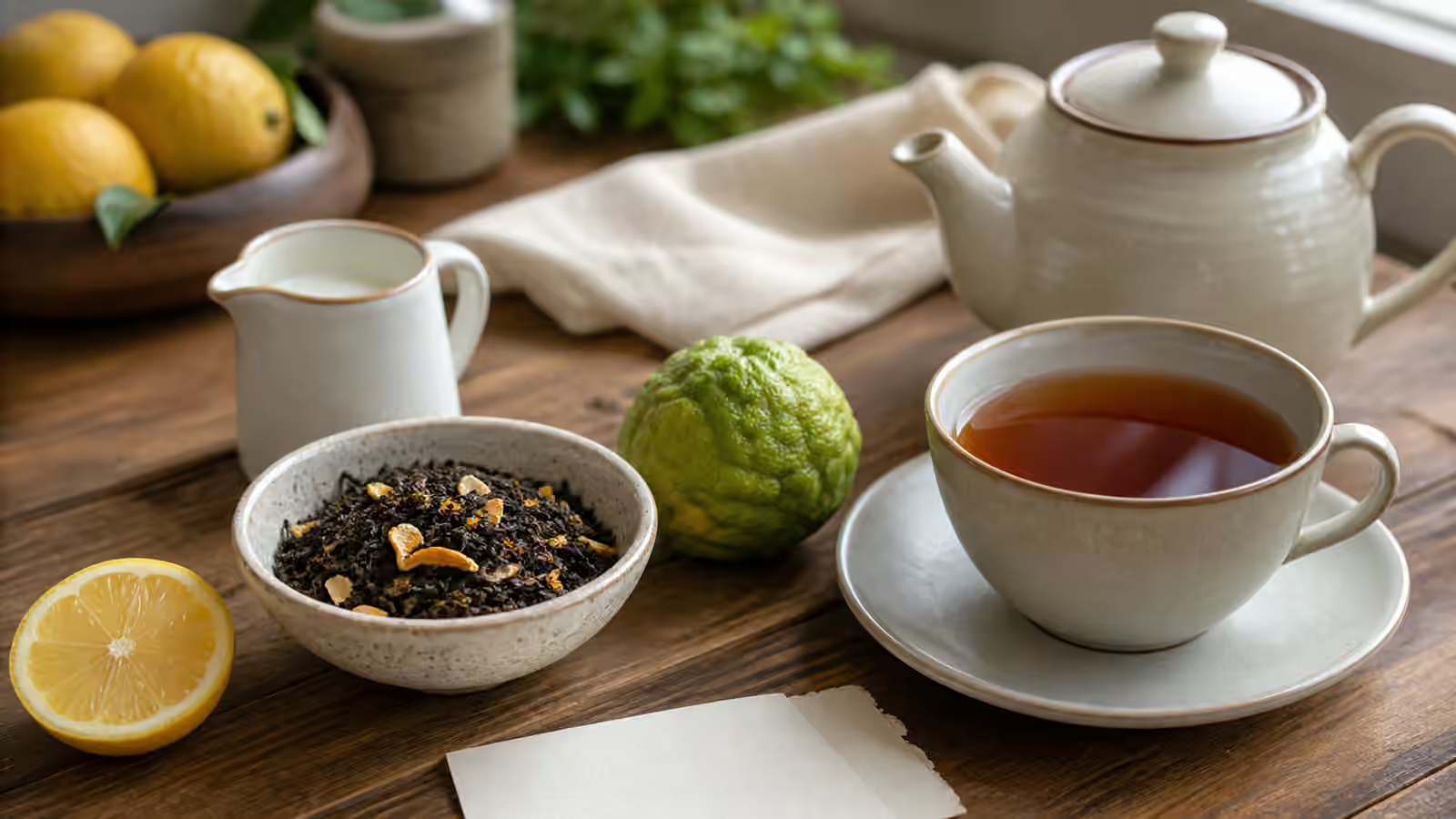
- Earl Grey and Bergamot Tea Without Muddy Flavor
- Herbal Infusions and Tisanes
- Rooibos and Honeybush: Red Herbal Infusions With Body
Origin Paths Cluster
- Chinese Tea Path: Green, Oolong, Black, White, and Pu-erh
- Japanese Tea Path: Sencha, Hojicha, Genmaicha, Gyokuro, and Matcha
- Indian Tea Path: Assam, Darjeeling, Nilgiri, and Everyday Black Tea
- Taiwanese Tea Path: Baozhong, High Mountain Oolong, Oriental Beauty, and Ruby Black
- Ceylon Tea Path: High-Grown, Mid-Grown, Low-Grown, and Everyday Sri Lankan Black Tea
- Korean Tea Path: Nokcha, Balhyocha, Hwangcha, and Roasted Grain Infusions
- Reading Tea Origin Names Without Getting Lost
- Tea Harvest Seasons and Flushes
- Tea Processing: Withering, Fixing, Oxidation, Rolling, and Drying
Brewing Practice Cluster
- Western Brewing vs. Gongfu Brewing
- Gongfu Tea for Beginners
- Gaiwan Pouring and Handling for Better Infusions
- Kyusu Brewing for Japanese Green Tea
- Grandpa Style Tea Brewing: Loose Leaves, Open Cups, and Everyday Refills
- Cold Brew Tea
- Iced Tea Without Bitterness
- Re-Steeping Tea Leaves Without Losing the Thread
- Matcha for Beginners
- Matcha Tools: Whisks, Bowls, Sifters, and Scoops
- Chai at Home: Spice, Milk, Tea, and Sweetness
- Tea Lattes Without Muddy Flavor
Teaware and Routine Cluster
- Teapots, Gaiwans, Kyusu, and Infusers
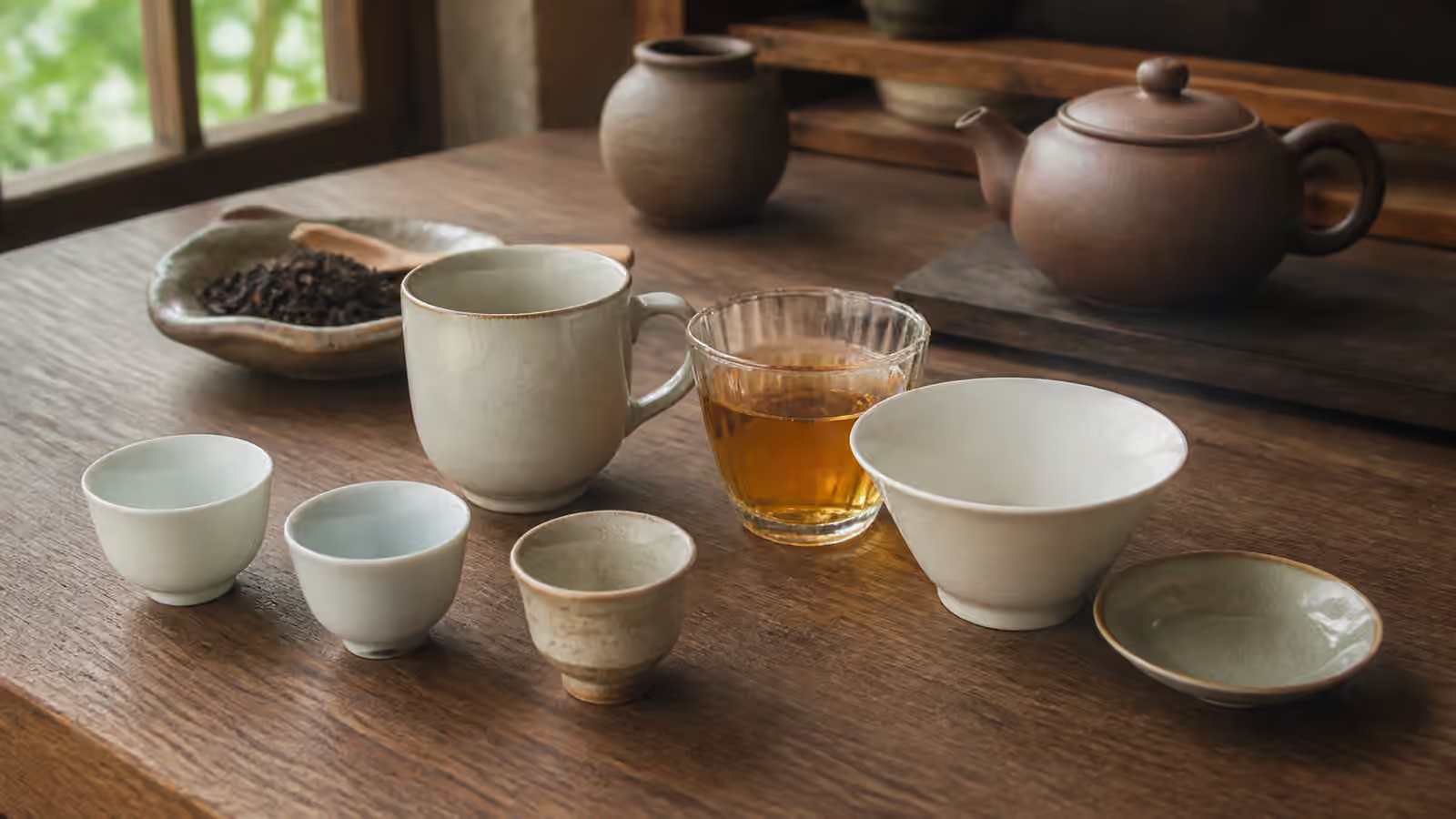
- Tea Cups and Drinking Vessels Shape the Sip
- Electric Kettles and Temperature Control
- Unglazed Clay Teapots Without Mystique
- Cleaning and Caring for Teaware
- Tea Buying Without Getting Lost
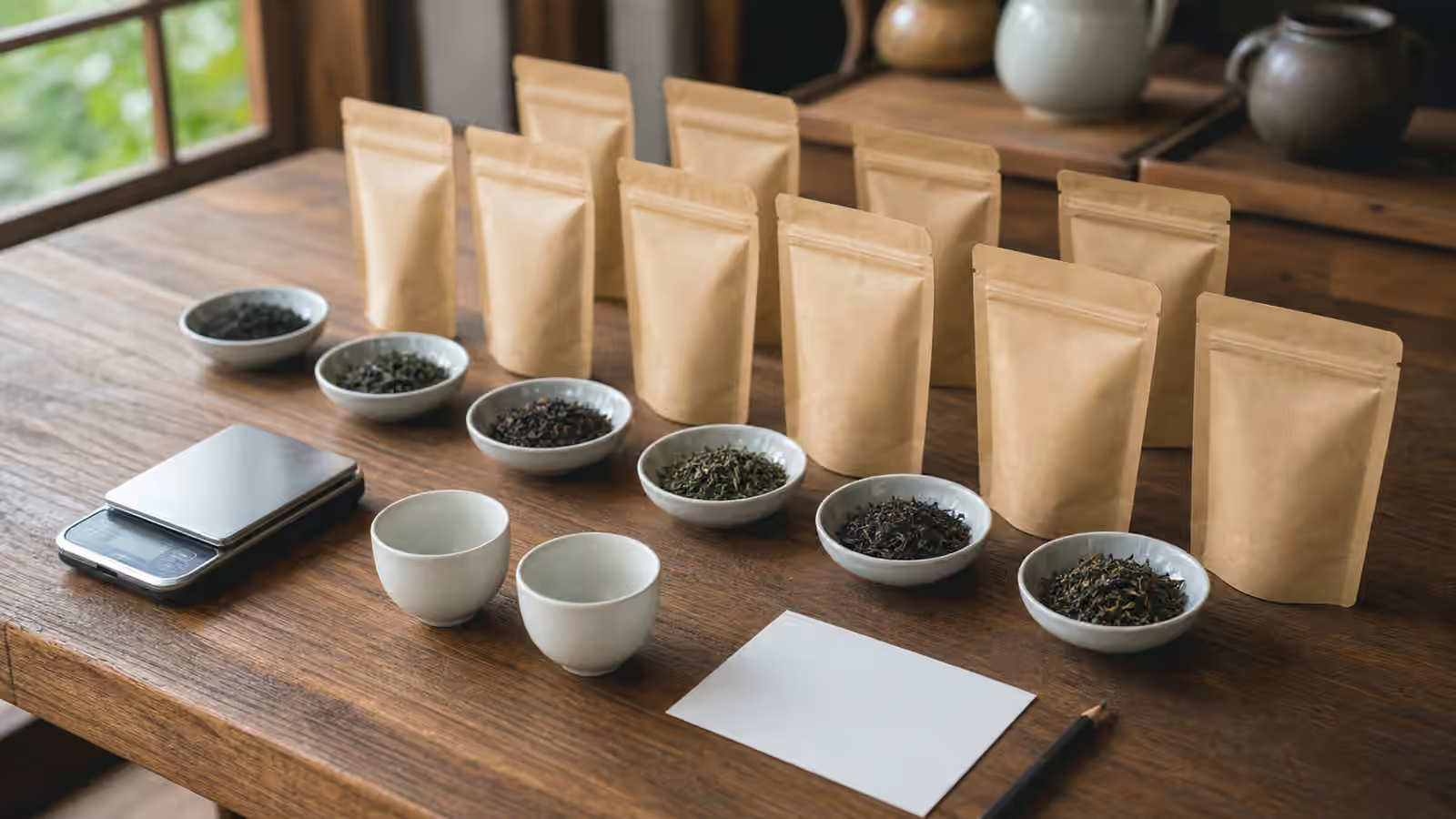
- Tea Samples and Small Orders Without Shelf Clutter
- Office and Travel Tea Setup
- Caffeine in Tea: Strength, Timing, and Sensitivity
- Decaf Tea and Low-Caffeine Tea Routines
- Tasting Tea Without Pretension
- Host a Tea Tasting at Home
- Tea Pairing With Breakfast, Dessert, Cheese, and Snacks
You do not need to read this library in order. Pick the guide that matches tonight’s cup, brew it once with attention, and jot a single note about what you tasted. A season of small notes teaches more than a shelf of rare leaves, and the guides will still be here when the next question steeps.