

The Common Table
Tiny Table, First Four: Why Small Is the Social Design Advantage
Use a four-person table as the easiest starting scale for conversation, safety, timing, and repeat invitations.
The Common Table
Use a four-person table as the easiest starting scale for conversation, safety, timing, and repeat invitations.
Jewish Life Guide
A narrative beginner guide to kosher food practice, kitchen separation, certifications, hosting, and respectful …
Cheese Atlas
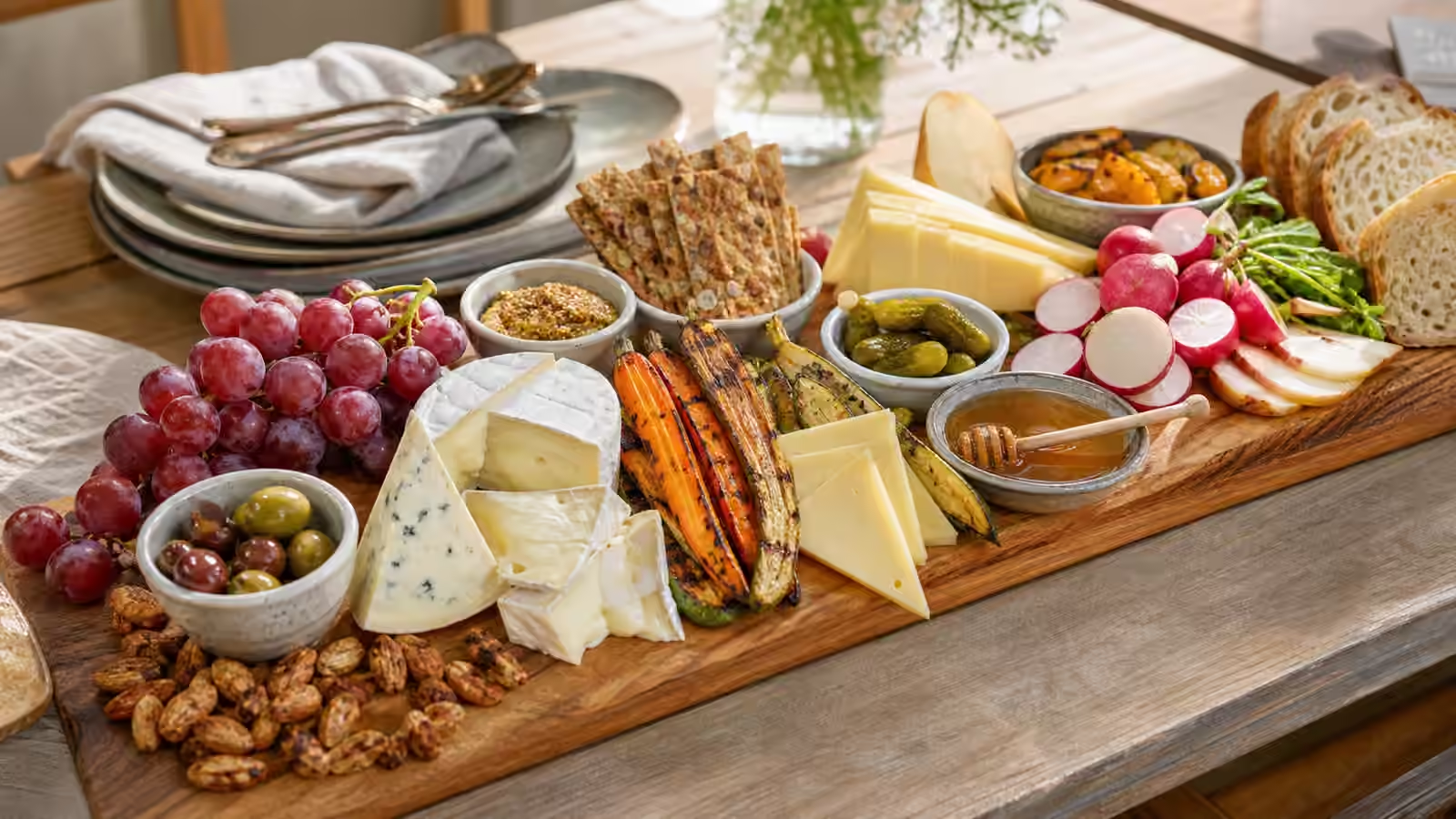
A practical guide to building generous cheese boards without cured meats, using vegetables, pickles, nuts, bread, …
Cheese Atlas
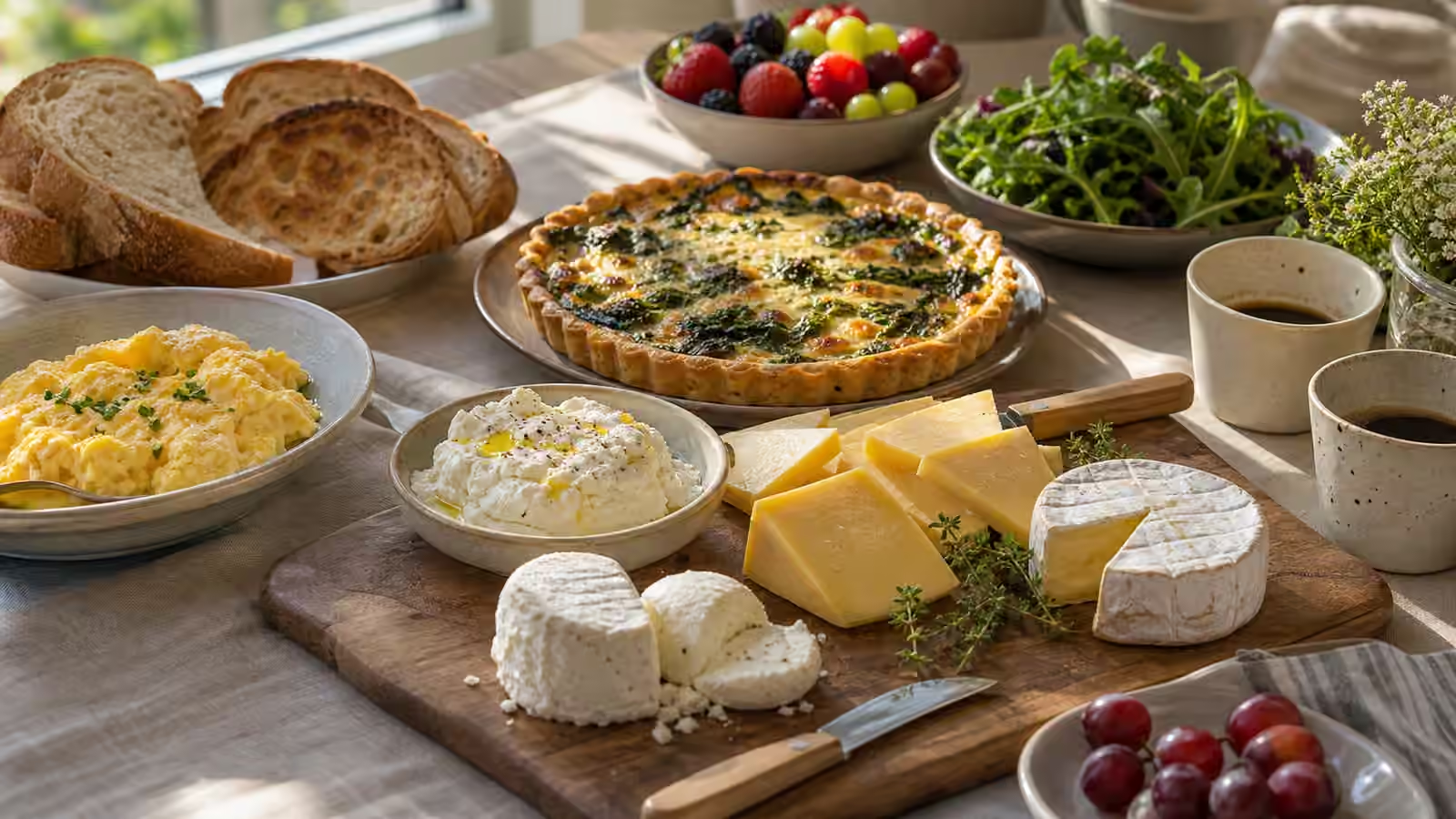
A practical guide to using cheese at brunch, from eggs and toast to savory tarts, fruit plates, baked dishes, and …
Cheese Atlas
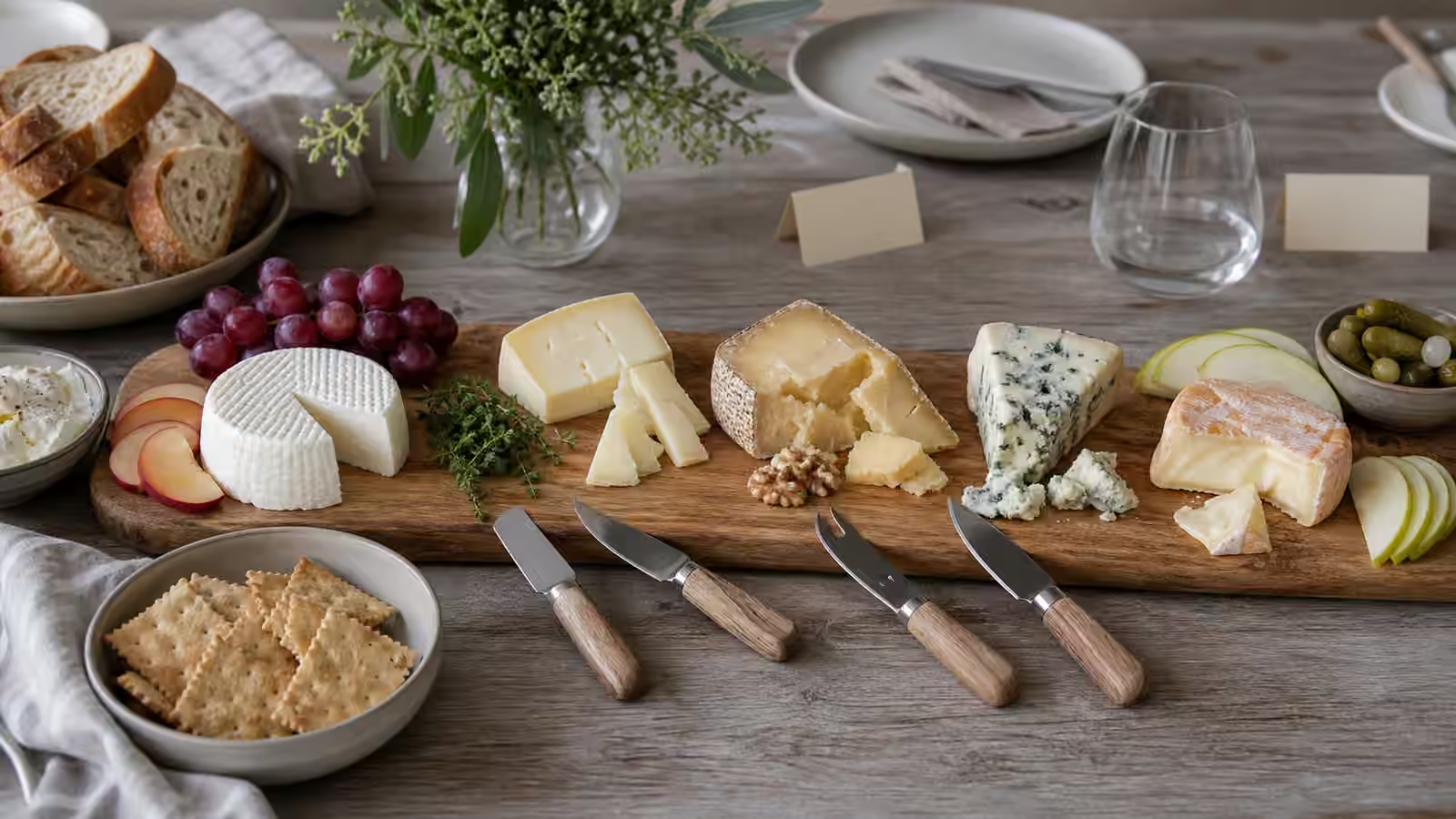
A practical guide to buying and serving cheese for groups with different tastes, using intensity, texture, labels, …
Cheese Atlas
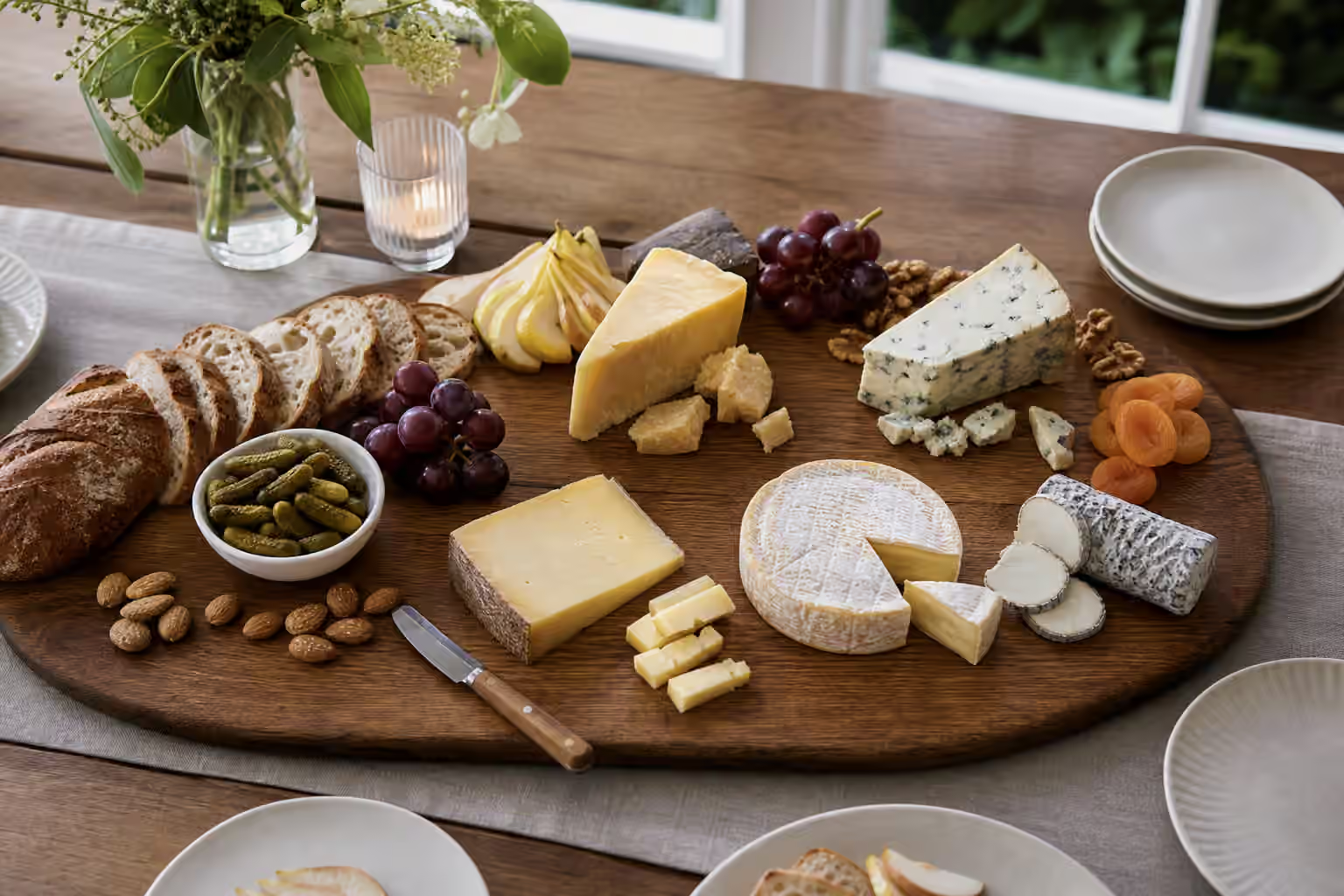
A practical guide to planning cheese portions for gatherings, including board size, style mix, timing, accompaniments, …

The Common Table
Pick the ritual shape first so food, drinks, timing, and invitations support the same recurring promise.

The Common Table
Make alcohol-free drinks the default design layer with texture, glassware, temperature, and no explanation required.

The Common Table
Arrange chairs, food, and paths so a small room supports movement, quieter guests, and clean exits.

The Common Table
Create a closing cleanup beat that restores the room, gives guests a light role, and protects the host from resentment.

The Common Table
Send simple follow-up that thanks, remembers, and names the next step without demanding emotional processing.

The Common Table
Grow a small gathering by changing structure, seating, food, and openings before the guest list doubles.

The Common Table
Evaluate a small ritual by repeatability, ease, warmth, clarity, and return rather than compliments or photos.

The Common Table
Make recurring hospitality workable in shared homes by asking housemates, partners, family, or roommates about space, …