

AI Agents
AI Agent Status Updates: How Delegates Should Report Progress
How AI agents should communicate progress, blockers, evidence, changes, and next actions during delegated work without …
AI Agents
How AI agents should communicate progress, blockers, evidence, changes, and next actions during delegated work without …

AI Agents
How to use dry runs, simulations, previews, and rehearsal environments so AI agents can prove their path before touching …

AI Agents
How to design escalation paths for AI agents so uncertainty, missing access, risk, and blocked work reach the right …

AI Agents
How to design AI agent outputs as durable artifacts with evidence, provenance, versioning, validation, and handoff …

AI Agents
How to measure AI agent workflows with completion quality, review burden, override rates, queue health, cost, …

AI Agents
How to design AI agent workflows so retries, duplicate tool calls, partial failures, approvals, and recovery paths do …
AI Agents
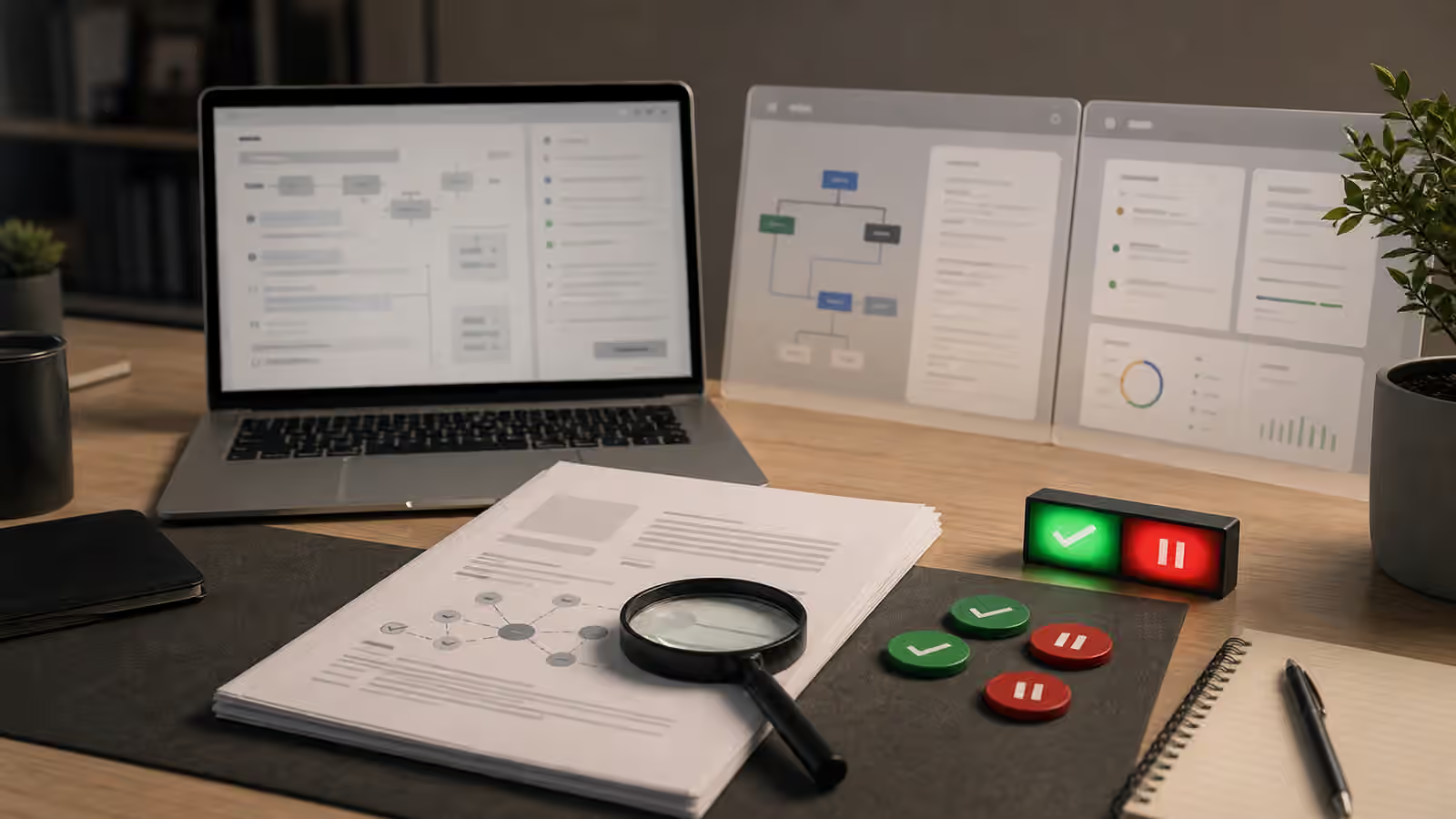
How to verify AI agent outputs against the original task, source evidence, tool results, permissions, tests, and handoff …

AI Agents
How to route AI agent work by task shape, risk, tool access, model effort, review burden, and escalation path before a …
AI Agents
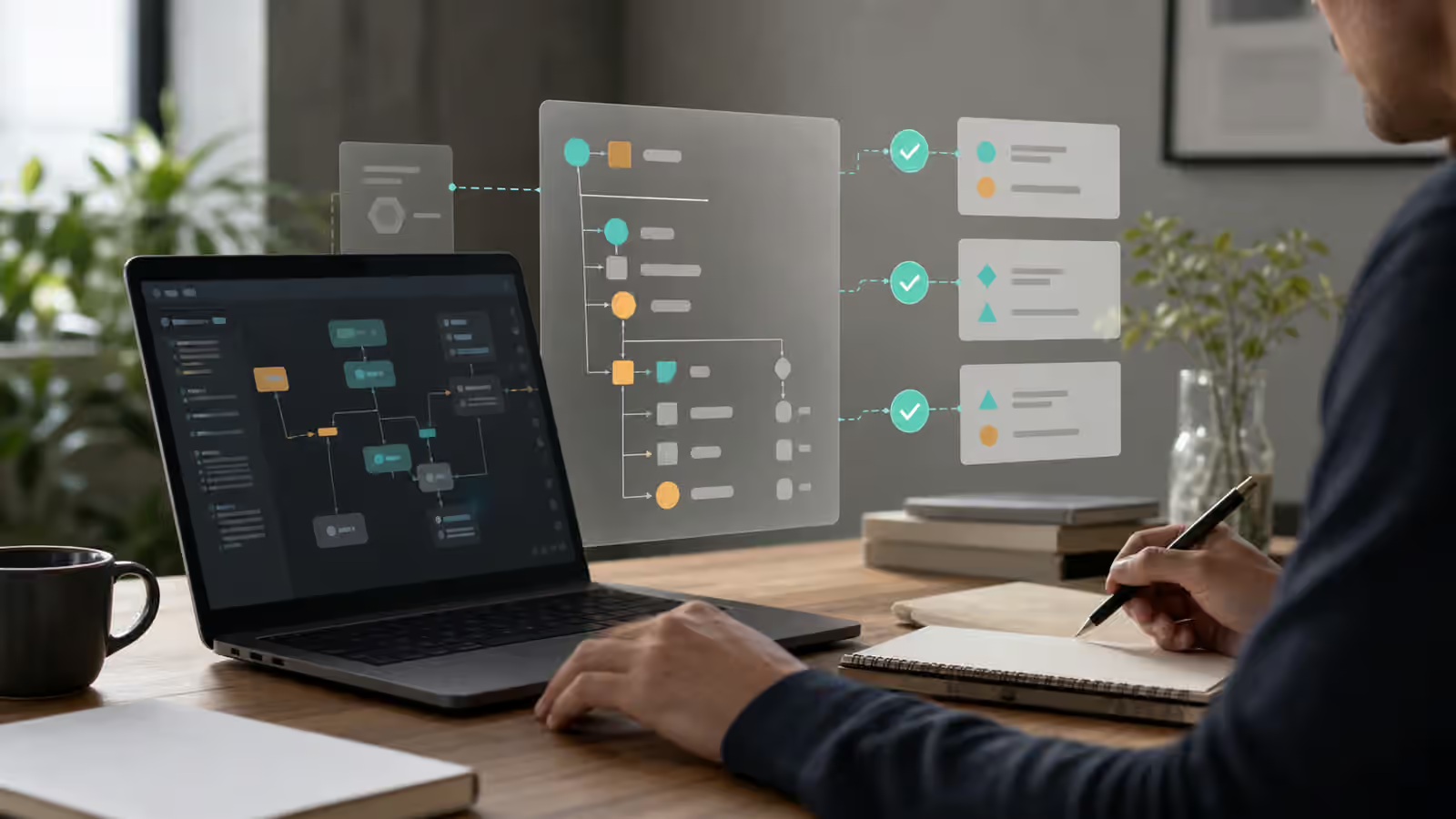
How to design structured AI agent outputs with schemas, validation, evidence fields, uncertainty, and handoffs that …

AI Agents
How to keep AI agent workflows stable by making tools, packages, files, APIs, schemas, credentials, tests, and runtime …

AI Agents
How to model AI agent run state across queues, tools, checkpoints, approvals, side effects, validation, handoff, and …

AI Agents
How to design AI agent checkpoints that preserve task state, evidence, decisions, partial work, and review context so …