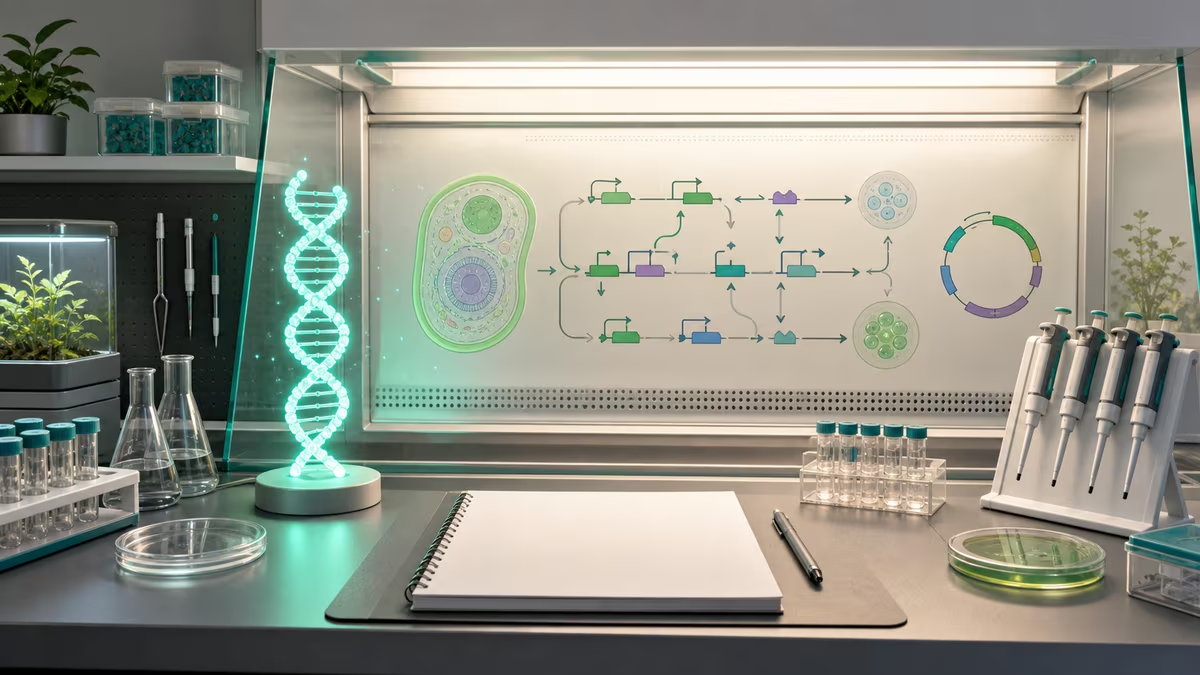
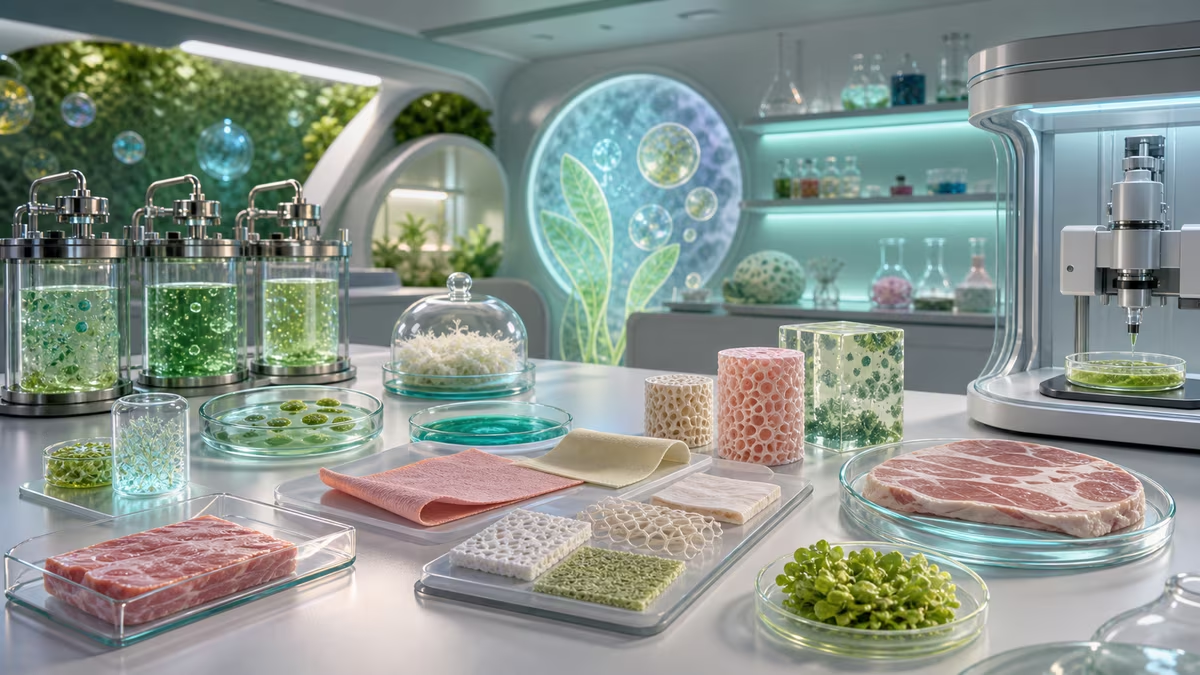
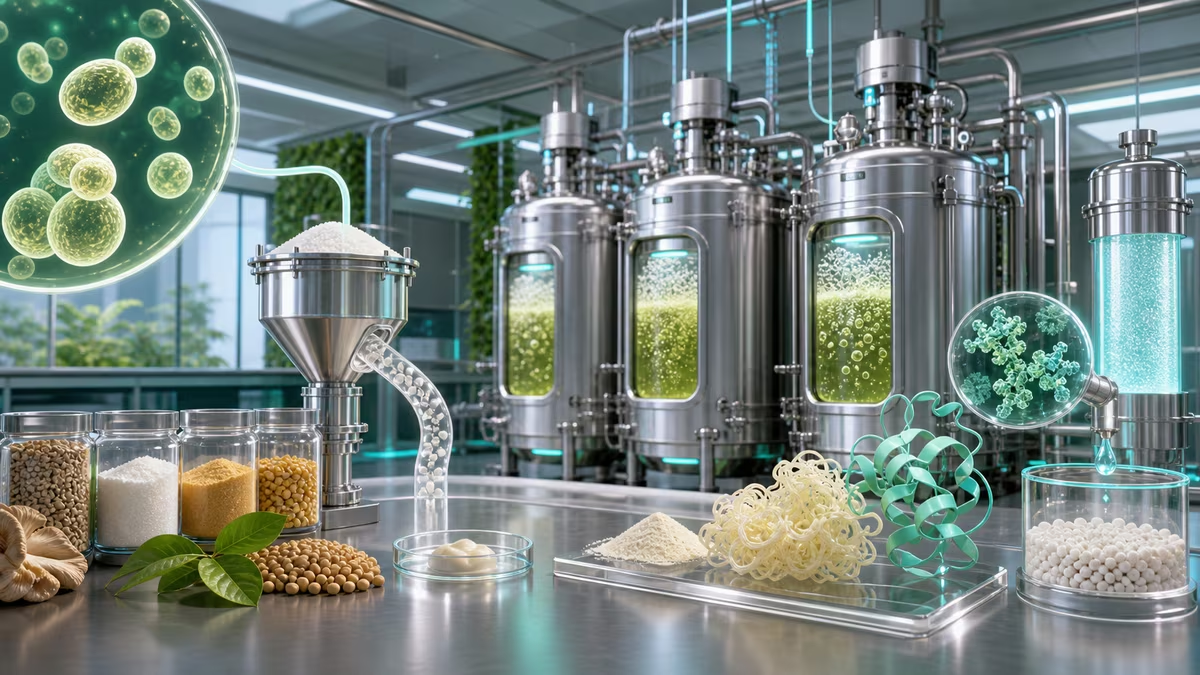
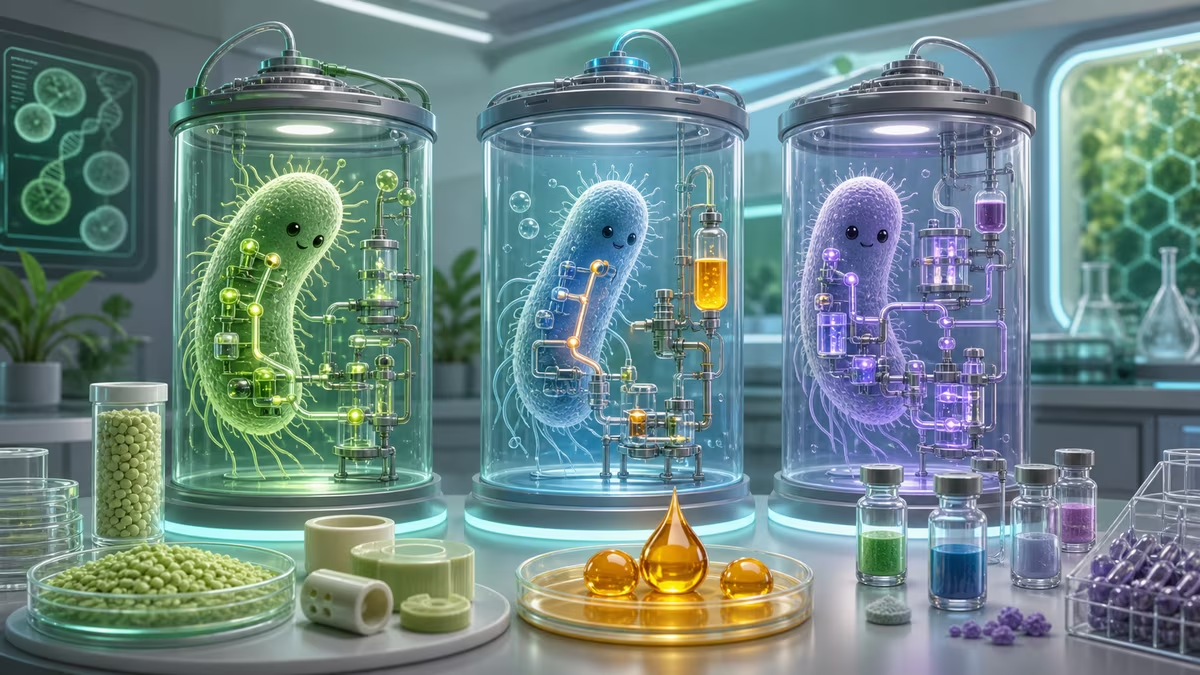
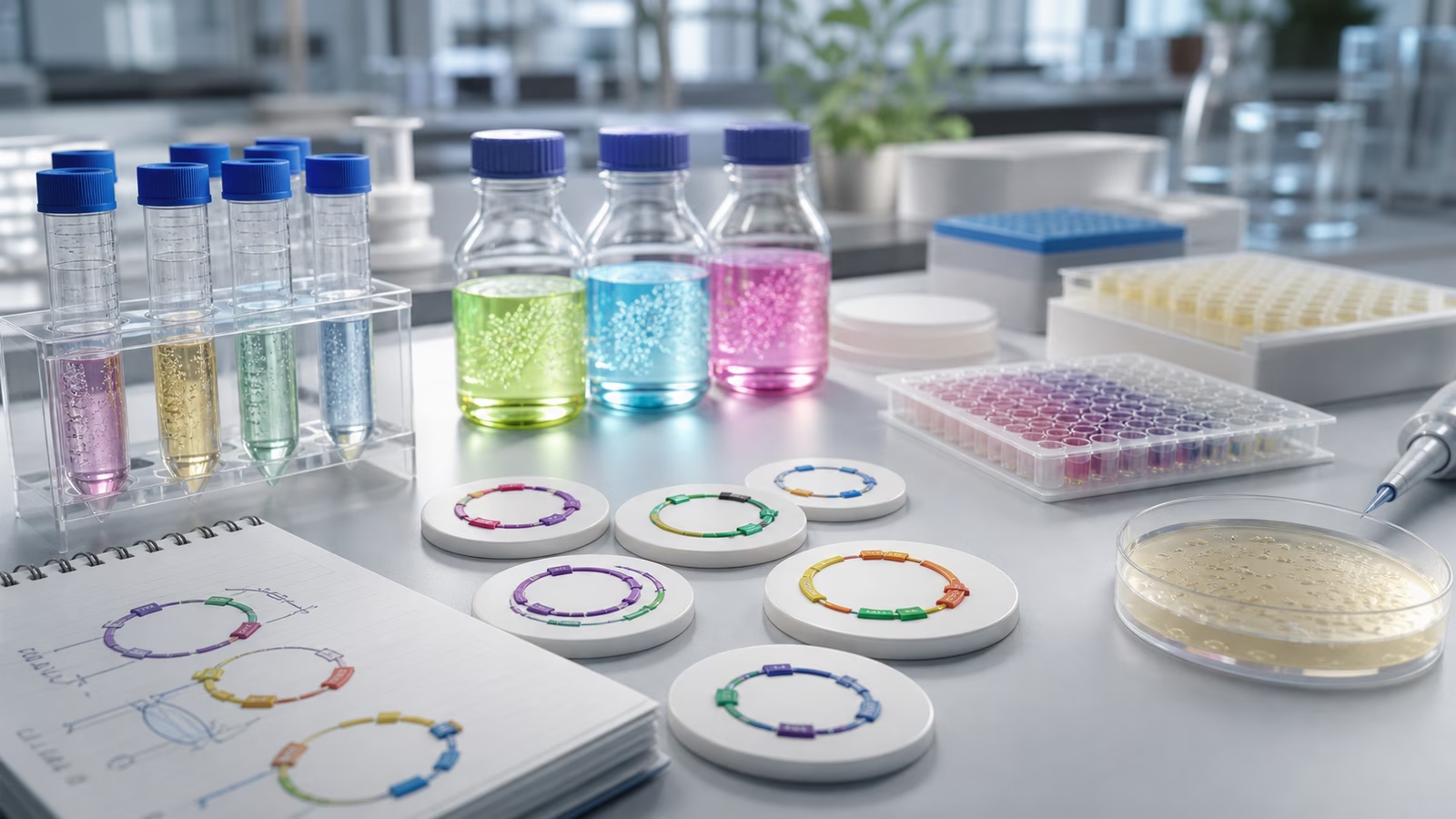
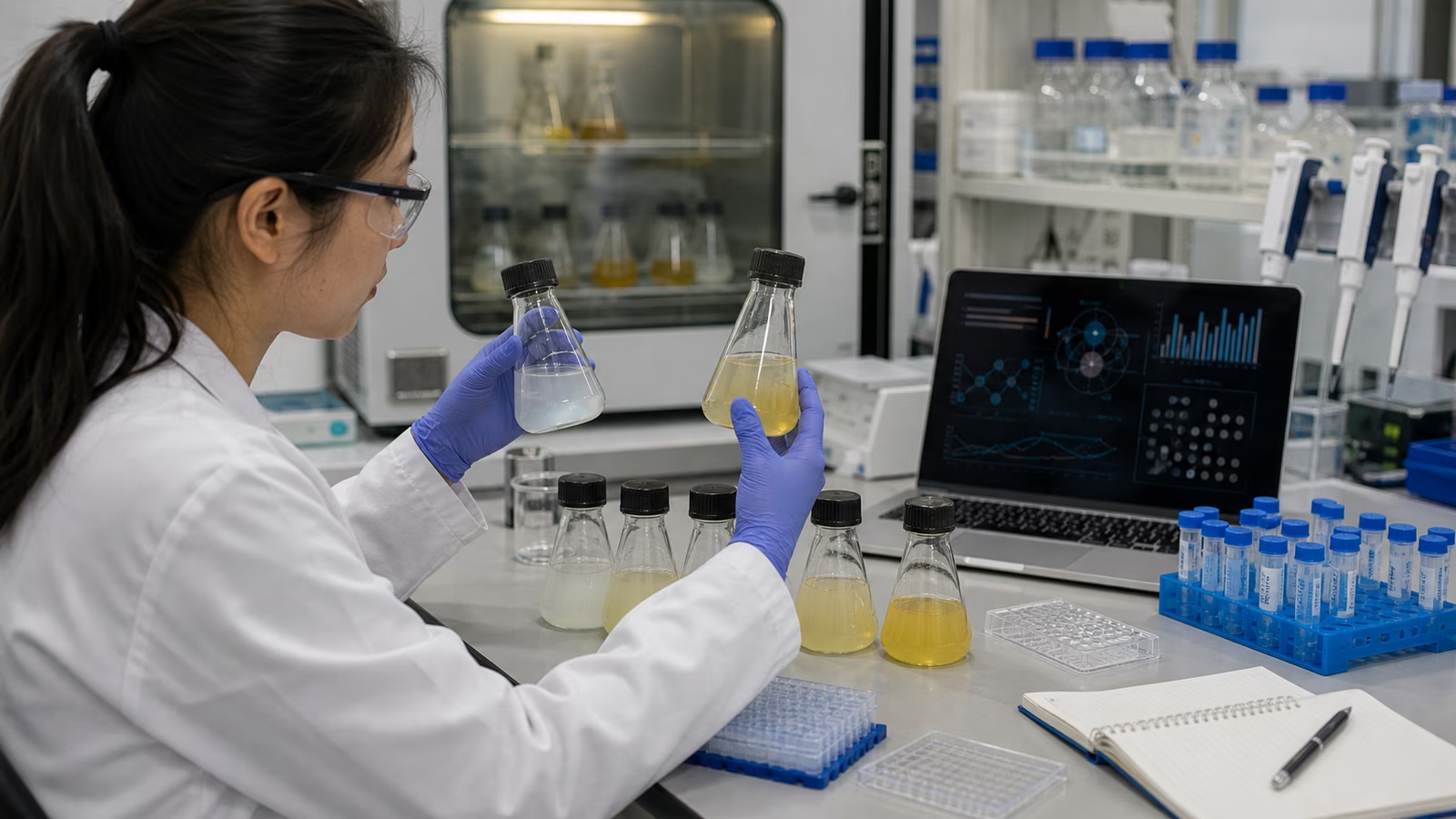
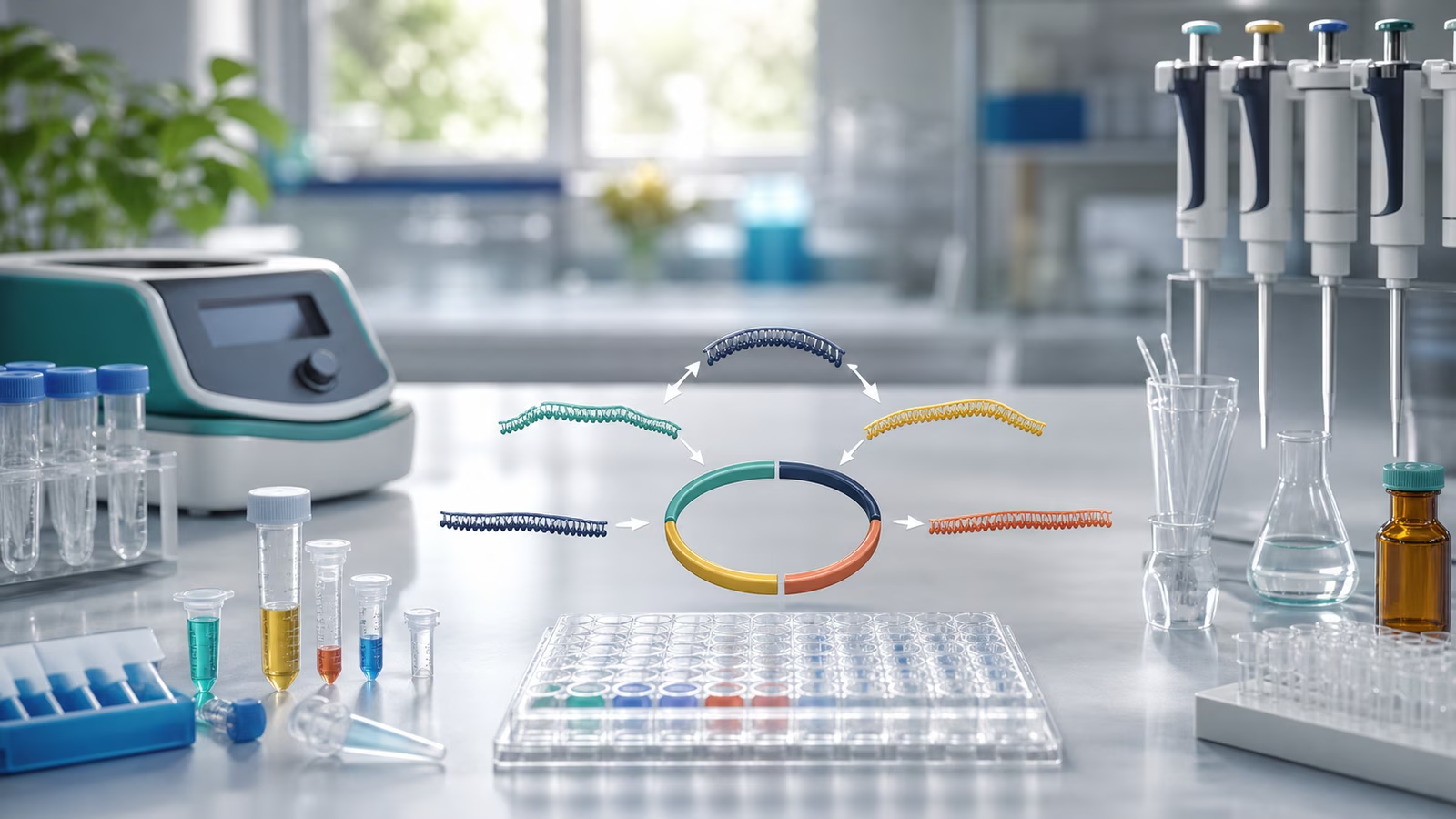
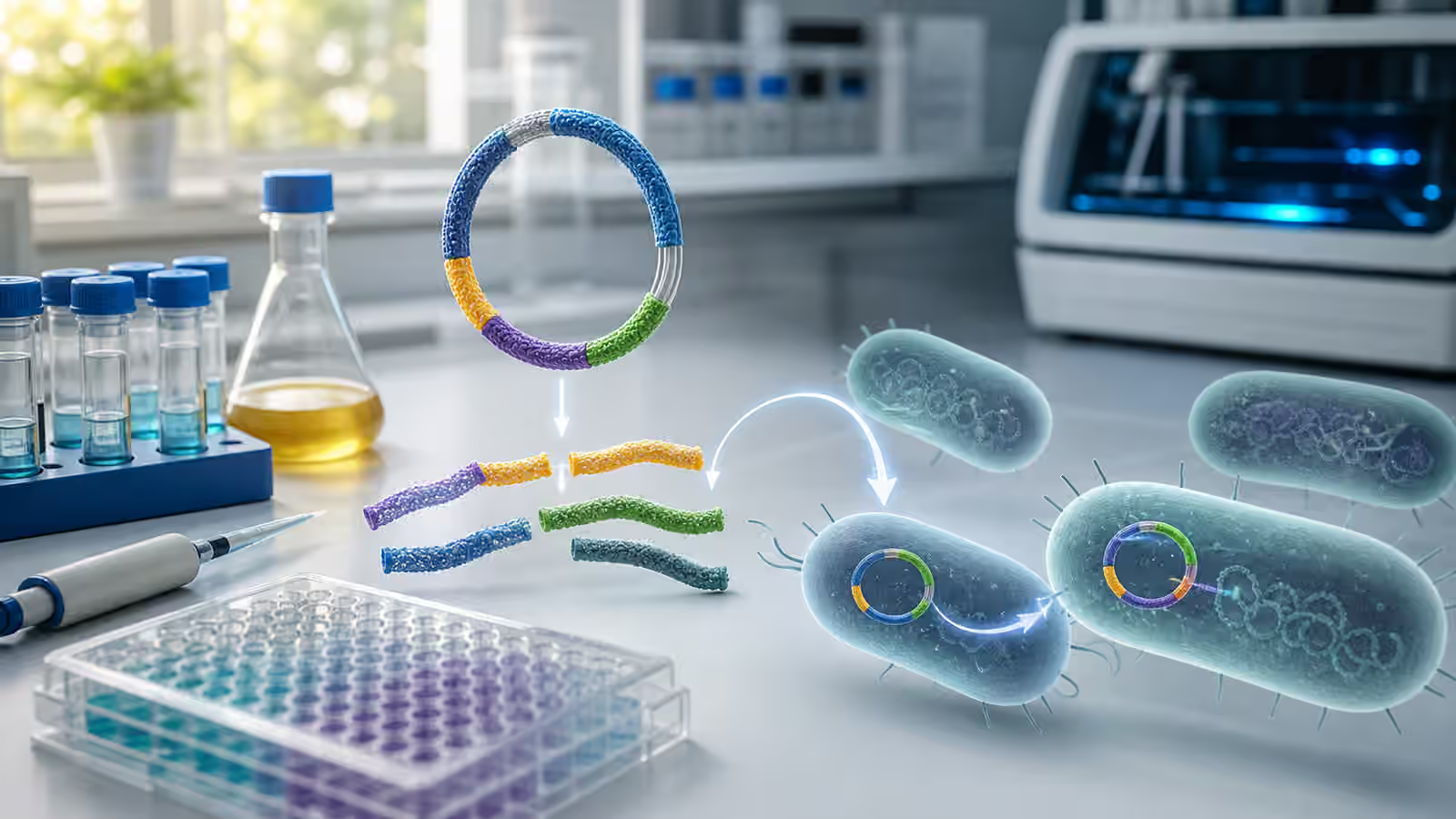
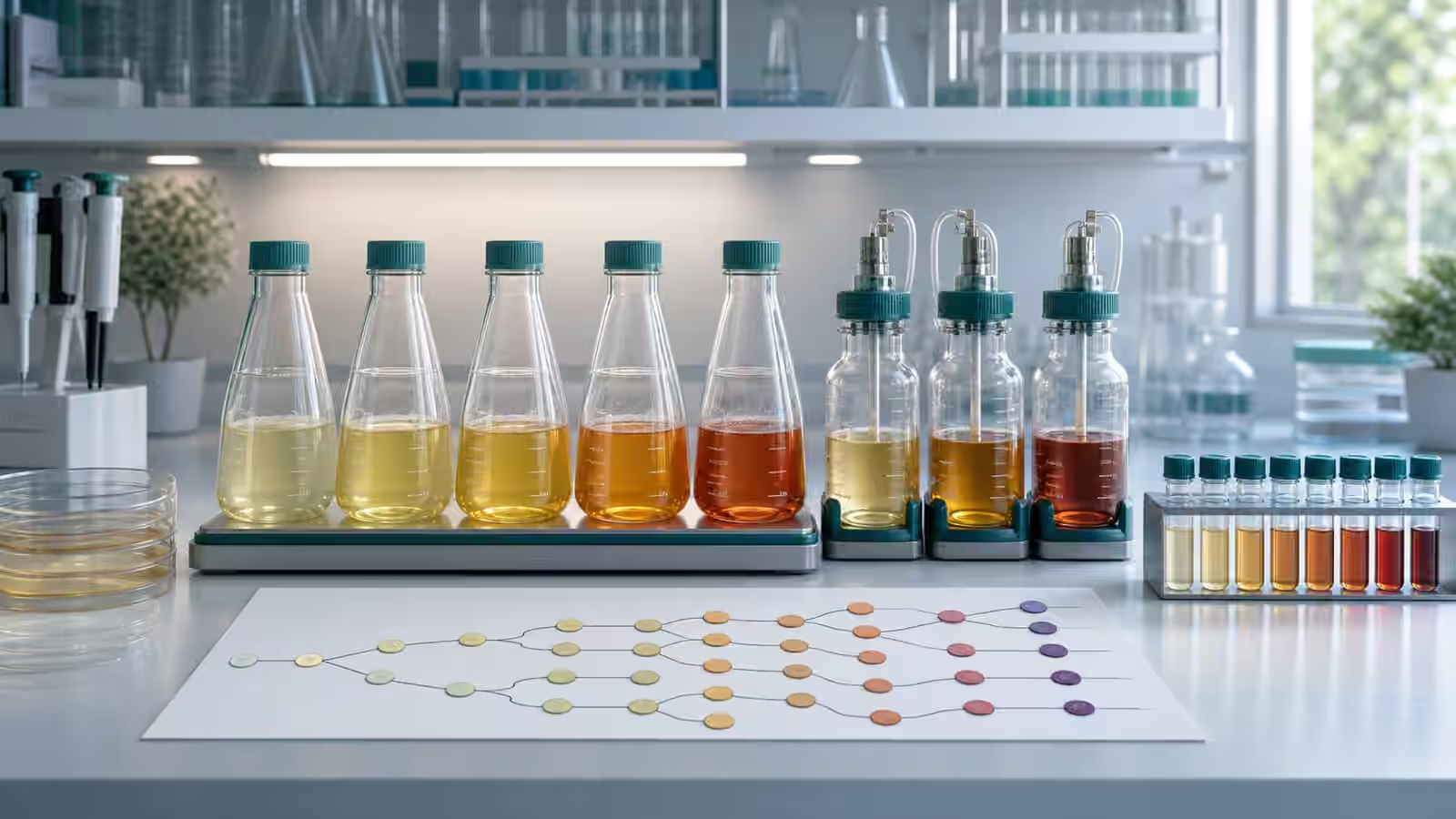
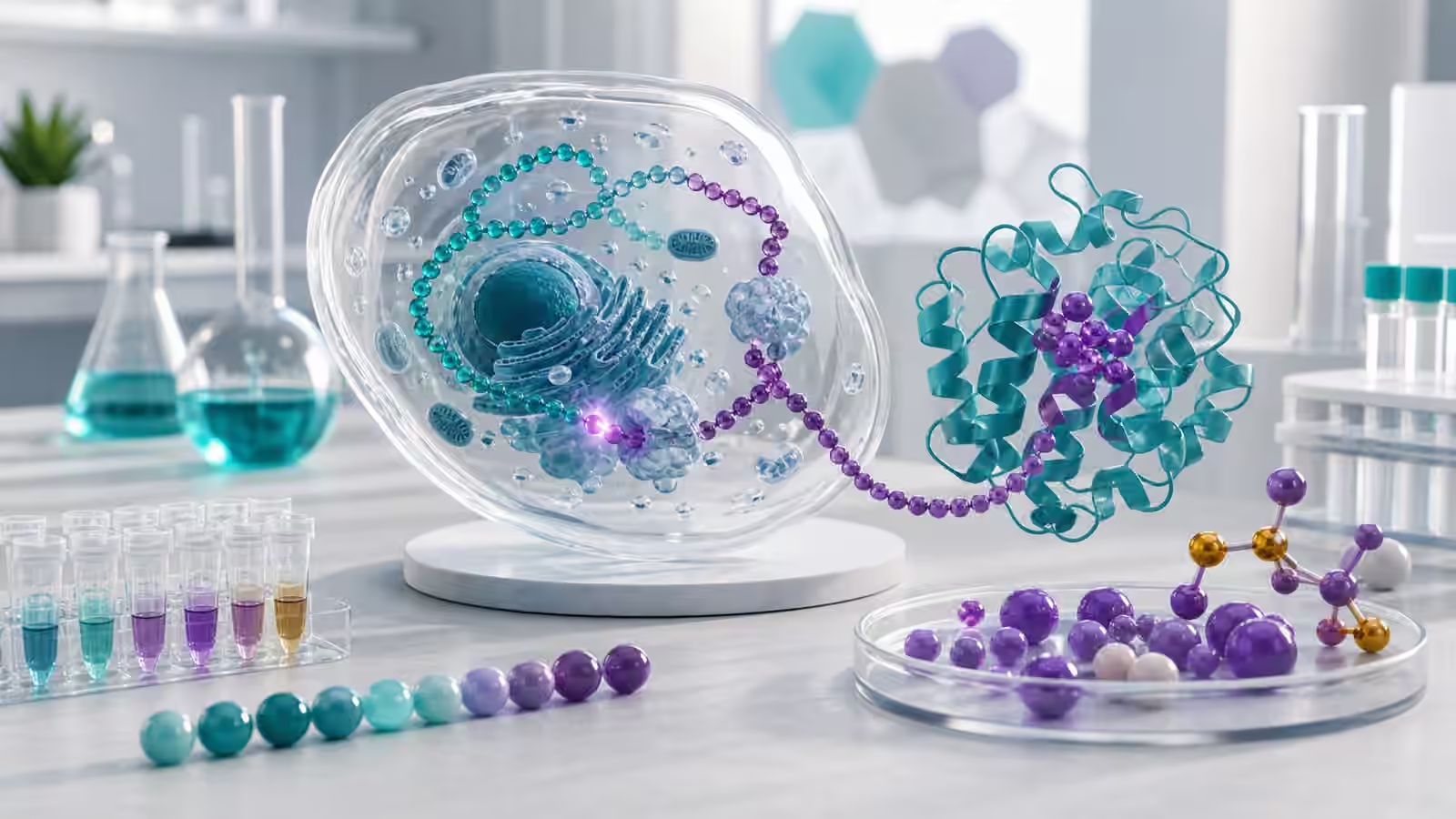
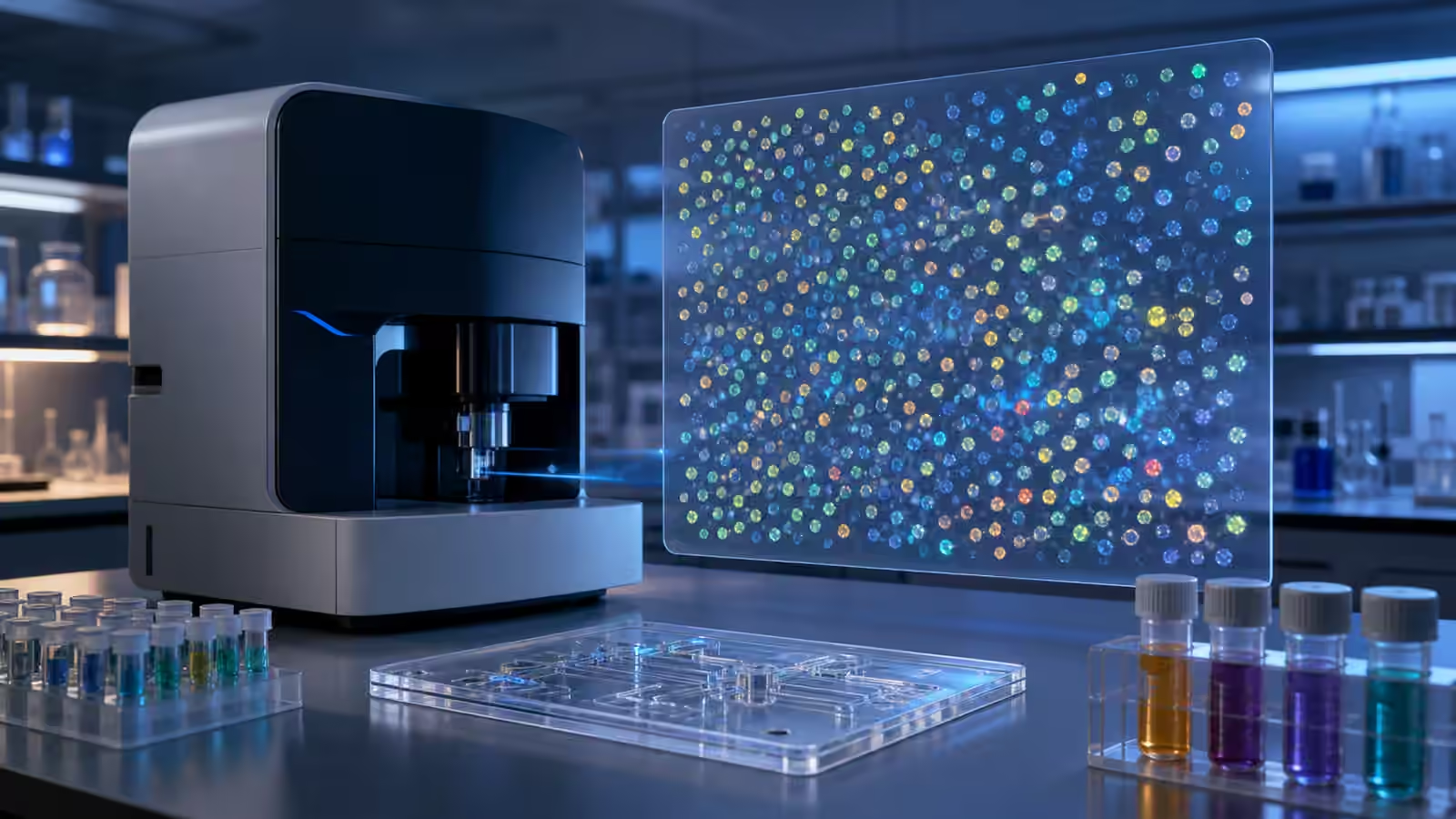
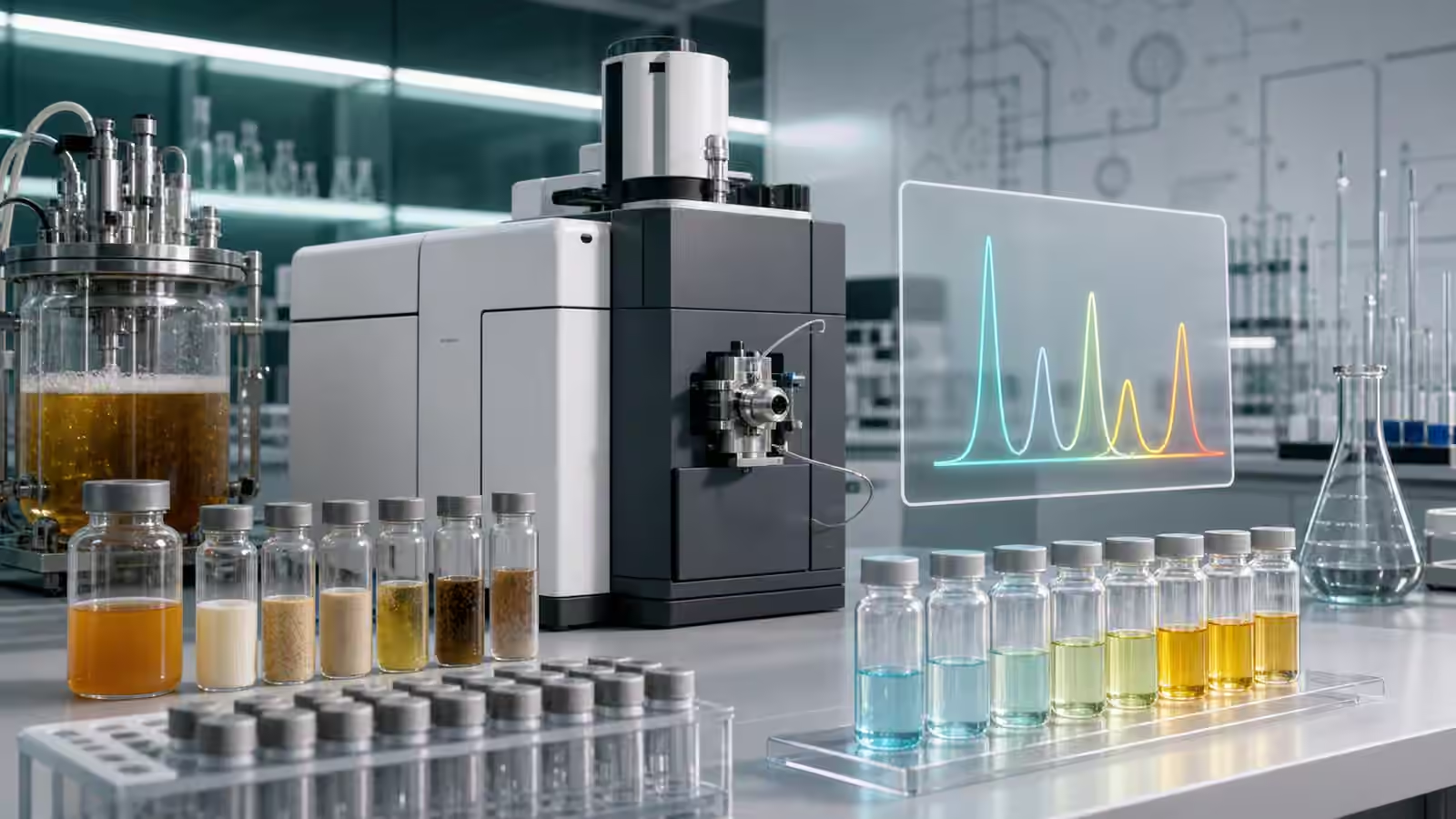
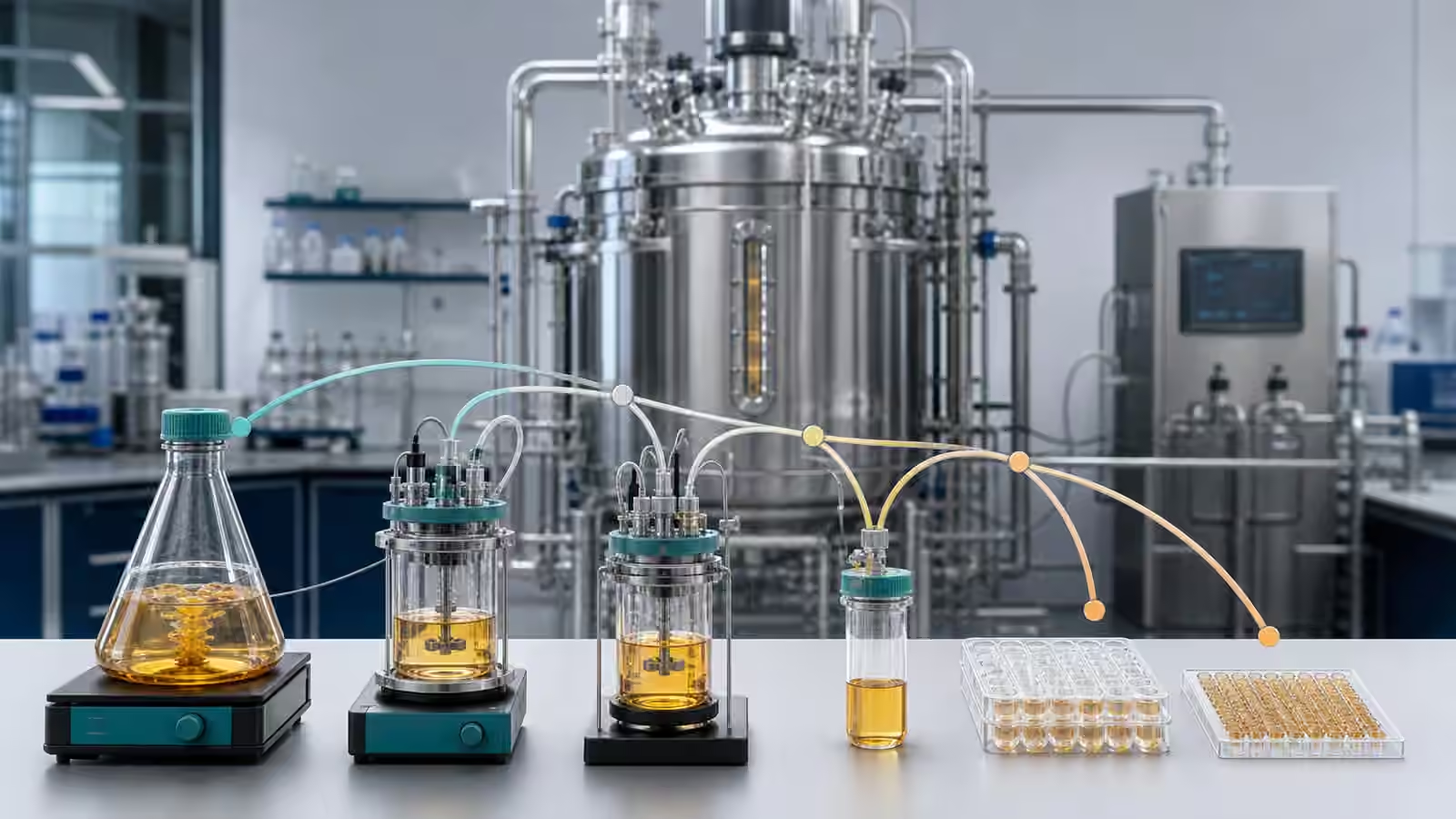
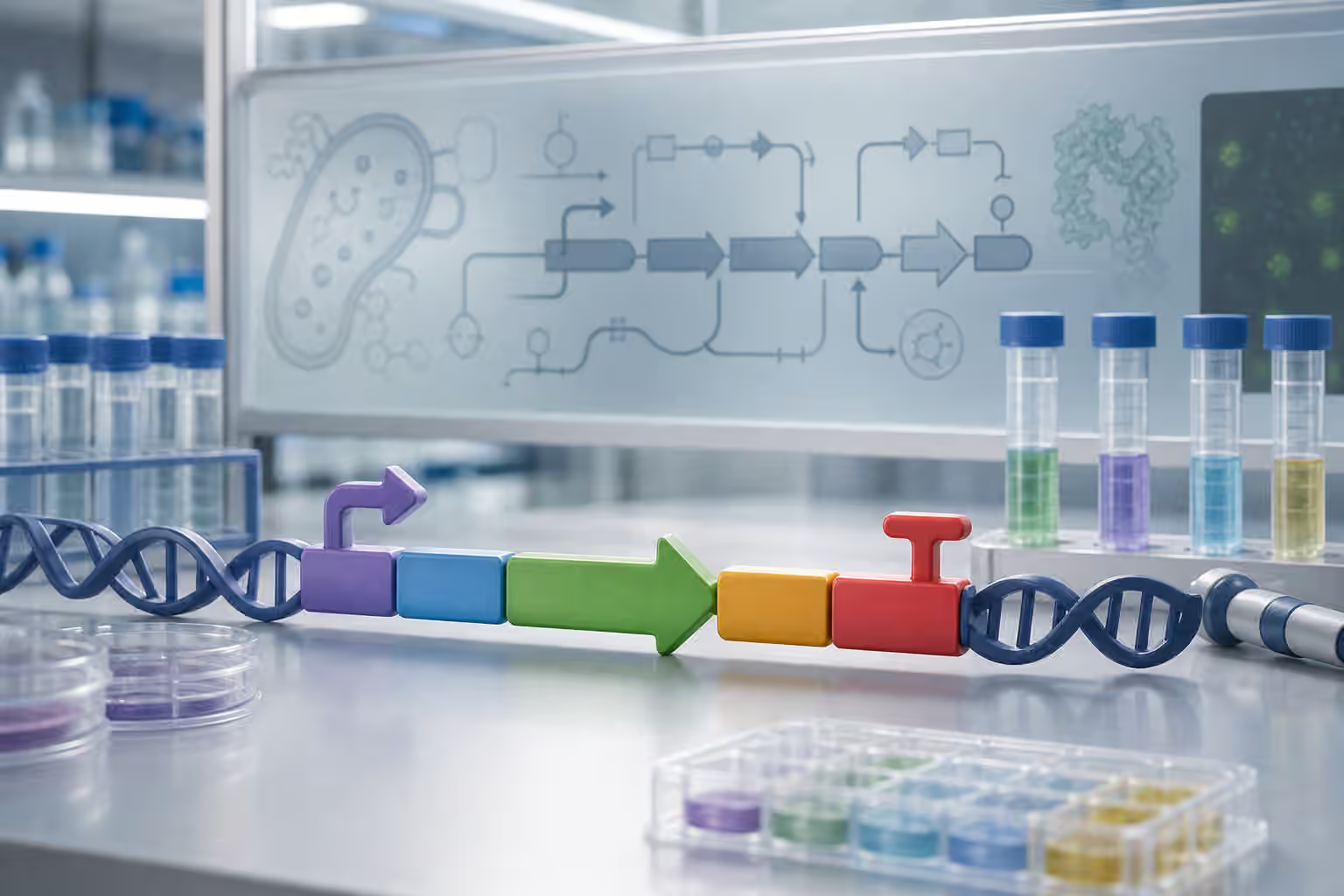
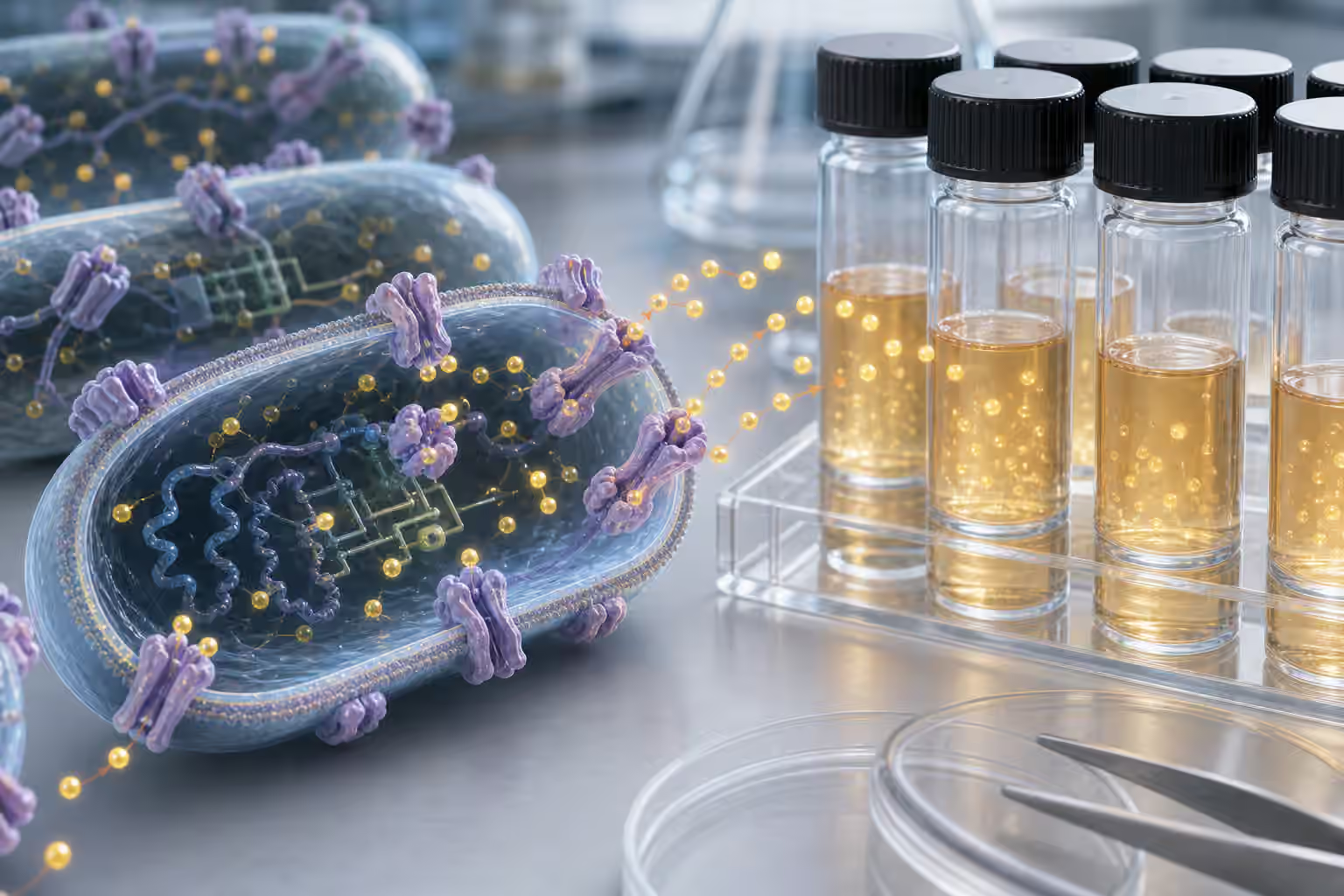
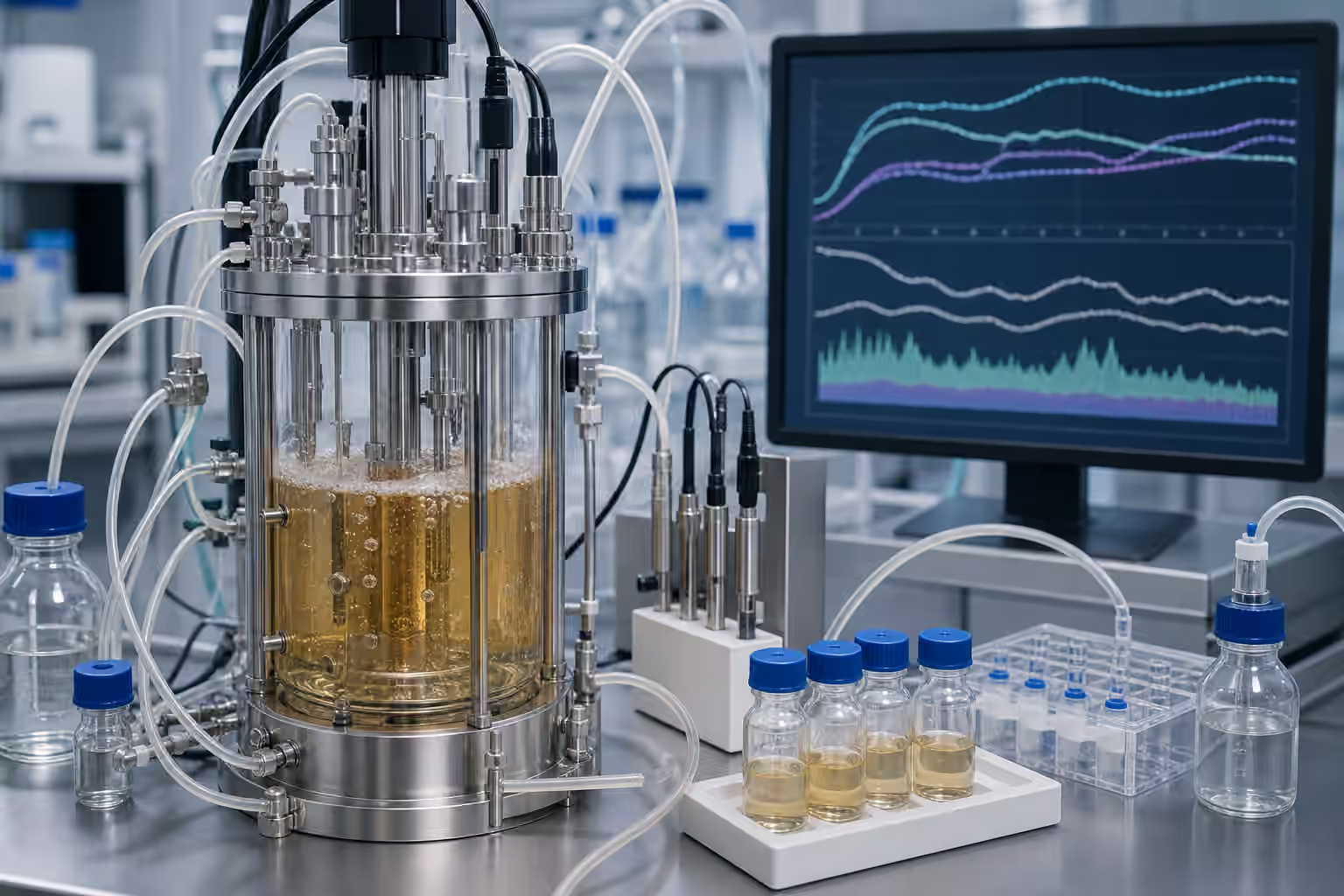
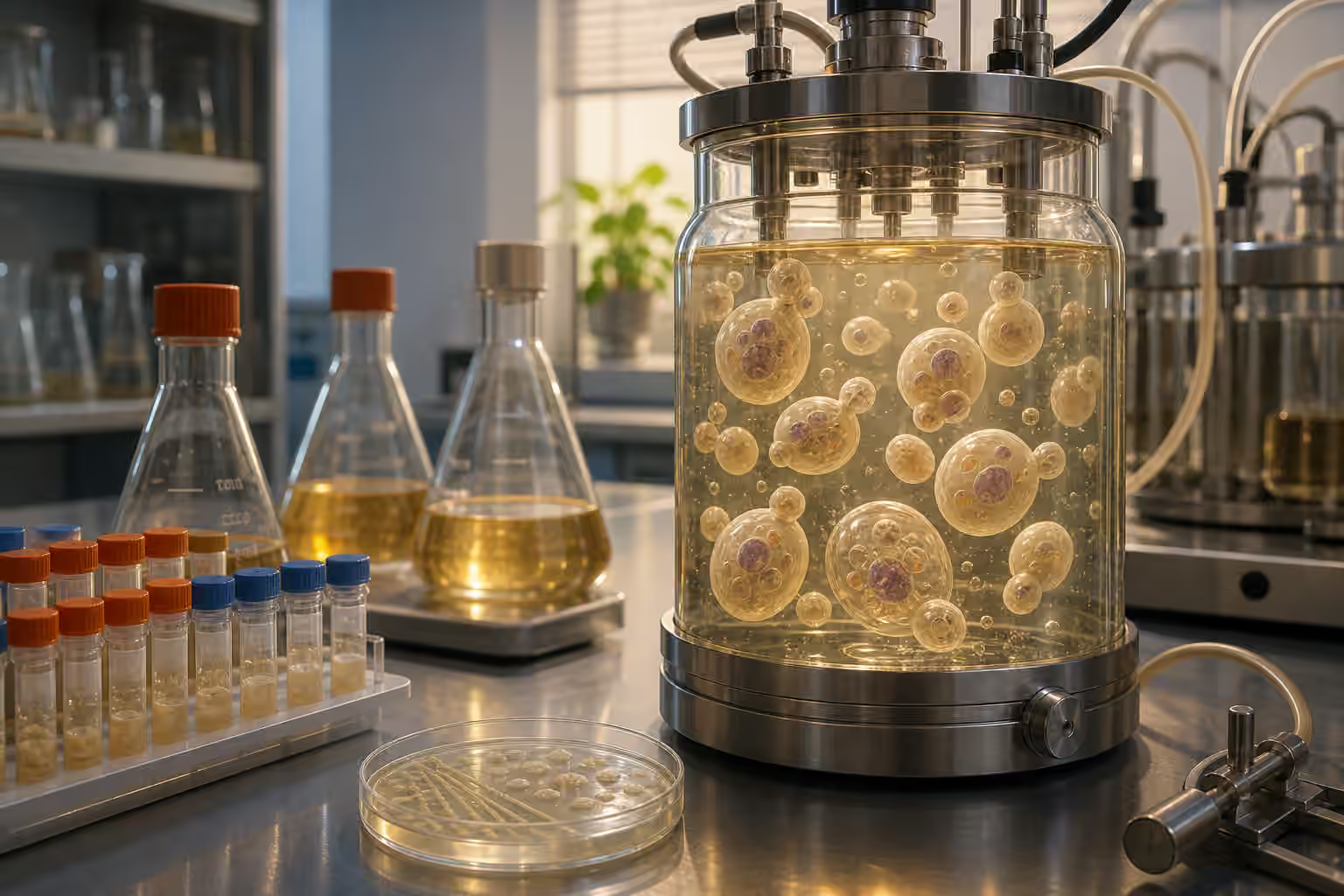
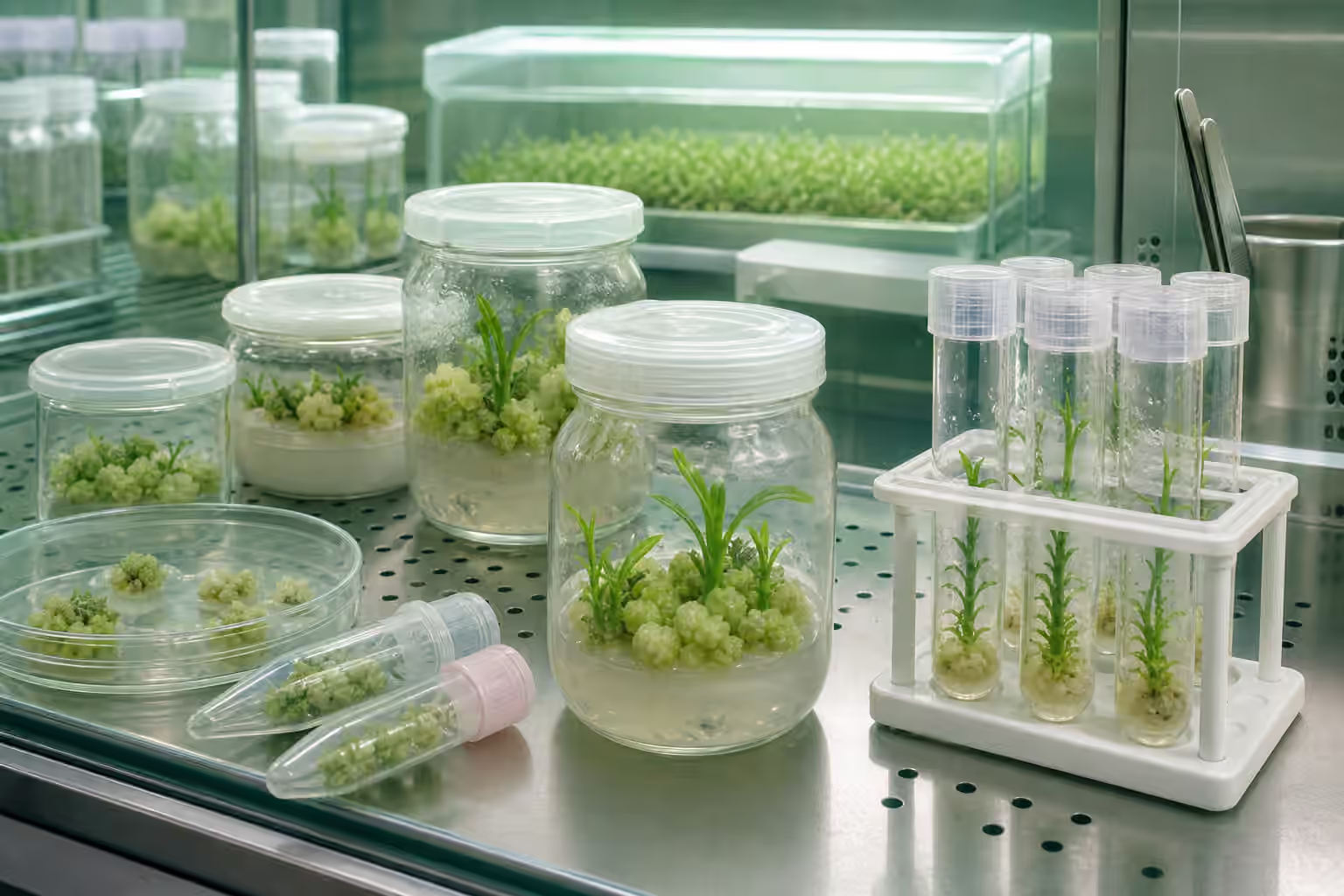
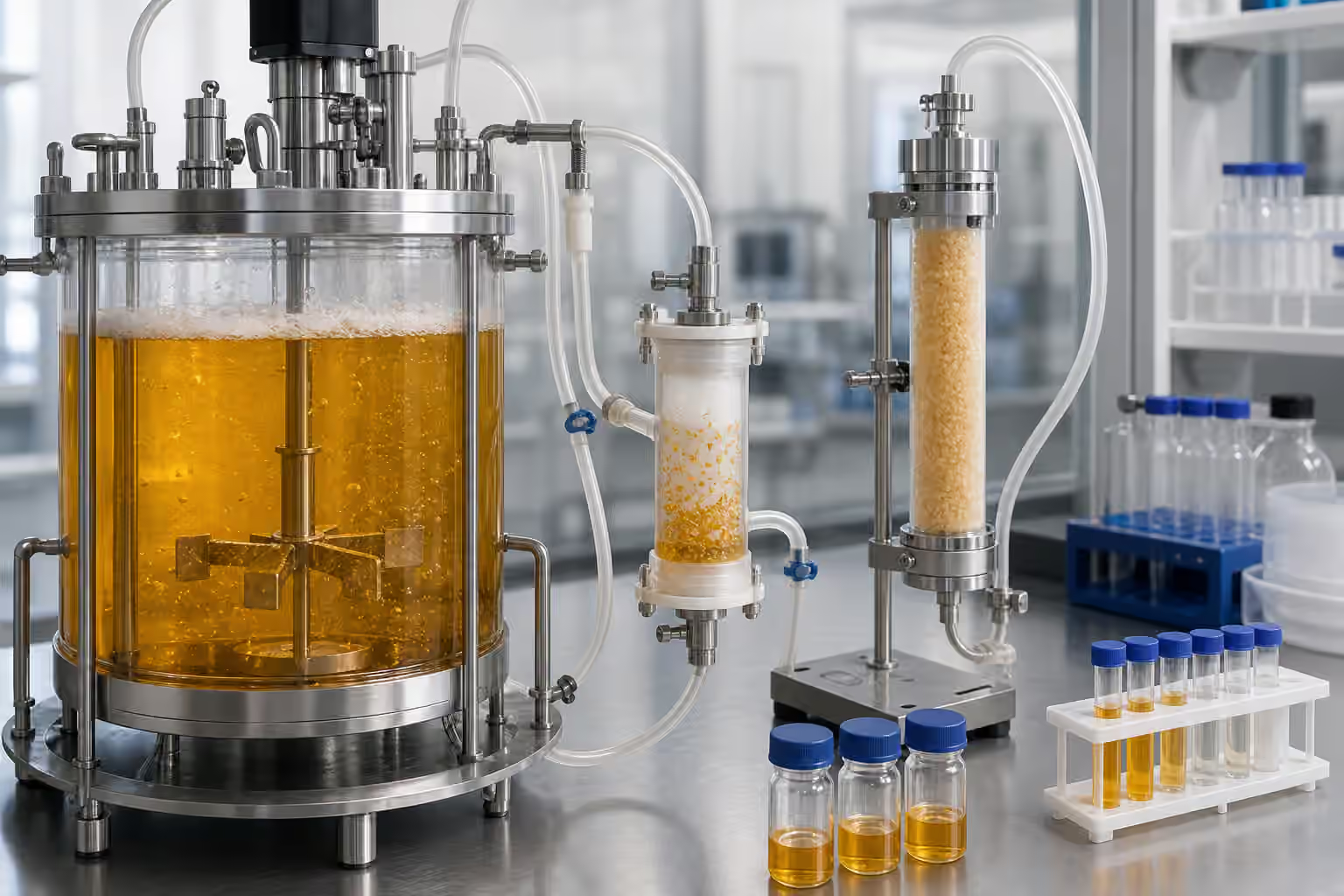
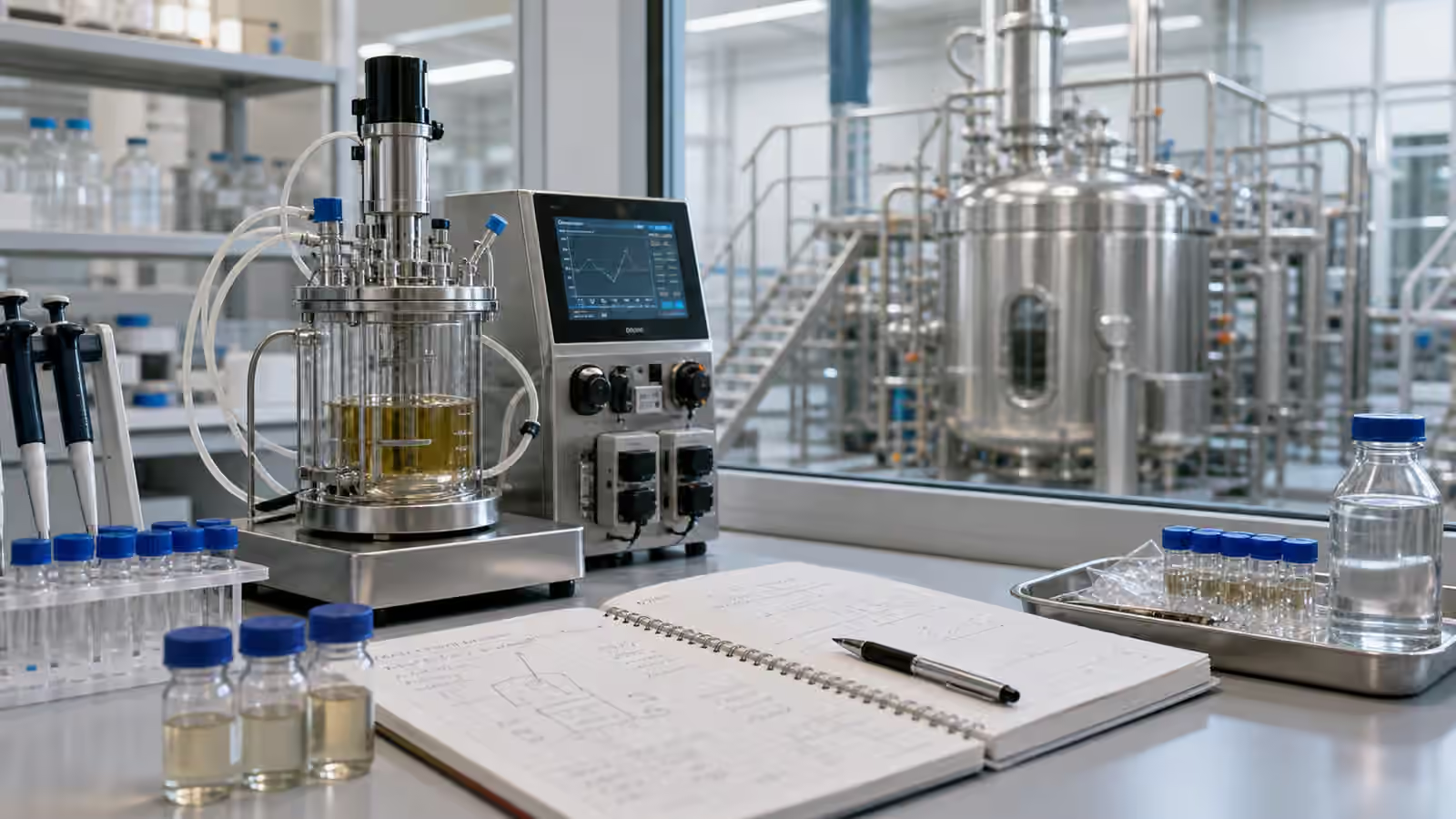
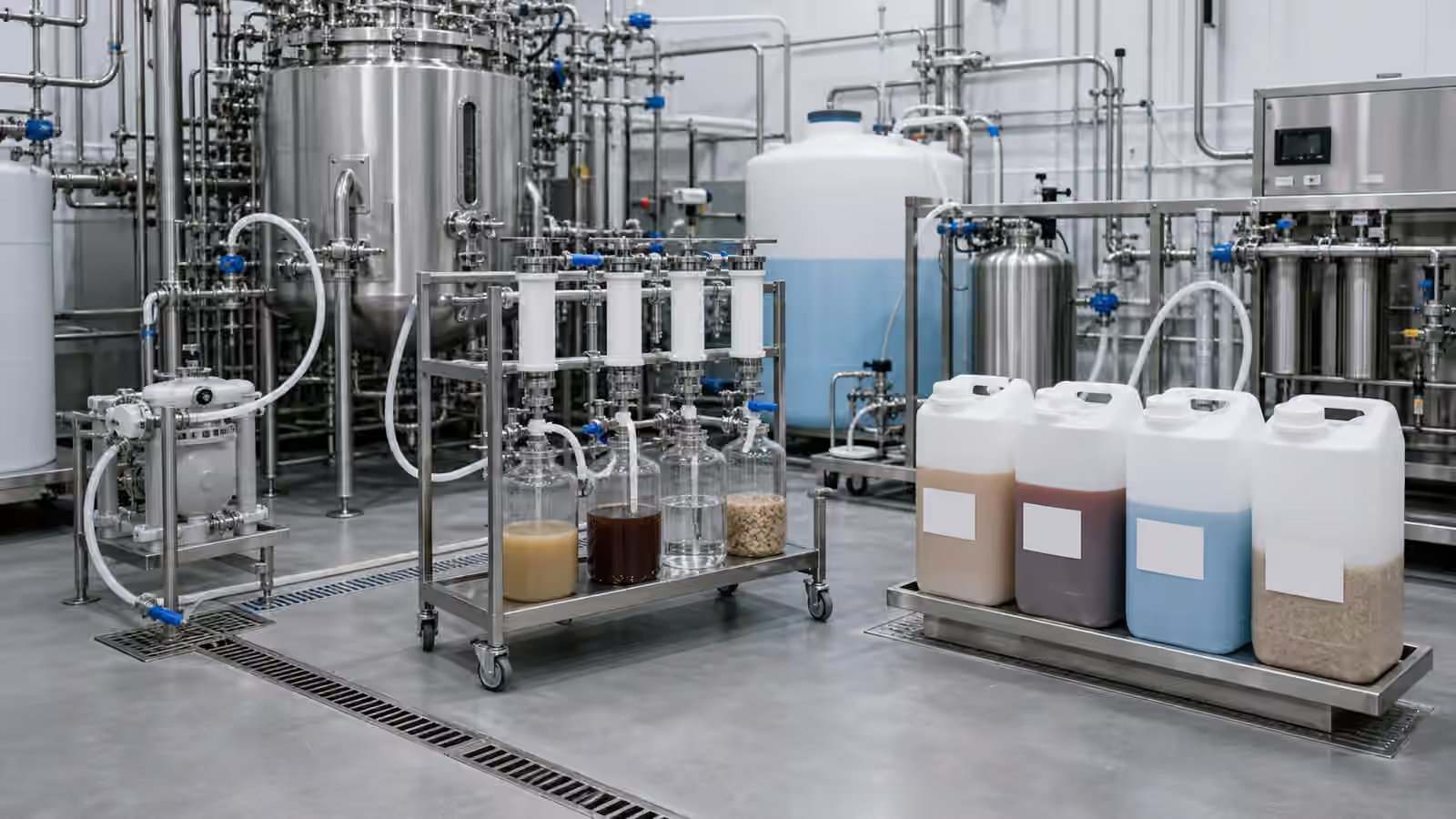
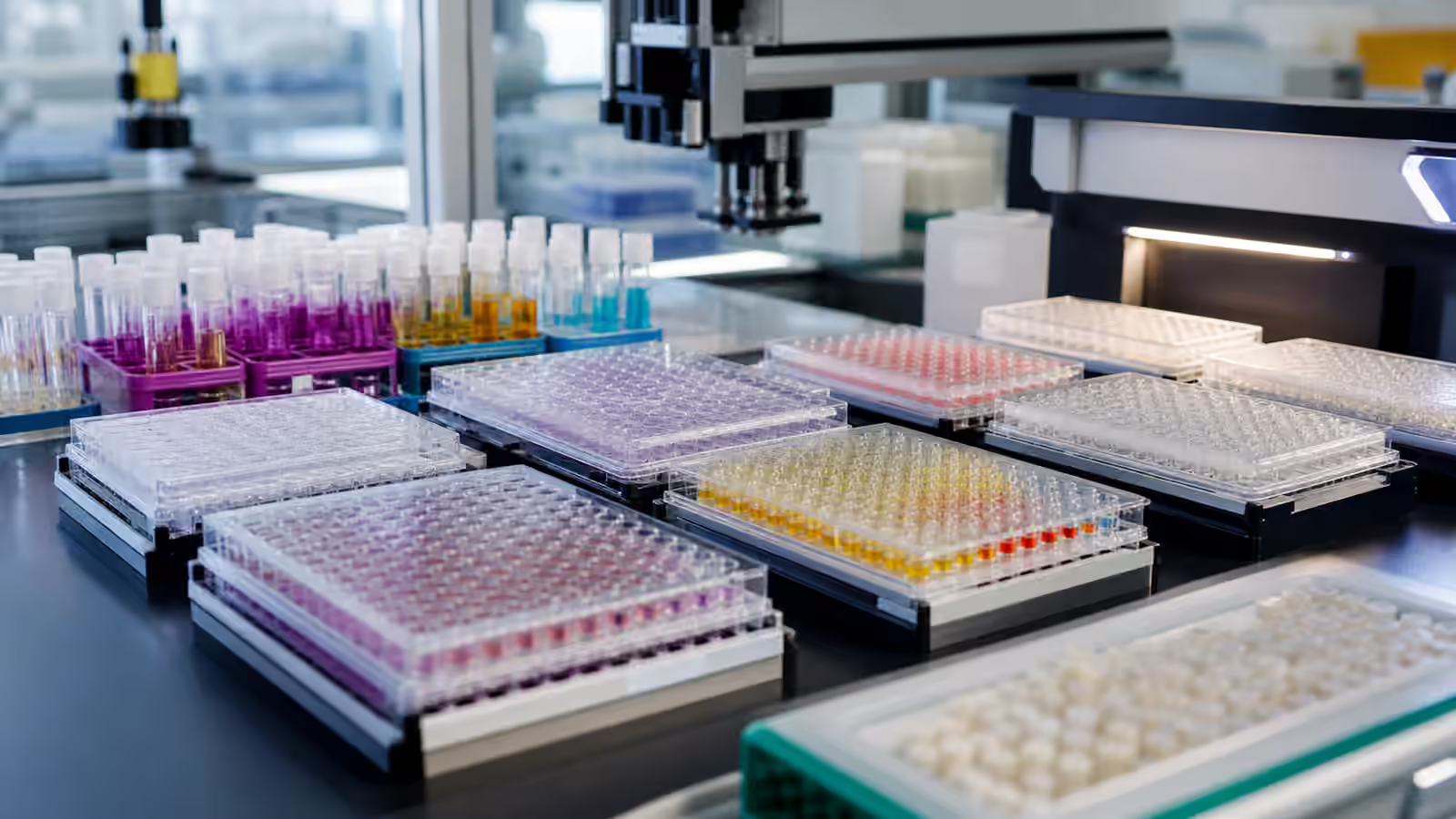
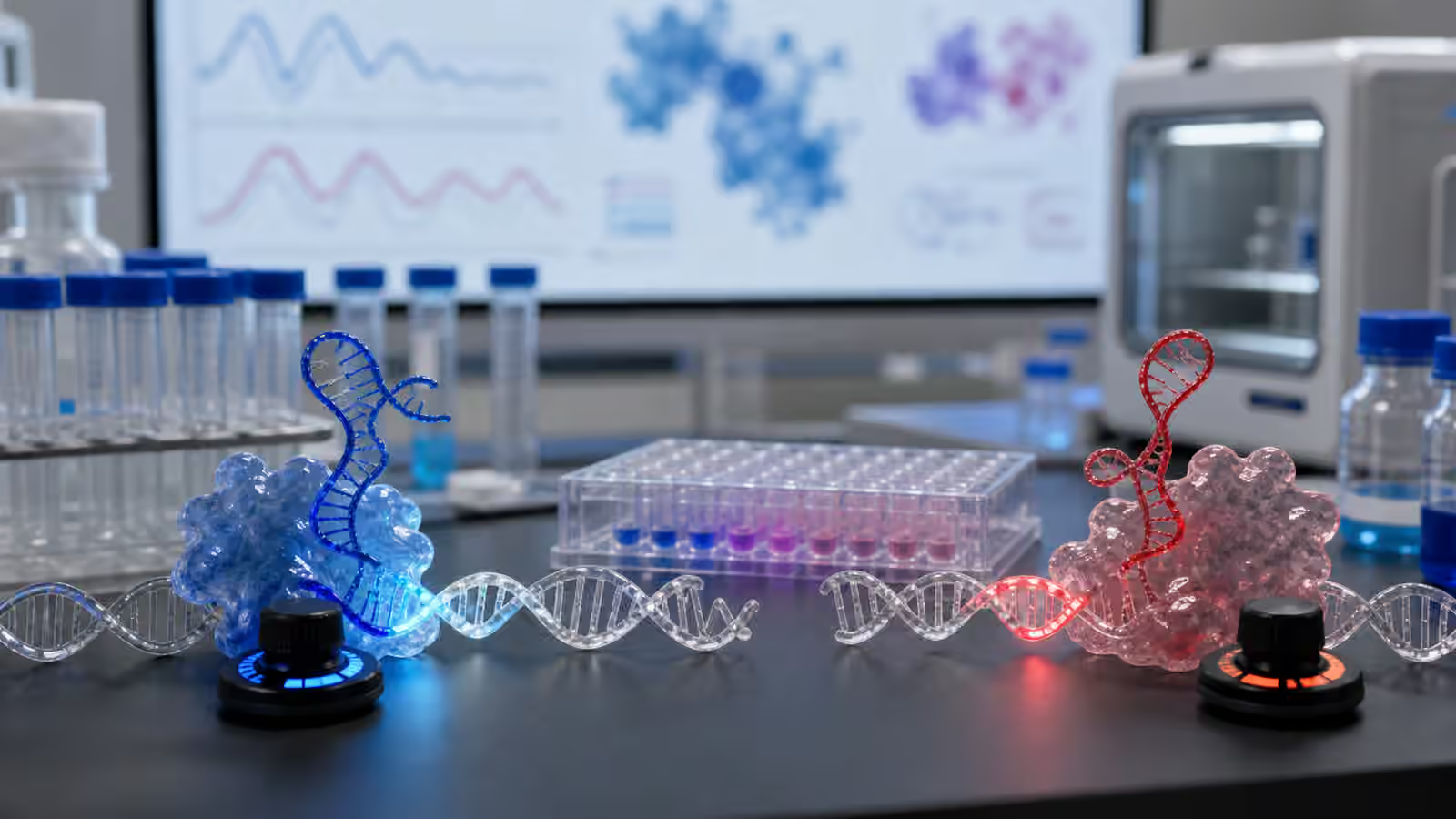
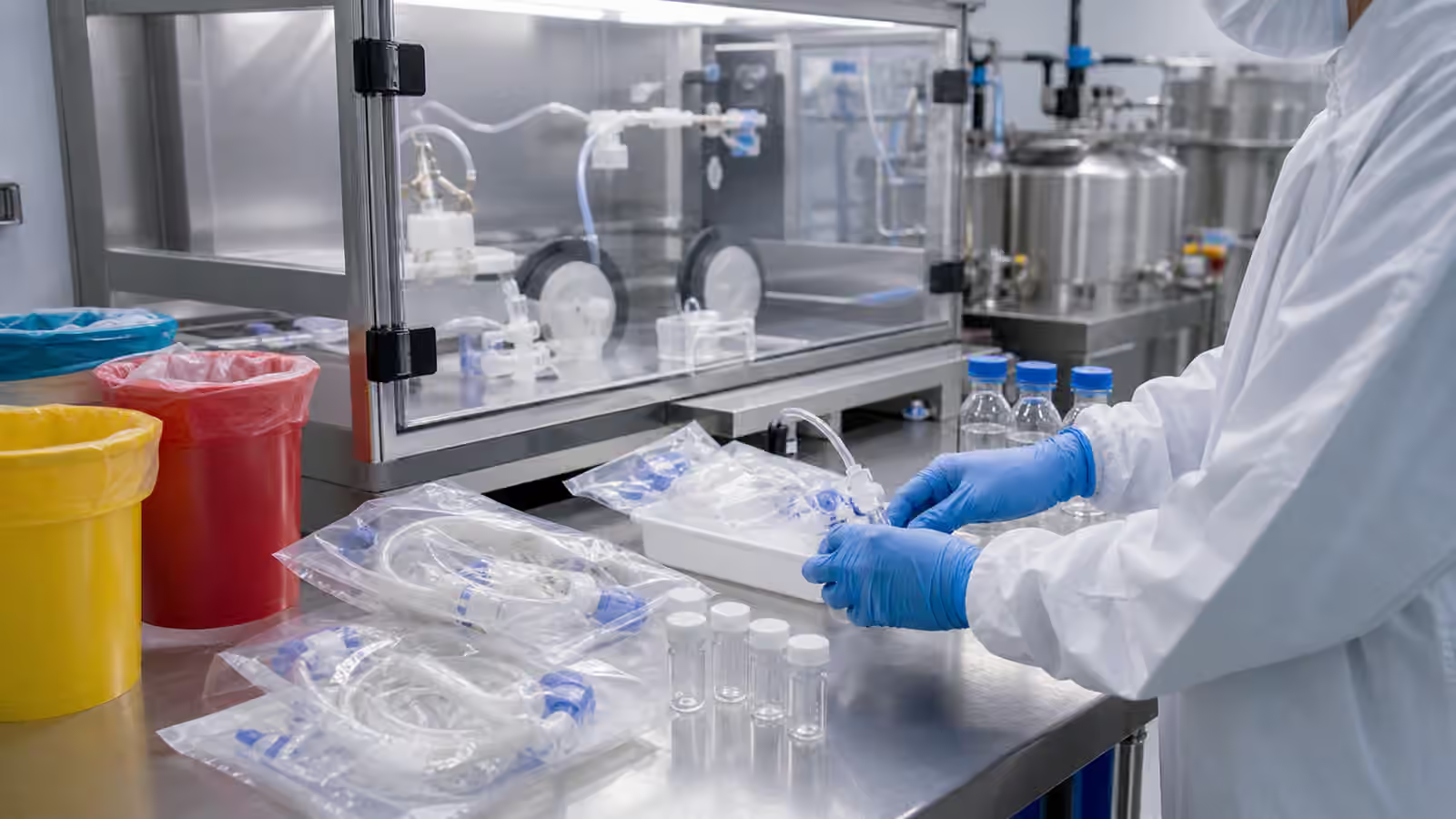
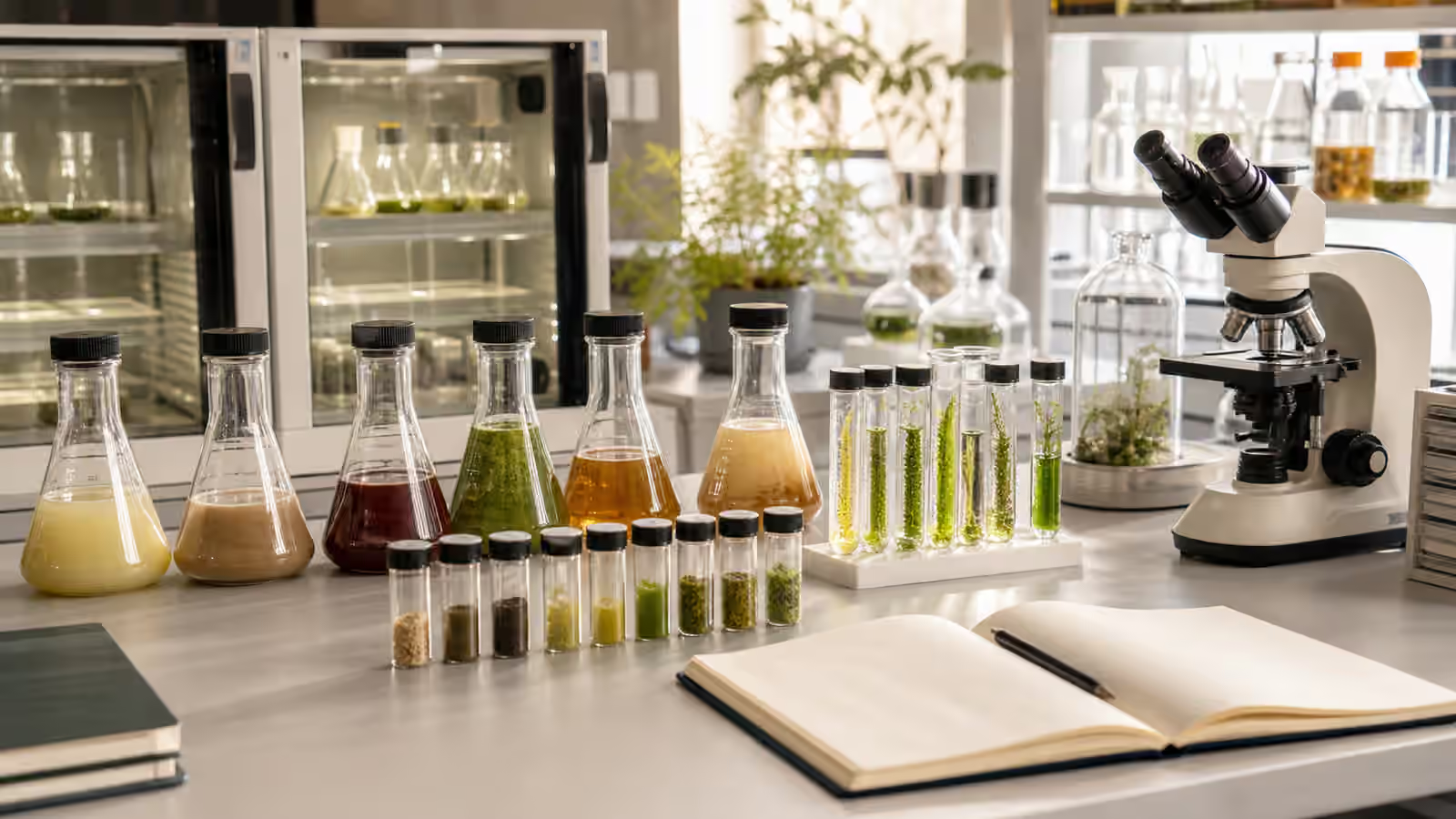
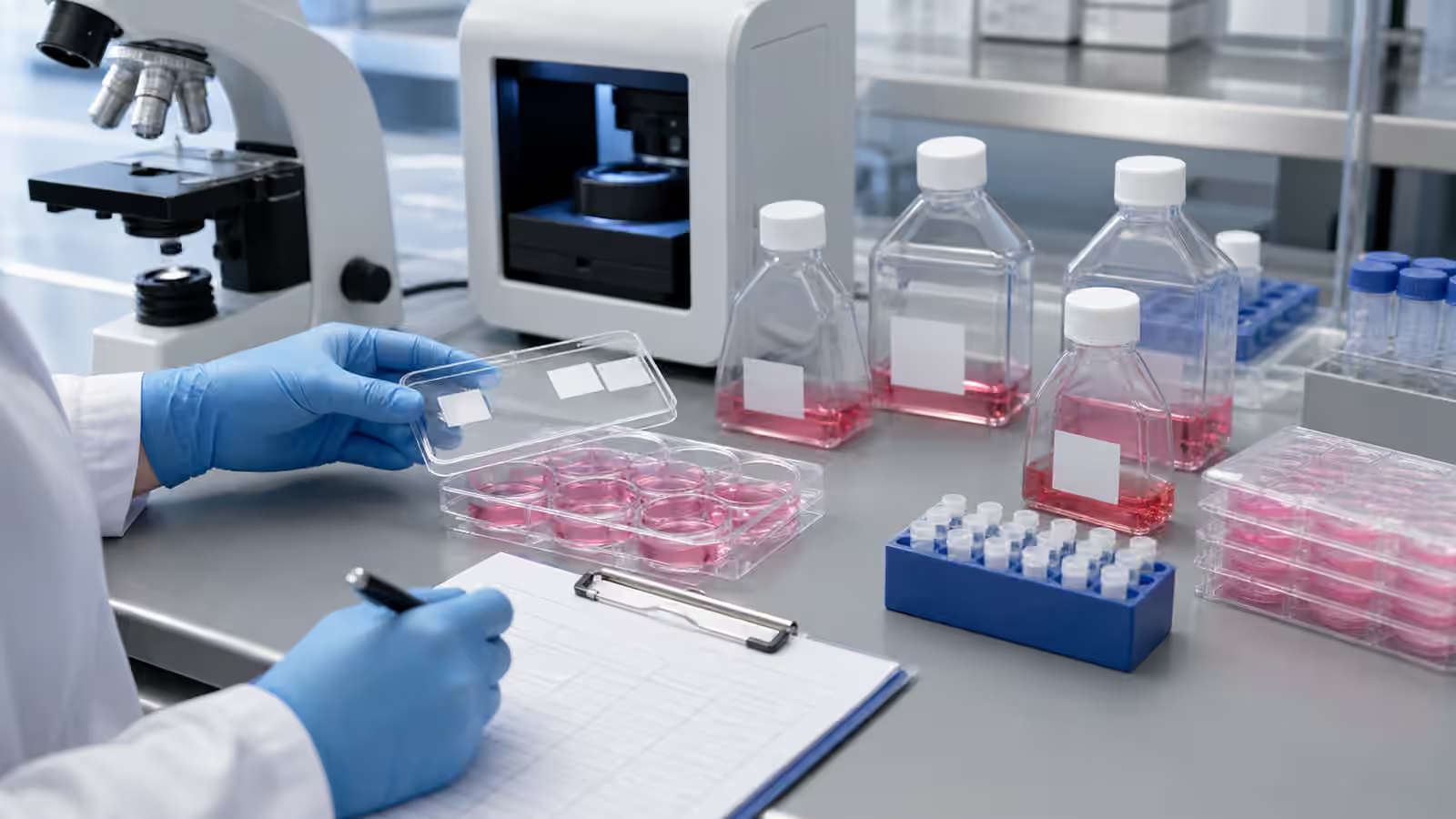
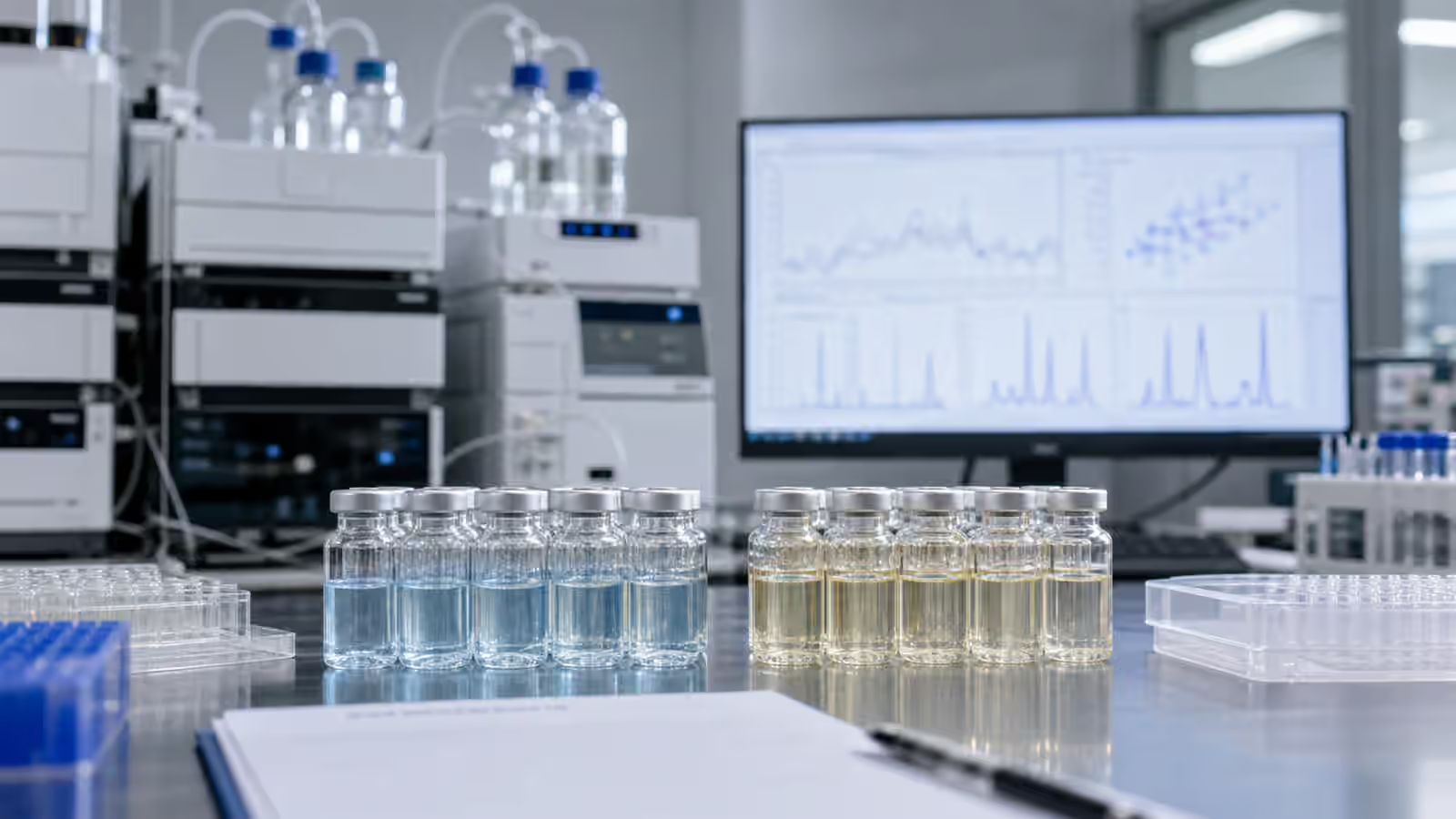
Synthetic biology is easiest to understand when you picture a workshop where the tools are living systems.
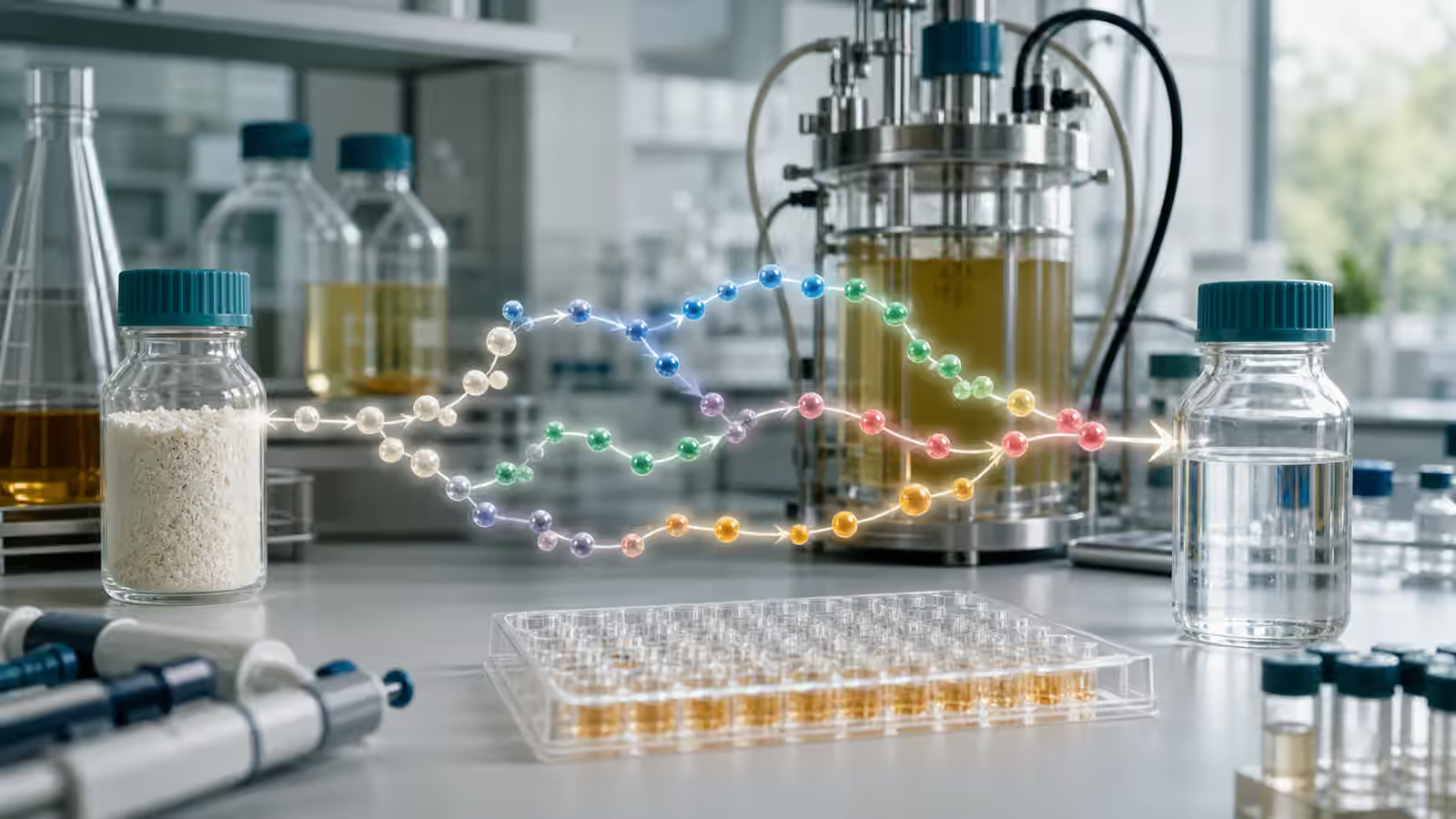
The workshop does not behave like a normal factory. The parts grow. The machines adapt. The raw material may be sugar, air, minerals, light, or a starter culture. The product might be a protein, a flavor molecule, a medicine, a textile fiber, a plastic precursor, a tissue scaffold, or a question that only a cell can answer.
This shelf walks through the field from the ground up. It keeps the visible topic accessible and story-driven while using synthetic biology as the anchor keyword: programming cells, DNA synthesis, biofabrication, precision fermentation, biofoundries, engineered microbes, bioplastics, cultivated meat, AI-designed proteins, tissue printing, and biosecurity.
Reading path
- Synthetic Biology Quickstart: Programming Life Without the Hype
- What Is Biofabrication? Growing Materials, Medicines, and Food
- Living Materials: When Biology Becomes the Stuff We Build With
- Precision Fermentation Explained: Brewing More Than Beer
- Can Bacteria Make Plastic, Fuel, and Medicine?
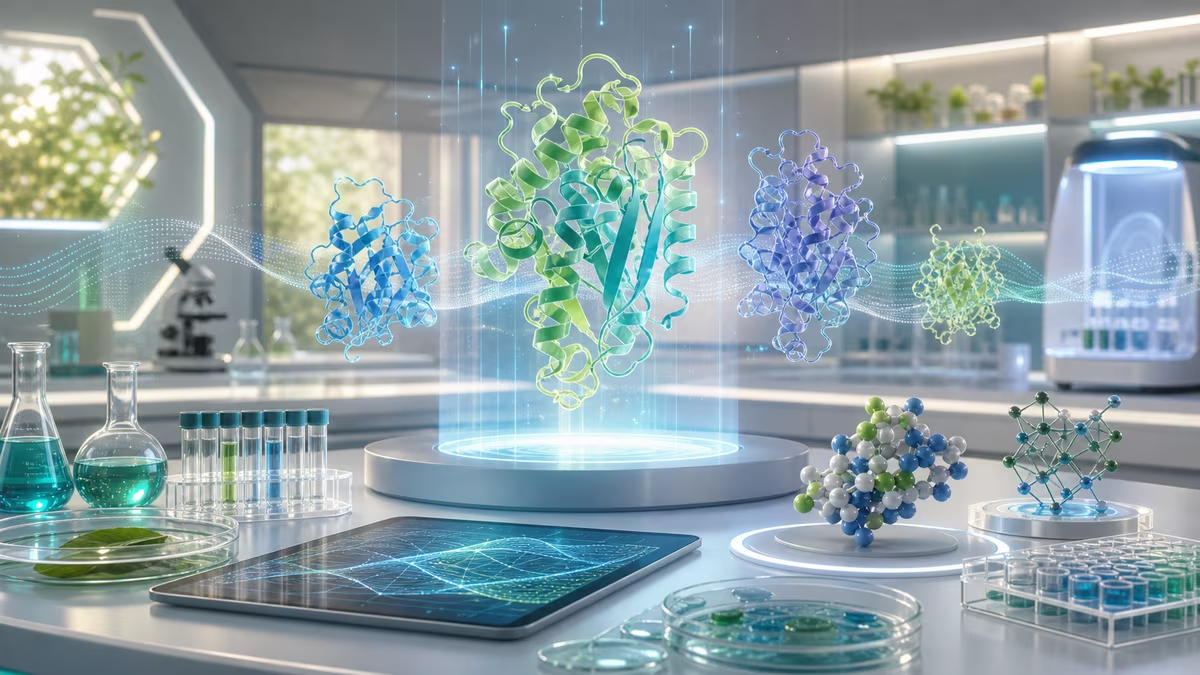
- AI-Designed Proteins: How AI Is Changing Biology
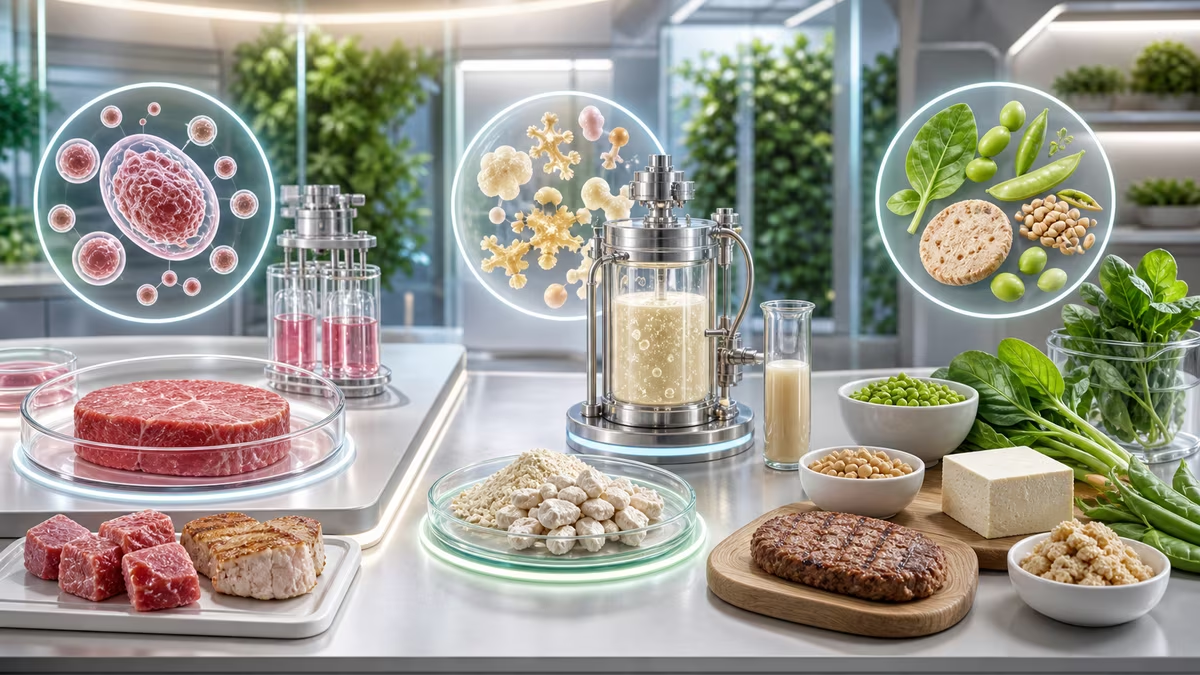
- Lab-Grown Meat vs Precision Fermentation vs Plant-Based Food
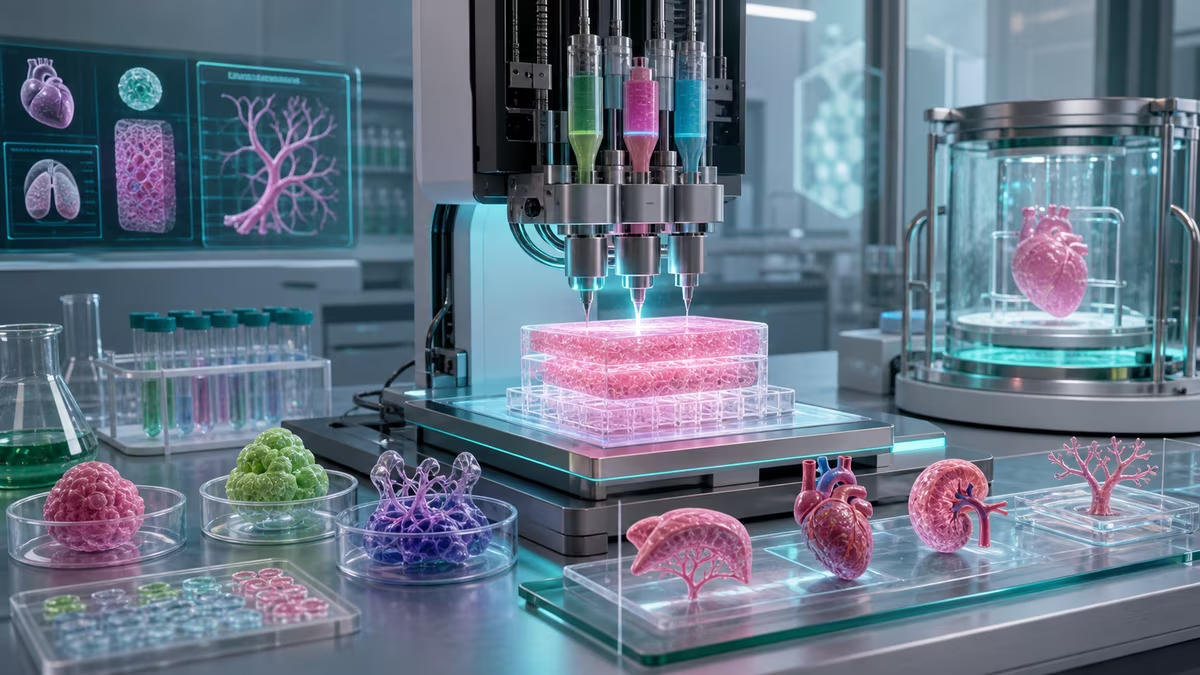
- Tissue Printing and Organs: What Is Real, What Is Not Yet?
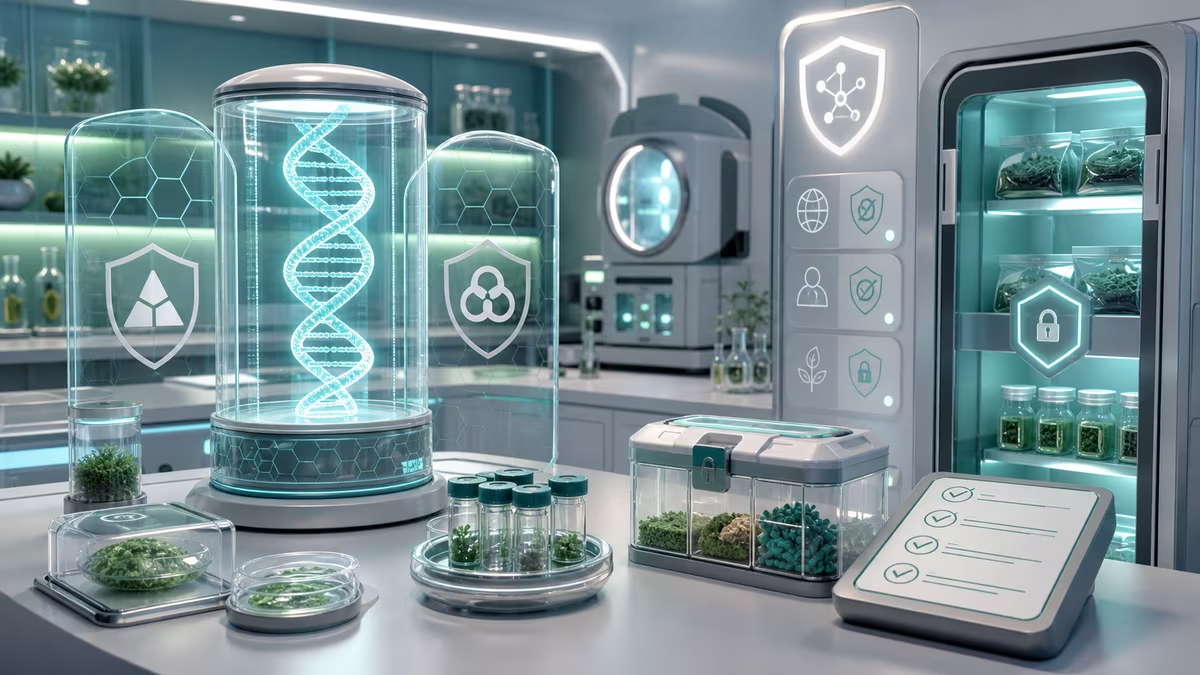
- Synthetic Biology Safety: Biosecurity, Escapes, and Guardrails
- Biosensors and Living Diagnostics: When Biology Becomes a Signal
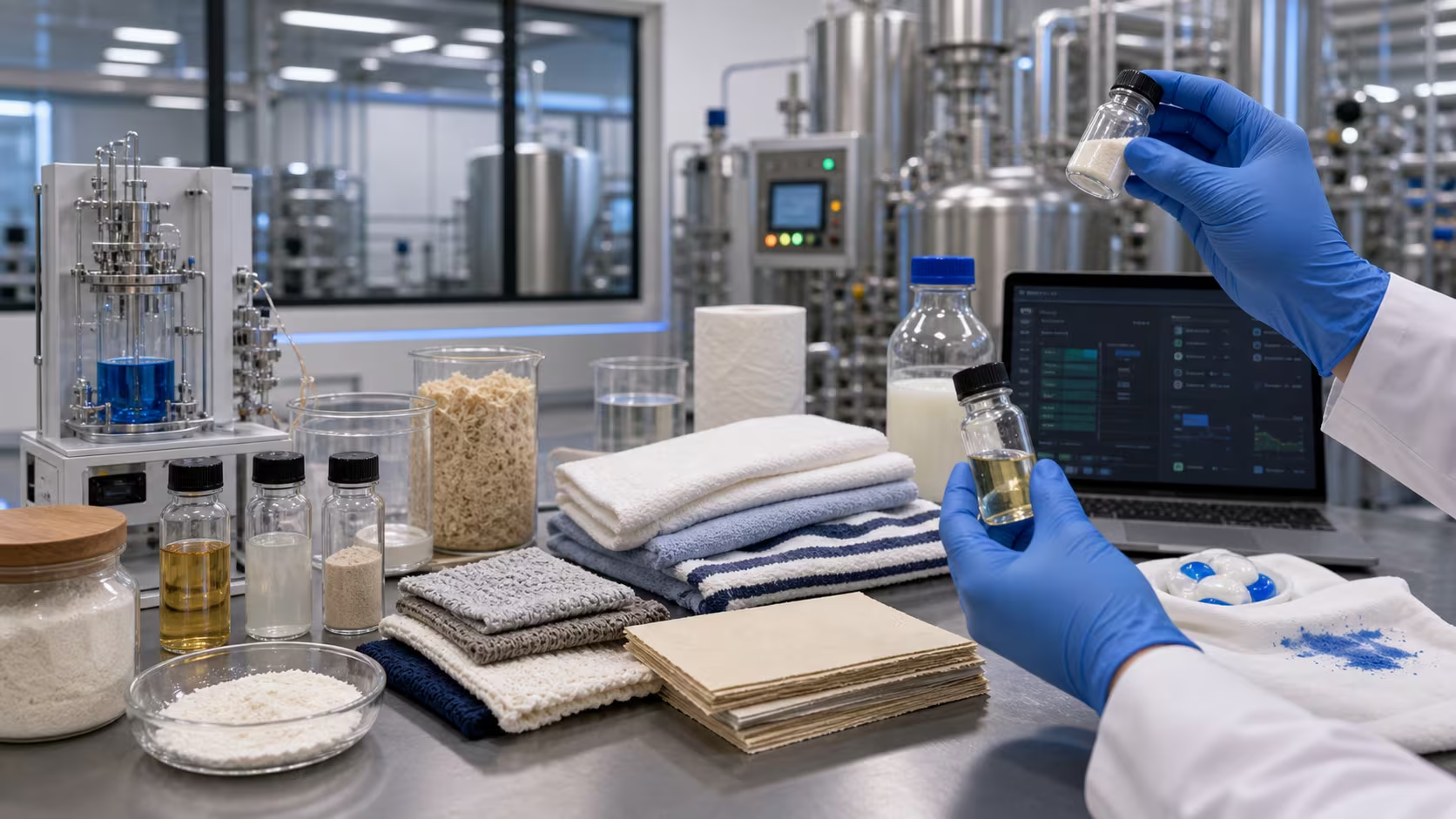
- Industrial Enzymes: The Quiet Workhorses of Synthetic Biology
- Cell-Free Synthetic Biology: Biology Without Living Cells
- Bioprocess Quality Control: Keeping Living Production Honest
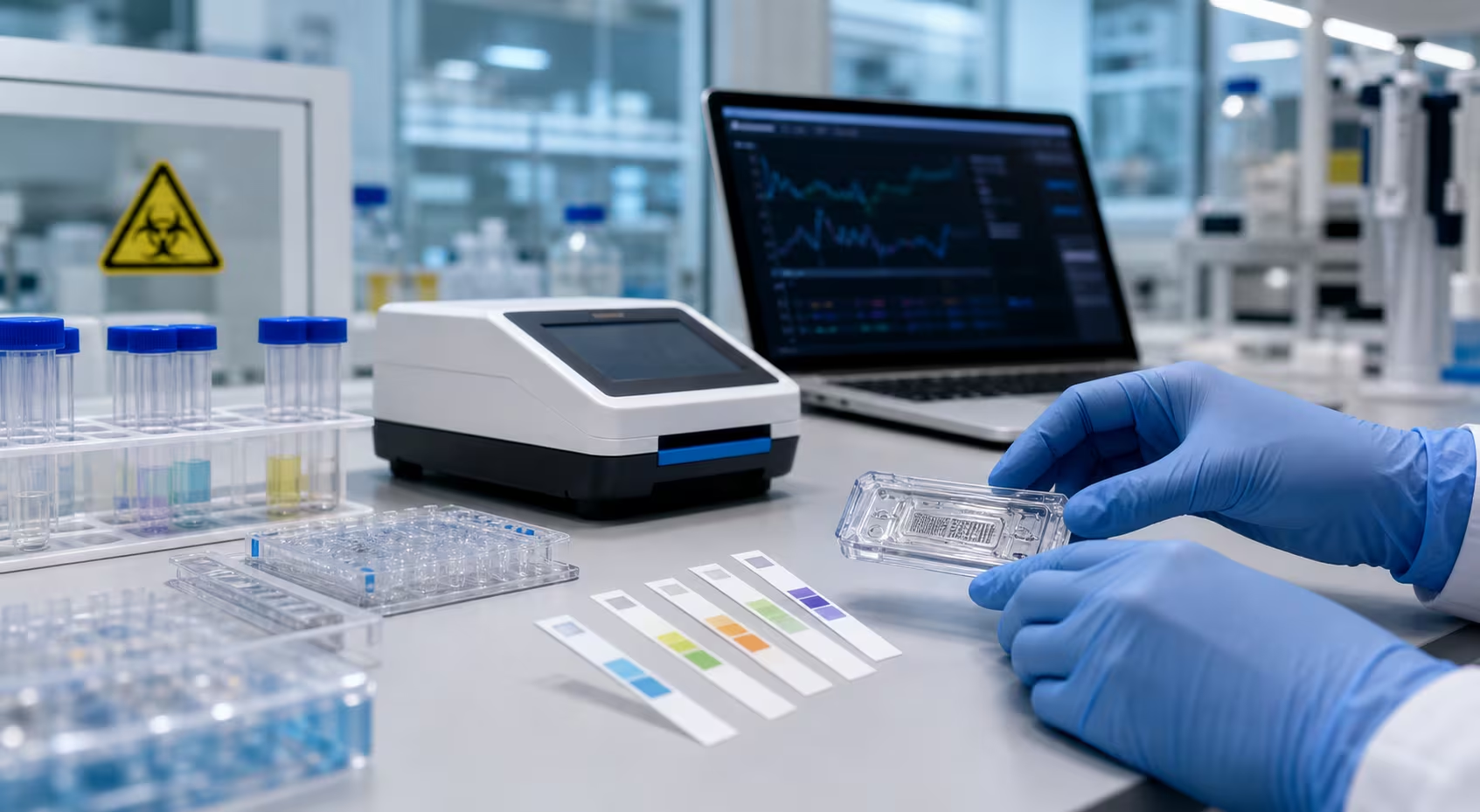
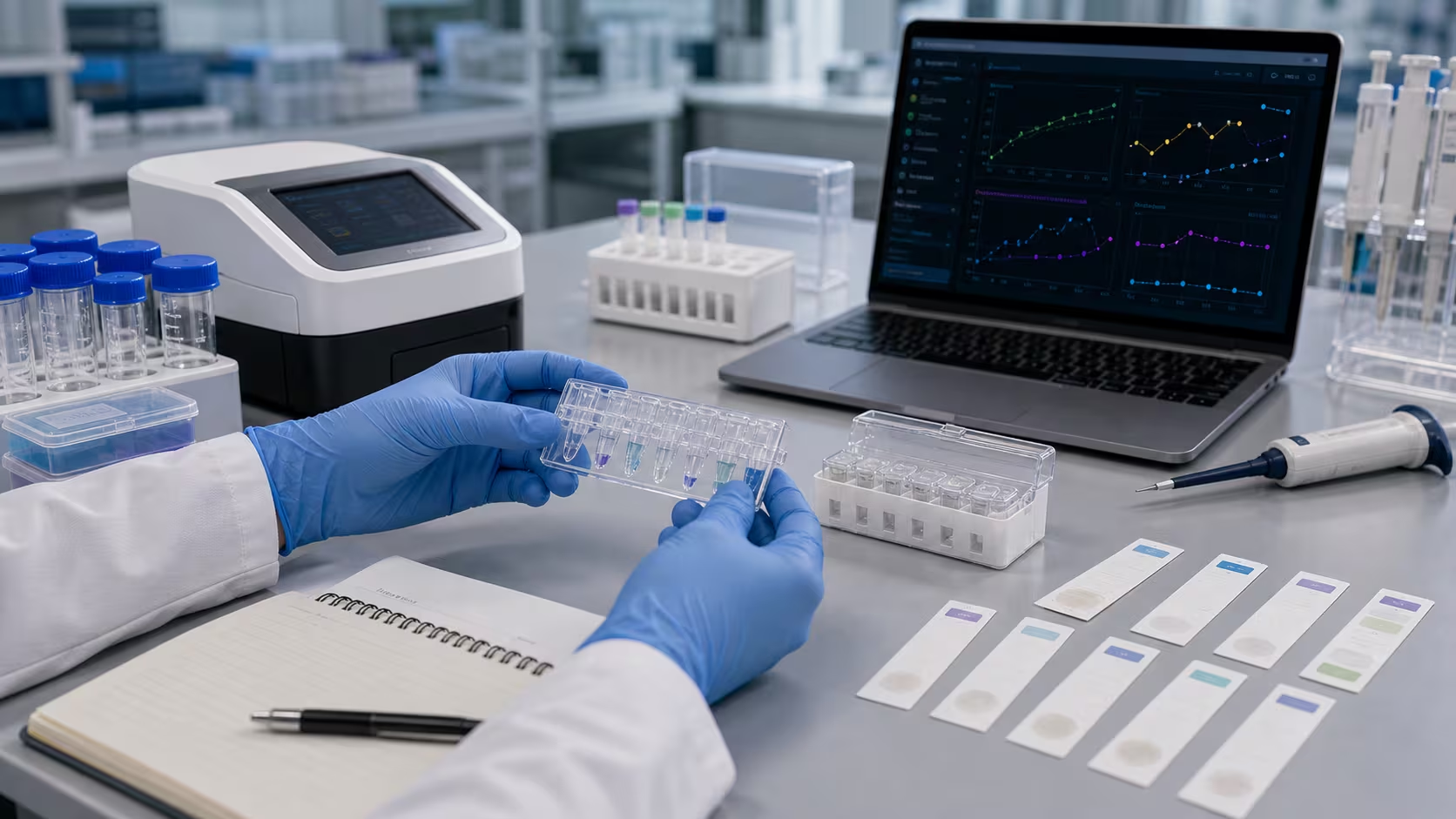
- Biological Measurement and Controls: How Synthetic Biology Knows What Worked
- Synthetic Biology Product Claims and Public Trust
The big map
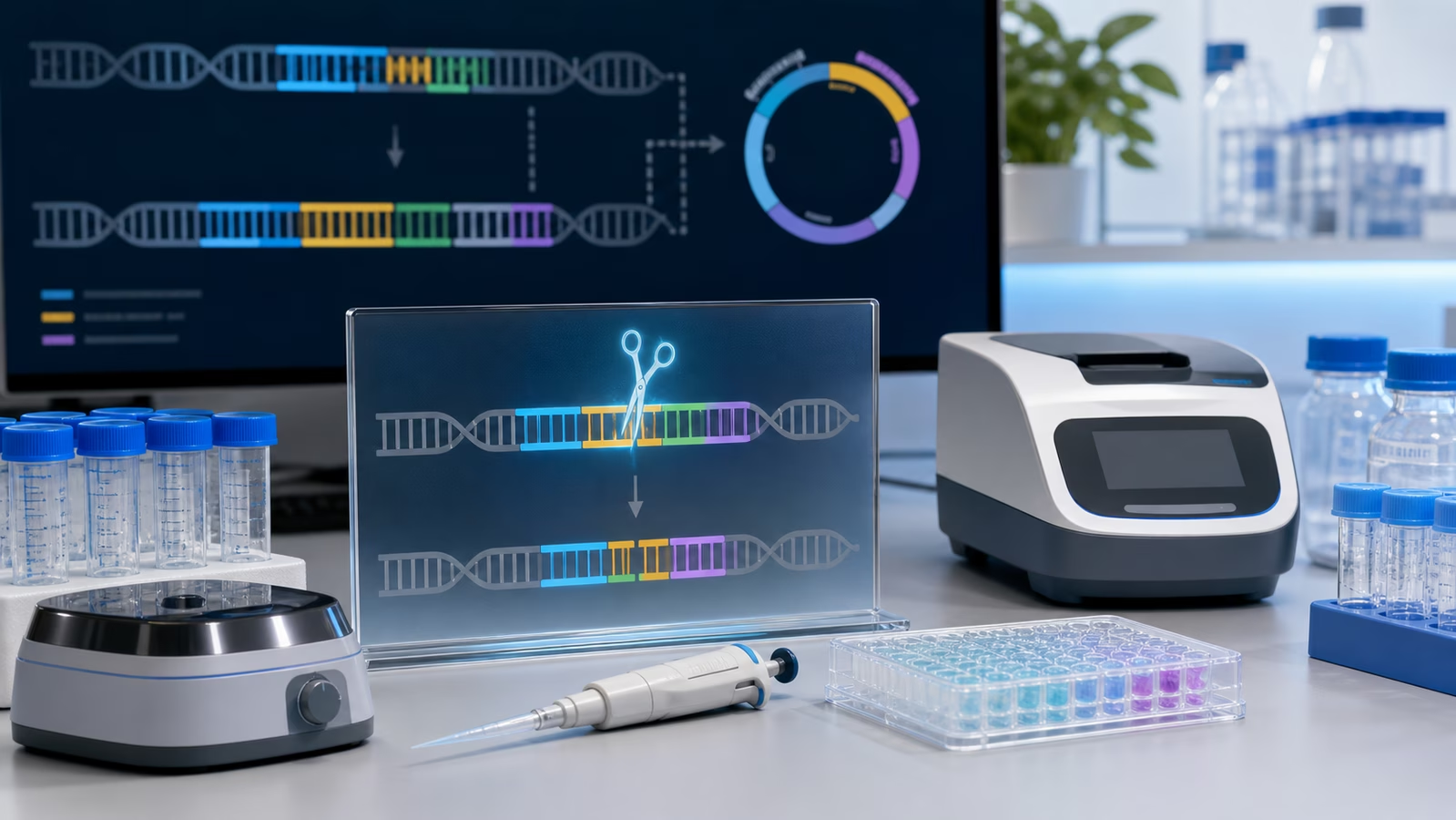
The first guidebook explains the basic idea: biology can be read, written, tested, and redesigned, but never with the neat certainty of ordinary software. The biofabrication and precision fermentation guides show how cells can become production partners. The engineered microbe and AI-designed protein guides zoom in on biological tools. The future food and tissue printing guides separate real progress from overpromises. The safety guide closes the loop with biosecurity, containment, oversight, and responsible imagination. Synthetic Biology Product Claims and Public Trust extends that closing loop into the market, where labels, sustainability claims, safety evidence, product comparisons, regulation, and plain language decide whether people understand what a biotech product actually is.
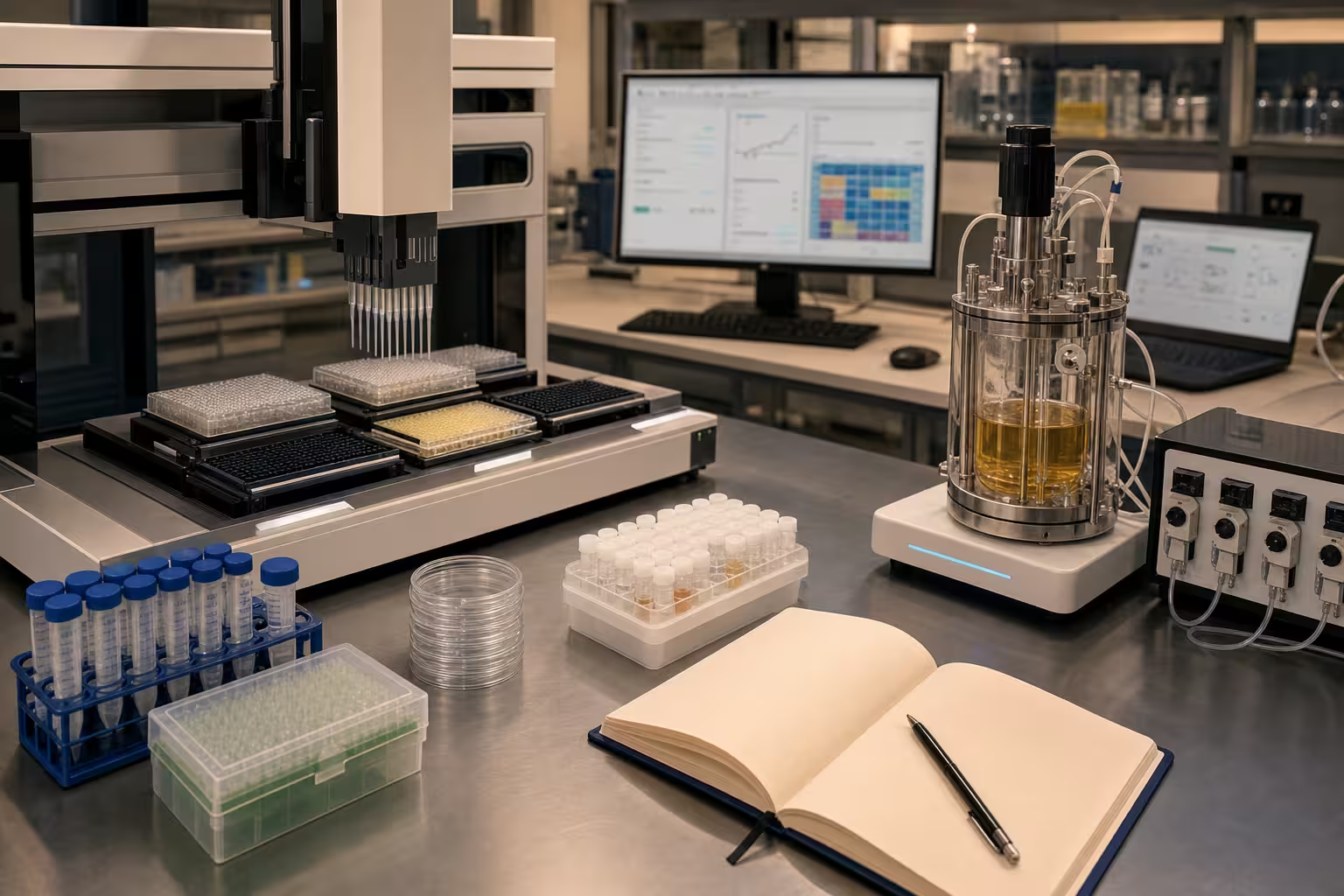
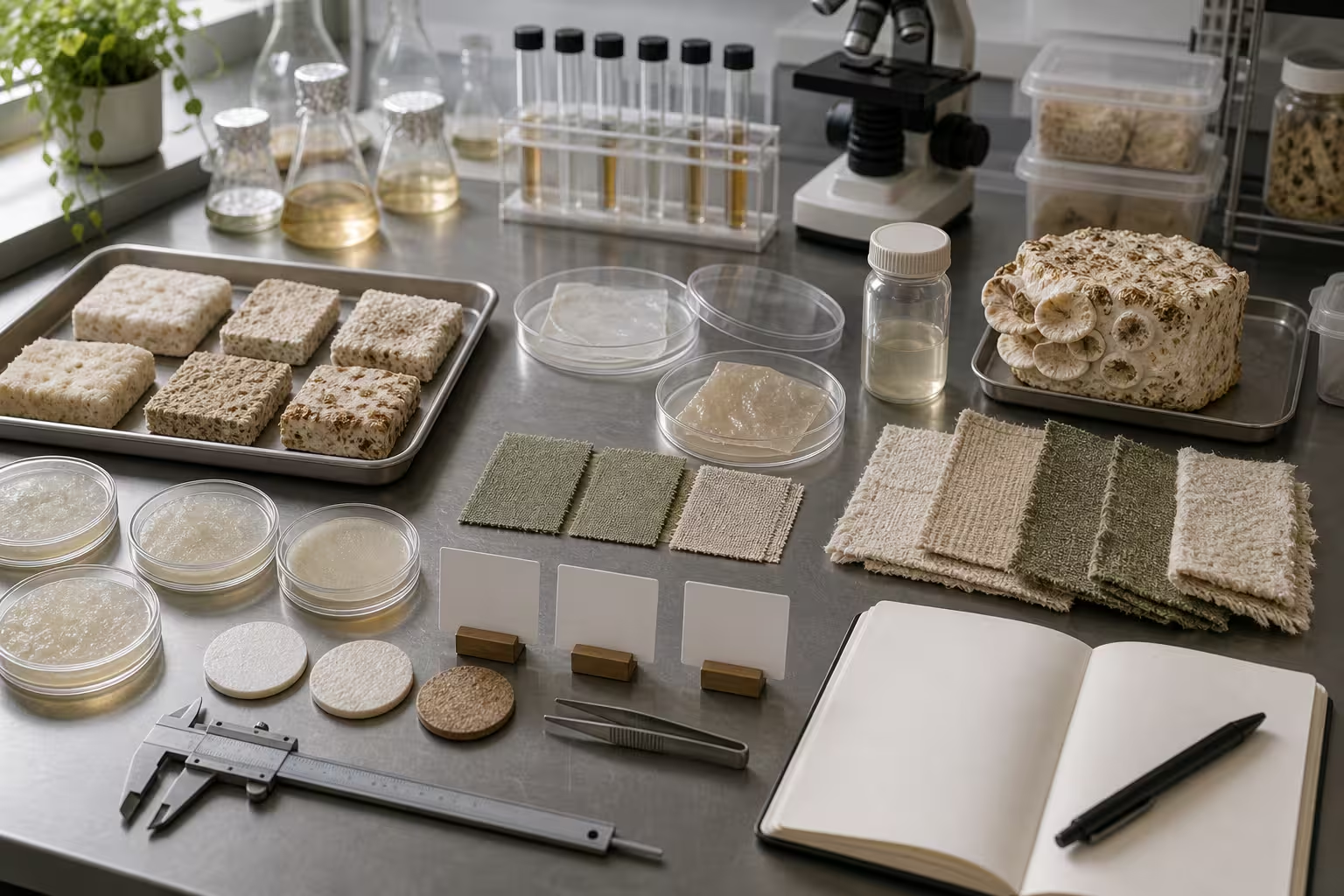
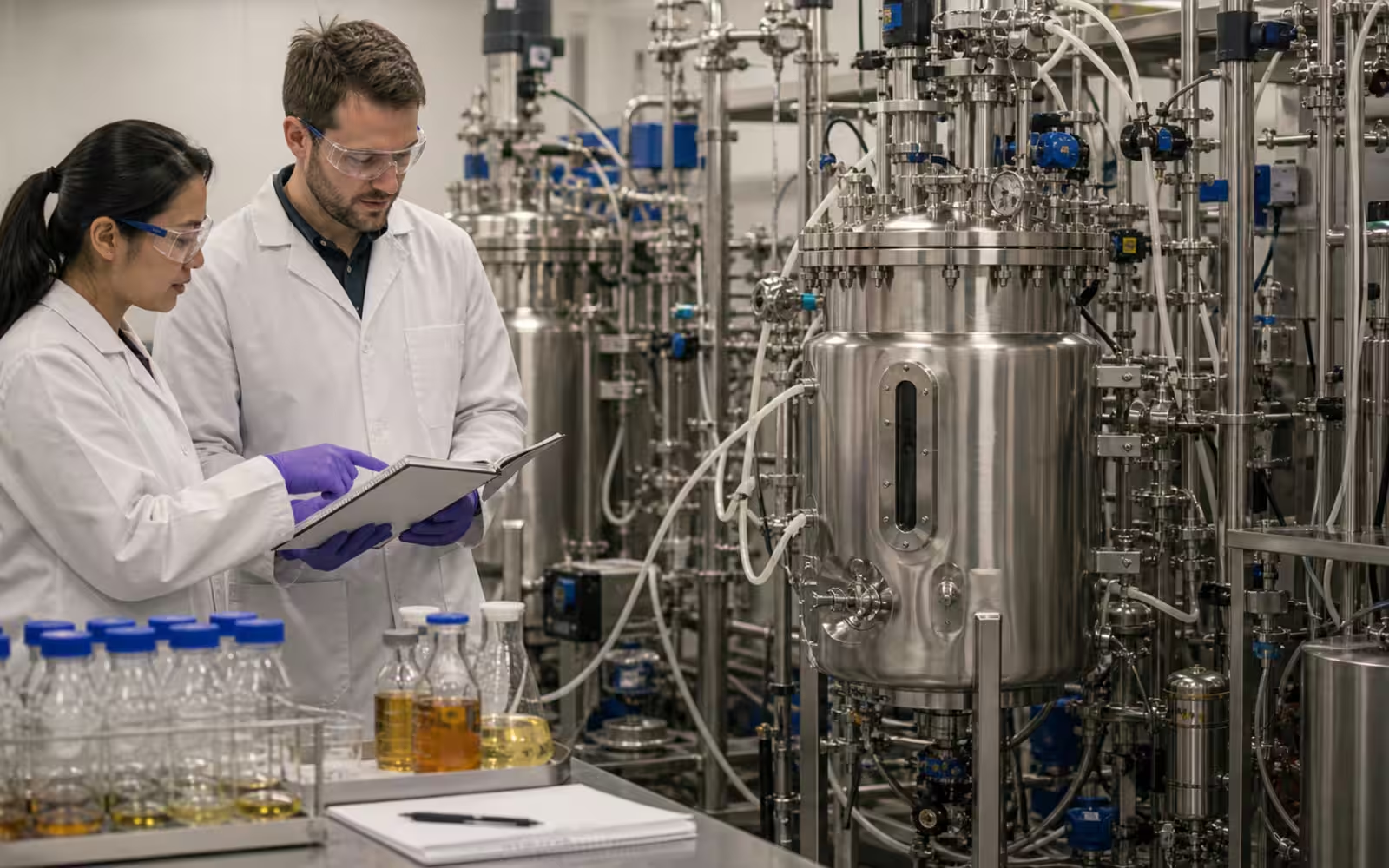
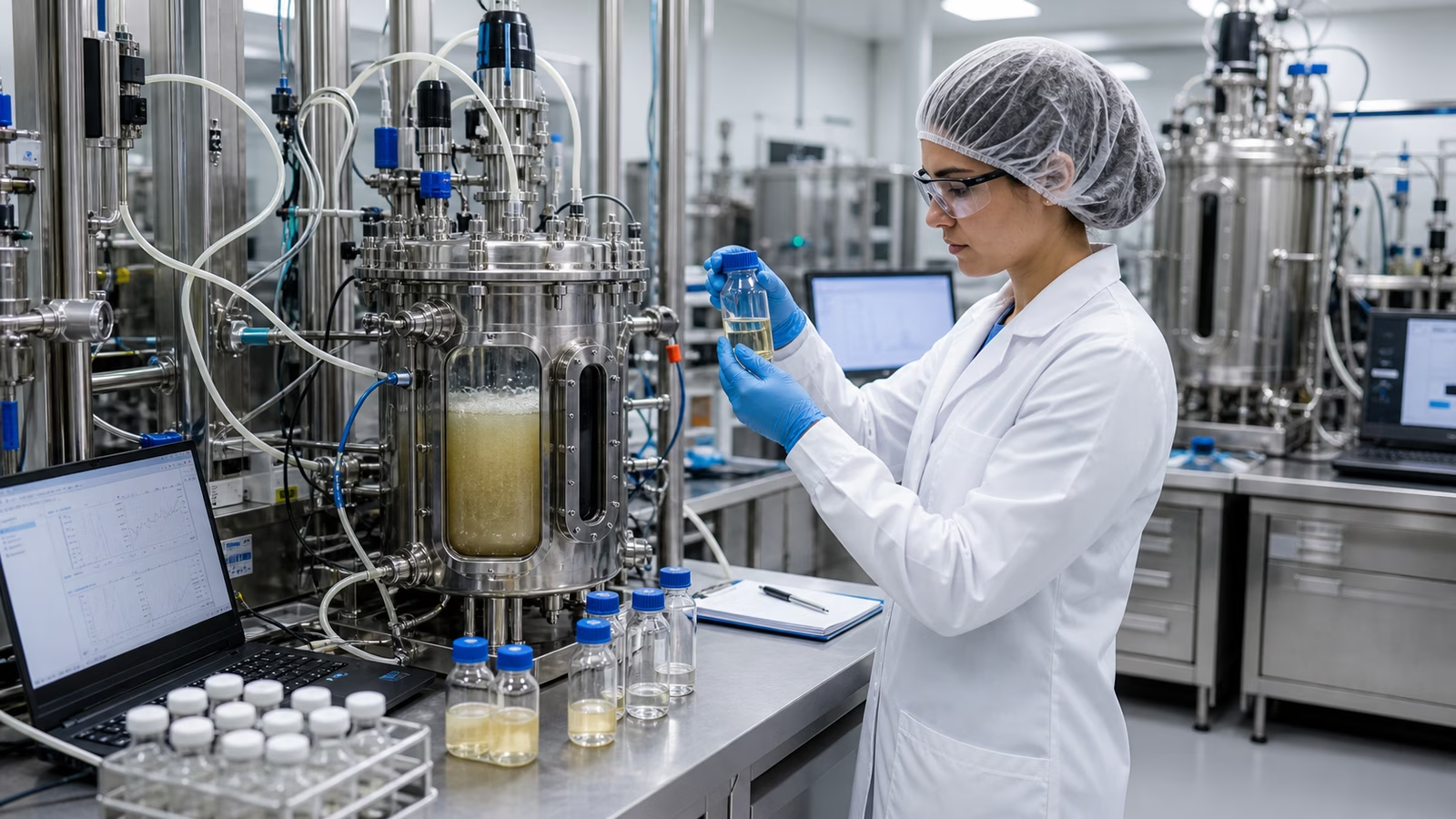
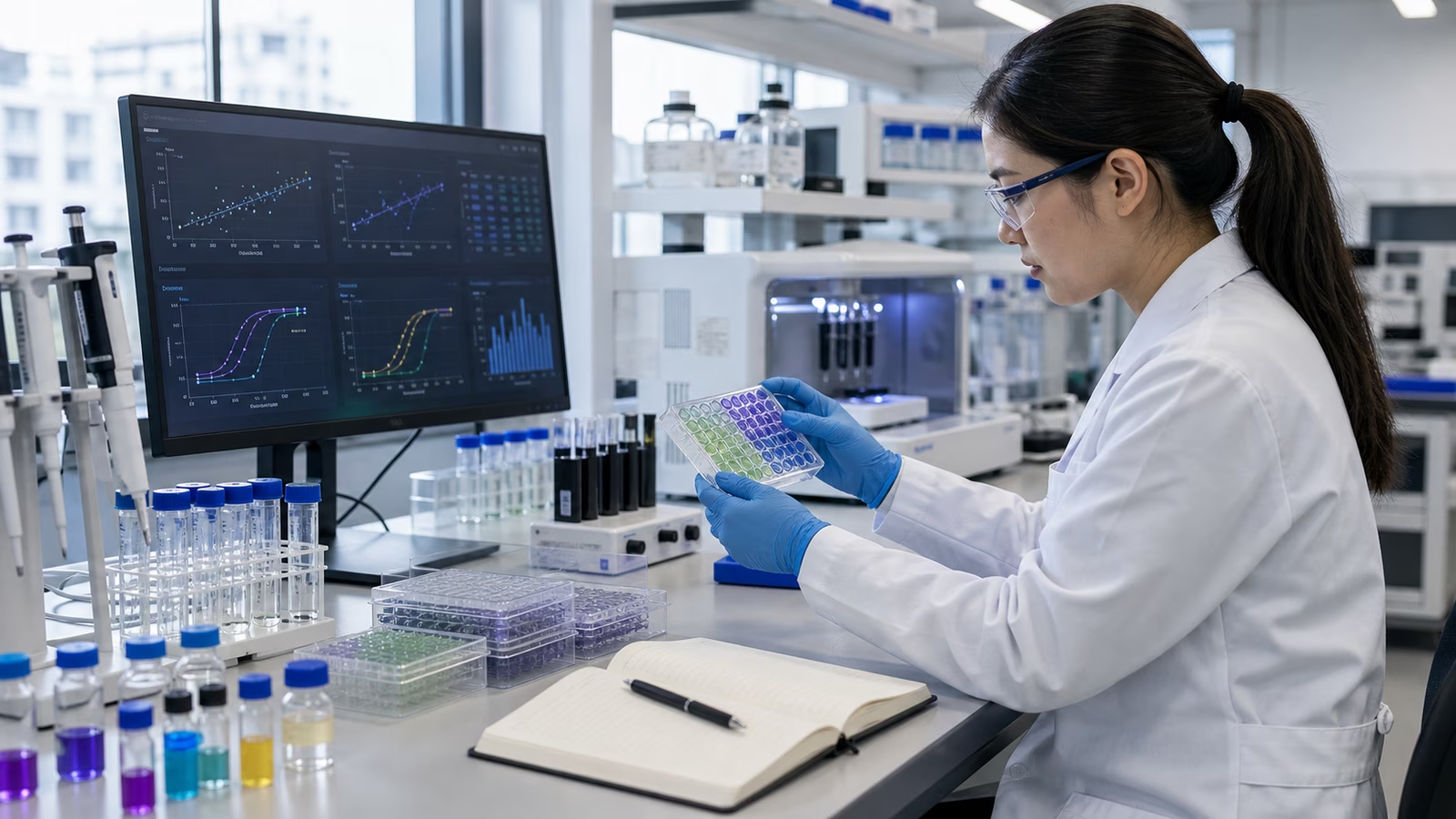
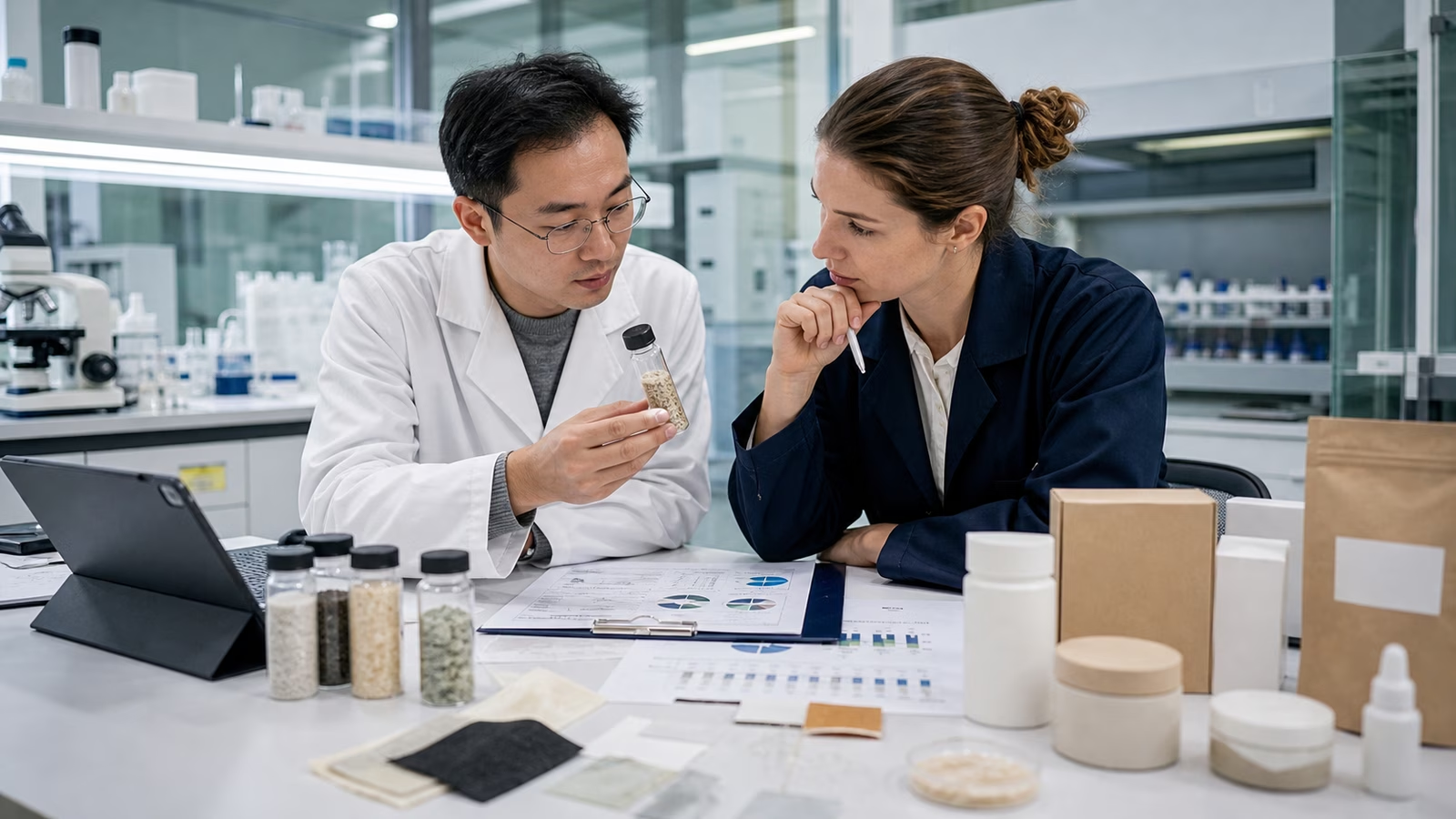
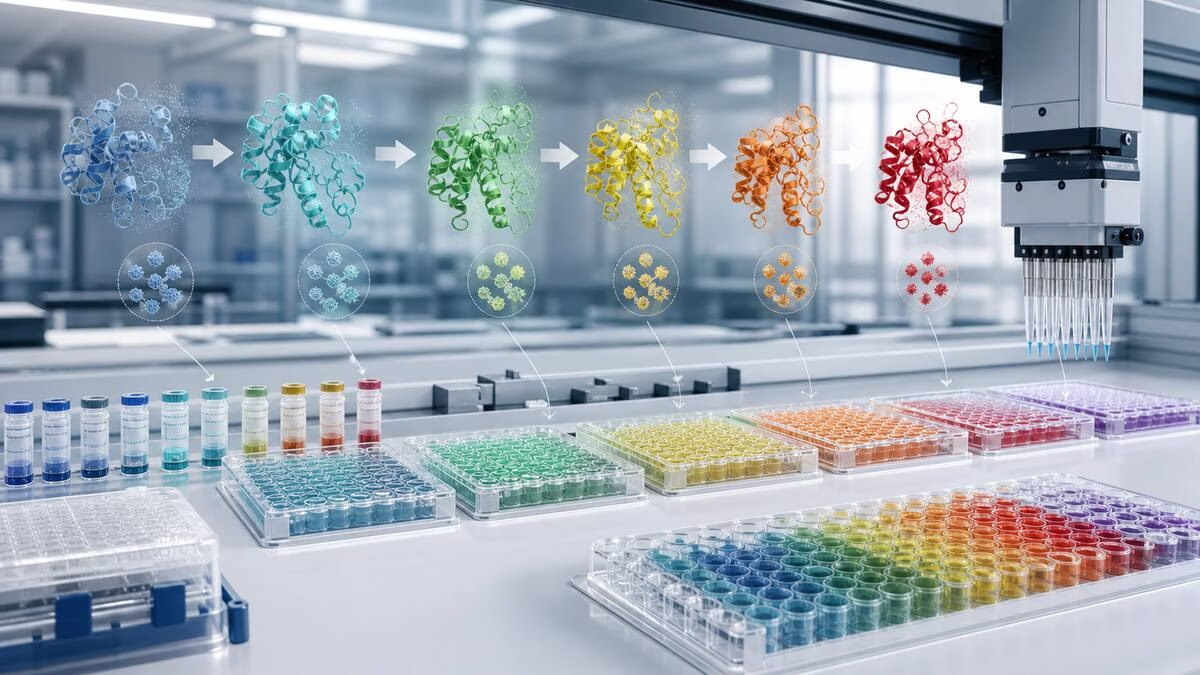
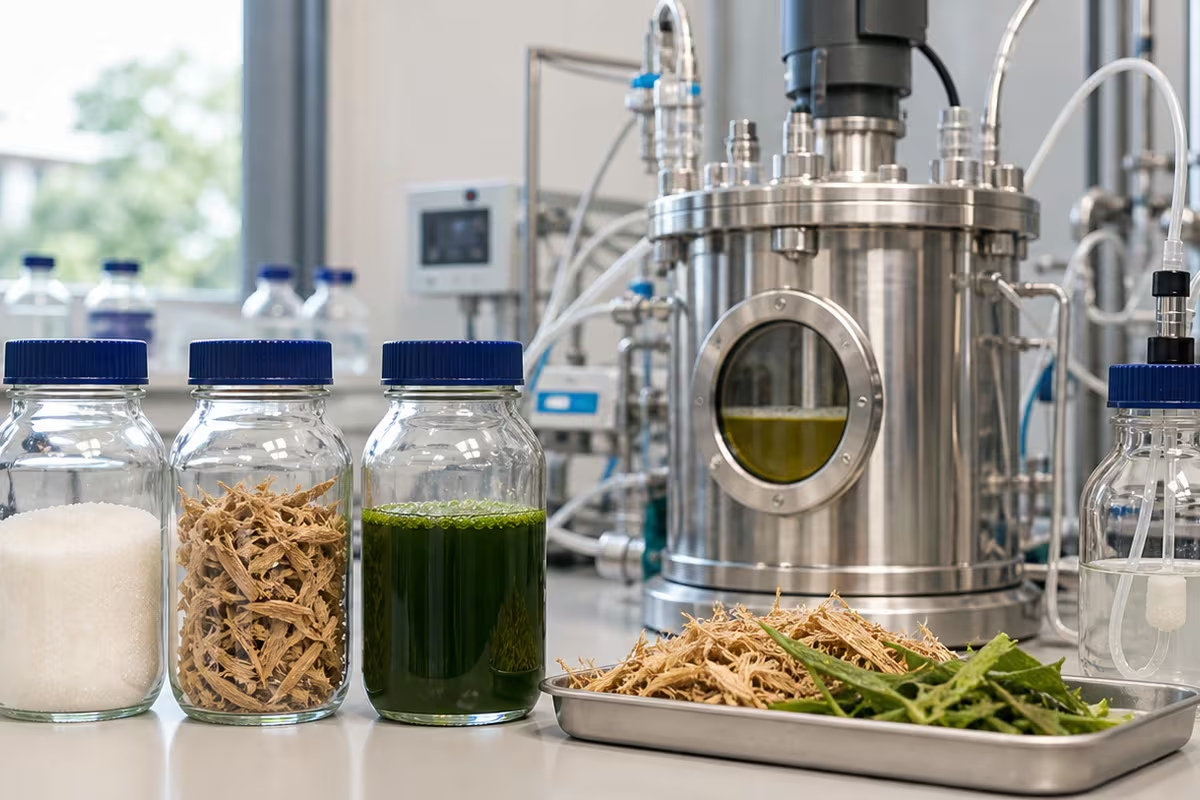
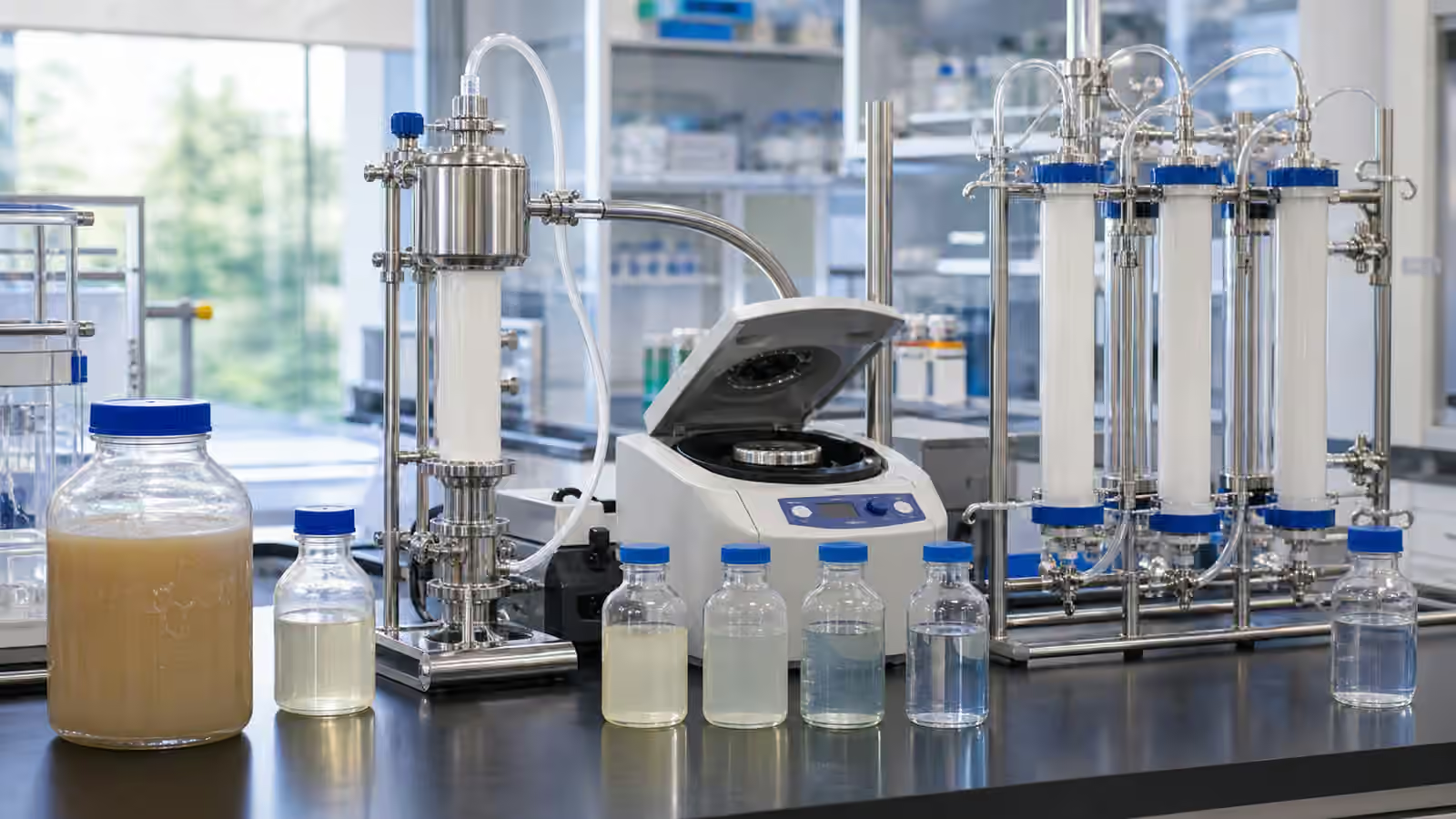
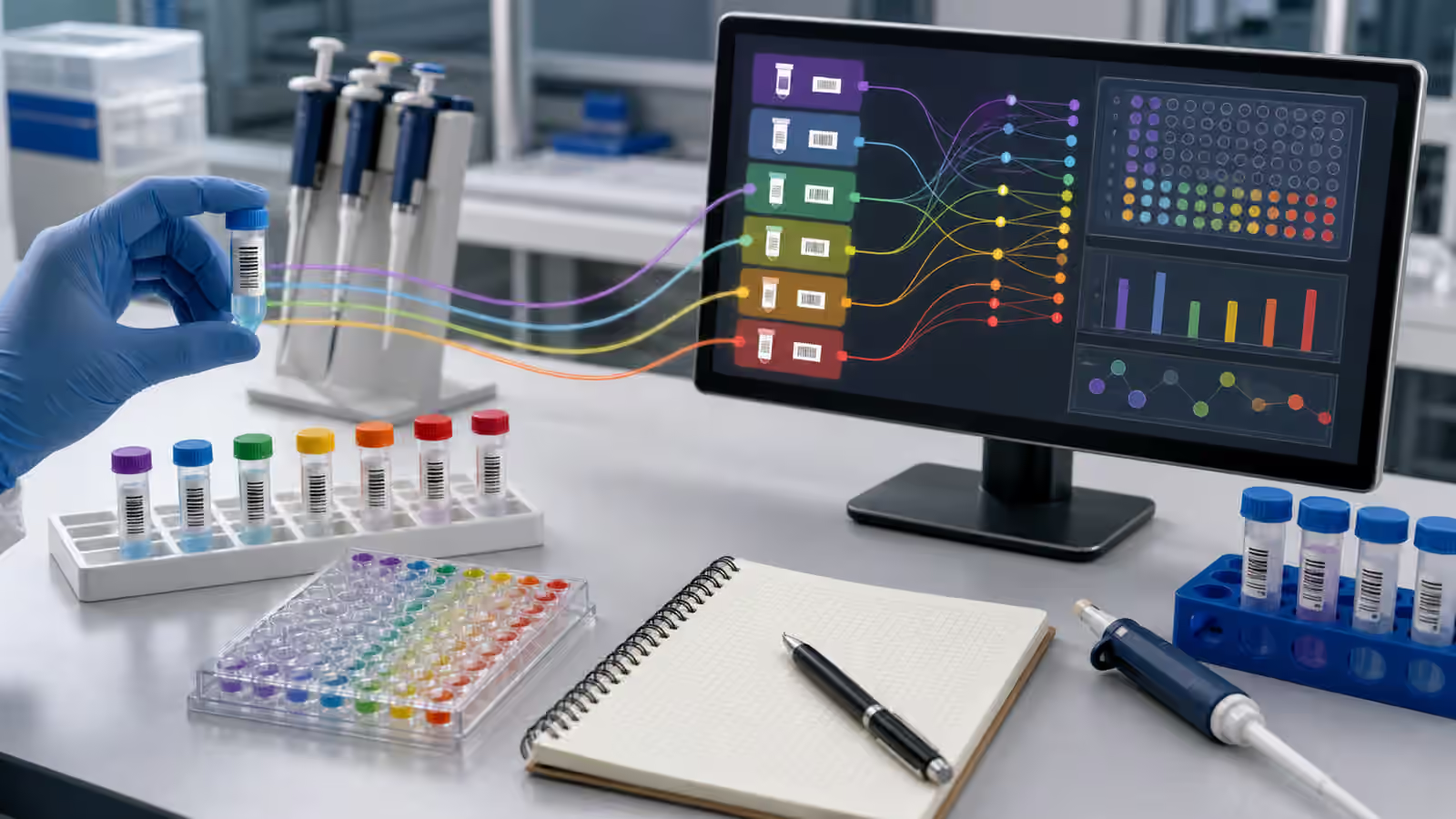
Biofoundries Explained fits between the quickstart and the production guides. It shows how design-build-test-learn workflows, lab automation, measurement, data discipline, and safety practices turn clever biological ideas into evidence that can actually be trusted. Biological Measurement and Controls zooms in on that evidence layer, explaining controls, calibration, repeatability, metadata, automation, and why a beautiful result is not enough until the measurement can be trusted. Strain Engineering then follows the living production system itself, explaining how a chassis organism becomes a production strain through pathway design, burden management, screening, measurement, and scale-up fit. Bioprocess Quality Control keeps that production story honest by following measurement, drift, contamination, specifications, documentation, and the trust that has to be built run by run. Biomanufacturing Feedstocks adds the material side of scale-up: sugar, side streams, gases, water, nutrients, logistics, and the cost of keeping living production fed. Living Materials extends the biofabrication path into mycelium composites, bacterial cellulose, engineered fibers, testing, scale-up, and end-of-life questions. Biosensors and Living Diagnostics adds the sensing side of the field: biology as a way to notice contamination, disease markers, process drift, environmental signals, and uncertainty before people make decisions. Industrial Enzymes shows the quieter manufacturing side: proteins that help detergents, food, textiles, paper, ingredients, and bioprocesses work with more precision. Cell-Free Synthetic Biology explains what changes when useful biological machinery is run outside living cells for prototyping, sensing, education, or specialized production.
Related Future topics
Synthetic Biology Lab connects naturally to AI Agents because modern biology increasingly depends on software, automation, lab data, and model-assisted discovery. It also connects to Physical AI Lab because biofoundries are physical systems: robots, sensors, pumps, plates, incubators, measurements, and safety checks all matter.