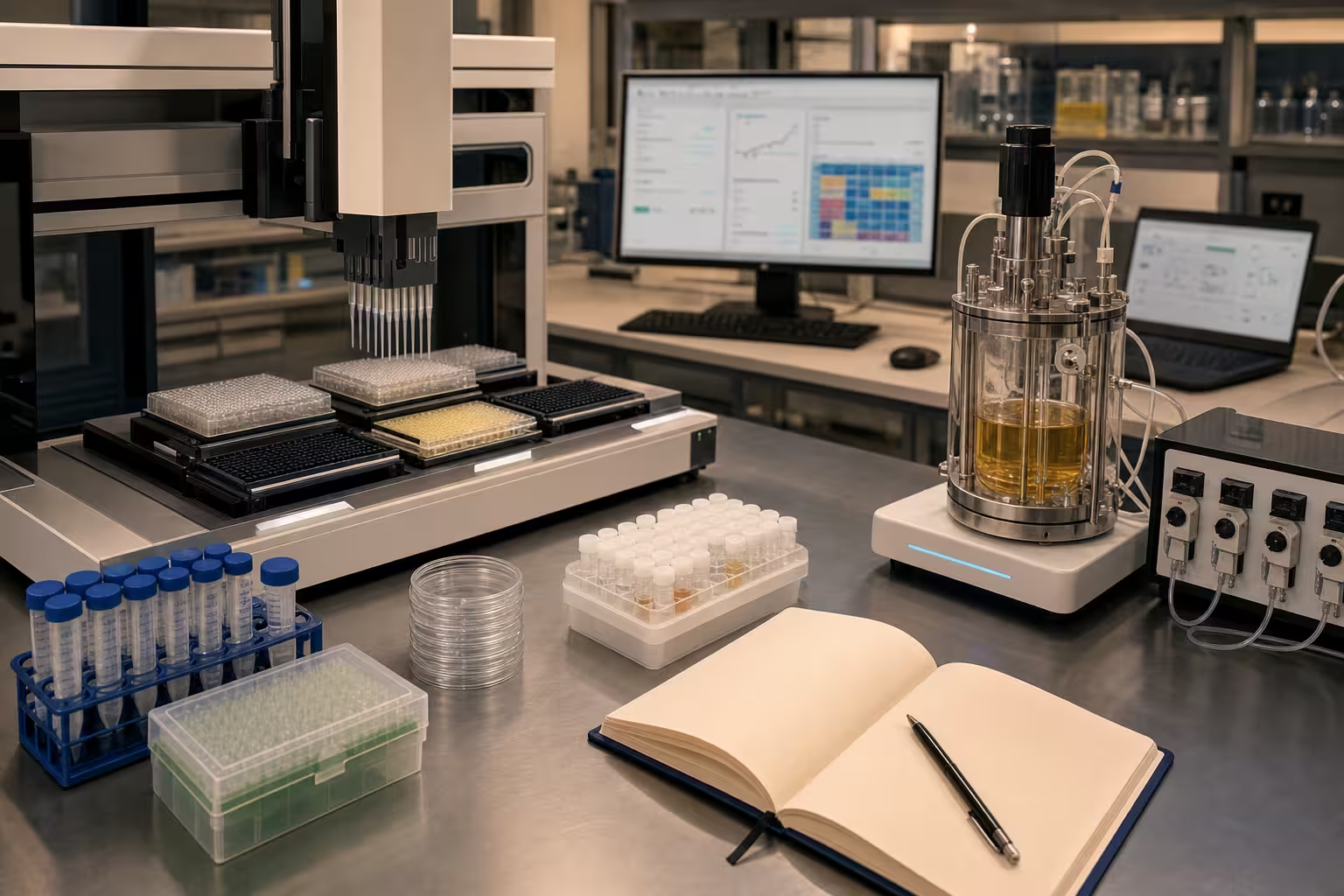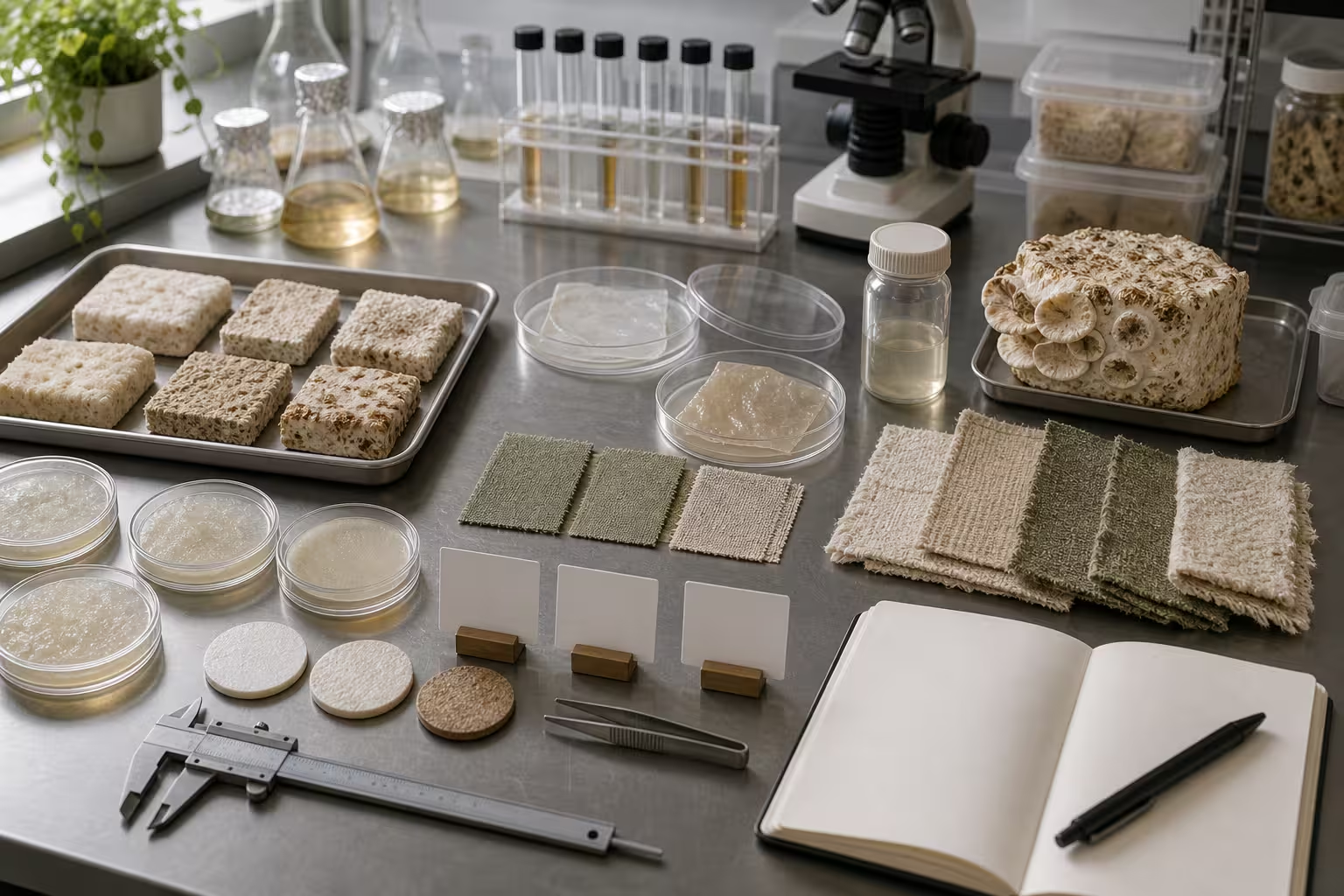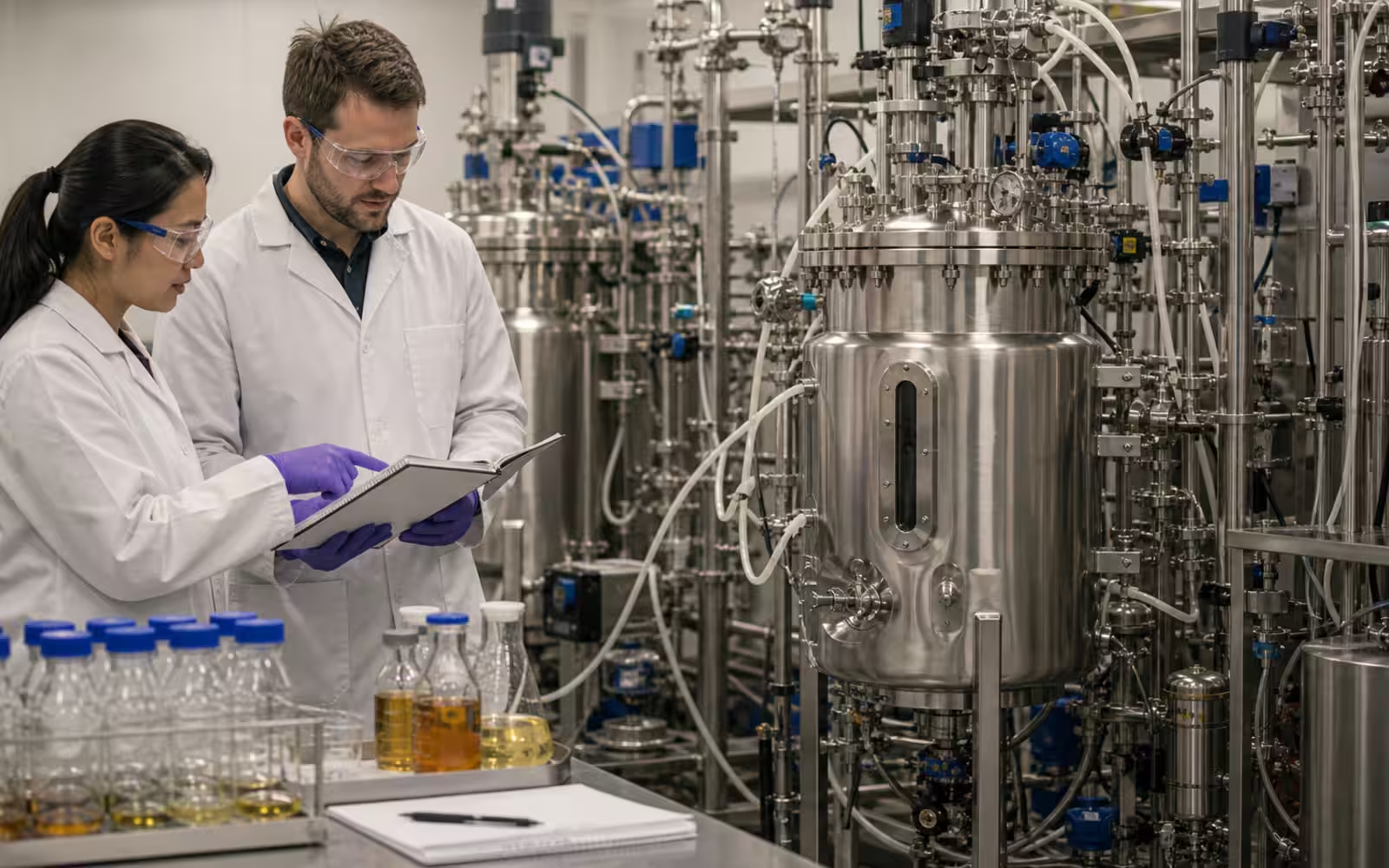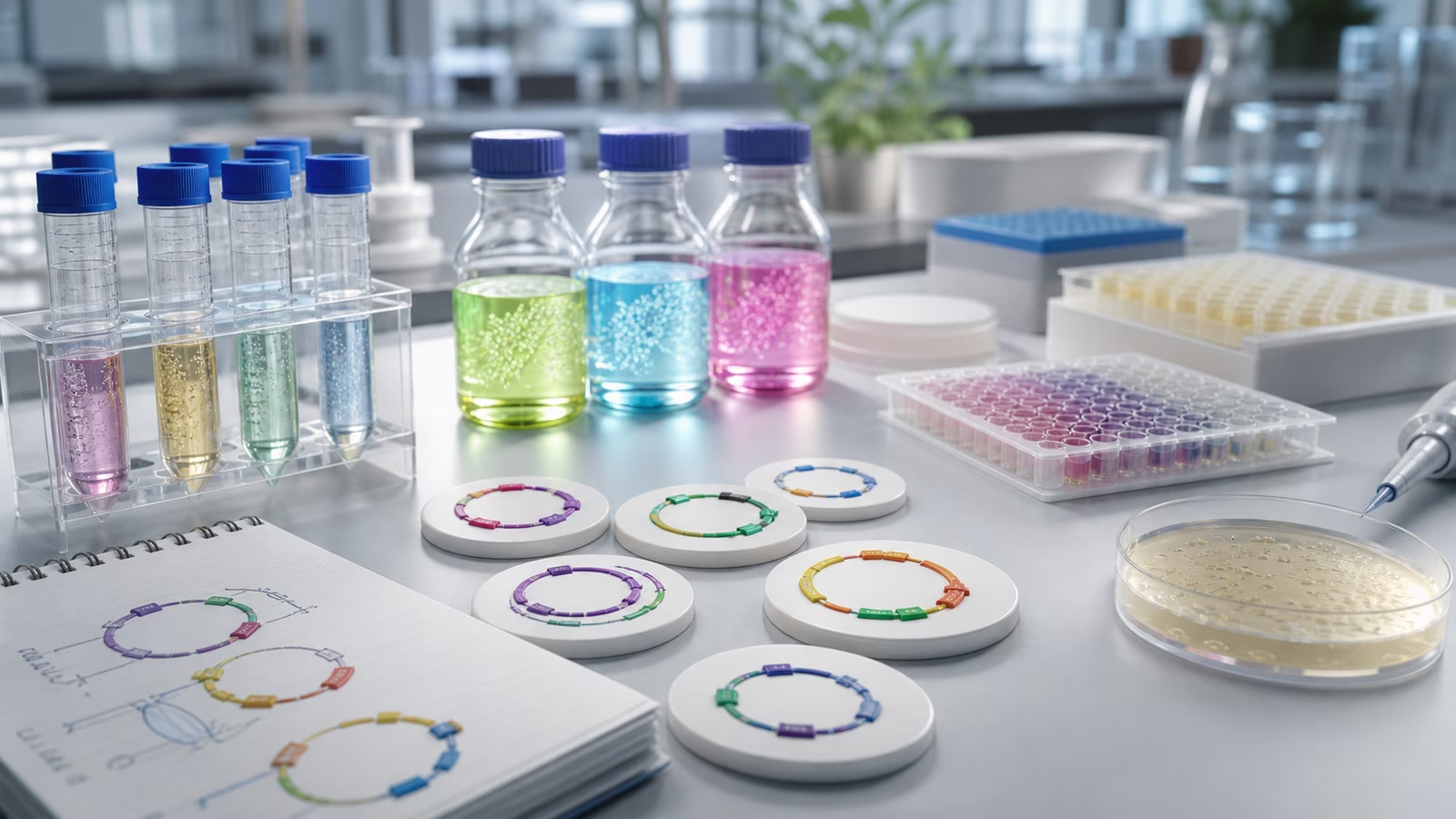
Synthetic Biology Lab is a guided tour through the future of programmable biology. It starts with a simple idea: cells are not computers, but they do read instructions, respond to signals, build molecules, repair themselves, and pass information forward. Synthetic biology asks what becomes possible when scientists can write some of those instructions with growing precision.
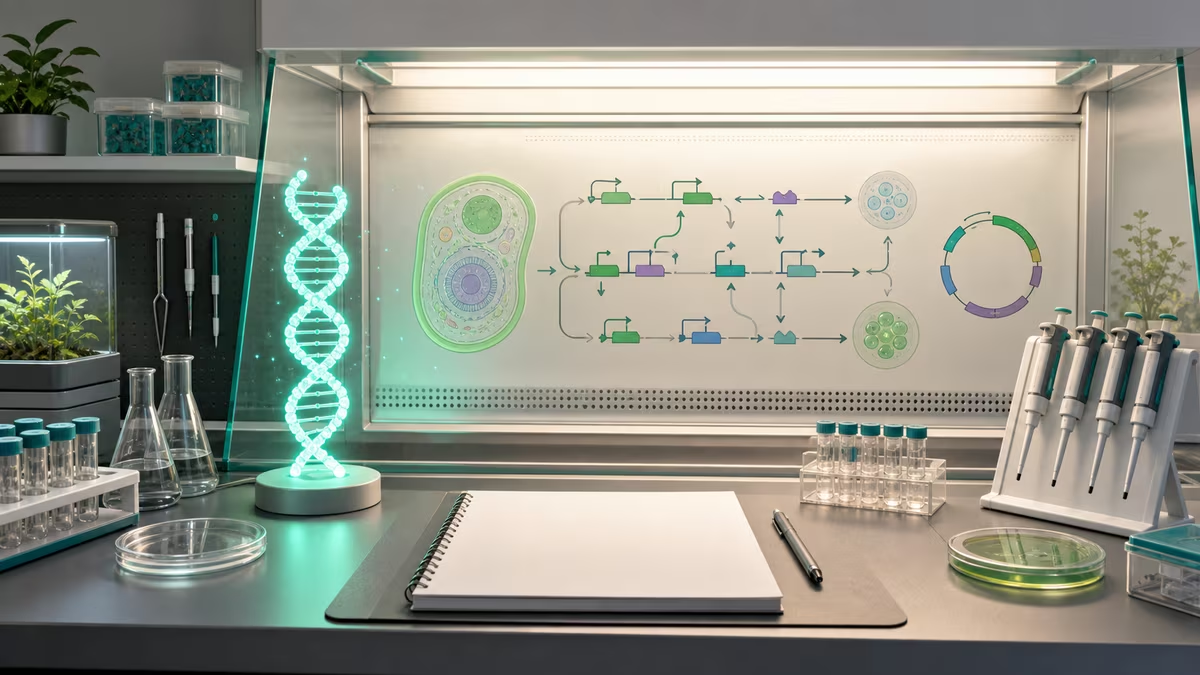
Plasmid is a circuit bench built from standard teaching parts. Place a promoter, an RBS, a coding sequence and a terminator on a plasmid ring, run the cell against every input, and find out why leak, burden and copy number turn a clean logic diagram into an analogue signal.
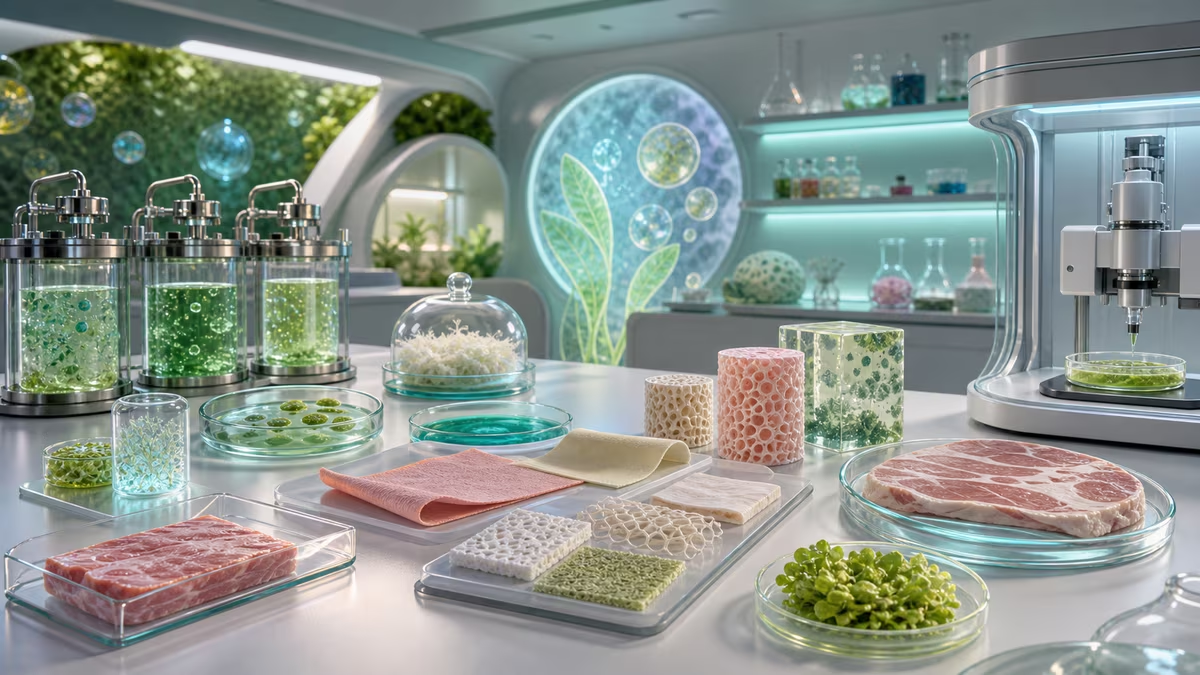
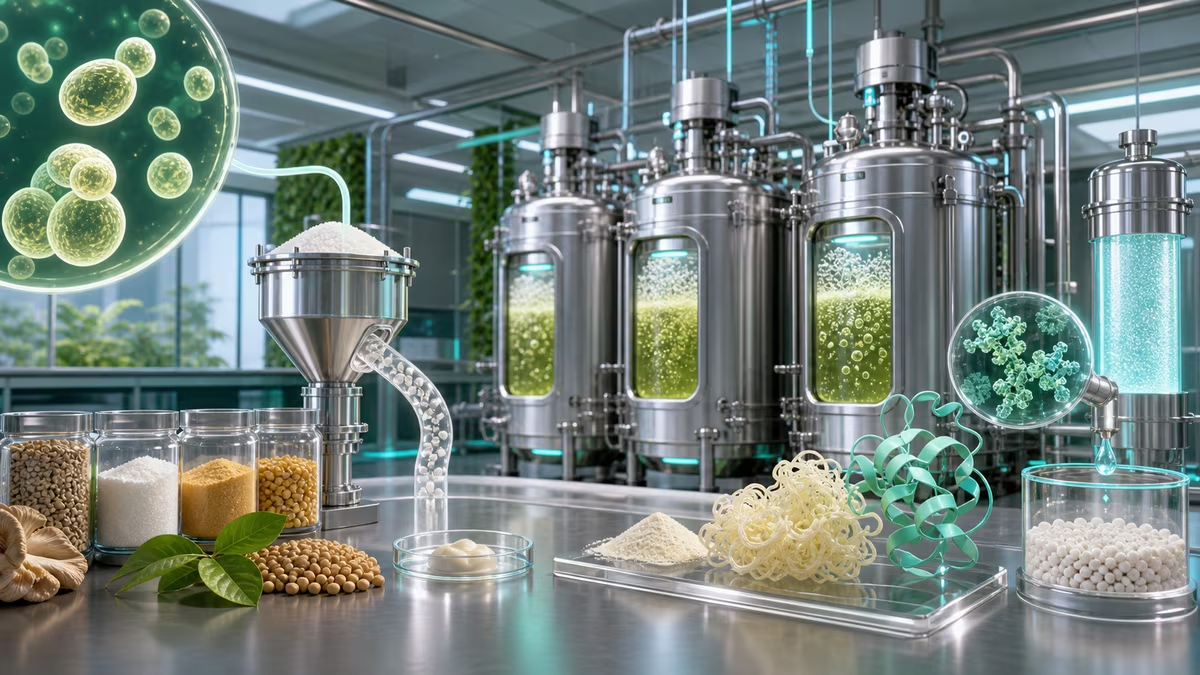
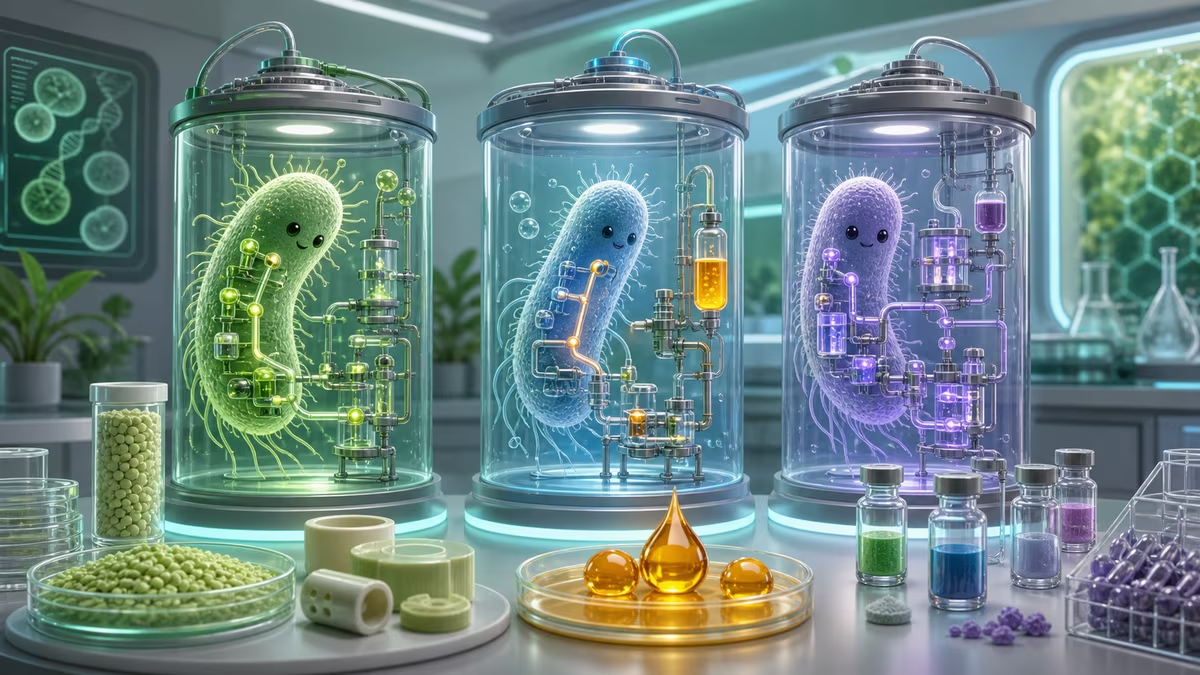
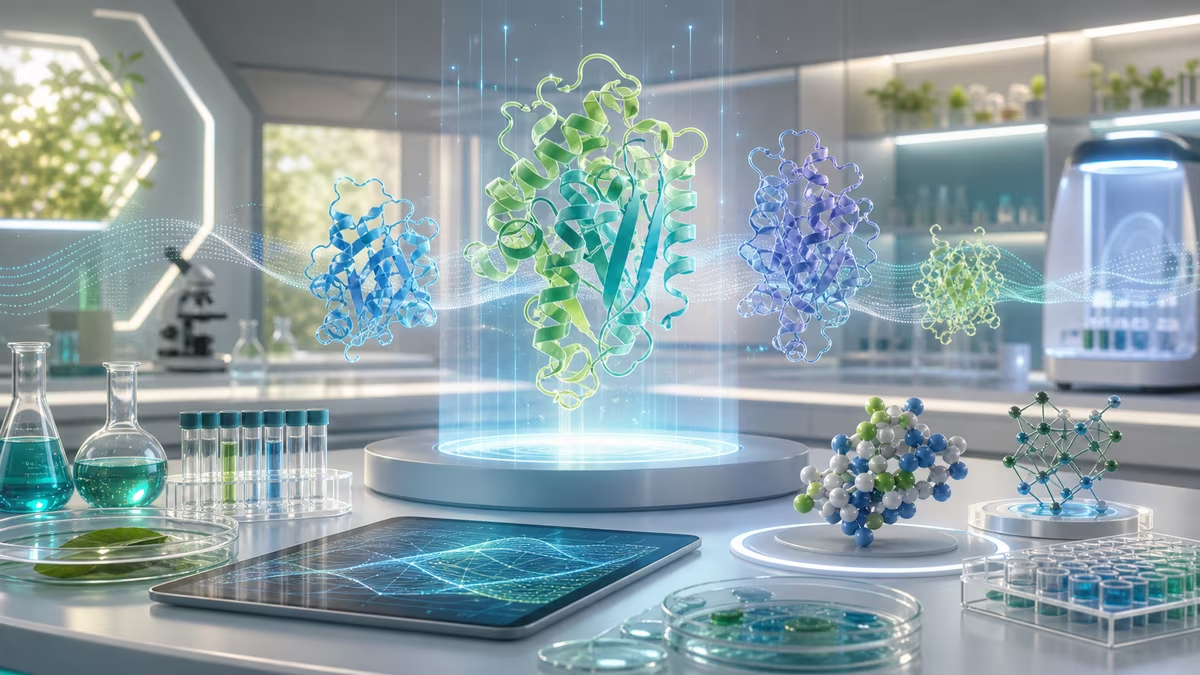
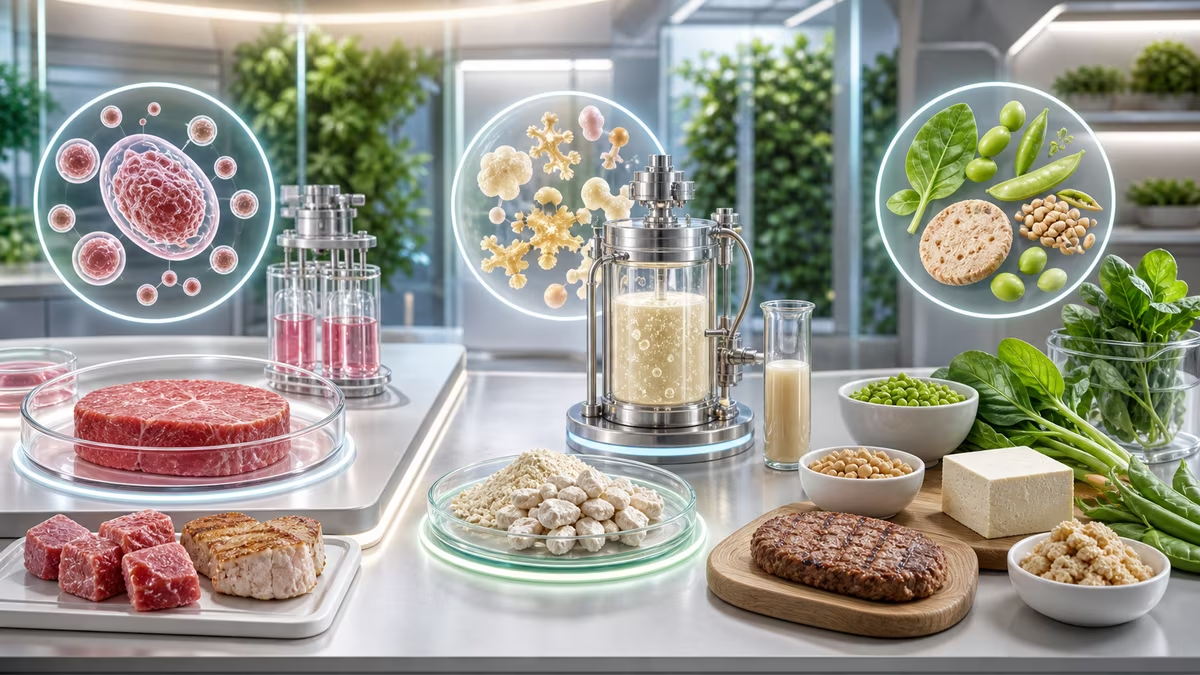
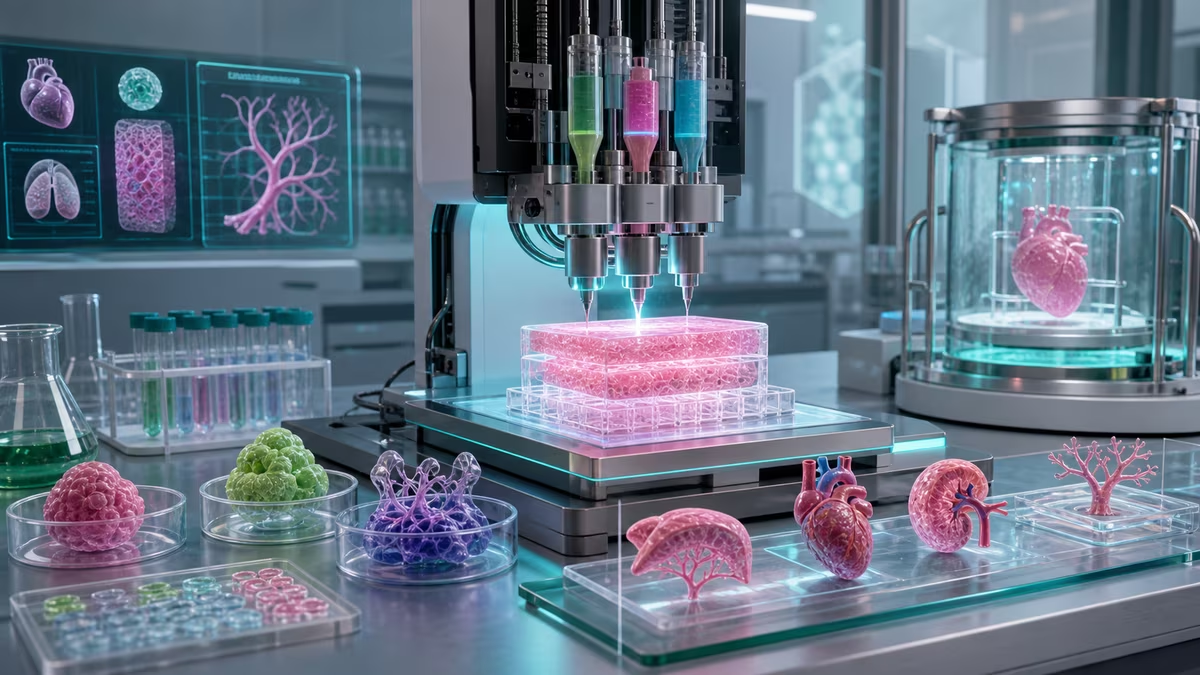
This is not a shrine to hype. The field is powerful because it is physical, messy, slow, regulated, and alive. A yeast cell can become a tiny factory for a food ingredient. A microbe can be engineered to sense pollution or make a useful chemical. A protein can be designed on a computer and then tested in a lab. A tissue printer can place cells in a scaffold, but that does not mean hospitals can print transplantable hearts on demand.
The promise is fascinating precisely because the constraints are real.
Start with the Synthetic Biology Lab guidebooks for beginner-friendly explainers on programming cells, DNA synthesis, biofabrication, precision fermentation, engineered microbes, AI-designed proteins, lab-grown food, tissue printing, and biosecurity. Then use the Learn with Fizz track to practice the core ideas as short lessons and quests.
If you are already exploring related Future topics, Synthetic Biology Lab pairs naturally with AI Agents for the software side of scientific work and Physical AI Lab for machines that act in the real world.