Open time can look restful from the outside and still feel hard to enter. A weekend, day off, school break, holiday, or unscheduled afternoon may arrive with no clear first move. The mind holds chores, rest, errands, messages, social plans, food, laundry, hobbies, recovery, and the hope of not wasting the day. With no anchors, everything feels possible and nothing becomes startable.
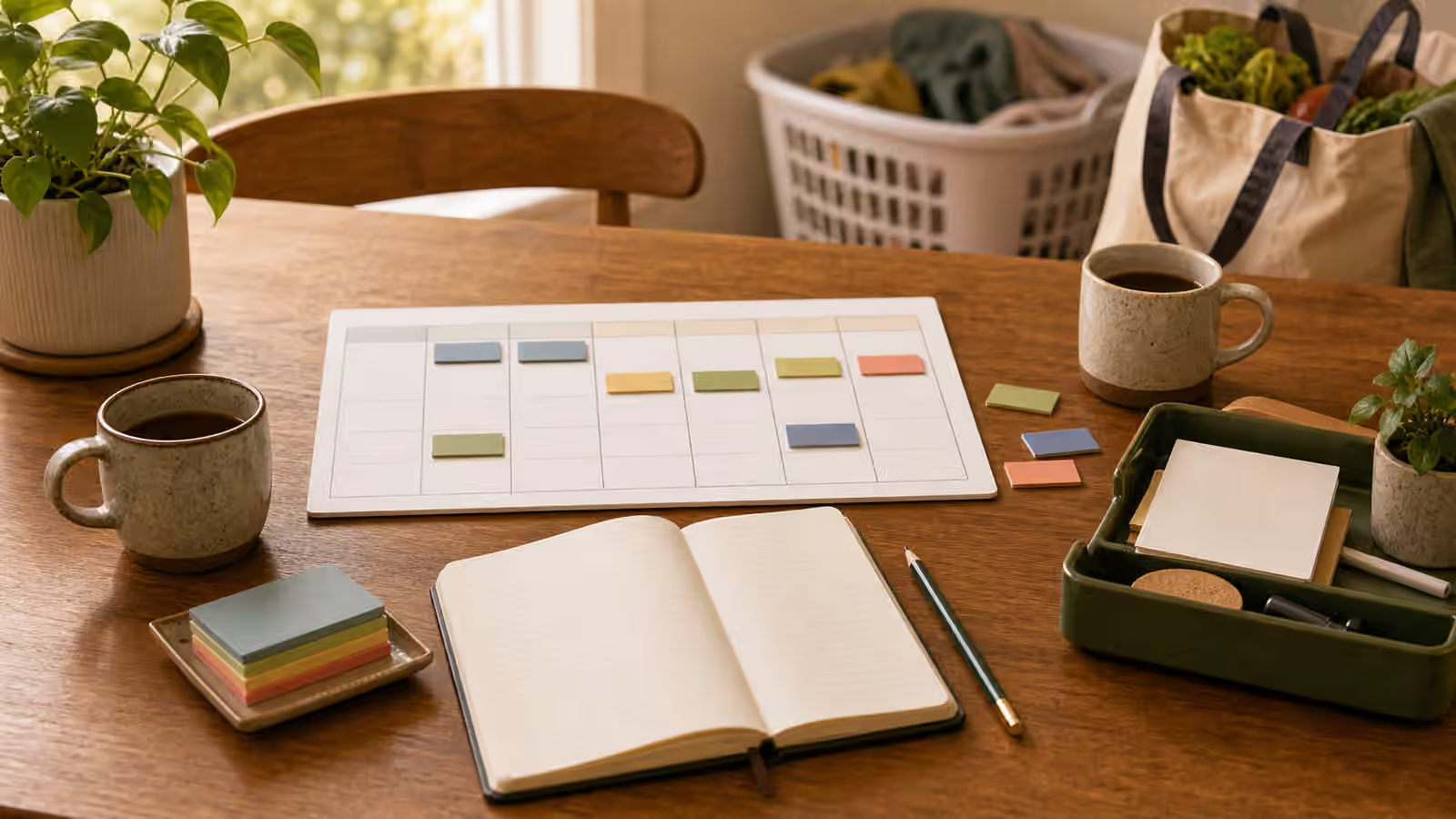
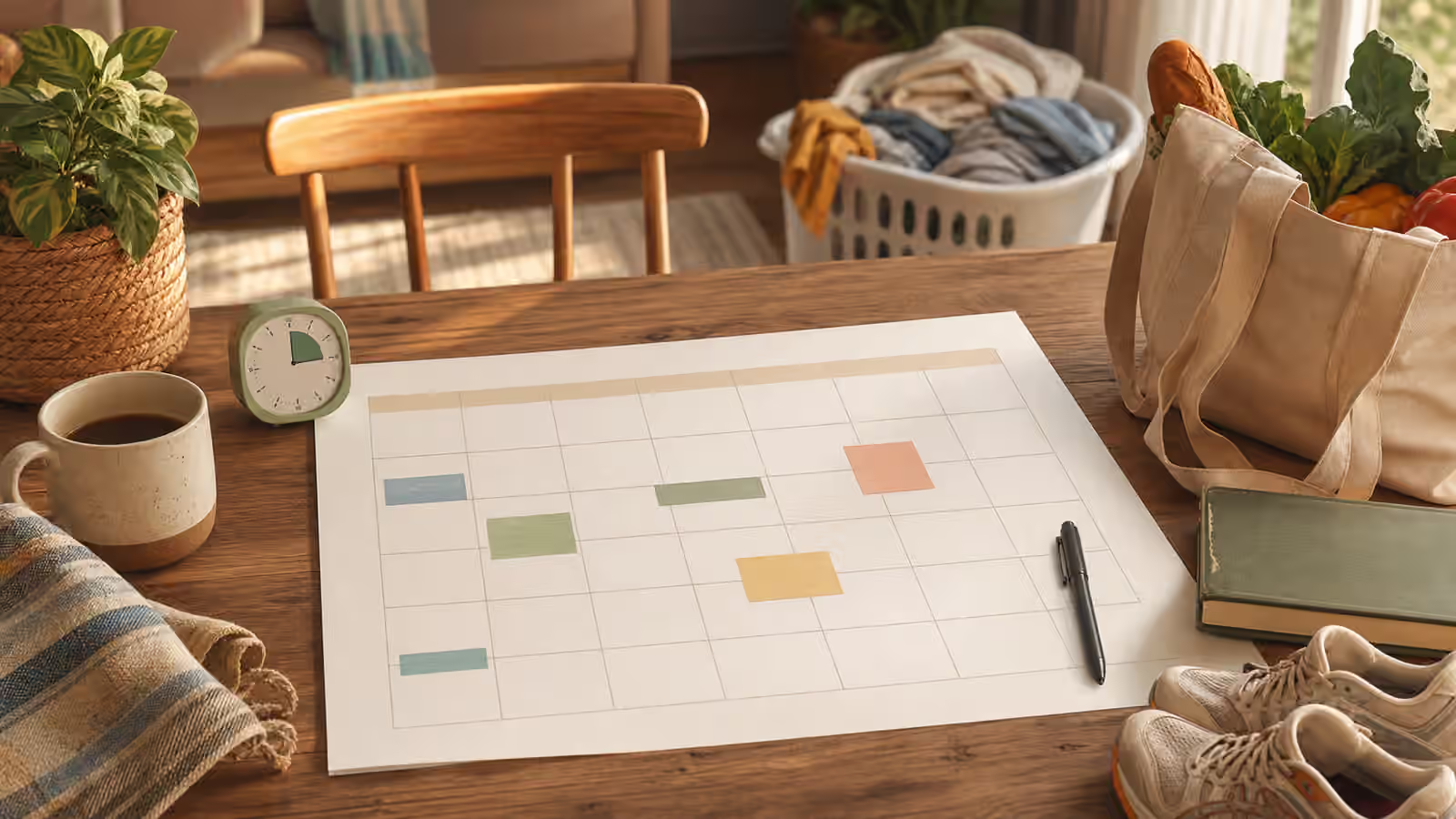
A weekend open-time map gives loose time a visible shape without planning every hour. It is not a productivity takeover of rest. It is a small map that names a few anchors, protects a few starts, and leaves room for drift without letting the whole day disappear into deciding.
Start With Anchors, Not Ambition
An open-time map begins with anchors that already shape the day. Sleep, meals, pickups, religious or community commitments, calls, visits, medication routines if they are part of someone’s existing plan, transit, store hours, shared household needs, and true rest all create edges. Naming those edges is kinder than pretending the day is a blank field.
Time Blindness Without Shame is useful here because open time can blur. A Saturday may feel enormous at breakfast and nearly gone by midafternoon. A visible anchor gives time a contour. The anchor might be lunch, a planned walk, a grocery trip, a laundry transfer, or a social visit. It does not need to be impressive.
Once anchors are visible, ambition can shrink to fit. Instead of asking what an ideal weekend would contain, ask what a real weekend can hold without crushing the recovery you need from the week.
Choose a First Start Before the Day Gets Loud
Open days often begin by sampling possibilities. Check messages, look at the kitchen, notice laundry, think about errands, remember a project, open a feed, consider breakfast, and suddenly the first hour is gone. The problem is not laziness. The day did not have a first start.
Use The Start Line before the day gets crowded. Choose one first physical move that belongs to the day you actually want. Put the grocery bags by the door. Start the washer. Open the hobby box. Fill the water bottle and step outside. Put the admin papers on the table. The first start does not have to be the most important task. It has to make the day enterable.
If choosing creates friction, borrow from Task Triage When Everything Feels Urgent . Ask which task becomes harder if ignored, which task supports other tasks, and which task can be made small enough to begin now. The answer may be laundry, food, rest, or one message. It does not have to be noble.
Make Room for Rest as a Real Block
Many open-time plans fail because rest is treated as the leftover space after every task behaves perfectly. That makes rest fragile. If chores run long, rest disappears. If rest happens first, guilt follows because no place was made for it. A better map treats rest as a real block with edges.
Rest does not have to mean doing nothing. It might mean reading, a walk, a nap, a quiet meal, a hobby, time with someone, or leaving the house without stacking another errand onto the outing. The important part is that rest is not merely the absence of work. It is one of the day values being protected.
Energy-Matched Task Menu helps because weekends often contain uneven energy. A low-energy block may need a low-energy task or real rest. A medium-energy block may handle groceries. A high-energy block may handle a project. Mapping energy roughly keeps the day from demanding the hardest work at the moment you are least able to start it.
Keep Chores Bounded
Unstructured days are vulnerable to chore sprawl. You start with laundry, notice the closet, move to the bathroom, remember the car, open a cabinet, and the day becomes a tour of unfinished maintenance. Chores are real, but without boundaries they can swallow both rest and meaningful work.
The Weekly Reset Without the Overhaul offers a useful boundary. Choose a small reset that makes the next few days easier. Do not require the weekend to repair the whole home. A chore block might handle one laundry cycle, one grocery start, one trash pass, one desk reset, or one kitchen shutdown. The block should have a finish line before it begins.
Good-Enough Finish Lines is important because chores always offer more. The weekend map should show when chores stop, not only when they start. A visible stop protects the rest of the day from becoming “just one more thing.”
Add Social and Outside Plans Carefully
Social plans can make open time easier because they provide anchors, but they can also create waiting mode. If a plan sits vaguely in the middle of the day, everything before it may feel unusable. If the plan has no preparation start line, leaving may become rushed or avoided.
Social Plan Start Lines can turn a vague visit, call, or meetup into a few visible moves. Put the clothes out. Set the departure time with a buffer. Place the item to bring by the door. If the plan is uncertain, use Waiting Mode Bridges so the open hours before it do not vanish entirely.
The map should also leave space after social energy. Some people need transition time when they return. A weekend that ignores reentry may look efficient on paper and feel punishing in the body. A small landing block after a visit can protect the rest of the day.
Leave the Map Loose Enough to Use
The weekend open-time map should be visible, simple, and easy to abandon without shame. It can live on paper, a whiteboard, a calendar, or a note. It should show anchors, one first start, one or two task blocks, and some protected rest. It should not require a perfect hour-by-hour schedule unless that genuinely helps you.
If the day changes, revise the map instead of declaring it ruined. Move the anchor. Shrink the chore. Keep the rest. Choose a smaller first start. A useful map is a steering tool, not a contract. It gives open time enough shape that the day can begin, then it allows the day to remain human.
The win is modest and practical. By the end of the weekend, you should be able to see where the time went, which starts were protected, and what can wait in a visible place. That is very different from demanding that a day off become a perfect second workweek.