Small missing supplies can stop much larger tasks. The tape is gone when a package needs closing. The trash bags are empty when the bin is full. The soap refill is somewhere else. The batteries are not where the device lives. The pantry item is finished but never made it onto a list. None of these problems looks dramatic from the outside, but each one can break the start line of an ordinary task.
A supply refill start station gives those small gaps a place to become visible before they turn into blocked chores, delayed errands, or repeated searches. It is not a warehouse and not a perfect inventory system. It is a modest landing place for the moment when “almost out” becomes “needs a next move.”
Notice the Blocking Supply
The first useful shift is to treat a missing supply as part of the task, not as a random annoyance. If dishes stall because the sponge is unusable, the blocked task is not only dishes. It is also sponge replacement. If a return stalls because tape is gone, the blocked task includes tape. If morning care stalls because the refill bottle is empty, the blocked task includes locating or buying the refill.
This does not mean every supply deserves an elaborate system. It means the supply should be visible at the moment it blocks a repeated task. A small cue can prevent the same frustration from returning next week. The cue might be the empty package placed in a refill tray, a blank card in the grocery area, or the item moved to a visible “replace” spot.
Friction Audit: Find the Hidden Step is useful because supplies are often hidden steps. The task looks like cleaning, cooking, mailing, studying, or getting ready, but the actual first obstacle is an object that is missing, empty, dead, or stored in a place nobody checks.
Give Refills One Landing Place
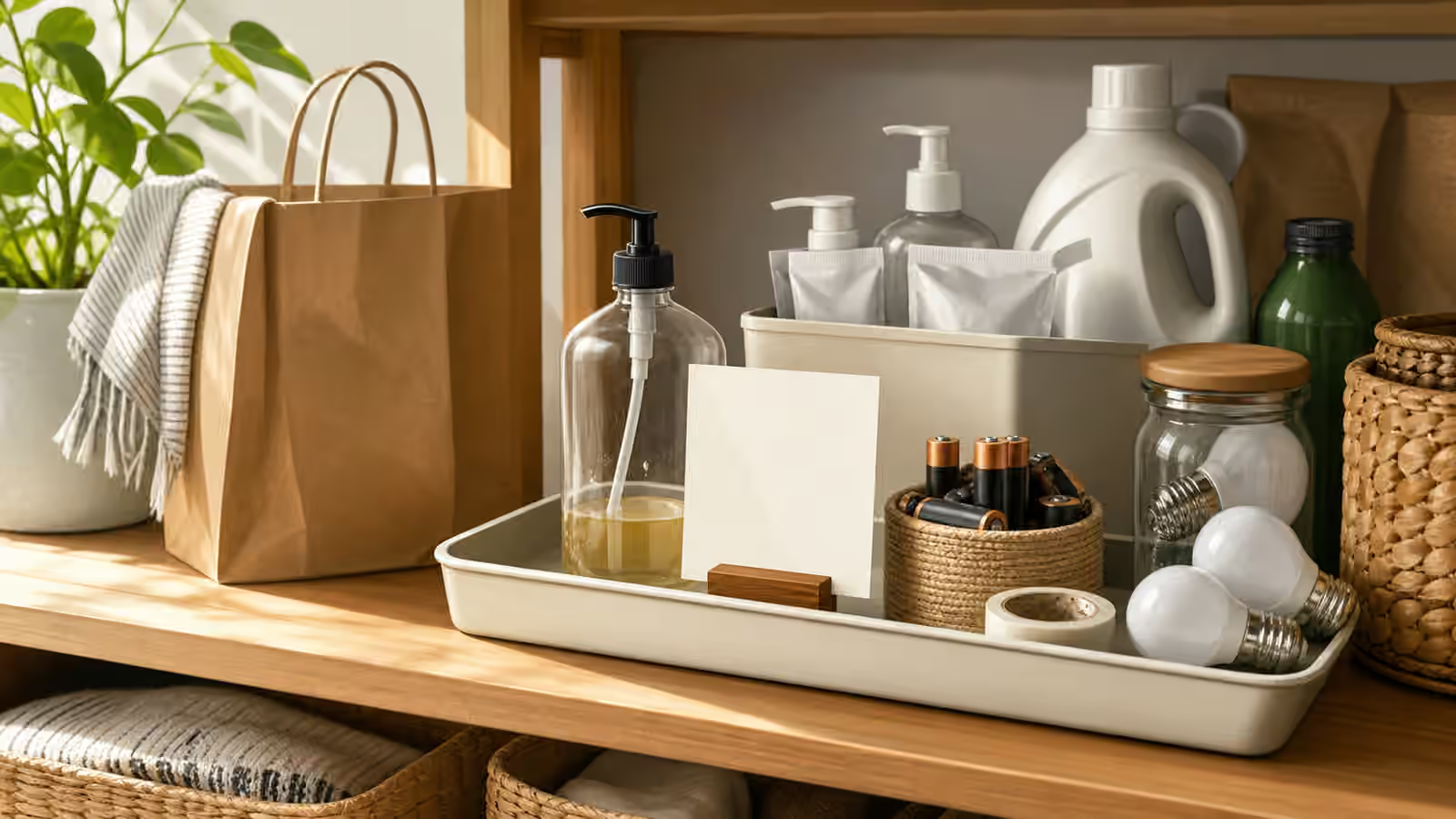
A refill station should be close to the path where supply gaps are noticed. For some homes, that is a pantry shelf. For others, it is a utility closet, entry table, kitchen drawer, cabinet door, or small tray near the grocery list. The station needs to be easy to reach when the gap appears. If the station is too far away, the empty package will stay on the counter or disappear into the trash before it becomes information.
The station can hold a few kinds of cues. An empty package can show exactly what needs replacing. A blank card can stand in for something too messy to keep. A small bag can hold items that need to be taken to a store, office, classroom, or repair place. A note can say where the backup supply lives if there is one. The form matters less than the habit of making the gap visible.
Working Memory Offloading explains the larger principle. Do not ask memory to carry “we are almost out of tape” for four days while also carrying meals, messages, errands, and appointments. Let the station hold the cue.
Separate Backup From Refill
Backups help only when they are findable and connected to the moment of use. A backup roll, bottle, battery pack, bag box, or pantry item hidden in a crowded cabinet may technically exist while the task still stalls. The refill station should make the difference between “backup available” and “needs replacement” easy to see.
If the backup exists, the start line is to move it into the active place and leave a refill cue behind. If no backup exists, the start line is to capture the refill need where shopping or ordering decisions happen. Those are different moves. Mixing them creates confusion: you think the problem was solved because the active task resumed, but the backup was not replaced and the same block returns later.
Recurring Maintenance Cue Stack can help for supplies that disappear on a rhythm. The cue stack does not need exact tracking. It can simply connect the recurring task with the object that keeps it possible.
Tie the Station to Real Errands
A refill cue that never joins a real errand becomes another small pile. The station needs a bridge to wherever refills are handled: a grocery list, household admin time, store trip, online order, workplace supply request, or shared handoff. Choose the bridge that already exists instead of inventing a new one if possible.
For food and household basics, Grocery Starts Without the Aisle Spiral is the natural bridge. The refill station can feed the grocery start by holding the empty package, a card, or a photo cue until the list is made. For trash bags, tape, light bulbs, cleaning supplies, or batteries, the bridge might be a weekly errand, a shared household board, or a small admin batch.
The station should make the next move obvious. If the cue requires interpretation every time, it is too vague. “Need more” is weaker than the empty package. A random object on the counter is weaker than an object in the refill tray. The goal is to reduce the number of times someone has to rediscover the same supply gap.
Prevent the Station From Becoming Storage
A refill station can drift into storage if every spare item lands there. Then the cue disappears under the inventory. Keep the station small and active. It should hold signals, not the entire household supply system. Backups can live nearby if that makes sense, but the refill cue needs its own visible spot.
When the station fills up, do a short reset. Ask which cues are still real, which have already been handled, which belong on a shopping list, and which are actually open loops waiting for a decision. Do not sort every cabinet. Clear the station enough that the next missing supply has a place to land.
Open-Loop Parking Lot is useful when a refill is tangled with a larger decision. Maybe the supply keeps running out because the storage place is awkward, the household has not agreed on a replacement, or the item belongs to a project that is no longer active. Park the larger issue separately so the refill station can stay practical.
Make the Next Task Easier
The value of a refill station is measured at the next task, not at the shelf. Can the trash bag be found when the bin is full? Can the tape be found when the package is ready? Can the soap be refilled before the sink area becomes annoying? Can the grocery list catch the missing pantry item before cooking begins? Those moments are where the station earns its space.
Start with one supply category that repeatedly blocks tasks. Give it a landing cue, a backup place if needed, and a bridge to the next errand or list. Keep the station visible enough to use and small enough to reset. A missing supply will still happen sometimes. The difference is that it no longer has to vanish into memory, reappear as frustration, and block the same task again.