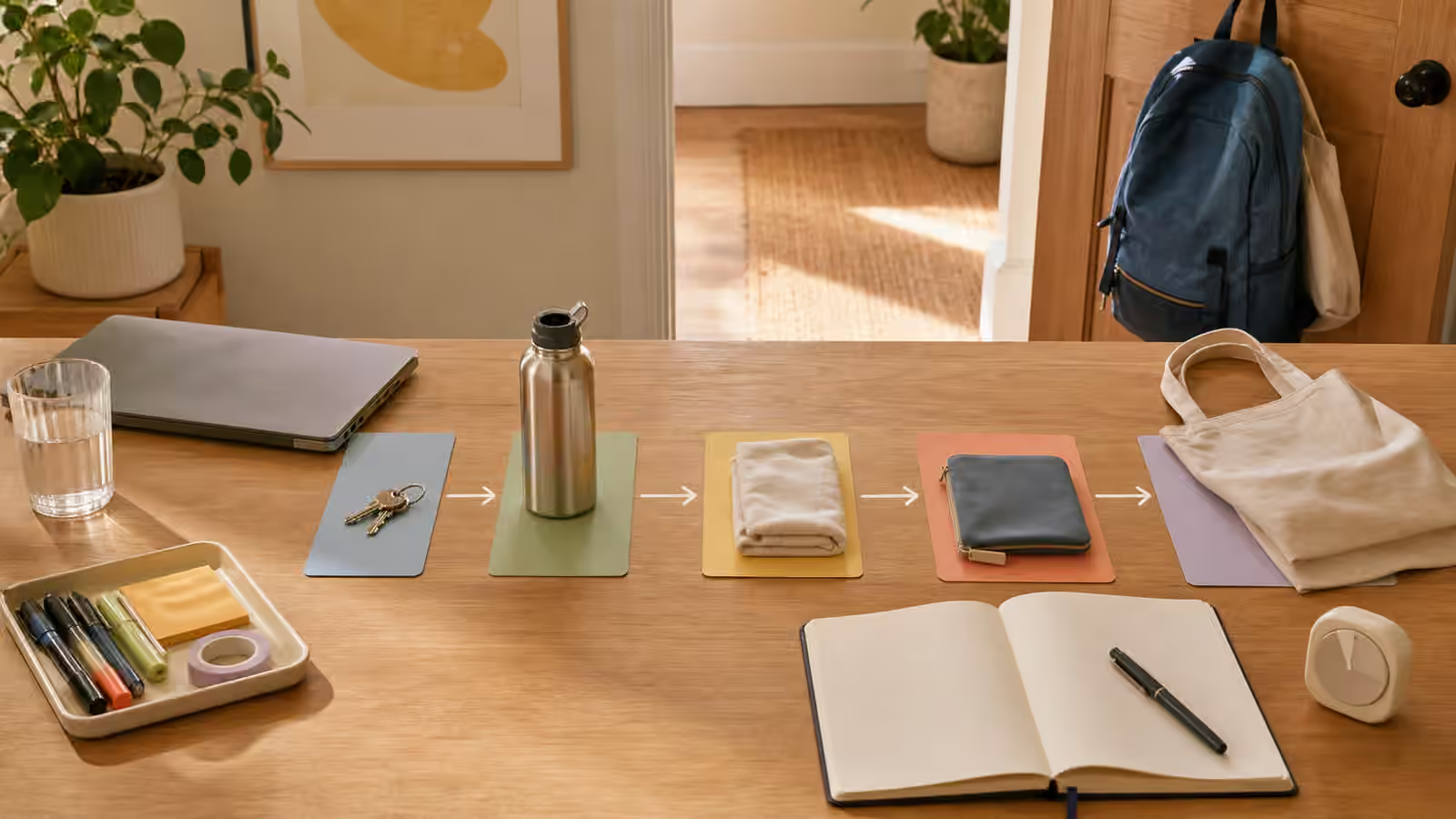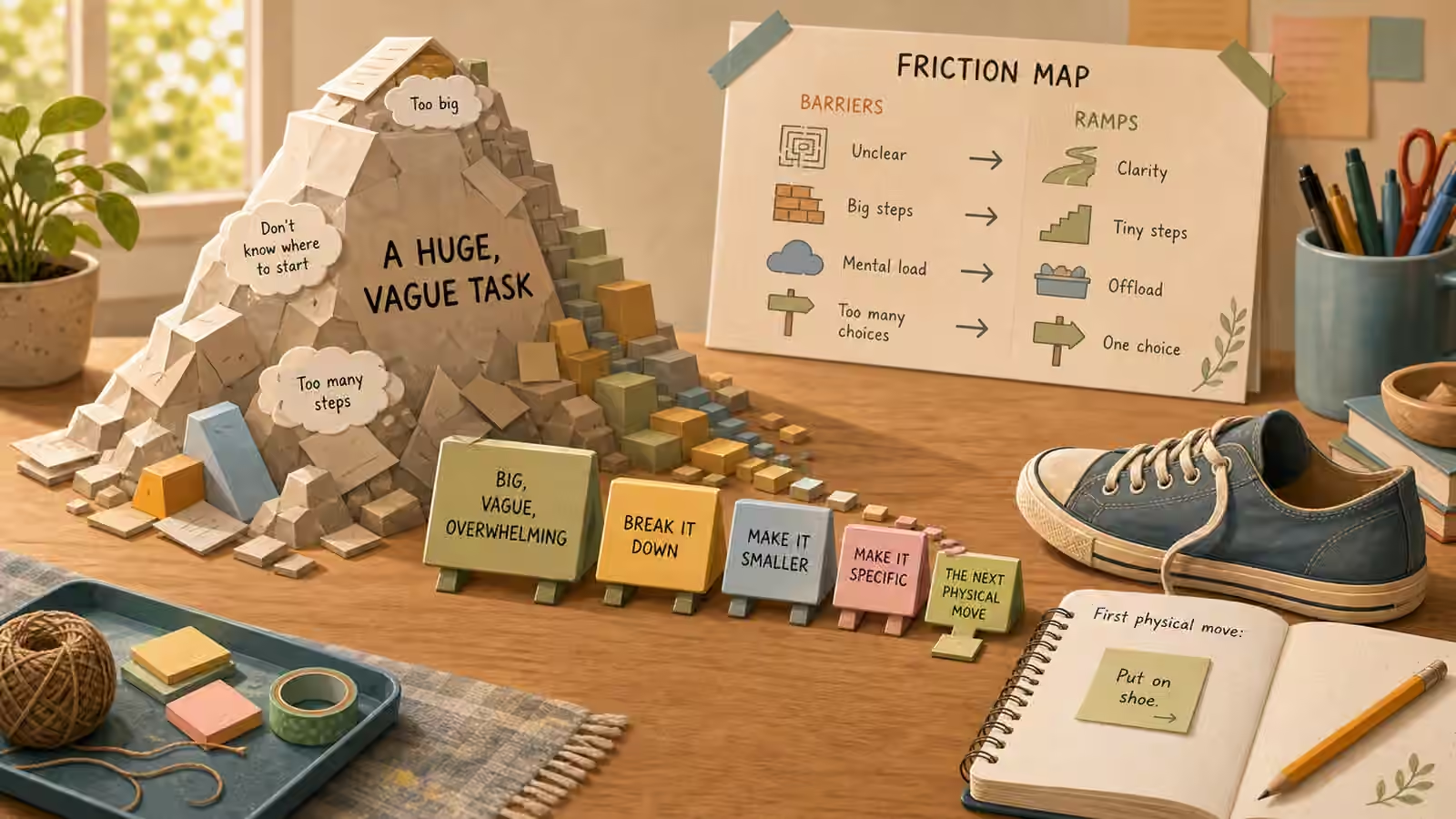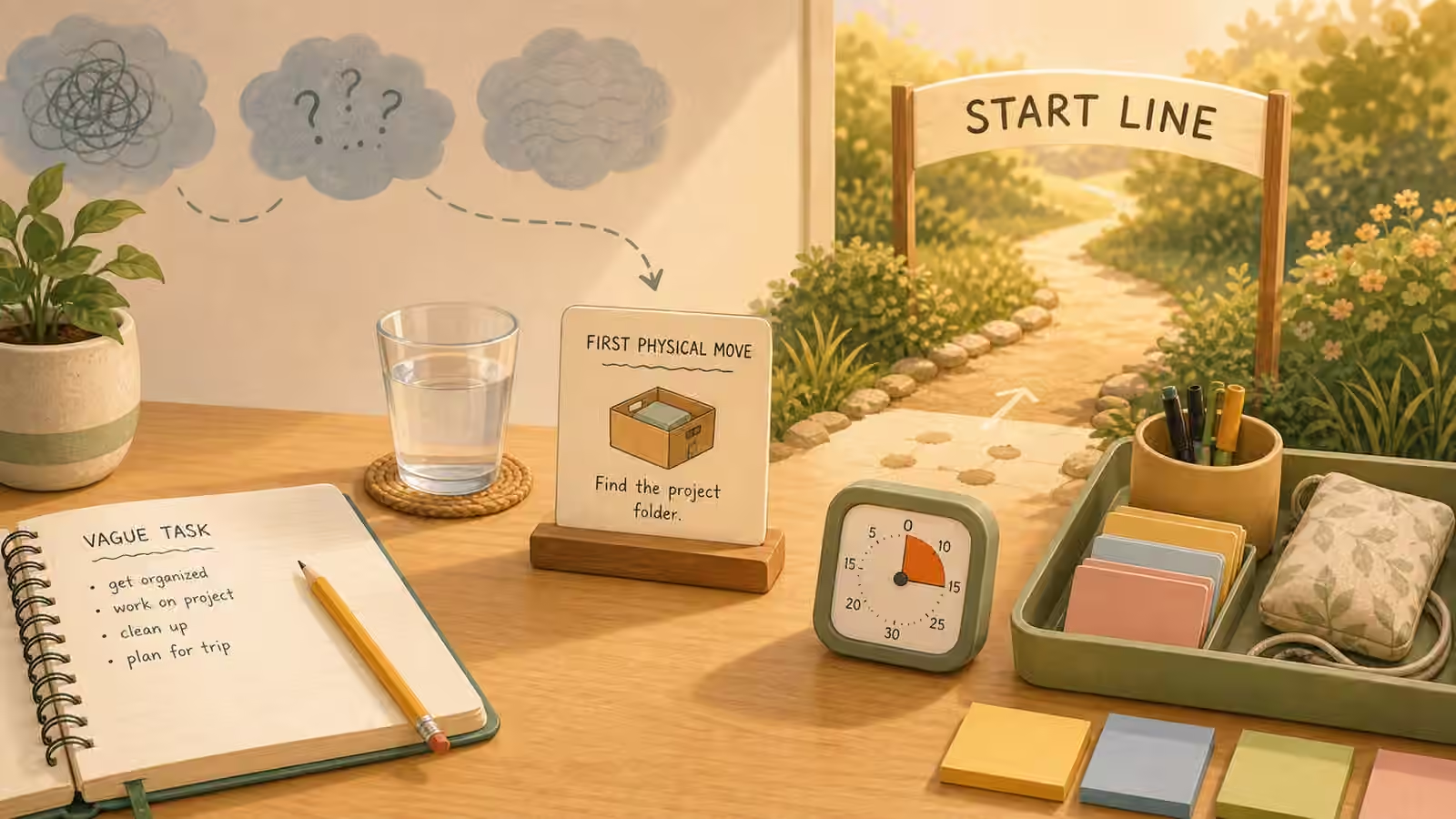
A Start Line is the exact spot where a task stops living in your head and becomes something your hands can touch. It is not the goal, and it is not the plan you keep rehearsing on the drive home. It is the single move that turns “I should deal with this” into an object sitting in front of you, half-open, waiting. Everything you have been treating as one intimidating chore is actually a chain of moves, and the only link that matters right now is the first one.
Most of us try to start tasks at the wrong end. We stand at the finish and ask ourselves to picture the whole thing done, then wonder why our body refuses to move. The document you have not opened is not really the essay; it is the essay plus the outline plus the fear of a blank page plus the memory of the last time this took four hours. A Start Line ignores all of that. It asks a much smaller question: what can you physically do in the next thirty seconds that leaves visible proof the task has begun?
Why the boring version wins
The best Start Lines are almost embarrassingly small. Open the document. Set the shoes beside the door. Lay the unpaid bill on the kitchen table where you will see it. Put the empty bowl in the sink. None of these finishes anything, and that is the point. A move this small can happen even when your attention is not cooperating, even when you are tired, distracted, or quietly dreading the work. Ambition is expensive at the start of a task. Motion is cheap. You want the cheapest possible move that still counts.
There is a quiet honesty in choosing the boring version. A grand plan flatters you but rarely survives contact with a real Tuesday evening. A Start Line survives because it asks for so little that refusing it feels sillier than doing it. Once the object is in your hands, the task has changed shape. It is no longer a wish; it is a thing in progress, and things in progress are far easier to nudge forward than things that only exist as intentions.
Turning a noun into a move
Stuck tasks tend to arrive written as nouns or outcomes: “taxes,” “the report,” “the garage,” “get fit.” A noun gives your body nothing to do. To find the Start Line, translate the noun into three small answers. First, name the object that brings the task into the room, the notebook or folder or laundry basket or form. Second, name the place where that object goes for the first move, because a move without a location stays theoretical. Third, choose a verb that can happen immediately: open, place, plug in, gather, label, fold, copy, clear. When those three fit together into a single short sentence, you have a Start Line.
Notice what this does. “Do the taxes” becomes “put the tax folder and the laptop on the dining table.” The second version is not more virtuous, it is just doable. It fits in the gap between finishing dinner and losing your nerve. You have not solved the taxes; you have made them observable, and observable is the whole game.
Redefining what “started” means
Give yourself permission to change the finish line for this one round. Instead of marking a task “done,” mark it “opened.” Opening is a real, honest state. It means the object is out, the first move happened, and the task has a physical foothold in the world. Most of the resistance you feel lives entirely in the gap between untouched and opened, so crossing that gap is worth more than it looks. Once something is opened, the next session starts from a warm engine rather than a cold one.
This reframe matters most for people who have learned to distrust their own follow-through. If the only acceptable outcome is finished, every unfinished task becomes evidence against you. If opened counts, you accumulate small honest wins that build a truer story: you are someone who starts. Momentum is not a personality trait you either have or lack. It is what happens after a first move, and you can manufacture first moves on purpose.
Leaving a way back in
A Start Line has a twin that most advice forgets: the return point. Life interrupts. The phone rings, the kid needs something, dinner burns, and you walk away mid-task. What determines whether you come back is not willpower but whether coming back is easy. Before you stop, leave a visible clue for the version of you who returns in an hour or tomorrow. A sticky note on the open page that says “next: copy the second heading.” A tab left open. The materials placed so the next move is obvious. A good return point means you resume the task instead of re-deciding it, and re-deciding is where tasks quietly die.
The pairing of Start Line and return point is what makes a system durable. One gets you in; the other lets you leave without paying the full re-entry cost next time. Staging tomorrow’s first move tonight is one of the highest-leverage habits here, and it pairs naturally with The Two-Minute Setup , which is about preparing that first contact point in advance.
Small scripts you can steal
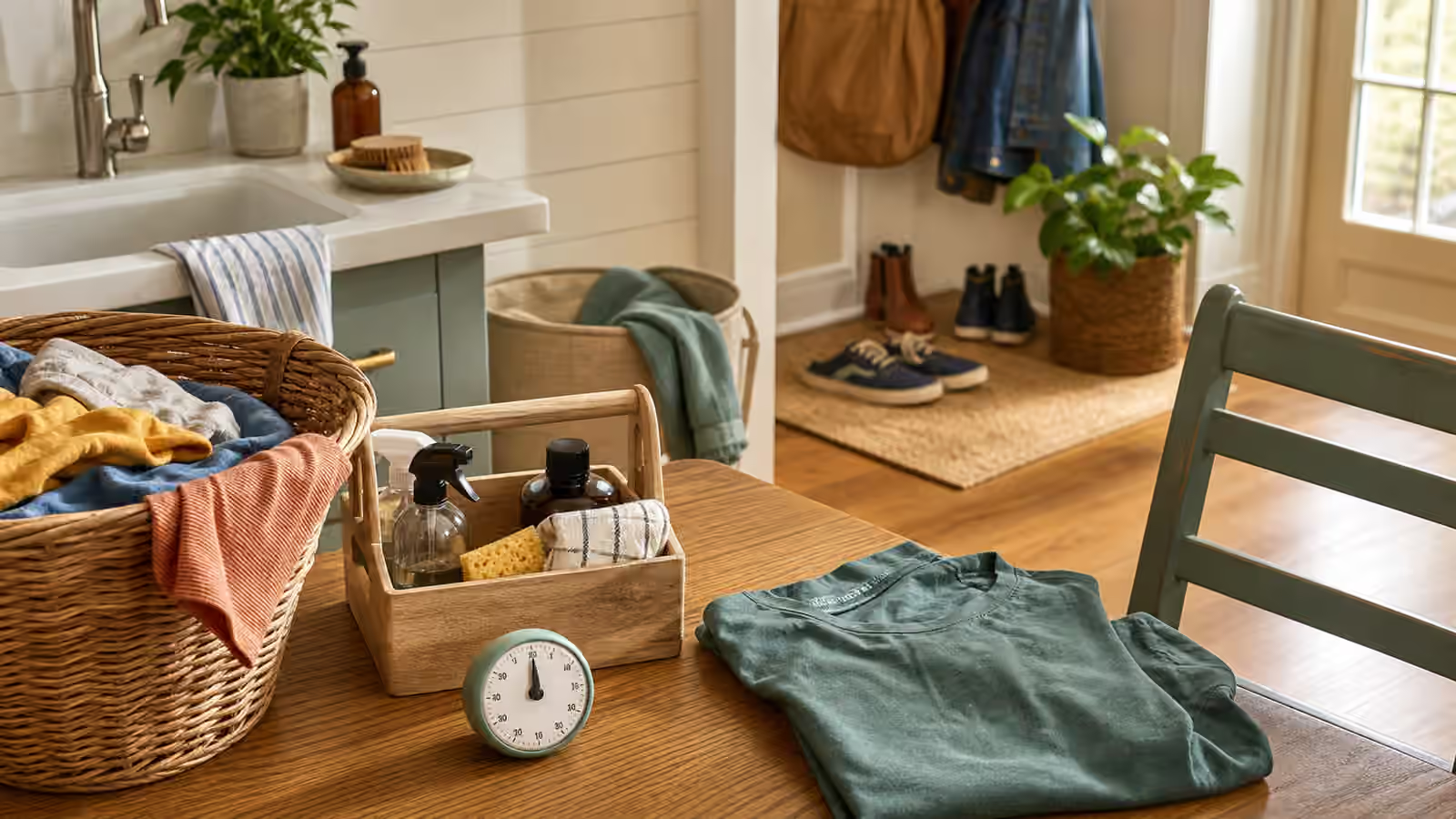
Concrete examples travel better than principles, so keep a few short scripts in mind. For an essay, the Start Line might be “open the rubric and paste the prompt into a blank document,” which quietly builds the container the writing will live in. For laundry, try “put the basket beside the washer and collect only the towels,” a move that narrows an overwhelming pile to one category. For an appointment you keep avoiding, “put the insurance card and the calendar on the desk” gathers the two things the call will need. Each script names what starts, what counts as enough for this round, and where the task waits if you stop. Keep them short; a script that turns into a paragraph has become another task to dread.
The same language works whether you are an adult clearing admin, a student facing homework, or a family trying to share chores without a fight. Replacing “why can’t you just do it” with “what is the first object and where does it go” swaps blame for an observable next move. That shift alone can change the emotional weather around a task, because it stops treating a stuck start as a character flaw and starts treating it as a design question with an answer.
When you genuinely cannot find the first move
Sometimes the reason a task will not start is not friction but fog: the assignment is unclear, the expectation was never spelled out, or you honestly do not know what “done” is supposed to mean. That is not a failure of discipline, and no Start Line trick will fix it. When the ambiguity lives outside you, the right first move is to ask, to email the professor, the manager, or the family member and name the specific thing you cannot see. Treat that request as the Start Line itself. For everything else, choose one circling task, make only its next physical move visible, do that move badly if you must, and leave a return point behind you. You can build Working Memory Offloading habits later to keep those first moves out of your head entirely, and if typing friction is part of your own start problem, a comfortable setup from the Mechanical Keyboard Guide removes one more invisible barrier between you and the page.