Personal care can be strangely hard to start because it looks simple from the outside. “Take a shower” sounds like one action, but the real task may include choosing clean clothes, finding a towel, checking the time, managing temperature, remembering supplies, dealing with wet hair, making room in the hamper, and returning to the next part of the day. When all of those small demands arrive at once, the start can feel heavier than the task name suggests.
Startable Life Lab treats this as a setup problem rather than a character problem. The goal is not to make every shower, grooming routine, or basic care task effortless. The goal is to make the first minute less foggy. A good start line lets your body know what happens first before your mind starts negotiating the whole routine. It also gives the routine a landing place afterward, so towels, clothes, products, and next tasks do not scatter across the morning.
Put the First Object Outside the Decision
The first object matters because personal care often stalls before the bathroom even enters the picture. A person may be tired, late, cold, distracted, or unsure what clothes are clean. If the routine starts with a debate about the whole morning, the first move gets buried. A start line puts one object in front of the debate.
For a shower, the first object might be a towel on the hook, clean clothes on a chair, or a robe placed where you will see it. For grooming, it might be the brush, moisturizer, razor, deodorant, hair tie, or simple tray of supplies already gathered. The object should not represent the whole ideal routine. It should represent the door into the routine. “Put towel on hook” is different from “fix my morning.” “Place toothbrush and cup on the sink” is different from “become organized.”
This is the same logic as The Start Line . The first action should be visible and physical. It should not require a speech about motivation. If the routine repeatedly fails at the same point, do a small Friction Audit around that point. The hidden step may be clean clothes, a missing towel, a product stored too far away, a cold bathroom, or uncertainty about how much time the whole routine takes.
Separate Care From Clothing Decisions
One reason personal-care starts get sticky is that showering and getting dressed are often fused into one large task. You may need the shower, but the mind jumps ahead to clothes, weather, laundry, body comfort, work expectations, and the possibility of being late. The care routine then inherits every clothing decision.
Borrow the method from Getting Dressed Without the Decision Spiral and separate the clothing decision before the care routine begins. This does not require a perfect outfit plan. It can be as plain as placing one acceptable set of clothes on a chair, choosing the soft socks, or putting the clean laundry option closest to the door. The care start becomes easier when the next fabric decision is no longer waiting like a second task inside the first.
If clothing choices change with weather or comfort, keep the first version forgiving. A chair can hold a primary option and a backup layer. A basket can hold the clothes that are clean enough and easy enough. The point is not to decide the whole day. The point is to keep the shower from beginning with a closet negotiation. When the next clothes are visible, stepping into the routine feels less like walking into a maze.
Make the Bathroom a Short Runway
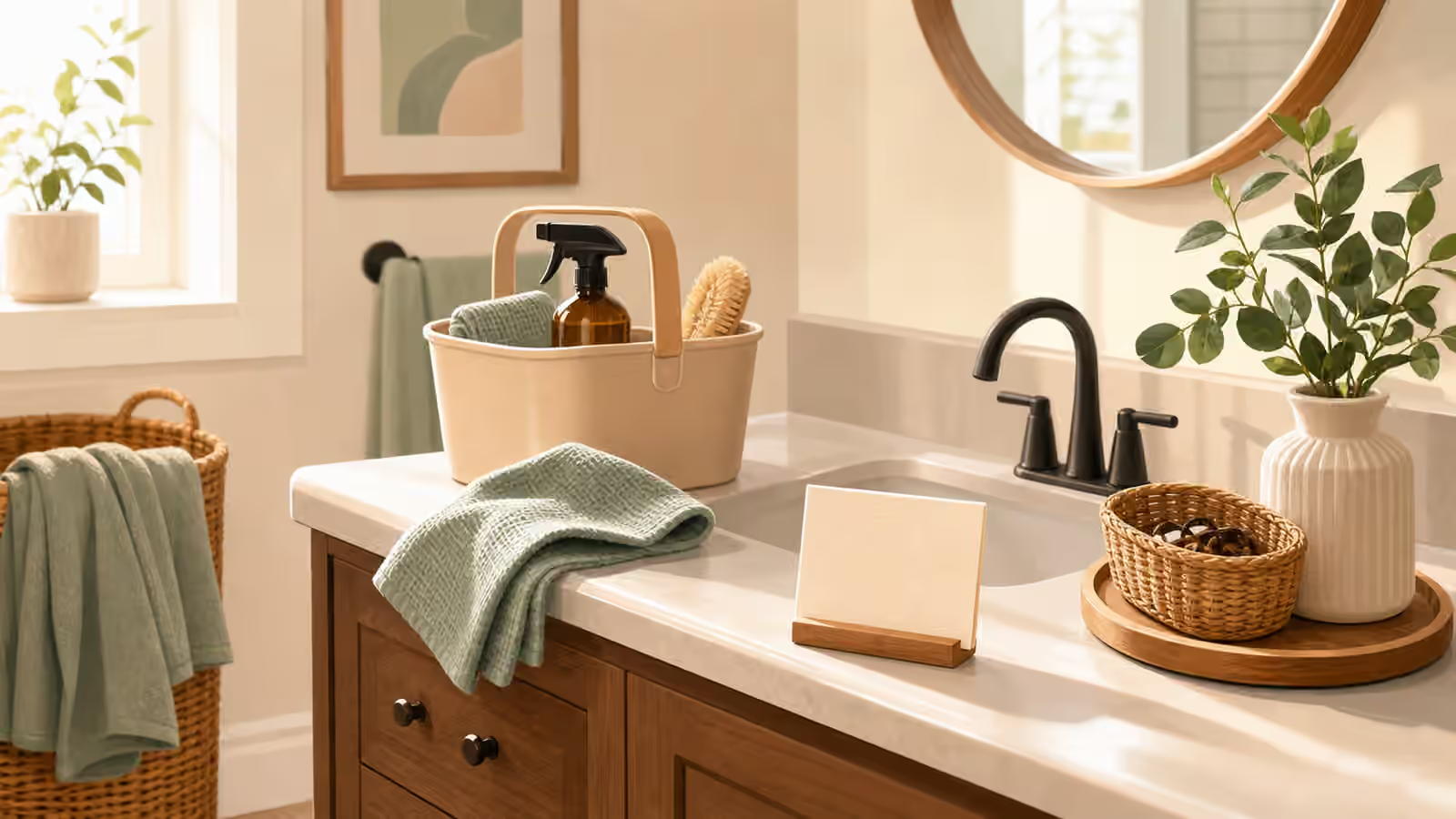
A runway is the small path between intention and action. For care routines, the runway is usually physical: light on, towel ready, supplies grouped, hamper open, water bottle nearby if mornings feel dry or rushed, and one clean place to put used clothing. These details sound minor until they are missing. A closed hamper, missing towel, or crowded sink can turn the start into a series of interruptions.
Working Memory Offloading is useful here because the bathroom should hold some of the remembering. A small tray can hold the repeated grooming supplies. A hook can hold the towel that proves the shower is ready. A basket can receive clothes without requiring a laundry decision. A blank card or visual cue can sit where it is needed without needing readable text. The room begins to say what happens next.
Keep the runway modest. If the setup asks you to reorganize every product before you can shower, it has become another task. A useful runway is the minimum arrangement that prevents repeated starts from breaking. Place the towel. Clear enough of the sink to use it. Keep the grooming object that starts the sequence in the same place. Leave the extra inventory, product sorting, and deep cleaning for another time.
Use Time as Shape, Not Pressure
Personal-care routines often suffer from distorted time. A shower can feel like it will take forever when you are tired, or like it will take no time at all when you are already late. Both guesses can make starting harder. A visible timer, clock, or song-length cue can give the routine a shape without turning it into a race.
This pairs with Time Blindness Without Shame . The aim is not to punish yourself into speed. It is to make the size of the routine less imaginary. You might learn that the basic version takes less time than the dreaded version in your head, or that the full version needs a larger runway than you keep giving it. Either discovery is useful.
A startable care routine can have versions. The full version may include shower, hair, skin, clean clothes, and a calm reset. The small version may include wash face, brush teeth, change shirt, and place towel for later. The smallest version should still be respectful, not a punishment. When time is visible, choosing the small version can be a practical decision instead of a collapse.
Leave a Reset Point for the Next Start
The end of the routine matters because a messy ending makes the next start more expensive. A damp towel on the floor, products scattered across the sink, clothes in three places, and an empty water glass left behind all become tomorrow’s friction. The reset point does not need to be a full cleaning session. It needs to protect the next first minute.
Think of this as a tiny Shutdown Routine for the bathroom or dressing area. Hang the towel where it dries. Put the starting supply back on the tray. Move clothing to the hamper or one waiting basket. Leave the sink usable enough for the next pass. If the routine has to stop abruptly, create a visible pause instead of an invisible mess. A towel on the hook and the brush on the tray are return points.
The reset can also happen before bed or during The Two-Minute Setup . Place tomorrow’s towel, clothes, or grooming object before the morning has a chance to become crowded. The evening version should stay small enough that it does not become another reason to avoid sleep. One object staged tonight can remove five decisions tomorrow.
Repair Bad Starts Kindly
Some days the routine will not happen the way you wanted. You may be too late, too tired, interrupted, overwhelmed, or missing the right clothes. A bad start does not need a courtroom. It needs one repair that makes the next start less brittle.
The Bad-Day Reset works well here. Ask what would make the next care action more reachable without trying to rewrite the whole day. Maybe the repair is putting a towel on the hook. Maybe it is clearing the sink enough to brush teeth. Maybe it is choosing tomorrow’s clothes early because the closet is the real block. Maybe it is admitting that the full routine needs a larger time buffer on certain mornings.
The useful question is specific: what was missing from the first minute? If the answer is an object, stage the object. If the answer is time, make the runway visible. If the answer is clothing decisions, separate them. If the answer is sensory discomfort, adjust the environment where you can without turning the routine into a perfection project. A care routine becomes more startable when it stops asking one tired person to invent the whole sequence from scratch every time.