Packing often becomes difficult because it pretends to be one task. In practice, it is a chain of small searches and decisions. What clothes fit the situation? Which charger belongs in the bag? Is the notebook needed? Where is the medication, if any is part of your personal routine? What can be packed early and what must stay available until the morning? What does the destination already provide? What will be hard to replace if forgotten?
When all of those questions arrive at the last minute, packing turns into a room-by-room hunt. The bag stays open, the bed fills with possibilities, the departure time gets closer, and every object feels equally important. A packing runway makes the task visible before the deadline. It turns the vague command “pack” into a few staged zones and one first physical move.
Make the Departure Visible Before the Bag Is Full
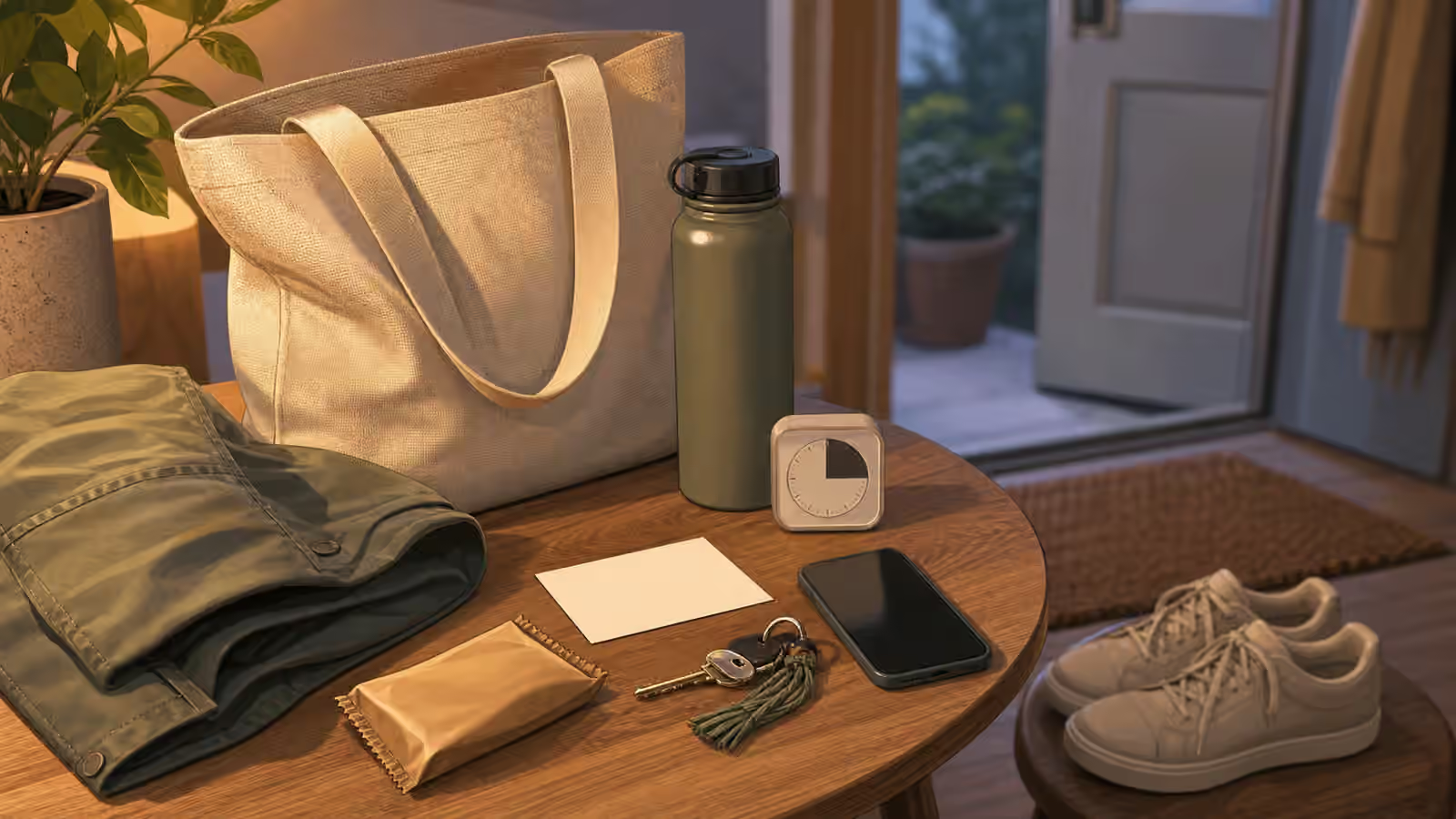
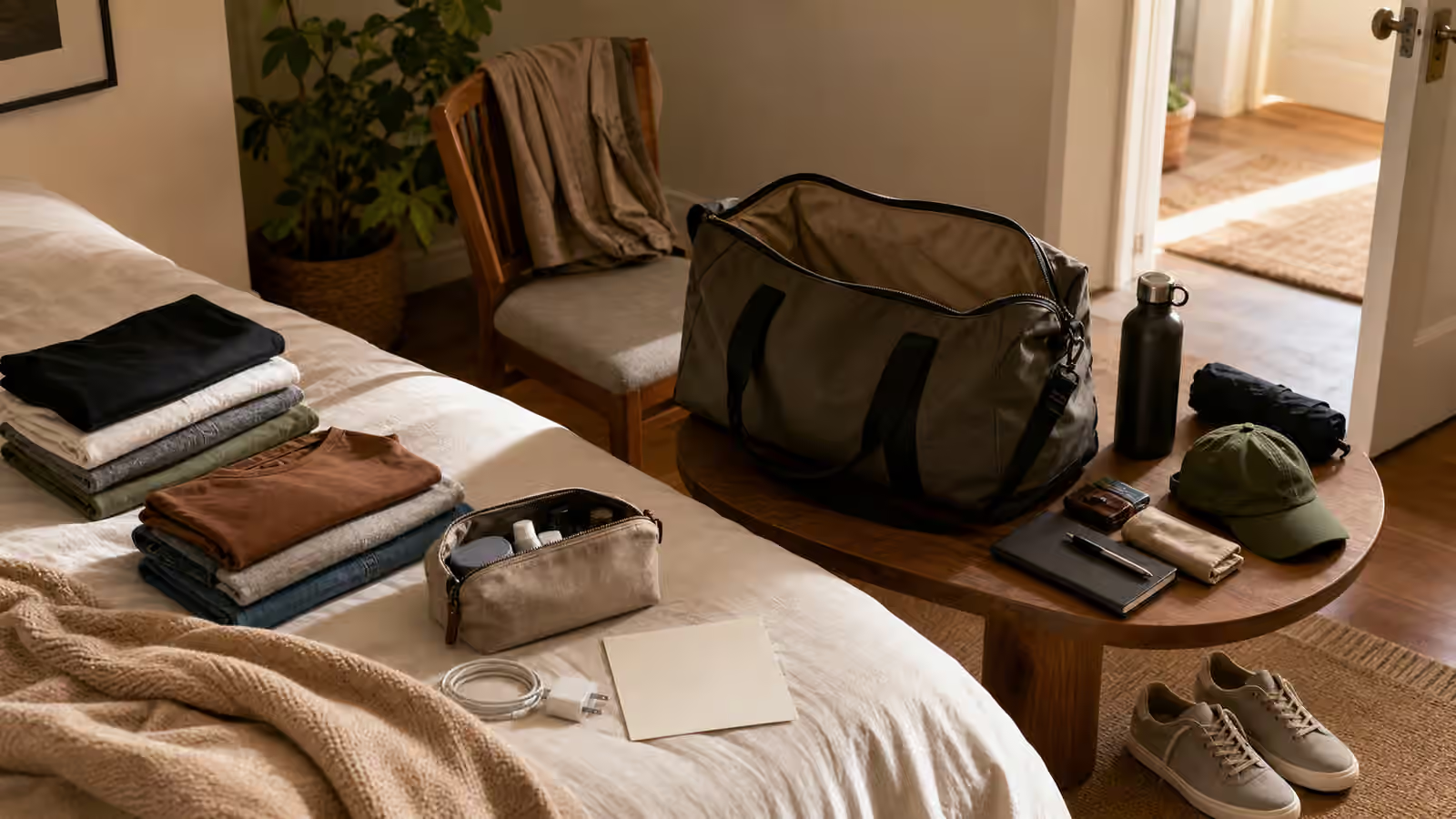
The first move is not always putting things in the bag. Often the better first move is making the departure visible. Put the bag where packing will happen. Place a blank card beside it. Gather the objects that already know they belong. Open the closet, drawer, or shelf that usually holds the repeated items. The task has begun when the packing area exists.
This matters because packing from memory is unstable. The mind keeps reopening categories: clothes, toiletries, chargers, food, documents, weather, gifts, shoes, sleep, entertainment, work, school, and return items. A visible packing area lets those categories land somewhere outside the mind. You can walk past and add the charger. You can remember the notebook while making tea and place it near the bag. You can notice that the shoes need drying before the morning.
The Two-Minute Setup fits this perfectly. The night before a departure, a two-minute setup may be enough to place the bag, choose the first clothing layer, and write the one item that cannot be packed until morning. That small setup can protect the next day from a cold start.
Pack by Moment, Not by Object Type
Many packing lists are organized by object category. Clothes, toiletries, electronics, papers, snacks, and extras each get a mental column. That can work, but it can also make packing feel abstract. Another method is to pack by moments. What happens when you arrive? What happens before sleep? What happens when you wake up? What happens during the class, appointment, visit, or work block? What happens if there is waiting time?
Moment-based packing helps because it attaches objects to scenes. The morning scene may need clothing, toothbrush, charger, and medication if that is part of your usual care plan. The work scene may need notebook, badge, charger, lunch, and headphones. The return scene may need a laundry bag, receipt folder, or object that must come back home. You are not trying to imagine every possible item. You are walking through the day in plain language.
This also prevents overpacking for the fantasy version of the trip. A person may pack three notebooks because the imagined version of the weekend includes deep focus, journaling, and a new project. If the real trip includes one short waiting block, a single notebook may be enough. Portable Start Kit can help separate a useful carry kit from the overloaded bag that tries to support every possible mood.
Give Morning-Only Items a Return Cue
Some items cannot be packed early. Glasses, phone, daily toiletries, a charger still in use, a water bottle, a school device, or a personal item may need to remain available until departure. These are often the items that cause the last-minute search because the bag looks mostly packed, but the remaining objects are still scattered through ordinary life.
Instead of trusting memory, give morning-only items a return cue. Put a card on top of the bag. Place the empty charger pouch where the charger will go. Leave the toiletry pouch open in the bathroom. Put shoes by the bag if they can wait there. The cue should show the missing item without requiring readable text to carry the whole plan. A gap can be a reminder.
This is Working Memory Offloading applied to departure. The system should not depend on remembering the invisible final items while also managing time, food, weather, messages, and other people. If an item must wait until the morning, make its absence visible.
Shrink the Wardrobe Decision
Clothing can take over the packing runway because it mixes weather, comfort, appearance, laundry state, destination expectations, and uncertainty. If the clothing decision expands, the bag may stop moving. The useful question is not “What should I bring?” but “What clothing decision would make the rest of packing possible?”
For a short trip or long day, choose one anchor outfit or one clothing formula first. It might be the comfortable travel layer, the class outfit, the work outfit, or the weather-safe option. Once the anchor is chosen, the remaining clothes become support rather than a full identity debate. Shoes, socks, outer layer, and sleep clothes can then answer the anchor instead of competing with every possible version of the day.
Getting Dressed Without the Decision Spiral goes deeper on clothing choices. Packing borrows the same principle: reduce the number of live decisions before the clock is close. A good enough clothing plan that lets you leave calmly may serve better than a perfect clothing plan assembled under pressure.
Put Documents and Details in a Calm Place
Packing for a trip, class, appointment, or long day often includes details that are easy to overlook: address, ticket, form, permission slip, badge, notebook, reservation, parking note, gift card, return label, or contact information. These details should not float in the same mental space as socks and snacks. Give them a calm place.
That place might be a folder, inside pocket, envelope, or one digital screen prepared before departure. The important part is that the detail has a known home before you need it. If the address is buried in a message thread, write it on the departure card or open it before leaving. If a form must be handed over, put it in the folder rather than trusting yourself to remember which stack contains it.
This pairs with Calendar-to-Start Bridge . A scheduled item becomes more startable when the time block is connected to materials. The packing runway is the material side of the calendar. It turns “leave at eight” into bag, shoes, folder, water, charger, and first move.
Close the Bag With a Return Point
Packing is not complete just because the bag closes. A useful close includes a return point for the next time the bag opens. Put the morning-only cue on top. Place the bag where departure actually begins. If something still needs to be added, leave the gap obvious. If the bag contains an object that must be returned home, choose a return place before you leave.
This final step is small, but it protects both ends of the trip. Departure is easier because the bag has a clear next action. Coming home is easier because the bag is not allowed to become a sealed container of laundry, papers, and loose reminders for a week. Coming Home Landing Strip can catch the return side: bag to bench, papers to basket, laundry to hamper, charger back to its place.
If packing still becomes chaotic, repair the runway rather than blaming yourself. Which category waited too long? Which morning-only item had no cue? Which detail stayed buried? Which clothing decision became too large? A packing routine improves by making the repeated snag visible. The goal is not to pack like a professional traveler. It is to leave with fewer searches, fewer mystery gaps, and a bag that supports the first move of the next place.