Mornings often fail before they look like failure. The alarm has sounded, but the day still has too many invisible steps. Clothes need choosing, bags need checking, breakfast needs deciding, keys need finding, and the first outside commitment may already be pulling on your attention. When all of those steps live in memory, the morning becomes a negotiation with every object in the room.
A morning launch pad is a small physical place that carries some of that load before the day begins. It can be an entry table, a tray, a chair, a basket, a square of counter, or the corner of a desk. The size matters less than the job. It gathers the objects that will otherwise scatter, makes the next morning’s first moves visible, and reduces the number of decisions required before you are fully awake.
Why mornings need objects, not promises
The promise to “get up earlier” sounds clean because it treats the morning as a single choice. Real mornings are rarely single choices. They are a chain of tiny starts. Stand up. Find glasses. Choose clothes. Start coffee or tea. Pack the bag. Check the weather. Locate the card, badge, notebook, lunch, charger, or permission slip. Leave the house. Begin work. Begin school. Begin caregiving. Begin the task that was supposed to be simple.
If any one of those starts is vague, the whole chain slows down. That slowdown can look like dawdling from the outside, but often it is the brain searching through a room for the next cue. Working Memory Offloading explains why external memory matters: when a task asks you to remember too much at once, the support should move into the environment. A morning launch pad is working memory in furniture form.
The launch pad also protects the first hour from avoidable decisions. A person may be perfectly capable of choosing a jacket, snack, route, or notebook, but not all decisions deserve morning energy. If a choice can be made the night before, the launch pad can hold the result. If a choice cannot be made early, the launch pad can hold the question in one visible place instead of letting it spread across the room.
Build the launch pad around exits and returns
The best launch pad is close to the point where the morning changes state. For an out-the-door routine, that may be near the door. For a remote-work routine, it may be beside the desk. For a student, it may be where the backpack opens. For a parent or caregiver, it may be the counter where bags, bottles, and papers naturally pass through. Do not start by buying storage. Start by noticing where the morning already catches.
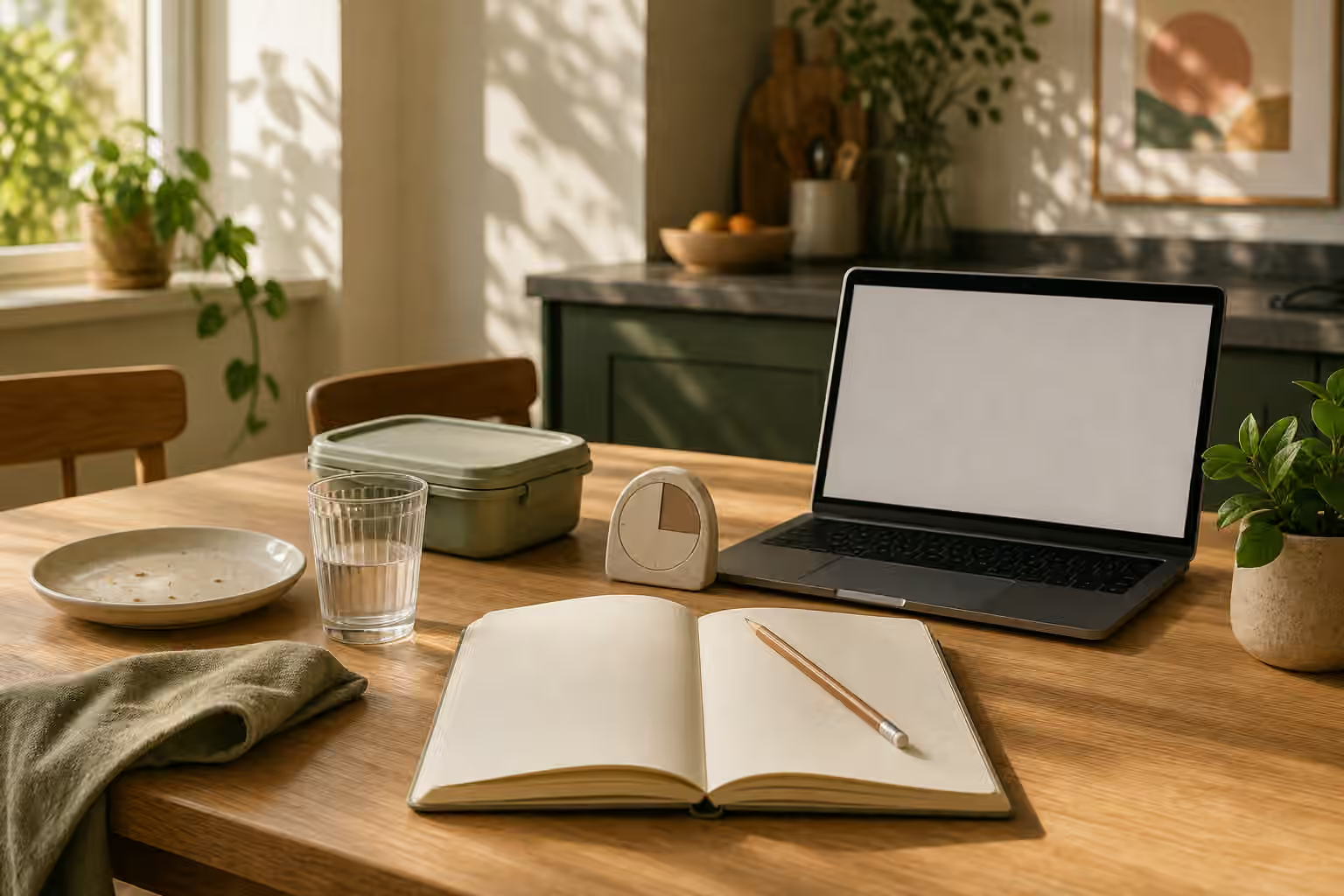
That catch point tells you what the launch pad must hold. If the problem is lost keys, keys belong there. If the problem is forgotten papers, papers need a standing place there. If the problem is opening the laptop and drifting into messages before the first task, the launch pad might hold a closed notebook and one visible start card for the desk instead of a phone. If the problem is leaving late because shoes, bag, and water bottle live in different rooms, the launch pad should gather those objects before the evening ends.
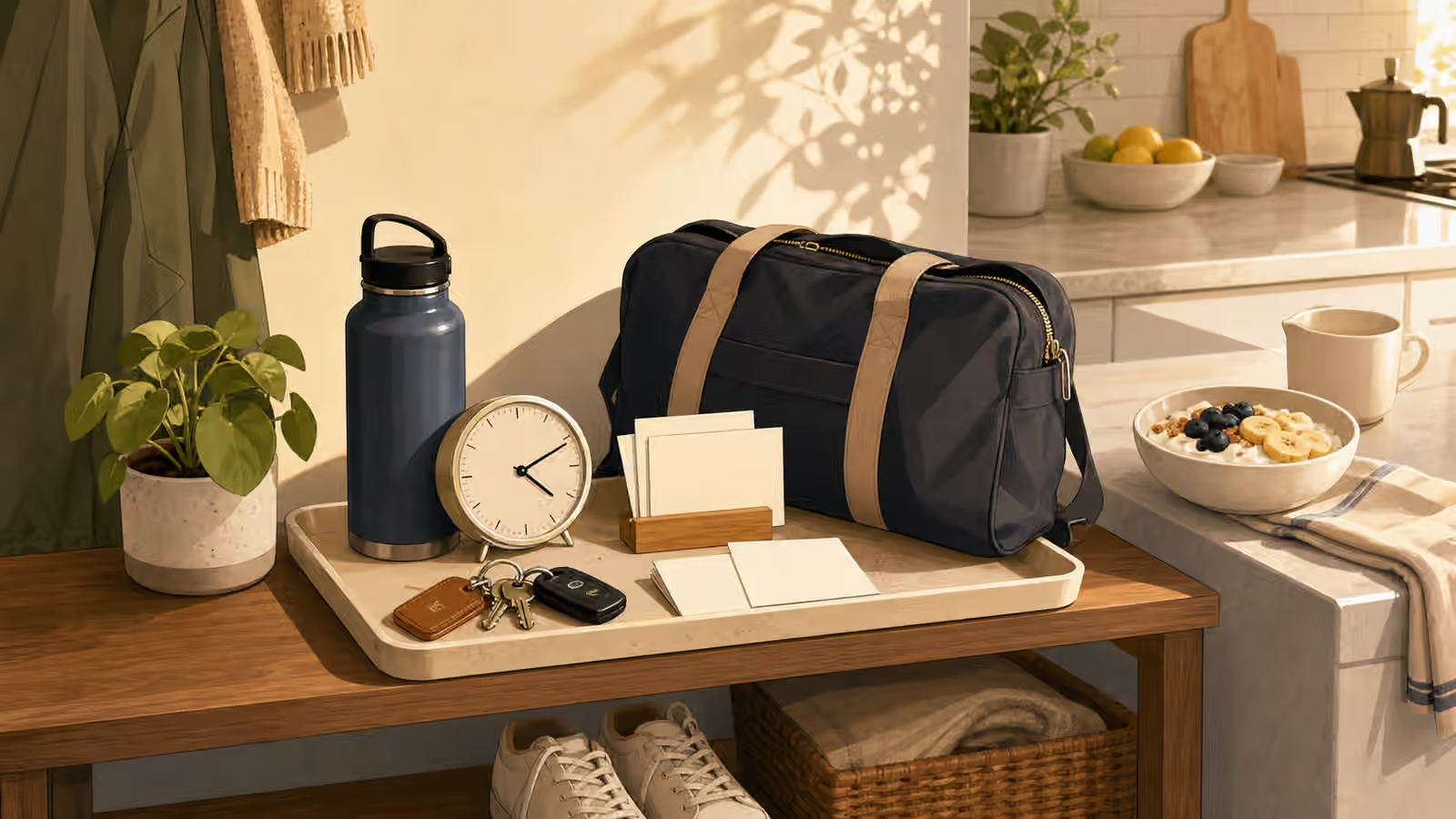
This is closely related to The Two-Minute Setup . The evening version does not need to finish the morning. It only needs to make the first physical move obvious. Put the bag where it will be picked up. Place the notebook open to the right section. Fill the bottle if that is useful. Put the object that must not be forgotten on top of the bag rather than beside it. A launch pad fails when it becomes decorative storage. It works when it changes what the body does first.
Make one morning line visible
People often overload a morning system by trying to redesign the whole day. A launch pad is stronger when it begins with one morning line. The line might be “leave the house,” “begin the desk block,” “start homework before school,” or “begin caregiving without hunting for supplies.” The line gives the launch pad a job. Without that job, every useful object tries to live there, and the tray becomes another pile.
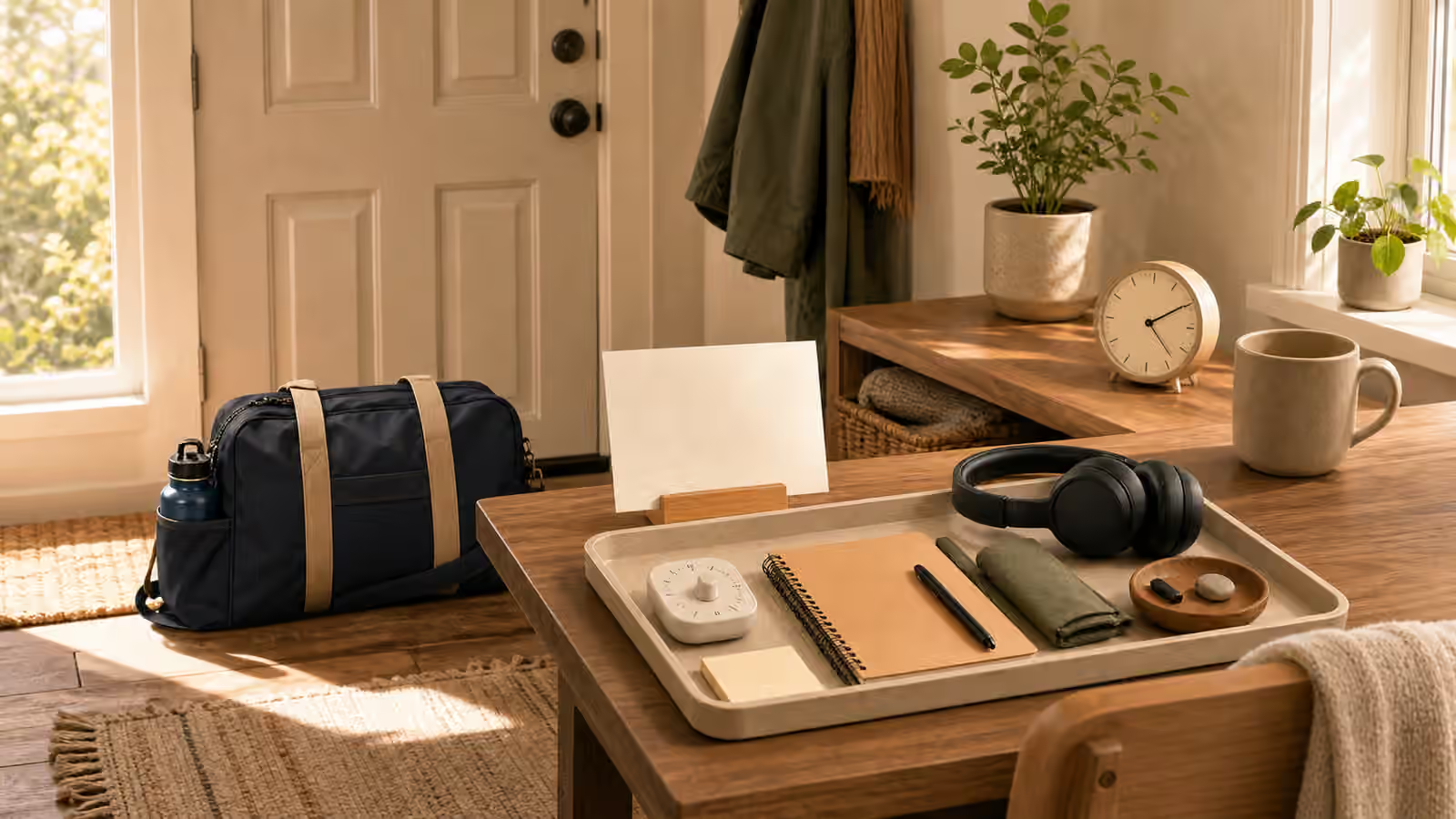
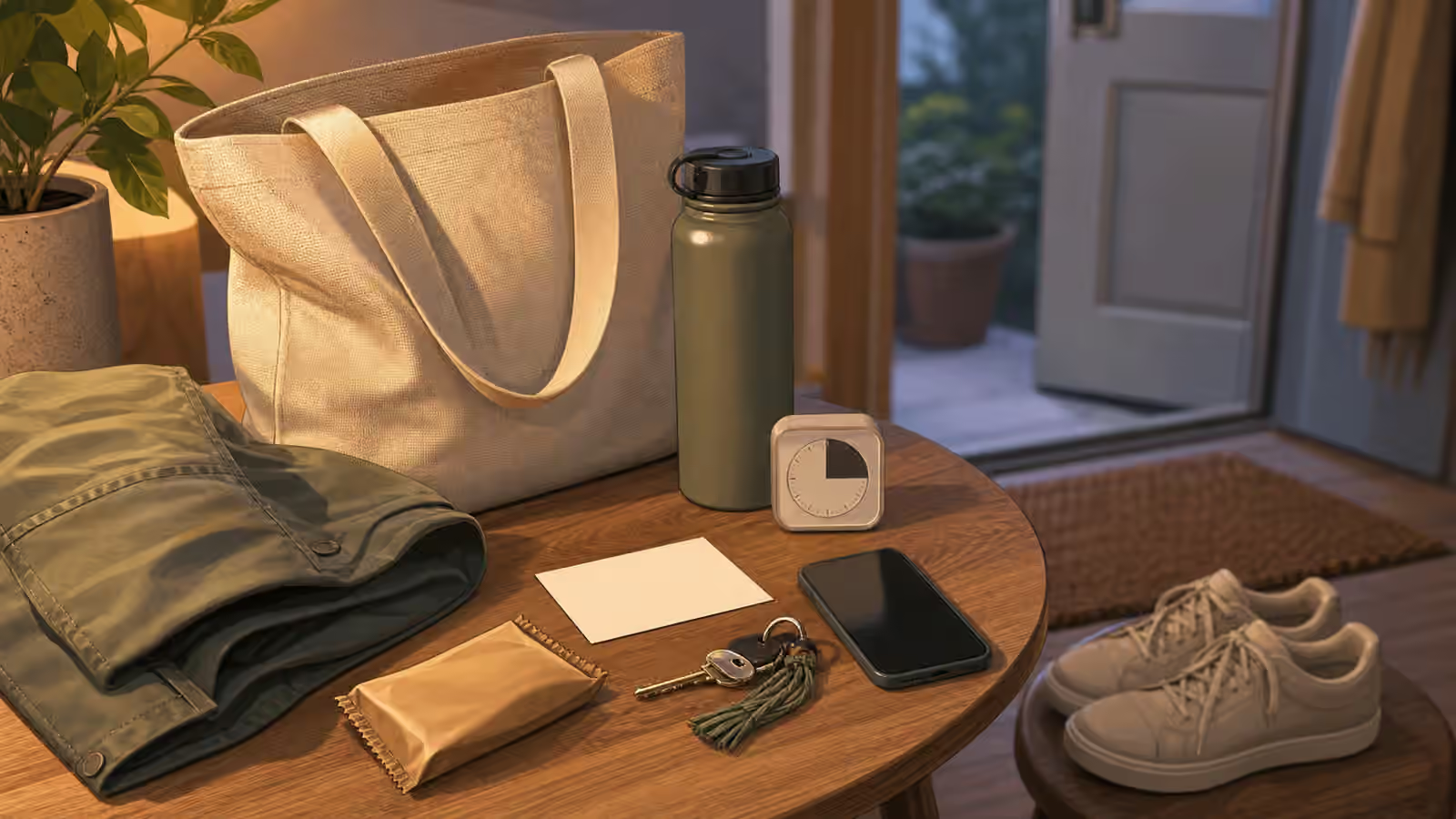
Name the line in plain language, then stage only the objects that support it. If the line is leaving the house, the launch pad may hold keys, bag, shoes, a blank reminder card, water bottle, and the document that must travel. If the line is beginning desk work, it may hold the notebook, charger, timer, headphones, and the first task card. If the line is making a school morning less combative, it may hold the backpack, folder, snack container, and a neutral cue for the first step.
The line should be practical rather than inspirational. “Have a calm morning” is a wish. “Put shoes on before checking the phone” is a start line. “Open the laptop to the draft before messages” is a start line. The Start Line is useful here because mornings improve when the first move is physical enough to see.
Keep the phone from becoming the launch pad
Many morning tasks now live on a phone: alarms, calendars, messages, weather, transit, payment apps, school notices, work updates, reminders, and music. That does not make the phone a good launch pad. A phone is too good at opening extra doors. You may pick it up to check the weather and leave ten minutes later with the original task still untouched.
The launch pad can reduce phone dependence by moving the first cue onto a visible object. A simple clock can show time without feeds. A blank card can hold the first task without exposing an inbox. A printed or handwritten cue can say what the phone is for before the screen turns on. If you need the phone for a real morning task, place it near the launch pad after the first physical move has happened, not as the first object your hand reaches for.
This does not require purity. Some mornings need the phone. The point is to stop the device from being the only doorway into the day. Digital Distraction Map can help if the phone keeps changing the task before the task has begun.
Reset the pad before it starts accusing you
A launch pad can become a guilt display when it collects unfinished intentions. The bag is still there. The note is still there. Yesterday’s lunch container is still there. The tray starts to say, silently, that you are behind. Once that happens, the system stops feeling like support and starts feeling like evidence.
Build in a reset that is smaller than cleanup. The reset might happen after dinner, before bed, after school, or at the end of a work block. It should answer one question: what does the next morning need to touch first? Anything that does not answer that question can move away from the active pad. The old receipt can go to the paperwork place. The finished notebook can return to the shelf. The missing item can be named on a card rather than left as a vague search.
The reset also needs mercy. If a morning went badly, do not redesign the whole system while annoyed. Leave one object in place for tomorrow and let that count. The Shutdown Routine pairs well with this because the best morning often starts with a small evening ending.
Use the launch pad as a conversation tool
In shared homes, morning friction can sound like blame. Someone forgot the form. Someone moved the keys. Someone is not ready. Someone is asking questions at the wrong time. A visible launch pad can turn part of that tension into a shared reference point. Instead of asking a person to hold every detail, the household can point to the place where morning objects wait.
This works best when the language stays neutral. The pad is not a test of responsibility. It is a place where the household removes a few hidden steps from the morning. A student can learn that the signed paper goes on the backpack, not somewhere “safe.” An adult can learn that keys have one landing place. A partner can see whether an errand object is ready without asking at the door. The object does some of the communication.
Start with a version too small to impress anyone. One tray. One bag hook. One clock. One blank card. One evening reset. The goal is not a perfect morning routine. The goal is a first hour with fewer searches, fewer repeated decisions, and one visible line from sleep into the day.