Cooking can be difficult to start because it asks for many kinds of work before a meal exists. You may need to choose what to make, check ingredients, clear a counter, wash a dish, decide the order of steps, tolerate mess, time several things, and stop at the right moment. Hunger can make those decisions harder, not easier.
This guide does not give nutrition advice or prescribe what anyone should eat. It focuses on the start of ordinary kitchen work: how to make preparing food feel less like a full planning project and more like a visible first move. A meal begins sooner when the start line is smaller than the whole meal.
Begin with the counter, not the whole meal
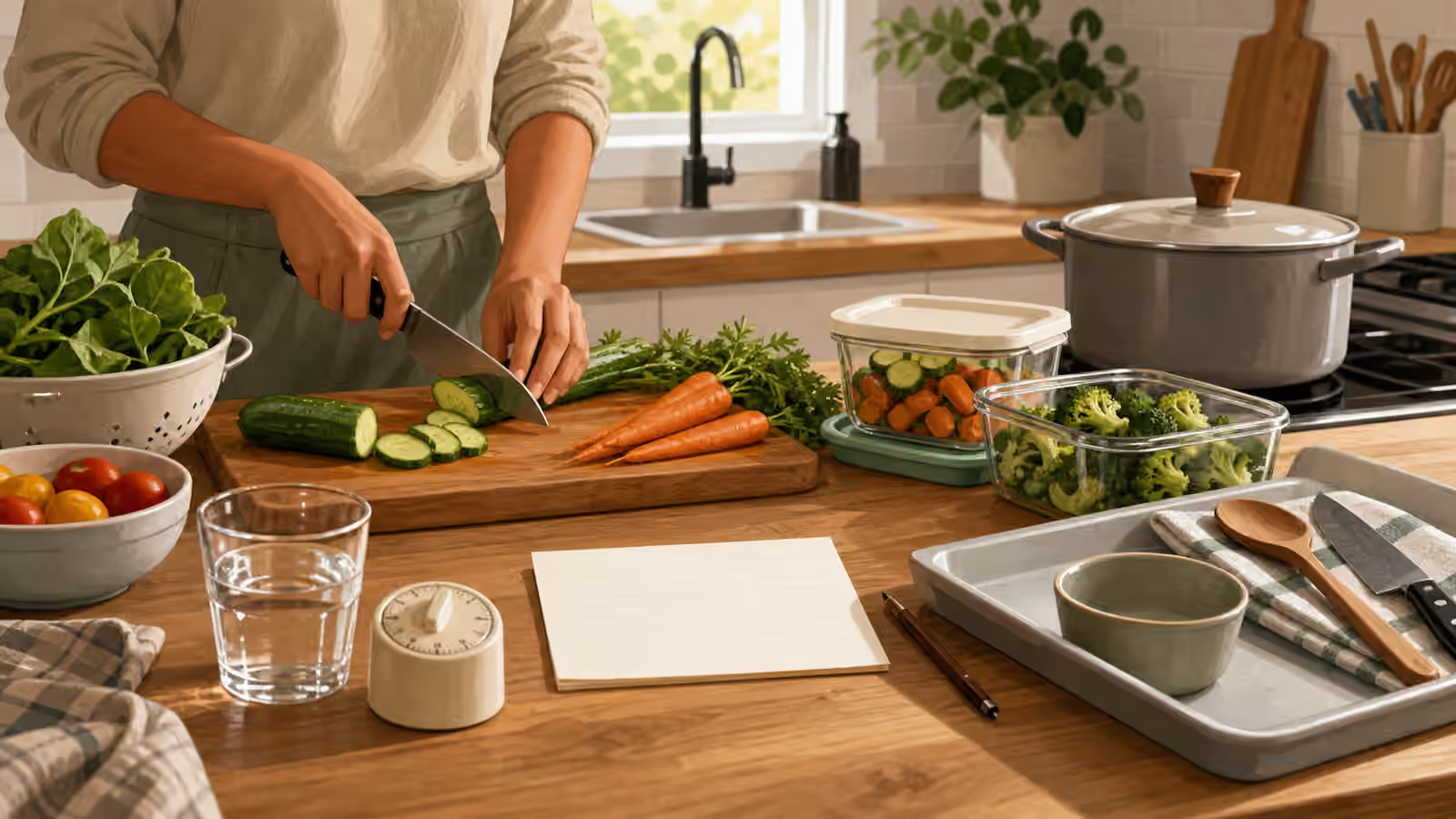
The kitchen start line should be physical. Clear one cutting-board space. Put a pot on the stove. Wash one vegetable. Place the container where leftovers will go. Fill a water glass. These actions are small, but they change the room. The task is no longer an idea called dinner. It is a counter with a first tool waiting.
This is especially useful when choosing the meal is the hardest part. You can separate “make the kitchen ready” from “decide the exact food.” A cleared counter and visible tools reduce the load of the later decision. Decision Paralysis: Shrink the Choice Before the Task works the same way. A choice gets easier when the surrounding task is smaller and more concrete.
Avoid the trap of cleaning the whole kitchen before starting. A full kitchen reset may be needed sometimes, but it is a different task. If meal prep keeps stalling because the room is not perfect, choose the smallest safe work zone and begin there. A usable square of counter can be enough.
Use a first-tool tray
A first-tool tray holds the objects needed for the opening move. It might include a knife, spoon, cutting board, pan, measuring cup, can opener, container, towel, or timer. The tray does not need to hold every tool for the meal. It only needs to reduce the first search.
Searching breaks kitchen momentum because it happens before the task has become rewarding. If you have to look for the lid, open three drawers, move dishes from the sink, and remember where the timer went, the meal can collapse before food is touched. A first-tool tray makes the opening visible and gives the hands somewhere to go.
Working Memory Offloading explains why external supports matter. In the kitchen, the tray remembers the opening sequence. It says: these are the objects for this round. The brain does not have to keep reloading the plan every time it turns around.
Decide the stopping point before the energy drops
Cooking creates a second task: closing the kitchen. If the stopping point is not visible, the meal may leave behind containers, scraps, dishes, damp towels, and ingredients that now need care. The thought of that aftermath can make starting harder, especially on low-energy days.
Name a realistic stopping point before you begin. It might be “food is in containers and the cutting board is rinsed.” It might be “the pot is soaking and leftovers are covered.” It might be “ingredients are back in the fridge and the counter is safe.” The stopping point should protect tomorrow’s start, not satisfy an ideal version of kitchen order.
This is a small version of The Shutdown Routine . Ending well is part of starting next time. A kitchen that closes with one visible cue, one soaking dish, and food stored safely will be easier to enter than a kitchen that asks you to reconstruct what happened.
Make hunger less responsible for planning
Hunger is a poor project manager. It narrows patience, increases urgency, and makes small decisions feel personal. If meal prep repeatedly starts too late, move some decisions earlier than hunger. This does not require an elaborate meal plan. It can mean placing one backup option where you can see it, keeping a simple meal idea in the same note, or staging tomorrow’s first tool after dinner.
The support should be humble. A visible pot near the stove, washed produce in front of the fridge shelf, or a container labeled only by position in the fridge can be enough. If readable labels do not work for your household, use placement, clear containers, or color cues. The point is to reduce the number of decisions required when energy is already lower.
The Two-Minute Setup fits this rhythm. You are not doing tomorrow’s cooking tonight. You are giving tomorrow one less hidden doorway.
Keep recipes from becoming a maze
Recipes can help, but they can also become maze entrances. You open a recipe, then compare versions, read comments, check substitutions, and watch the task become research. If the goal is simply to start an ordinary meal, the recipe needs a boundary.
Before opening the recipe, decide what you need from it. You may need the oven temperature, the order of steps, or the cooking time. You may not need to study every variation. Put the recipe on one device or one printed page if possible. Keep the screen from turning into a wider digital session. Digital Distraction Map is useful here because cooking research can slide into feeds, shopping tabs, or unrelated searches.
If a recipe feels too complex for the day, choose a startable fragment. Chop one ingredient. Cook one base item. Prepare one component and save the rest for later. A partial kitchen action can still improve the next meal without pretending to be the whole plan.
Build a return path for interrupted cooking
Cooking is often interrupted. Someone asks a question. A call arrives. A child needs help. The door opens. A timer rings for one item while another still needs attention. Return points matter in the kitchen because interruption can affect timing, safety, and food quality.
Use visible markers for paused stages. Put the spoon across the pot handle, leave the next ingredient beside the pan, move the timer next to the active item, or place a towel on the counter where cleanup should resume. Use only cues that are safe in your kitchen and ordinary enough not to create confusion. The cue should tell you what to touch next.
Return Points After Interruptions covers this pattern in detail. In the kitchen, the return point should be immediate and physical. It is less about remembering the entire meal and more about knowing the next safe move.
Meal prep becomes more startable when the first counter action is visible, the first tools are gathered, hunger is not asked to handle every decision, and the closing step is chosen before energy drops. The meal does not have to represent a new lifestyle. It can be one kitchen task with a smaller door.